
Body Care
Bleeding Nipple: Causes and When to See a Doctor
Aug
Seeing blood on your nipple, inside your bra, or mixed with nipple discharge can make your thoughts sprint directly toward the worst-case scenario. Take a breath. A bleeding nipple can result from something as ordinary as friction, dry skin, or breastfeeding-related cracking. It can also come from inflammation, infection, or a benign growth inside a milk duct.
However, bloody nipple discharge can occasionally be associated with breast cancer, including rare conditions affecting the nipple itself. That does not mean every red spot is an emergency, but it does mean unexplained bleeding deserves attentionespecially when it happens spontaneously, affects only one breast, or appears alongside a lump or skin change.
This guide explains the possible causes of a bleeding nipple, the warning signs that should not be ignored, what doctors may check, and what you can safely do while waiting for an appointment.
Is the Blood Coming From the Skin or From Inside the Nipple?
The phrase “bleeding nipple” can describe two different problems, and separating them is an important first step.
Bleeding from the nipple’s surface
Surface bleeding usually comes from cracked, scraped, inflamed, or injured skin. You may see a visible split, raw patch, scab, blister, or scratch. The area may sting when touched or rub painfully against clothing.
Common triggers include breastfeeding, pumping, sports-related chafing, eczema, allergic reactions, sexual activity, nipple piercings, and accidental trauma. Surface bleeding is often easier to explain because there is an obvious skin injuryyour nipple has essentially submitted a complaint about working conditions.
Bloody discharge from a milk duct
Blood or pink fluid may also emerge through one or more tiny duct openings in the nipple. This is called bloody nipple discharge. It may appear after squeezing the breast, or it may happen spontaneously and leave a stain on clothing.
Discharge that occurs only after squeezing, comes from both breasts, and flows from several openings is more likely to have a noncancerous or physiologic explanation. Discharge is considered more concerning when it begins without pressure, comes from one breast or one duct, and is bloody or clear.
Common Causes of a Bleeding Nipple
1. Friction and chafing
Repeated rubbing can damage the delicate skin covering the nipple. Runners sometimes call this “runner’s nipple,” although cyclists, hikers, gym enthusiasts, and anyone wearing rough or poorly fitted clothing can experience it.
Sweat, heat, long workouts, stiff fabric, and repetitive movement increase the risk. The nipple may become red, tender, cracked, or lightly bloody. Similar irritation can occur from tight bras, adhesive covers, harsh towels, or frequent rubbing during sexual activity.
Minor chafing usually improves after the friction stops. Persistent bleeding, discharge coming from inside the nipple, or a wound that refuses to heal should be medically assessed.
2. Cracked nipples during breastfeeding
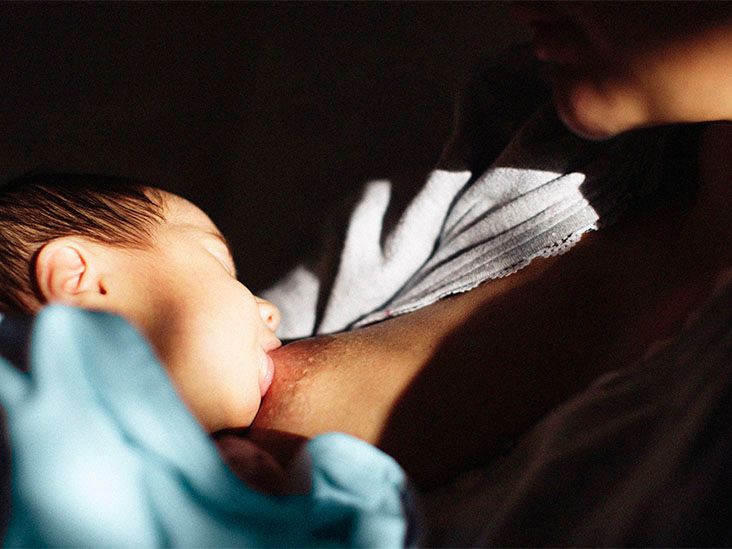
Breastfeeding is one of the most frequent explanations for cracked or bleeding nipples. A shallow latch, incorrect positioning, prolonged feeding, strong suction, or improperly fitted pump parts can repeatedly injure the skin.
Cracked nipples may look raw, flaky, scabbed, or split. Blood can sometimes mix with breast milk, making it appear pink or rust-colored. Breast engorgement may also stretch small blood vessels and contribute to blood in early milk.
Do not assume that severe or persistent nipple pain is simply a normal price of breastfeeding. A lactation consultant or healthcare professional can check the baby’s latch, pump flange size, feeding position, and possible infection. Seek prompt care for fever, worsening breast redness, pus, a painful lump, or flu-like symptoms.
3. Pregnancy and early lactation changes
During pregnancy and the first days of milk production, increased blood flow and rapidly changing breast tissue can occasionally produce blood-tinged milk. A harmless condition sometimes called “rusty pipe syndrome” may affect both breasts and gradually resolve.
Nevertheless, persistent bloody discharge during pregnancy or lactation should not be diagnosed at home. Infection, an intraductal papilloma, and, less commonly, breast cancer may produce similar symptoms. Ultrasound is often the initial imaging test when evaluation is needed during pregnancy or breastfeeding.
4. Nipple eczema or contact dermatitis
Dry, inflamed skin can crack deeply enough to bleed. Nipple dermatitis may be triggered by soaps, laundry products, fragrances, lotions, adhesives, fabric dyes, sweat, or repeated moisture. People with eczema elsewhere on the body may be particularly susceptible.
Symptoms can include itching, burning, scaling, redness, oozing, and crusting. Because scratching creates additional damage, the cycle can become impressively stubborn.
A rash affecting both nipples and improving after irritants are removed is more suggestive of dermatitis. A one-sided, persistent, crusted nipple rash that does not improve with appropriate skin treatment needs examination because Paget disease of the breast can resemble eczema.
5. Injury, piercing, or other trauma
A blow to the chest, pinching, vigorous breast manipulation, a mammogram-related skin injury, or a snagged nipple piercing can cause bleeding. New piercings may bleed slightly during healing, but continued bleeding, increasing pain, swelling, warmth, pus, or spreading redness can indicate infection or another complication.
Trauma can sometimes cause bruising or a collection of blood within breast tissue. A significant injury followed by a growing lump, substantial swelling, severe pain, or ongoing bleeding warrants prompt medical care.
6. Mastitis or a breast abscess
Mastitis is inflammation of breast tissue and may occur with or without a bacterial infection. It is most common during breastfeeding but can affect people who are not lactating.
The breast may become painful, swollen, hot, or red. Fever, chills, fatigue, and a generally miserable “I have been hit by a truck” feeling can accompany infection. Cracked nipple skin may provide an entry point for bacteria. An abscess can develop when infected fluid collects inside the breast.
Blood is not always present, but inflamed tissue, damaged skin, or an abscess may produce bloody or pus-like drainage. Fever, rapidly increasing redness, severe pain, or a soft, swollen mass requires prompt assessment.
7. Intraductal papilloma
An intraductal papilloma is a small, usually benign growth that develops inside a breast duct. A central papilloma near the nipple is among the best-known causes of spontaneous bloody or clear nipple discharge.
The discharge commonly comes from one breast and one duct. Some people notice a small lump beneath or beside the nipple, but many papillomas are too small to feel. A bump or minor injury may cause the fragile growth to bleed.
Although most intraductal papillomas are not cancer, imaging and sometimes a biopsy or surgical removal may be recommended. The goal is to confirm the diagnosis and check for atypical or cancerous cells.
8. Mammary duct ectasia
Mammary duct ectasia occurs when a milk duct beneath the nipple widens, thickens, and becomes blocked with fluid. It is a benign condition seen more often around or after menopause.
Discharge associated with duct ectasia is frequently thick, sticky, green, brown, black, or off-white rather than bright red. However, inflammation and irritation within the duct can sometimes produce blood-tinged fluid. Other symptoms may include nipple tenderness, redness, inversion, or a lump beneath the nipple.
9. Breast cancer
Most cases of nipple discharge are not caused by cancer. Still, bloody discharge is one of the breast changes that clinicians evaluate carefully.
Ductal carcinoma in situ, invasive ductal cancer, and other breast cancers can occasionally cause nipple discharge. Warning signs may include a new lump, underarm swelling, breast-shape changes, skin dimpling, nipple inversion, thickened skin, or a sore that does not heal. Breast cancer can occur in people of any sex, so men should not dismiss nipple bleeding as something that “doesn’t apply” to them.
10. Paget disease of the breast
Paget disease of the breast is a rare cancer involving the nipple and often the areola. It can initially look like eczema, with itching, burning, redness, flaking, crusting, thickened skin, flattening of the nipple, or yellowish or bloody discharge.
The changes commonly affect one nipple and persist despite ordinary skin care. Some people also have an underlying breast lump, although a lump is not always present. A one-sided nipple rash that keeps returning or fails to heal should be examined rather than treated indefinitely from the bathroom cabinet.
When Should You See a Doctor?
Arrange a medical appointment for unexplained nipple bleeding even when the amount is small. An obvious superficial crack that quickly heals after friction stops may not require extensive testing, but unexplained or recurring blood should not be ignored.
Contact a healthcare professional promptly if:
- Blood or pink fluid comes from inside the nipple.
- The discharge happens without squeezing or stimulation.
- Only one breast or one duct is affected.
- The bleeding returns, persists, or stains clothing.
- You feel a new lump in the breast or armpit.
- The nipple has recently become inverted or flattened.
- There is persistent crusting, scaling, ulceration, or a nonhealing sore.
- The breast changes shape, swells, or develops dimpling or thickened skin.
- You are male and develop any unexplained nipple discharge.
- You have gone through menopause and develop new nipple discharge.
Spontaneous, one-sided, bloody or clear discharge is generally considered pathologic and usually requires clinical evaluation and breast imaging.
Seek urgent care when:
- Bleeding is heavy or does not stop with gentle, steady pressure.
- A major injury caused the bleeding.
- The breast is rapidly becoming red, hot, swollen, or intensely painful.
- You have fever, chills, weakness, confusion, or feel seriously unwell.
- There is foul-smelling drainage or a rapidly enlarging painful lump.
How Doctors Evaluate Bloody Nipple Discharge
Your clinician will first determine whether the blood comes from damaged surface skin or from a breast duct. Expect questions about when it started, whether it occurs spontaneously, whether one or both breasts are involved, and whether you have pain, fever, a lump, pregnancy, recent breastfeeding, trauma, surgery, medications, or a family history of breast or ovarian cancer.
The physical examination may include the nipple, areola, breast tissue, and lymph nodes beneath the arm and near the collarbone. Avoid repeatedly squeezing the nipple before the visit. Manipulation can keep the discharge going and make it more difficult to determine whether it occurs spontaneously.
Possible diagnostic tests
- Diagnostic mammogram: Produces detailed breast images and may reveal masses, tissue distortion, or suspicious calcifications.
- Breast ultrasound: Helps examine the ducts and distinguish fluid-filled areas from solid growths.
- Breast MRI: May be considered when mammography and ultrasound do not explain persistent suspicious discharge.
- Ductography: Uses contrast material to outline a duct producing discharge, although it is not required in every case.
- Biopsy: Removes tissue or cells when imaging identifies a suspicious area or cancer cannot otherwise be excluded.
For adults with pathologic nipple discharge, ultrasound and diagnostic mammography are commonly used according to age and clinical circumstances. MRI or additional duct evaluation may follow when initial imaging does not identify the source.
What to Do While Waiting for Medical Care
- Do not repeatedly squeeze the nipple. Checking every 20 minutes may irritate the tissue and keep the discharge active.
- Clean gently. Use lukewarm water and avoid scrubbing, alcohol, peroxide, fragranced soap, or unprescribed medication.
- Reduce friction. Choose soft, breathable clothing and consider a clean nonstick dressing over a superficial crack.
- Record what you notice. Note the color, amount, affected side, whether it occurred spontaneously, and any associated lump, rash, fever, or pain.
- Review recent triggers. Consider new clothing, exercise, skin products, pumping equipment, medication, trauma, or piercing problems.
- Get breastfeeding support. Ask a clinician or lactation consultant to assess positioning, latch, nipple damage, and pump fit before changing the feeding plan.
Avoid applying antibiotic, antifungal, steroid, or “all-natural miracle” creams until a professional identifies the likely problem. Natural products can still irritate skin, and some treatments may hide symptoms without addressing the cause.
How Is a Bleeding Nipple Treated?
Treatment depends entirely on the diagnosis. Friction injuries usually improve with rest, protective dressings, and better-fitting clothing. Breastfeeding-related fissures may require latch correction, pump adjustment, moist wound care, or treatment of associated inflammation.
Dermatitis may improve after an irritant is removed and an appropriate topical medication is prescribed. Bacterial mastitis or an abscess may require antibiotics, drainage, or both. A symptomatic intraductal papilloma may be monitored, biopsied, or surgically removed. Suspicious or cancerous findings require treatment planned by a breast specialist.
The important point is that the appearance of blood alone cannot reliably identify the cause. A small amount can come from a harmless crack, while a serious duct problem may produce only a tiny stain.
Experience-Based Lessons: What These Situations Often Look Like
The following examples are educational composites based on patterns commonly encountered in medical guidance and patient care. They are not individual diagnoses, and details have been combined to protect privacy.
The long-distance runner who blamed everything on sweat
After a long run in a damp cotton shirt, a recreational runner notices two small red stains on the front of the fabric. Both nipples burn in the shower, and thin cracks are visible on the surface. There is no breast lump, internal discharge, swelling, or fever.
This pattern strongly suggests friction. The useful lesson is not merely “wear a better shirt,” although that certainly helps. It is learning to identify where the blood originates. Surface cracks affecting both nipples immediately after repetitive exercise tell a different story from spontaneous blood emerging from one nipple while sitting at a desk.
The runner pauses long workouts, keeps the skin clean, switches to moisture-wicking clothing, and protects the area from additional rubbing. The wounds heal. Had the bleeding continued after the skin closed, medical evaluation would still have been appropriate.
The breastfeeding parent who thought severe pain was normal
A new parent develops painful nipple cracks during the first week of breastfeeding. Small streaks of blood occasionally appear in expressed milk. Relatives insist that everyone experiences this and that the parent should simply “toughen up,” an approach that is both unhelpful and impressively outdated.
A lactation assessment reveals a shallow latch and a pump flange that is too small. Correcting those issues reduces repeated trauma. The parent also learns the warning signs of mastitis: increasing redness, fever, worsening pain, swelling, and flu-like symptoms.
The central lesson is that nipple soreness may be common during early adjustment, but damaged or persistently bleeding skin deserves support. Early help can prevent a small crack from becoming a larger feeding problem or an entry point for infection.
The painless red stain that kept returning
An adult notices a tiny blood spot inside one bra cup. There is no visible cut, and the breast is not painful. The person squeezes the nipple repeatedly and produces another drop, then spends the evening consulting the internet’s least reassuring corners.
A clinician advises against further squeezing and orders diagnostic imaging because the discharge is one-sided and bloody. An ultrasound identifies a small intraductal papilloma beneath the nipple. A biopsy confirms that it is benign, and the affected duct is later removed because the discharge continues.
This experience illustrates two important points. First, spontaneous bloody discharge should be evaluated even when there is no pain or lump. Second, needing imaging does not mean cancer has already been diagnosed. Benign papillomas are a recognized cause of this symptom.
The “eczema” that did not behave like eczema
Another person develops a scaly, itchy patch on one nipple. Moisturizer helps briefly, but the crusting returns and eventually produces light bleeding. Because the irritation affects only one side and has not healed, the clinician arranges further evaluation rather than prescribing an endless parade of stronger creams.
A persistent one-sided nipple rash deserves this level of caution because Paget disease can resemble dermatitis. Most nipple rashes are not cancer, but treatment-resistant skin changes need a diagnosis rather than optimistic guesswork.
The shared lesson
These experiences differ, but they lead to the same practical strategy: identify whether the blood is on the surface or comes from a duct, stop repeatedly squeezing the nipple, look for associated warning signs, and seek professional care when the cause is unclear.
People often delay because the amount of blood seems too small to matter or because they fear what testing might reveal. A prompt evaluation does not manufacture bad news. It replaces uncertainty with information and, when treatment is needed, creates the opportunity to begin it earlier.
Conclusion
A bleeding nipple can result from chafing, cracked breastfeeding skin, dermatitis, trauma, infection, duct ectasia, or an intraductal papilloma. Less commonly, it may be a symptom of breast cancer or Paget disease of the breast.
An obvious surface crack that heals after irritation stops is generally less concerning than blood emerging spontaneously from one nipple. Make an appointment when bleeding is unexplained, recurring, one-sided, or accompanied by a lump, nipple inversion, persistent rash, skin dimpling, fever, or swelling.
Most importantly, do not let embarrassment or fear keep you from mentioning the symptom. Healthcare professionals have heard considerably stranger things before breakfast, and nipple bleeding is exactly the sort of change they would rather evaluate than have you quietly worry about.

