
Skincare
Atopic Dermatitis Skin Infections
Jun
Atopic dermatitis is already dramatic enough without inviting bacteria, viruses, and fungi to the party. The skin gets dry, itchy, inflamed, and cranky; then scratching opens tiny doors in the skin barrier, and suddenly germs act like they received a personal invitation. That is why atopic dermatitis skin infections are such an important topic for anyone managing eczema, whether you are caring for a baby with cheek rashes, a teen with irritated elbow folds, or an adult whose hands look like they have been through a desert survival challenge.
The good news: infected eczema is common, recognizable, and treatable. The better news: many infections can be prevented by strengthening the skin barrier, managing flares early, and knowing when a rash has crossed the line from “annoying eczema” to “please call a clinician.” This guide explains why atopic dermatitis increases infection risk, what bacterial, viral, and fungal infections can look like, how doctors treat them, and what real-life habits help keep skin calmer.
What Are Atopic Dermatitis Skin Infections?
Atopic dermatitis, often called eczema, is a chronic inflammatory skin condition that causes itchy, dry, sensitive, and sometimes oozing patches of skin. It is not contagious, but the skin affected by it can become infected. That usually happens when the protective outer layer of skin is weakened. Think of healthy skin as a security fence. In atopic dermatitis, that fence has gaps, loose boards, and possibly a raccoon named Scratching trying to break in.
When eczema skin cracks, bleeds, oozes, or becomes raw from scratching, microorganisms can enter. The most common invaders are bacteria, especially Staphylococcus aureus, but viruses such as herpes simplex and fungi such as yeast or ringworm can also cause trouble. Infection may make eczema flare worse, and a severe flare may make infection more likely. It becomes a frustrating loop: itch, scratch, broken skin, germs, more inflammation, more itch.
Why Atopic Dermatitis Raises the Risk of Infection
A weaker skin barrier
People with atopic dermatitis often have a damaged skin barrier that loses moisture easily and allows irritants, allergens, and germs to enter more easily. The skin may be dry, cracked, scaly, or inflamed. Once the barrier is compromised, even normal skin bacteria can become a problem.
Scratching creates entry points
Itching is one of the defining symptoms of atopic dermatitis. Unfortunately, scratching feels satisfying for about three seconds and then betrays everyone involved. Fingernails can create tiny cuts, remove protective skin cells, and push bacteria into irritated areas. Children are especially vulnerable because they may scratch during sleep without realizing it.
Changes in the skin microbiome
The skin has its own ecosystem of bacteria and other microorganisms. In eczema-prone skin, that balance can shift. Staphylococcus aureus is commonly found in higher amounts on atopic dermatitis skin and can worsen inflammation. This does not always mean an active infection is present, but it increases the chance of one developing.
Inflammation and immune changes
Atopic dermatitis involves immune system activity that can make the skin more reactive and less efficient at defending itself. Certain immune pathways involved in eczema can reduce the skin’s natural antimicrobial defenses. In simple terms, the skin is inflamed, distracted, and not guarding the gate as well as it should.
Common Types of Skin Infections in Atopic Dermatitis
Bacterial infections
Bacterial infections are the most common infections linked with atopic dermatitis. Staphylococcus aureus, often called staph, is the usual suspect. Streptococcal bacteria can also contribute, especially in conditions like impetigo or cellulitis.
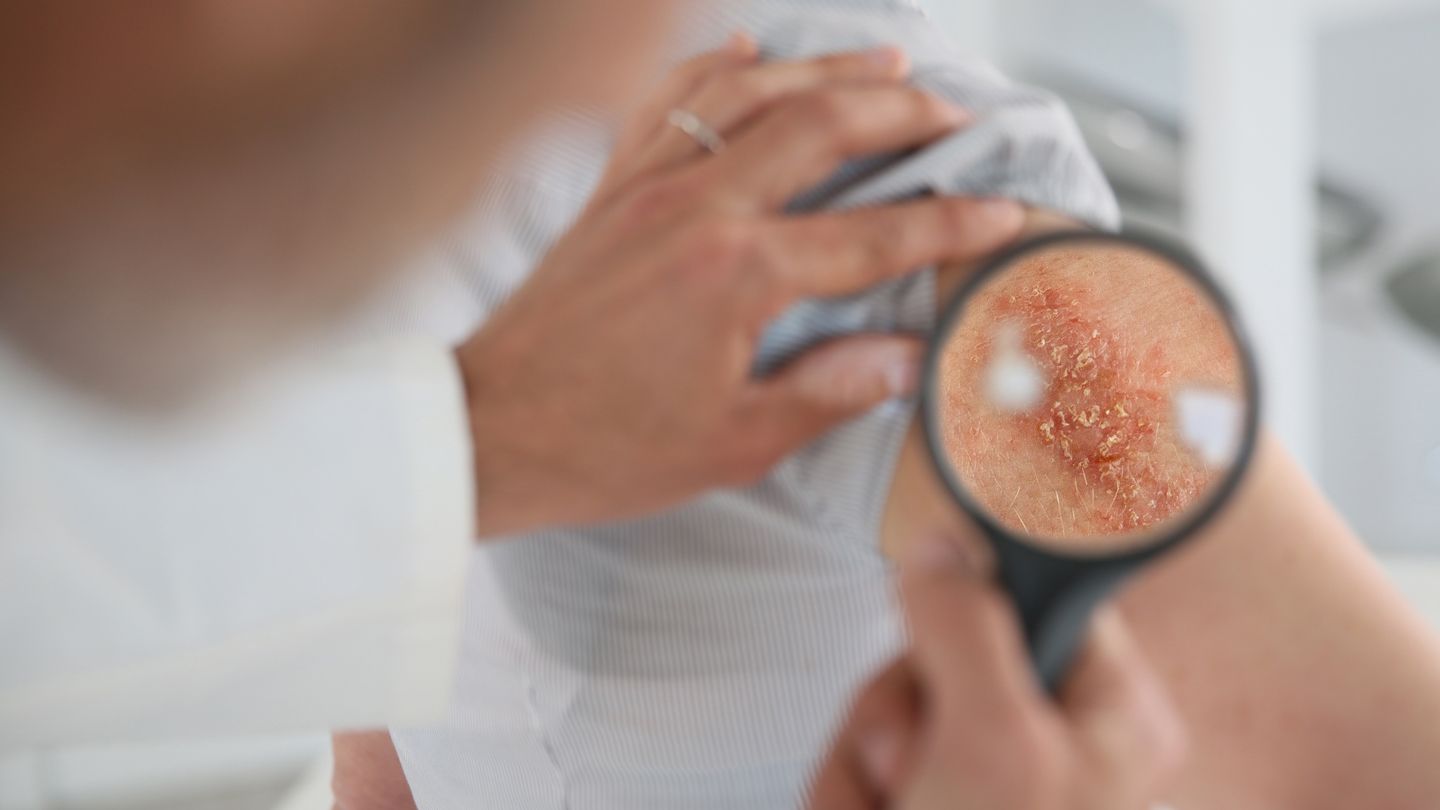
Signs of bacterial infection may include yellow or honey-colored crusts, pus-filled bumps, spreading redness, warmth, swelling, tenderness, and skin that looks wet or weepy. In children, infected eczema can appear around the face, hands, arms, legs, or any area that has been scratched repeatedly. Adults may notice infection on the hands, neck, eyelids, or flexural areas such as the inner elbows and behind the knees.
Impetigo
Impetigo is a contagious bacterial skin infection that can develop on top of eczema. It often starts as small red sores or blisters that break open and form golden crusts. It can spread through touch, towels, clothing, and scratching. Although impetigo is usually treatable, it should not be ignored, especially in children or people with widespread eczema.
Cellulitis
Cellulitis is a deeper bacterial skin infection. It may cause skin that is red, swollen, painful, warm, and expanding. Fever, chills, or feeling generally unwell can occur. Cellulitis needs prompt medical attention because it can spread beyond the skin. If eczema suddenly becomes hot, painful, and rapidly enlarging, that is not the time to debate whether moisturizer will fix it. Call a healthcare provider.
MRSA
MRSA stands for methicillin-resistant Staphylococcus aureus. It is a type of staph bacteria resistant to some common antibiotics. MRSA may cause boils, abscesses, painful bumps, pus, or worsening infected eczema. It is not a reason to panic, but it is a reason to get proper diagnosis and treatment. A clinician may take a skin swab to identify the bacteria and choose the right antibiotic.
Viral infections
People with atopic dermatitis can be more vulnerable to certain viral skin infections. The most important one to recognize is eczema herpeticum, a potentially serious infection caused by herpes simplex virus, the same family of viruses that can cause cold sores.
Eczema herpeticum may cause clusters of painful, similar-looking blisters or punched-out sores, often with fever, swollen lymph nodes, fatigue, or a general “something is very wrong” feeling. It can spread quickly and may affect the eyes. This is urgent. Anyone with eczema who develops rapidly spreading painful blisters, especially near the eyes or with fever, should seek medical care right away.
Eczema coxsackium
Eczema coxsackium is a viral eruption related to hand, foot, and mouth disease. It often affects children and can cause blisters or crusted spots in areas where eczema already exists. It may look alarming, but it is usually managed with supportive care unless complications appear. Because it can resemble eczema herpeticum, medical evaluation is helpful when blistering rashes develop suddenly.
Fungal infections
Fungal infections are less common than bacterial infections in atopic dermatitis, but they happen. Yeast may affect moist skin folds, while ringworm can cause round, scaly, expanding patches that may be mistaken for eczema. A clue is that a fungal rash often has a more defined edge and may worsen if treated only with topical steroids. If a patch keeps expanding in a circular shape despite eczema treatment, fungus may be auditioning for the role of villain.
How to Tell If Eczema Is Infected
Atopic dermatitis can already look red, swollen, cracked, or crusted during a flare, so infection is not always obvious. However, there are warning signs that suggest germs have joined the situation.
- Yellow, orange, or honey-colored crusting
- Pus, cloudy drainage, or pimple-like bumps
- Skin that feels hot, painful, or unusually tender
- Rapidly spreading redness or swelling
- Blisters, especially painful or uniform-looking blisters
- Fever, chills, fatigue, or swollen lymph nodes
- Eczema that suddenly worsens or does not respond to the usual treatment plan
- Red streaks, severe pain, or swelling around the eyes
In darker skin tones, redness may appear purple, gray, brown, or deeper than the surrounding skin rather than bright red. This matters because infection can be missed when people look only for redness. Warmth, swelling, pain, drainage, crusting, and rapid change are important clues across all skin tones.
When to Call a Doctor
Call a healthcare provider if eczema shows signs of infection, especially if there is pus, honey-colored crust, worsening pain, fever, spreading redness, or blisters. Seek urgent care if the rash is near the eyes, if your child seems very ill, if there are painful widespread blisters, or if redness is spreading quickly. Babies, people with weakened immune systems, and anyone with severe atopic dermatitis should be evaluated sooner rather than later.
It is also worth contacting a clinician if infections keep coming back. Recurrent infections may mean the eczema treatment plan needs adjustment. The goal is not just to treat the latest infection; it is to reduce the chance of the next one showing up like an unwanted subscription renewal.
How Atopic Dermatitis Skin Infections Are Diagnosed
Diagnosis often begins with a careful skin exam and a review of symptoms. A doctor may ask when the rash changed, whether there is pain or fever, what treatments have been used, and whether anyone nearby has cold sores, impetigo, or other contagious infections.
Sometimes, a clinician may take a swab from the skin to test for bacteria, viruses, or fungi. This is especially useful when infection is severe, recurrent, not responding to treatment, or suspected to involve MRSA. For suspected eczema herpeticum, treatment may begin quickly because waiting too long can increase risk.
Treatment Options for Infected Eczema
Topical antibiotics
Small, localized bacterial infections may be treated with prescription antibiotic ointments. These should be used exactly as directed. Overusing topical antibiotics can irritate skin and may contribute to resistance, so they are not usually a “just in case” skincare product.
Oral antibiotics
If infection is widespread, painful, or deeper, oral antibiotics may be needed. The specific antibiotic depends on the suspected bacteria, local resistance patterns, allergy history, and sometimes culture results. If MRSA is suspected, the medication choice may differ.
Antiviral medication
Eczema herpeticum requires antiviral treatment, often with medications such as acyclovir or valacyclovir. Severe cases may need hospital care, especially if the eyes are involved or the person is very young or immunocompromised.
Antifungal treatment
Fungal infections are treated with antifungal creams or, in more extensive cases, oral antifungal medication. Because fungal rashes can mimic eczema, accurate diagnosis helps avoid weeks of “why is this cream doing absolutely nothing?” frustration.
Controlling the eczema flare
Treating infection is only part of the job. The eczema itself must also be managed. A clinician may recommend moisturizers, topical corticosteroids, topical calcineurin inhibitors, crisaborole, topical JAK inhibitors, wet wraps, phototherapy, biologic medicines, or other treatments depending on severity and age. When inflammation is controlled, the skin barrier improves, and infections become less likely.
Prevention: How to Lower Infection Risk
Moisturize like it is your skin’s full-time job
Daily moisturizing is one of the most important steps in atopic dermatitis care. Thick, fragrance-free creams or ointments help seal in water, reduce cracks, and support the skin barrier. The best time to apply moisturizer is right after bathing, while the skin is still slightly damp. This is sometimes called the “soak and seal” method.
Keep baths lukewarm and gentle
Hot water may feel soothing for a moment, but it can strip oils from the skin and worsen dryness. Use lukewarm water, mild fragrance-free cleansers, and short baths or showers. Pat the skin dry instead of rubbing it like you are polishing furniture.
Ask about diluted bleach baths
For some people with recurrent infected eczema, clinicians recommend properly diluted bleach baths. These are not do-it-yourself chemistry experiments. The dilution must be precise, and bleach baths are not right for everyone, especially people with certain sensitivities or breathing issues. Always ask a healthcare provider before starting them, particularly for children.
Trim nails and reduce scratching damage
Short, smooth fingernails reduce skin injury. Cotton gloves at night may help children or adults who scratch while sleeping. Some people benefit from itch-control strategies such as cool compresses, wet wraps, antihistamines for sleep when recommended, and better flare control with prescription medication.
Avoid sharing towels and personal items
If there is active infection, avoid sharing towels, washcloths, razors, clothing, or bedding. Wash fabrics regularly, especially items that touch infected areas. Good hygiene helps prevent spread to other body parts and other people.
Be careful around cold sores
People with atopic dermatitis should avoid direct contact with active cold sores because herpes simplex can trigger eczema herpeticum. This includes kissing babies or children with eczema when someone has a cold sore. It may feel awkward to say, “No smooches today,” but it is much less awkward than an urgent dermatology visit.
Common Mistakes That Make Infections More Likely
One common mistake is undertreating eczema because of fear of prescription creams. While medications should be used appropriately, uncontrolled inflammation can cause more scratching, more broken skin, and more infection risk. Another mistake is stopping treatment the moment the skin looks slightly better. Atopic dermatitis often needs maintenance care, not just emergency response.
Using harsh soaps, fragranced lotions, essential oils, alcohol-based products, or aggressive exfoliants can also worsen the skin barrier. Natural does not always mean gentle. Poison ivy is natural, and nobody invites it to brunch. Choose products labeled fragrance-free, gentle, and appropriate for sensitive or eczema-prone skin.
Another mistake is assuming all oozing means infection. Eczema can weep clear fluid during a severe flare. However, cloudy drainage, pus, pain, heat, fever, and honey-colored crusting are more concerning. When unsure, it is safer to ask a medical professional than to keep guessing while the rash writes its villain origin story.
Living With Atopic Dermatitis Skin Infections: Practical Experience and Real-World Lessons
Anyone who has dealt with atopic dermatitis knows that skincare advice can sound simple until real life barges in wearing muddy shoes. “Moisturize twice daily” sounds easy, but then the baby rolls away, the toddler refuses pajamas, the teen forgets, or the adult has a work deadline and hands that sting every time lotion touches them. Managing infection risk is not about perfection. It is about building routines that survive actual human behavior.
One practical experience many families discover is that timing matters. Moisturizer works best when it becomes automatic. After a bath, keep the cream within arm’s reach, not hidden in a cabinet behind expired sunscreen and mysterious travel toothpaste. For children, some parents turn moisturizing into a countdown game or let the child choose between two approved creams. For adults, placing moisturizer near the sink, bed, desk, and shower can turn skin care into a reflex instead of a noble plan that disappears by Tuesday.
Another lesson is that infection often announces itself through change. A patch that has been dry and itchy for weeks may not be infected. But if it suddenly becomes painful, warm, swollen, crusty, or wet in a new way, pay attention. Parents often say, “It looked different this morning.” Adults may notice that a usual flare suddenly burns instead of itches. That shift is worth noting. Taking a photo each day during a flare can help you and your clinician see whether the rash is spreading or improving.
Clothing and sleep habits also matter more than people expect. Soft cotton pajamas, breathable bedding, and avoiding overheating can reduce nighttime scratching. Sweat is a common irritant, so showering after workouts and changing out of sweaty clothes quickly can help. For hand eczema, wearing protective gloves for dishwashing or cleaning can prevent cracks that invite infection. Use cotton glove liners if rubber gloves make hands sweaty.
Food gets blamed for many eczema problems, but infection prevention usually starts with the skin barrier rather than a complicated elimination diet. Unless a clinician identifies a true food allergy, randomly removing foods may add stress without solving the skin problem. Stress itself can worsen itching, and itching can ruin sleep, and poor sleep can make everything feel harder. Eczema is basically the group project nobody asked for.
The most useful mindset is to treat infected eczema early and respectfully. Do not shame yourself or your child when infection happens. It does not mean someone was dirty or careless. Atopic dermatitis creates a vulnerable skin environment. The goal is to notice warning signs, get the right treatment, and return to barrier repair. With a clear plan, the skin can become calmer, infections can become less frequent, and the bathroom shelf can finally stop looking like a tiny pharmacy with trust issues.
Conclusion
Atopic dermatitis skin infections happen because eczema weakens the skin barrier, increases scratching, and changes the skin environment in ways that allow bacteria, viruses, and fungi to thrive. The most common infections are bacterial, especially staph-related infections, but viral infections like eczema herpeticum can be urgent and serious. Watch for honey-colored crusts, pus, spreading redness, warmth, pain, fever, and sudden blistering.
The best defense is consistent eczema control: moisturize daily, use gentle skincare, follow prescribed treatments, reduce scratching damage, and seek medical care when infection signs appear. Infected eczema is not a personal failure. It is a medical complication of a chronic skin condition, and with the right plan, it can be treated and often prevented.
Note: This article is for educational purposes only and does not replace diagnosis or treatment from a licensed healthcare professional. Seek urgent care for fever, rapidly spreading redness, severe pain, eye-area involvement, or widespread painful blisters.

