
Beauty Tools & Accessories
A Young Couple’s Boston-Area Kitchen Overhaul with Bosch Appliances
Jun
Note: This original SEO article is based on real kitchen design, appliance, renovation, and energy-efficiency information, rewritten in a fresh American editorial style for web publishing.
A Historic Boston-Area Home Gets a Kitchen That Finally Works
Old New England homes have a special kind of charm. They come with tall windows, textured brick, creaky floors, and the subtle confidence of a house that has survived more winters than most of us have survived group chats. But charm does not always mean convenience. Sometimes it means tiny rooms, odd ceiling heights, mystery corners, and a kitchen that seems to have been designed during a time when “counter space” meant “good luck.”
That is exactly why the story behind A Young Couple’s Boston-Area Kitchen Overhaul with Bosch Appliances still feels so relevant. The project, located in Somerville, Massachusetts, transformed a 19th-century Italianate row house from a chopped-up Victorian layout into a modern, warm, hardworking kitchen-centered home. The couple loved the character of the house, but they needed a space that could support real life: cooking, entertaining, storing groceries, making coffee, cleaning up quickly, and not bumping into each other every time someone opened a drawer.
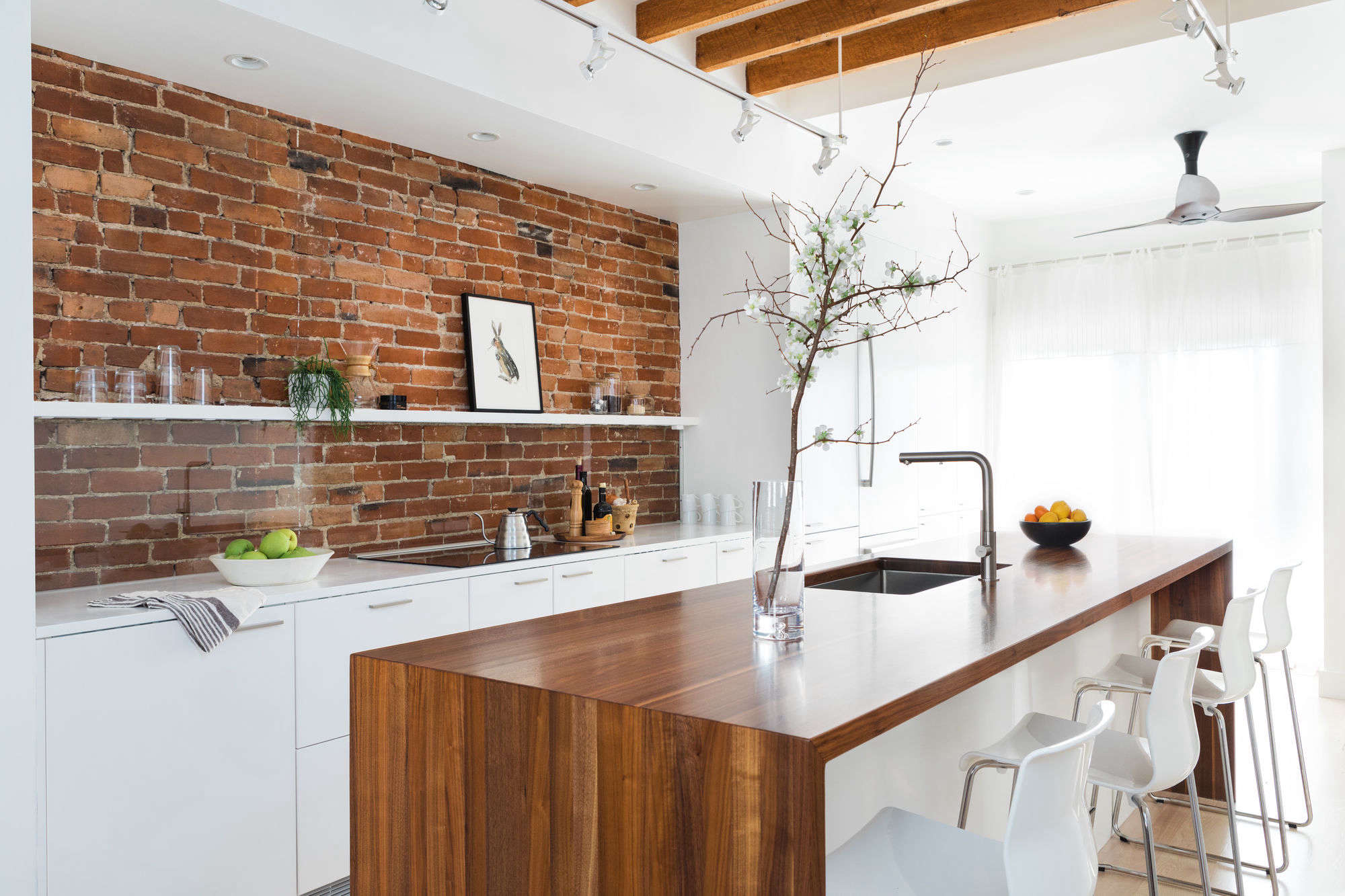
The result is a smart example of how a Boston-area kitchen remodel can honor history while embracing present-day function. Instead of fighting the original materials, the design leaned into them. Exposed brick, old beams, clean white cabinetry, a walnut waterfall countertop, and streamlined Bosch kitchen appliances created a space that feels both grounded and fresh. It is modern without being cold, historic without feeling dusty, and practical without looking like a showroom where nobody is allowed to spill salsa.
Why the Kitchen Became the Centerpiece
In many older Boston-area homes, the kitchen was not originally designed as the social heart of the house. It was often tucked away, closed off, or placed where natural light went to retire. Today, homeowners want a different rhythm. The kitchen is where breakfast happens, emails get answered, friends gather, kids do homework, and someone inevitably asks, “Is there more ice?” three minutes after the party starts.
For this young couple, the kitchen needed to become the anchor of the first floor. The original layout had small, disconnected rooms and limited storage. By opening the floor plan and relocating the kitchen along an exposed brick wall, the design created a brighter, more connected living area. This move made the home feel larger without stripping away its historic personality.
The Big Design Lesson: Respect the House, But Do Not Obey Its Bad Habits
A successful historic home kitchen renovation is not about freezing a house in time. It is about deciding which original details deserve the spotlight and which outdated features need a polite goodbye. In this project, the brick and beams stayed. The cramped layout did not. That balance is what makes the overhaul feel thoughtful rather than trendy.
Modern kitchen design in 2025 and beyond continues to favor personalized spaces, clutter reduction, better lighting, sustainability, and multifunctional appliances. Those ideas fit beautifully here. The kitchen does not scream for attention. It simply works, which is the highest compliment a kitchen can receive after “there are snacks.”
How Bosch Appliances Shaped the Remodel
Choosing appliances for a kitchen remodel can feel like online dating with stainless steel. Everything looks good in photos, everyone claims to be efficient, and you have to decide who you can live with for the next decade. In this Boston-area kitchen overhaul, Bosch appliances were selected because they matched the project’s priorities: clean design, reliable performance, quiet operation, and a streamlined look that would not overpower the architecture.
Bosch has long been associated with modern European-inspired appliance design, and that matters in a narrow urban kitchen. The best appliances in a compact space do not shout. They integrate. They perform. They let the brick, wood, and cabinetry lead the visual conversation.
Bosch Induction Cooktop: Fast, Clean, and Space-Savvy
The Bosch induction cooktop was one of the smartest choices in the remodel. Induction cooking uses electromagnetic energy to heat compatible cookware directly, which helps with precise temperature control and faster response. For a young couple who cooks at home, that means weeknight pasta water comes to a boil quickly, delicate sauces are easier to manage, and cleanup does not require the emotional stamina of scrubbing a campfire.
Induction also suits small kitchen renovation projects because the surface remains visually sleek. When the cooktop is off, it almost disappears into the counter. That quiet presence is ideal for an open-plan kitchen where the cooking zone shares sightlines with dining and living areas.
Bosch Downdraft Ventilation: A Practical Solution for an Open Layout
Ventilation is one of the least glamorous parts of a remodel until it is missing. Then it becomes very glamorous, usually in the form of lingering garlic perfume on every sweater you own. In this project, the homeowners wanted to avoid a large overhead hood that would interrupt the clean, open feel of the room. A Bosch downdraft ventilation solution allowed the kitchen to stay visually light while still supporting everyday cooking.
For many Boston-area homes with older framing, low ceilings, or tricky duct routes, ventilation planning should happen early. A powerful, quiet hood or downdraft system can make the difference between a kitchen that looks good in photos and one that actually feels good on a Tuesday night when someone is searing dinner.
Panel-Ready Bosch Refrigerator: Built-In Looks Without Visual Clutter
The refrigerator is often the largest appliance in the kitchen, which means it can either support the design or stomp into the room like a shiny metal refrigerator-shaped elephant. A panel-ready Bosch refrigerator and freezer helped this kitchen maintain a seamless built-in look. Cabinet panels allowed the refrigeration to blend into the surrounding storage, keeping the narrow space calm and cohesive.
Counter-depth and panel-ready refrigeration is especially useful in compact kitchens because every inch matters. Bosch French door refrigerators also emphasize features such as LED lighting, flexible storage, humidity and temperature control, ENERGY STAR certification, and smart Home Connect options on select models. Those details matter when homeowners want freshness, organization, and a refrigerator that does more than hum in the corner and judge leftover containers.
Bosch 800 Series Dishwasher: Quiet Cleanup for Real Life
The Bosch 800 Series dishwasher is another practical star of the overhaul. Bosch dishwashers are known for quiet performance, flexible racks, and advanced drying options such as CrystalDry on select models. In an open-plan home, quiet matters. Nobody wants to raise their voice over a dishwasher during dinner, especially when the dishwasher’s only job is to quietly erase evidence of lasagna.
A good dishwasher also supports sustainability and daily convenience. ENERGY STAR notes that certified dishwashers can save water, energy, time, and utility costs compared with hand-washing. For a young couple, that means fewer sink battles, lower waste, and more evenings spent doing literally anything else.
Design Details That Make the Kitchen Feel Warm, Not Sterile
White cabinetry, stainless steel appliances, and minimal lines can sometimes feel too clinical. This remodel avoided that trap by layering texture and warmth. The exposed brick wall adds age and color. The walnut waterfall countertop brings natural richness. Repurposed wood shelving adds a relaxed, lived-in note. Matte metal finishes tie the appliances, faucet, and hardware together without making the space feel overly polished.
White Cabinets with Historic Texture
The cabinetry choice was simple and cost-conscious, but the overall effect feels elevated because of the context. White cabinets against exposed brick create contrast: crisp meets rugged, new meets old, clean lines meet 130-year-old character. This is a useful strategy for homeowners who want a modern kitchen in an older house without turning the room into a museum exhibit.
Walnut as the Warm-Up Act
The walnut countertop is more than a pretty surface. It softens the modern appliances and white cabinetry. Wood introduces warmth, grain, and a tactile quality that makes the kitchen feel welcoming. In a Boston-area home where winter can make everyone emotionally dependent on soup, warmth is not optional; it is survival decor.
Open Shelving Where It Makes Sense
Open shelving can be wonderful when used carefully. It can also become a public display of mismatched mugs and that one novelty bowl nobody knows how to store. In this remodel, open shelving appears in a controlled way, adding personality without replacing essential closed storage. That is the trick: open shelves should support daily life, not become a second job.
What Homeowners Can Learn from This Boston-Area Kitchen Remodel
This project offers practical lessons for anyone planning a kitchen overhaul with Bosch appliances, especially in an older home.
1. Measure Everything, Then Measure the Path to the Kitchen
Before choosing appliances, measure the kitchen cutouts, cabinet runs, doorways, stairs, and hallways. In Boston-area homes, delivery paths can be narrow and dramatic. A refrigerator that fits the wall but not the stairwell is not a refrigerator; it is a very expensive hallway sculpture.
2. Start with the Layout, Not the Finishes
Beautiful tile cannot fix a bad workflow. First decide where cooking, cleaning, refrigeration, pantry storage, and prep space belong. Once the layout works, finishes become easier. This remodel succeeded because the kitchen moved to a better location and became part of the living space.
3. Choose Appliances That Match Your Lifestyle
A young couple who cooks frequently may benefit from induction, quiet dishwashing, integrated refrigeration, and efficient ventilation. A household that entertains often may care more about ice production, beverage storage, and fast cleanup. The best appliance package is not the fanciest one. It is the one that supports how people actually live.
4. Do Not Ignore Permits and Professional Help
Kitchen renovations often involve electrical, plumbing, ventilation, structural, or gas work. In Massachusetts, homeowners should take permits, licensed trades, and building code requirements seriously. The least fun part of a remodel is paperwork, but the second least fun part is discovering later that unpermitted work has created safety, insurance, or resale problems.
5. Make Sustainability Practical
Sustainability does not have to mean turning your kitchen into a science fair. It can mean choosing ENERGY STAR appliances, switching to induction, improving ventilation, installing LED lighting, reducing food waste with better refrigeration, and designing storage so items are visible instead of forgotten behind seventeen jars of mustard.
Why Bosch Works Well in a Small Modern Kitchen
Bosch appliances are a strong fit for small and mid-size kitchens because they combine compact visual design with performance features that matter every day. Their dishwashers are known for quiet cycles and flexible loading. Their induction cooktops offer precise heat control. Their refrigeration options include counter-depth, French door, built-in, and panel-ready designs. Their ventilation products focus on power without unnecessary noise.
For a small kitchen renovation, this matters because appliances must earn their footprint. There is no room for bulky designs, awkward handles, loud operation, or features nobody uses. In the Somerville project, Bosch appliances helped the kitchen feel intentional and integrated. They supported the architecture rather than competing with it.
The design also shows why matching appliance finishes and proportions can improve resale appeal. Mismatched appliances can make a kitchen feel unfinished, while a coordinated package creates visual order. That does not mean everything must look identical, but it should feel like part of the same design language.
Experience-Based Insights: Living Through a Kitchen Overhaul with Bosch Appliances
Anyone who has lived through a kitchen renovation knows the process has two timelines: the official schedule and the emotional schedule. The official schedule says demolition, rough plumbing, electrical, cabinetry, countertops, appliances, punch list. The emotional schedule says excitement, dust, takeout fatigue, decision overload, and finally the glorious moment when the dishwasher runs for the first time and you feel like civilization has returned.
For a young couple renovating a Boston-area kitchen, the experience often begins with optimism and a spreadsheet. The first big lesson is that older homes always have opinions. Once walls open up, surprises can appear: uneven floors, outdated wiring, old pipes, strange framing, or a ceiling that seems to be participating in modern dance. A smart remodel budget includes a contingency because “historic charm” sometimes sends invoices.
The second experience-based lesson is that appliance planning should happen earlier than many people expect. Bosch appliances, especially panel-ready refrigerators, induction cooktops, wall ovens, and built-in dishwashers, need accurate specifications before cabinets are finalized. Door swings, ventilation clearances, electrical requirements, water lines, and panel dimensions all affect the design. Ordering appliances too late can delay cabinetry or force awkward adjustments. Ordering them too early without measuring can create a different comedy, and not the fun kind.
The third lesson is that daily routines should guide every design decision. A couple that cooks together needs landing space on both sides of the cooktop. If one person unloads the dishwasher while the other makes coffee, the dishwasher door should not block the coffee zone. If groceries come in through the back door, refrigerator access should be easy. If friends gather around the counter, the trash pullout should not be exactly where everyone stands. These tiny details decide whether a kitchen feels effortless or mildly annoying forever.
Bosch appliances can improve the lived experience because they focus on quiet, clean integration. A quiet dishwasher matters in an open kitchen. A smooth induction cooktop is easy to wipe after dinner. A panel-ready refrigerator keeps the room visually calm. A downdraft or low-profile ventilation plan preserves sightlines. None of these choices are flashy in isolation, but together they reduce friction. That is what good design does: it quietly removes daily irritations before they become family folklore.
The fourth lesson is to preserve something old. In a Boston-area home, exposed brick, original beams, wood floors, old stair treads, or restored trim can keep the renovation from feeling generic. New appliances and cabinetry are wonderful, but historic materials give the room a soul. The best kitchen overhaul does not erase the past; it gives it better lighting, better storage, and a dishwasher that does not sound like a lawn mower.
Finally, couples should expect the kitchen to change how they use the entire home. Once the kitchen becomes brighter, more open, and more comfortable, people naturally spend more time there. Friends linger. Weeknight cooking feels easier. The refrigerator gets organized for about three days, then becomes real again. The space begins to collect memories: first dinner after construction, first holiday meal, first spill on the new counter, first time someone says, “This kitchen was worth it.” That is the real measure of a successful overhaul.
Conclusion: A Modern Kitchen That Still Feels Like Home
A Young Couple’s Boston-Area Kitchen Overhaul with Bosch Appliances is more than a stylish renovation story. It is a case study in balance. The project respects the character of a 19th-century Somerville home while creating a kitchen that supports modern life. Bosch appliances play a central role because they offer the clean lines, quiet operation, efficient performance, and integrated design that compact historic homes need.
The biggest takeaway is simple: a great kitchen is not built from trends alone. It is built from smart planning, honest lifestyle choices, durable materials, efficient appliances, and a little respect for the quirks of the house. When those pieces come together, the kitchen becomes more than a room. It becomes the place where the home finally makes sense.

