
Body Care
A Stunning Sydney House Tour
Jun
There are house tours, and then there are Sydney house toursthe kind where sunlight wanders in like it owns the mortgage, the garden casually becomes part of the dining room, and a narrow terrace somehow manages to feel bigger than your life plans. A stunning Sydney house tour is not just about admiring beautiful furniture or whispering, “I need that marble island,” although yes, you probably will. It is about understanding how design responds to climate, coastline, history, and the everyday chaos of real family life.
Sydney homes have a special talent for combining opposites. Old Victorian terraces meet crisp modern extensions. Concrete waterfront houses soften themselves with color, art, and greenery. Small inner-city lots borrow light from courtyards, skylights, and clever voids. The result is architecture with good posture and a beach towel in the trunk: polished, relaxed, practical, and just a little dramatic.
This tour explores the elements that make a Sydney home unforgettable: indoor-outdoor living, heritage charm, smart renovations, natural materials, expressive interiors, and a layout that understands one universal truthpeople always end up in the kitchen.
Why Sydney Homes Feel So Distinctive
Sydney’s most beautiful houses are shaped by three powerful forces: climate, density, and landscape. The city enjoys mild winters, warm summers, coastal breezes, and enough sunlight to make gloomy interiors feel personally attacked. Because many desirable neighborhoods are dense, architects often work with narrow terrace houses, compact urban lots, and heritage facades that must be preserved while the interior evolves for modern living.
That tension creates some of the best residential design. A stunning Sydney house rarely screams for attention from the street. It may begin with a traditional frontage, a tidy row-house rhythm, or a modest entry. Then the tour moves inside, and suddenly the home opens like a magician’s sleeve: light wells, courtyards, glass walls, double-height kitchens, garden rooms, and staircases that behave like sculpture but still let you carry laundry without needing a safety briefing.
The First Impression: Heritage at the Front, Surprise at the Back
Many Sydney house tours begin with a heritage facade. Victorian and Federation-era homes are common in inner-city suburbs, and their charm is not hard to spot: iron lacework, decorative cornices, arched hallways, timber floors, fireplaces, and tall rooms with a sense of ceremony. These original features bring soul. They remind visitors that the home has lived several lives before this latest design chapter.
But the magic usually happens where old meets new. In a thoughtful Sydney renovation, the front rooms may remain calm and traditional while the rear of the home is rebuilt for openness, sunlight, and family flow. Instead of demolishing history, designers often edit it. They keep what gives the home character and replace what makes it feel cramped, damp, or awkward. In other words, the house gets a glow-up without pretending it was born yesterday.
Restored Details That Matter
A restored Sydney home often celebrates original plasterwork, timber boards, ceiling roses, fireplaces, and formal proportions. These elements create a layered interior that feels collected rather than showroom-perfect. The best rooms do not look as though everything arrived from one catalog on the same truck. They mix eras, textures, and personal objects, which is usually the difference between “beautiful home” and “beautiful home where actual humans might laugh loudly over dinner.”
Indoor-Outdoor Living: The Sydney Superpower
No feature defines a stunning Sydney house tour more than indoor-outdoor living. In the best homes, the boundary between kitchen, dining area, terrace, courtyard, and garden becomes delightfully blurry. Full-height sliding doors disappear into pockets. Stone flooring continues from inside to outside. Outdoor rooms get proper seating, layered lighting, planters, rugs, and weather-friendly fabrics that look far too elegant to be rained on, but somehow survive.
This approach is more than a design trend. It fits Sydney life. A home that opens to a courtyard or garden can feel bigger without adding excessive square footage. It brings breezes through the plan, improves natural light, and turns daily routines into small luxuries. Breakfast tastes better beside greenery. A dinner party feels easier when guests can drift outside. Even working from home feels less tragic when your “office break” includes a jacaranda tree instead of a sad refrigerator inspection.
The Garden Room Effect
One of the most effective Sydney design moves is the garden room: a dining or living space directly connected to outdoor planting. Instead of treating landscaping as decoration beyond the window, the architecture frames it as part of the interior experience. A small courtyard can become a visual anchor. A tree can provide shade, privacy, and seasonal drama. A wall of glass can make a modest room feel expansive because the eye travels beyond the building envelope.
Light Wells, Courtyards, and the Art of Borrowed Sunshine
Narrow terrace houses create one major challenge: how do you bring daylight into the center of a home that shares walls with neighbors? Sydney architects answer with light wells, courtyards, skylights, clerestory windows, glass-roofed links, and carefully placed voids. These features may sound technical, but in real life they feel poetic. A beam of light lands on the kitchen counter. A hallway that once felt like a tunnel becomes pleasant. A bathroom without a traditional window suddenly feels fresh instead of cave-adjacent.
Borrowed light is especially important in older homes where the original plan was divided into small rooms. By opening internal sightlines and adding vertical sources of daylight, designers can keep the historic footprint readable while making the house work for modern expectations. Natural ventilation often comes along for the ride. When courtyards and high windows are positioned well, warm air escapes, cooler air moves through, and the house breathes without relying on mechanical systems all day.
The Kitchen: Where the Tour Quietly Becomes a Fan Club
Every memorable Sydney house tour eventually arrives in the kitchen, and this is where restraint sometimes takes a tasteful holiday. A sculptural marble island, a long timber counter, handmade tile, concealed appliances, fluted cabinetry, or a dramatic pendant can turn the kitchen into the emotional center of the home. The key is balance. The best Sydney kitchens are beautiful, but they are also hardworking. They hide storage, support entertaining, and open toward dining, garden, or terrace areas.
For a narrow terrace, the kitchen may be arranged as a galley to maximize efficiency. For a larger waterfront or suburban home, it may become a generous open-plan hub. In both cases, materials matter. Stone, timber, brass, ceramic, and textured plaster bring warmth and depth. The goal is not sterile perfection. It is a room that can handle coffee, homework, flowers, cooking, and someone leaning on the island while explaining, with great confidence, how they would renovate the entire house.
Why Statement Materials Work
Statement stone or bold cabinetry works well in Sydney interiors because the architecture often supplies plenty of natural light. A dark green kitchen, gray marble island, or richly veined backsplash might feel heavy in a dim room, but under generous daylight it becomes glamorous rather than gloomy. Designers frequently pair these strong surfaces with pale walls, timber floors, and soft textiles so the room feels lively but not overloaded.
Living Rooms With Personality, Not Just Pillows
The living room in a stunning Sydney home is rarely a stiff “do not touch” zone. It tends to be layered, social, and relaxed. Vintage chairs sit beside contemporary sofas. Art adds color. Books, ceramics, lamps, and travel finds provide personality. The room might have a classic fireplace at one end and a sleek glass opening to the garden at the other. That combinationold-world detail plus modern easeis one of the strongest signatures of Sydney design.
A good living room also considers scale. In a compact terrace, furniture with raised legs can create a sense of airiness. Built-in shelving can reduce clutter. A round coffee table can improve circulation. In a larger house, generous seating zones can support entertaining without making the room feel like a hotel lobby where everyone forgot their luggage.
Bedrooms: Calm, Breezy, and Quietly Luxurious
Bedrooms in Sydney house tours often lean toward calm textures rather than loud decoration. Linen bedding, soft rugs, timber bedside tables, warm wall colors, and filtered light create a retreat from the busy city outside. In heritage homes, original fireplaces and tall windows add romance. In modern additions, built-in wardrobes and ensuite bathrooms deliver convenience without visual clutter.
The most successful bedrooms do not chase trends too aggressively. They feel personal and restful. A vintage chair in the corner, a small artwork above the bed, or a view into a leafy courtyard can do more than a room full of matching furniture. Matching sets are fine, of course, but they sometimes look as if the furniture had a group project and no one wanted to be original.
Bathrooms That Feel Like Mini Spas Without Becoming Ridiculous
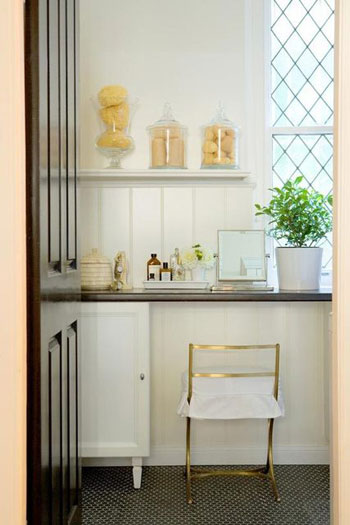
Sydney bathrooms have become places for material expression. Marble, terrazzo, handmade tile, skylights, curved mirrors, brass tapware, and walk-in showers often appear in high-end renovations. But the most impressive bathrooms are not simply expensive; they are smart. They use light well access, compact planning, hidden storage, and durable finishes to make small spaces feel calm and efficient.
Wet rooms and open showers can work especially well when waterproofing, drainage, and ventilation are properly planned. Natural light transforms the mood, even in a tiny bathroom. A skylight over a shower can make the morning routine feel cinematic, which is helpful because most people are otherwise not giving award-winning performances before coffee.
Color: Sydney Neutrals Are Not Boring
When people hear “neutral palette,” they may picture beige behaving badly. Sydney interiors prove neutrals can be rich, layered, and full of life. Warm whites, sandy tones, limestone, pale gray, olive, clay, tobacco, charcoal, and soft green all connect beautifully to the local environment. These colors echo sandstone, eucalyptus, harbor water, coastal paths, and sun-faded architecture.
That said, Sydney homes are not afraid of color. Tropical modernist interiors may use coral, cobalt, emerald, or mustard. Artist homes may celebrate pattern and playful contrast. Traditional homes may add deep blue libraries, green kitchens, or terracotta bathrooms. The trick is to let color support the architecture rather than fight it in the hallway like two cats in a laundry basket.
Materials That Make the Home Feel Grounded
Natural materials are central to a stunning Sydney house tour. Timber floors soften modern lines. Stone counters bring permanence. Brick walls add texture. Concrete can feel cool and sculptural when balanced with art, rugs, upholstery, and greenery. Woven shades, linen curtains, leather chairs, ceramic lamps, and handmade tiles introduce tactile variation.
This mix matters because many Sydney homes are designed around strong sunlight. Flat, glossy surfaces can feel harsh under bright conditions. Texture absorbs and softens light, giving rooms more depth. It also makes interiors age gracefully. A timber table with a few marks tells a better story than a flawless surface everyone is afraid to breathe near.
Small-Space Lessons From Sydney Terraces
Some of the smartest ideas in Sydney design come from tight spaces. Narrow terraces force every inch to earn its keep. Stairs may include storage. Dining benches may tuck under windows. Kitchens may extend vertically with tall cabinetry. Courtyards may double as light sources, outdoor rooms, and privacy buffers. A compact home can feel generous when the plan is clear and the eye has somewhere pleasant to travel.
One useful lesson is to avoid filling every wall. Negative space is not wasted space; it lets beautiful details breathe. Another lesson is to connect rooms visually. A glimpse of greenery from the hallway, a skylight over the stair, or a long view from the front door to the courtyard can make a home feel more expansive than its square footage suggests.
Outdoor Spaces: Not an Afterthought, Not a Folding Chair Zone
A stunning Sydney house tour treats the outdoor area like a real room. Whether it is a balcony, courtyard, deck, patio, or garden, the space has purpose. It may be arranged for morning coffee, family meals, reading, entertaining, or cooling off after a beach day. Furniture is durable but comfortable. Planting provides privacy and softness. Lighting allows the space to work after sunset.
The best outdoor spaces are not overdesigned. A small table, two comfortable chairs, a potted citrus tree, and warm lighting can be enough. In larger homes, outdoor kitchens, built-in seating, pergolas, and pools may appear, but the principle is the same: the outdoor room should feel connected to the home’s interior style. When the transition is seamless, the house feels larger, calmer, and more useful.
What Makes a Sydney House Truly Stunning?
A stunning Sydney house is not defined by price, size, or how many times someone says “bespoke.” It is defined by how well the home responds to its place. Does it capture light? Does it welcome breeze? Does it respect its history? Does it offer privacy in a dense neighborhood? Does it connect daily life to nature? Does it feel personal rather than performed?
The most memorable Sydney house tours answer yes to those questions. They show that good design is not just decoration. It is problem-solving with better lighting. It is heritage handled with respect. It is a kitchen that works during a party and a hallway that no longer feels like a mysterious Victorian punishment. It is a home that understands beauty and function are not enemies; they are roommates who finally labeled the pantry.
Design Ideas to Borrow From a Stunning Sydney House Tour
1. Add Light From Above
Skylights, clerestory windows, and light wells can transform dark interior zones. Even one carefully placed source of overhead light can make a hallway, stairwell, or bathroom feel dramatically better.
2. Connect the Kitchen to the Outdoors
If a full wall of glass is not possible, consider larger doors, a pass-through window, matching floor materials, or a strong visual connection to planting. The goal is to make the kitchen feel less boxed in and more connected to daily living.
3. Keep Heritage Features, Then Edit Around Them
Original details add depth. Instead of stripping everything away, restore the strongest features and pair them with clean modern elements. Contrast is often more interesting than imitation.
4. Use Natural Materials Generously
Timber, stone, brick, ceramic, linen, and woven textures bring warmth to contemporary spaces. They also help a home feel grounded, especially when the architecture includes large windows or concrete surfaces.
5. Make Outdoor Areas Comfortable
A balcony or courtyard becomes useful when it has a clear purpose, durable seating, greenery, shade, and lighting. Treat it like a room, not a leftover rectangle with weather exposure.
Experience Notes: What Touring a Stunning Sydney House Feels Like
The experience of walking through a stunning Sydney house is different from scrolling through photos. Online, you notice the marble, the sofa, the art, and the perfect bowl of lemons that looks as if it has never known grocery-store stickers. In person, you notice movement. You feel how the air travels through the hallway. You see how sunlight shifts across the floor. You understand why the architect placed a courtyard exactly where the old plan once felt darkest.
The first emotional moment often happens near the transition from old to new. You may begin in a traditional front room with high ceilings, a fireplace, and preserved trim. It feels gracious and familiar. Then you walk toward the rear and the house suddenly opens into a modern kitchen and living area washed with light. The ceiling rises. The garden appears. The mood changes from formal to relaxed, almost as if the home has taken off its blazer and found excellent linen pants.
Another powerful experience is the sound of the house. In a well-designed indoor-outdoor space, the garden is not silent decoration. Leaves move. Birds pass through. Distant city noise softens behind planting and walls. When glass doors slide open, conversations expand naturally. Guests drift outside without needing instructions. The house supports social life instead of forcing everyone to gather awkwardly around one overloaded snack table.
Touring a Sydney terrace also teaches humility. From the street, many homes look narrow and modest. Inside, clever planning makes them feel surprisingly generous. You begin to appreciate small details: a stair landing that catches light, a built-in bench that saves space, a bathroom tucked neatly under a roofline, a courtyard that brings sky into the middle of the plan. These moves are not always loud, but they are deeply satisfying. They are the design equivalent of finding an extra fry at the bottom of the bag.
The most memorable part of the tour is usually not the most expensive feature. It might be the way a dining table sits beside sliding doors, ready for a breezy dinner. It might be a quiet bedroom with linen curtains moving slightly in the afternoon air. It might be a patch of sunlight on old timber boards. A stunning Sydney house reminds you that luxury is not only about rare materials or custom finishes. Luxury is a home that makes ordinary moments feel easier, brighter, and more connected to the world outside.
By the end of the tour, you may leave with a dangerous number of ideas. You may want a skylight, a courtyard, a better balcony, a stone island, or a garden wall immediately. But the deeper lesson is more useful: design should respond to real life. A beautiful home is not a frozen display. It is a flexible, breathable, personal place where architecture, landscape, and daily routines work together. Sydney just happens to make that lesson look especially good in natural light.
Conclusion
A stunning Sydney house tour is more than a look inside a beautiful property. It is a master class in light, space, history, and relaxed sophistication. From restored Victorian terraces to bold waterfront homes, Sydney design shows how architecture can honor the past while creating fresh, functional spaces for modern living. The best homes do not simply chase trends. They use courtyards, garden rooms, natural materials, expressive interiors, and indoor-outdoor connections to create places that feel alive.
Whether you live in a compact city apartment, a narrow row house, or a suburban home with an underused patio, there is something to learn from Sydney’s approach. Bring in more daylight. Let rooms connect to greenery. Choose materials that age well. Keep the details that tell a story. And above all, design for the way people actually livemessy breakfasts, long dinners, quiet mornings, and the occasional dramatic declaration that the kitchen island has changed your life.

