
Body Care
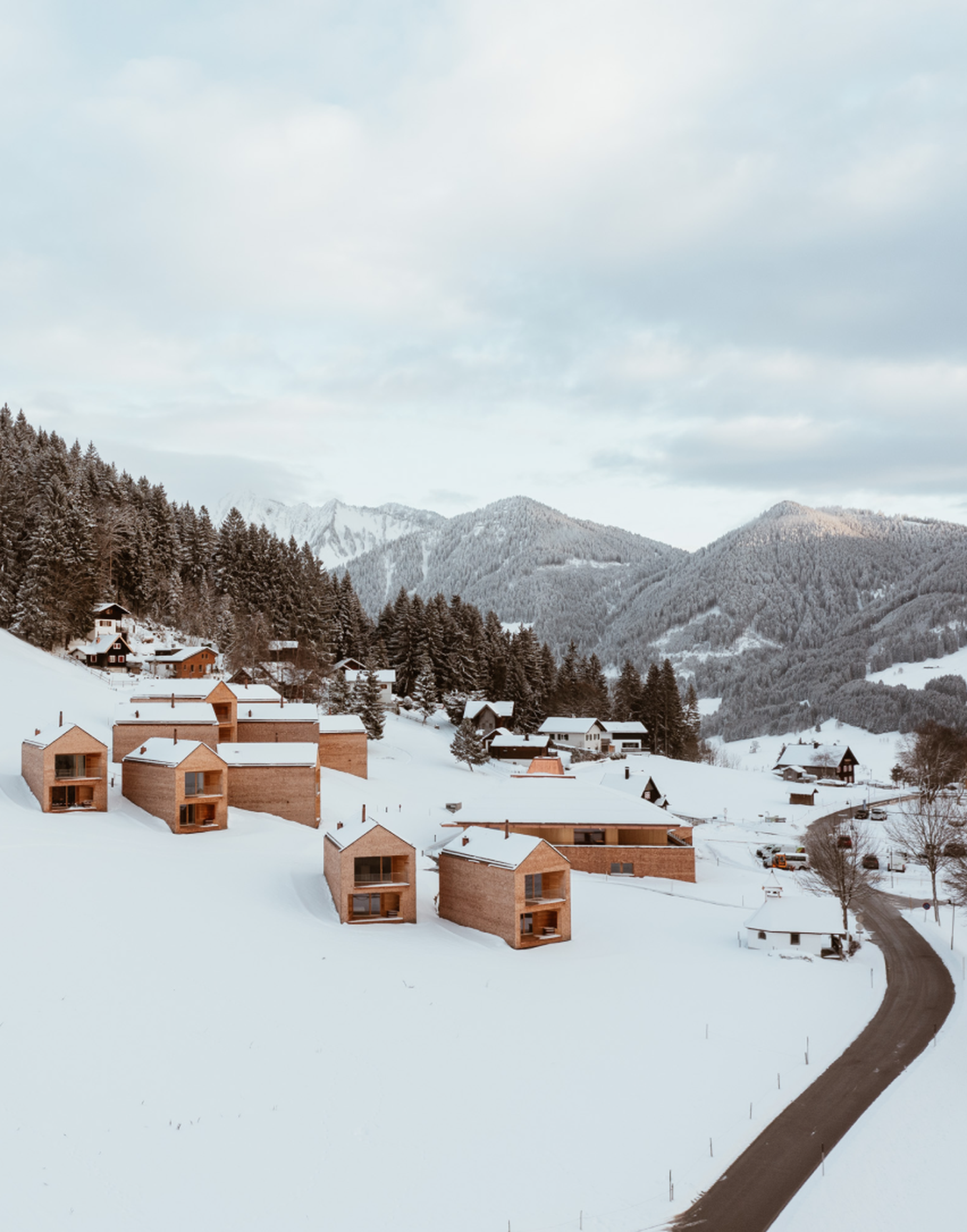
A Mind of Winter: Snug Chalets in Austria (Saunas Included)
Jun
Winter in Austria does not merely arrive; it makes an entrance. Snow settles on timber roofs like powdered sugar on a holiday pastry, church bells drift across valleys, and somewhere behind a carved wooden door, a sauna is patiently waiting to turn your frozen toes back into useful citizens. For travelers who want the Alps without the icy drama of “character-building discomfort,” Austrian chalets with saunas offer the perfect compromise: mountain adventure by day, robe-and-slippers civilization by night.
The phrase “a mind of winter” sounds literary, but in Austria it becomes practical. It means learning to appreciate quiet mornings, slow snowfalls, hearty meals, heated boot rooms, and the deeply sensible idea that every ski day should end in steam. Whether you are dreaming of a romantic hideaway in Tyrol, a family ski-in/ski-out lodge in Salzburger Land, a design-forward chalet in Lech, or a wellness base near Zell am See, Austria has mastered the art of winter comfort. The country’s alpine villages are not trying to out-glitter every luxury destination on the planet. Their magic is warmer, woodier, and much better at making you say, “Maybe I do need a private sauna.”
Why Austria Is Built for Cozy Winter Chalet Travel
Austria is one of Europe’s great winter destinations because it combines serious mountain infrastructure with a relaxed village atmosphere. The Austrian Alps stretch through regions such as Tyrol, Salzburg, Vorarlberg, Styria, and Carinthia, creating a broad range of ski towns, family resorts, glacier areas, cross-country routes, winter hiking trails, and wellness retreats. Unlike destinations where winter means choosing between sport and spa, Austria often puts both within a few snowy steps of your chalet door.
The chalet culture here feels especially appealing because it blends independence with comfort. A snug Austrian chalet may include a full kitchen, dining space, fireplace or tiled stove, ski storage, boot warmers, balcony views, andmost importantly for the spiritually frozena sauna. Some chalets offer private wellness areas with a Finnish sauna, infrared cabin, steam bath, hot tub, or outdoor plunge option. Others sit inside resort villages where guests can use a shared spa, indoor pool, relaxation lounge, or panoramic sauna complex. Either way, the message is clear: winter is welcome, but it is not allowed to win.
The Chalet-Sauna Formula: Why It Works So Well
A ski hotel can be wonderful, but a chalet gives winter travel a different rhythm. You can wake up slowly, make coffee while the mountains turn pink, organize everyone’s gloves without performing hallway acrobatics, and return after a day outside to your own warm space. For couples, it feels private and cinematic. For families, it feels practical. For groups of friends, it becomes the headquarters for snow reports, soup experiments, and at least one person insisting they “could have gone pro” after surviving a blue run.
The sauna is not just a luxury add-on; it is part of the Austrian winter lifestyle. After skiing, snowshoeing, sledding, or wandering through a village Christmas market, heat therapy helps the body unwind and the mind slow down. A sauna session followed by a cool shower, a robe, and a quiet lounge chair is basically the Alpine version of pressing a reset button. Add a mountain view, and suddenly your inbox feels like something that happened to another person in another century.
Best Austrian Regions for Snug Chalets With Saunas
Tyrol: Classic Alpine Drama and Big Ski Energy
Tyrol is the Austria many travelers imagine first: steep valleys, wooden balconies, high peaks, and ski villages that look like they were designed by someone with excellent taste in snow globes. St. Anton am Arlberg is famous for challenging skiing, lively après-ski, and access to the vast Arlberg ski area. Lech and Zürs deliver a softer kind of luxury, with refined hotels, elegant chalets, broad pistes, and a polished village feel. The Zillertal, Alpbachtal, Stubai, and Ötztal areas offer everything from family-friendly ski bases to glacier skiing and modern wellness hotels.
For chalet seekers, Tyrol is excellent because the region has a wide variety of lodging styles. You can find rustic mountain huts, contemporary chalets with glass walls and private saunas, serviced apartments, and slope-adjacent lodges. Many properties understand exactly what winter travelers need: drying space, gear storage, easy lift access, and a hot place to sit while pretending your legs are not made of fondue.
Salzburger Land: Snow, Music, Lakes, and Spa Culture
Salzburger Land brings together alpine scenery, cultural charm, and winter wellness in a way that feels both active and restorative. Zell am See-Kaprun is a strong choice for travelers who want skiing, lake views, glacier access, winter hiking, and public spa options. The Kitzsteinhorn glacier adds high-altitude appeal, while Zell am See’s historic center gives non-skiers plenty to enjoy. Nearby spa complexes, hotel wellness areas, and chalet resorts make it easy to combine slope time with sauna time.
Leogang and Saalfelden are also excellent for a cozy winter escape. Leogang connects into the Skicircus Saalbach Hinterglemm Leogang Fieberbrunn, one of Austria’s major ski areas, but it also has a gentler, design-conscious side. Premium chalet resorts in this area often emphasize natural materials, privacy, panoramic views, and wellness features such as saunas, hot tubs, and outdoor relaxation spaces. Salzburg city is close enough for a pre- or post-chalet cultural stop, which means you can balance mountain silence with Mozart, pastry, and the kind of old-town stroll that makes your camera feel overworked.
Vorarlberg: Design, Tradition, and Quiet Luxury
Vorarlberg, Austria’s westernmost state, is a dream for travelers who like architecture, craftsmanship, and understated luxury. The region is known for combining traditional alpine building with modern design, especially in areas such as the Bregenzerwald and around Lech-Zürs. Chalets here may feel less like decorative ski lodges and more like thoughtful retreats: clean lines, warm timber, big windows, wool blankets, and wellness spaces that respect the landscape rather than shouting over it.
This is a great region for travelers who want beauty without noise. Winter hiking, cross-country skiing, village dining, and scenic lift rides can be just as rewarding as downhill skiing. A sauna here feels especially appropriate because the whole design philosophy seems to say, “Please stop rushing. Also, sit somewhere warm.”
Styria and Carinthia: Space, Nature, and Softer Winter Rhythms
Styria and Carinthia offer a slightly different winter mood. You still get mountains, snow, and ski areas, but the pace can feel more spacious and nature-focused. Schladming in Styria is a well-known ski destination with strong lift infrastructure, mountain huts, and spa-friendly hotels. Turracher Höhe, positioned between Styria and Carinthia, offers high-altitude winter scenery, lake plateau charm, skiing, sledding, and chalet-style accommodations.
Carinthia’s appeal grows for travelers who want winter activities beyond downhill skiing. Lakes, thermal traditions, winter walking trails, and family-friendly resorts make it a good choice for mixed groups. Not everyone wants to spend six hours a day on skis. Some people want to walk in the snow, drink hot chocolate, read by a window, and then use the sauna like a person who has cracked the code of civilization.
What to Look for in an Austrian Chalet With a Sauna
Choosing the right chalet is less about finding the fanciest property and more about matching the lodging to your winter style. A private sauna is wonderful for couples and families who value flexibility. You can use it after dinner, after skiing, or after the dramatic event known as “walking uphill in ski boots.” Shared spa access may be better for travelers who want more facilities: pools, steam rooms, relaxation lounges, massage rooms, and outdoor whirlpools.
Location matters too. Ski-in/ski-out chalets are ideal for committed skiers because they reduce transportation friction. You step outside, clip in, and go. Chalets near village centers are better for travelers who want restaurants, bakeries, shops, ski schools, and evening strolls. Remote chalets offer romance and silence, but they may require a car or shuttle. Be honest with yourself. If your group considers a five-minute walk to dinner a polar expedition, book accordingly.
Other useful features include heated boot racks, laundry facilities, a well-equipped kitchen, grocery delivery, parking, EV charging, child-friendly layouts, and flexible sleeping arrangements. A fireplace is lovely, but a good drying room is the unsung hero of winter travel. Wet gloves have destroyed more vacation morale than anyone wants to admit.
Austrian Sauna Etiquette: What First-Time Visitors Should Know
Austria takes sauna culture seriously, but not stiffly. The core idea is hygiene, relaxation, and respect for others. In many Austrian saunas, especially in wellness hotels and spa areas, sauna rooms are textile-free unless otherwise stated. This can surprise visitors from the United States, where swimsuits are often expected. In Austria, swimwear may be discouraged or not allowed in certain sauna zones because saunas are treated as clean, quiet wellness spaces rather than pool parties with extra steam.
The usual routine is simple: shower before entering, sit or lie on a towel so your skin does not touch the wooden bench, keep conversations low, hydrate, and avoid turning the sauna into a competitive sport. More heat does not mean more heroism. If you feel lightheaded, leave and cool down. In relaxation areas, bathrobes and towels are normal. Many hotels explain their rules clearly, and family-friendly properties may have textile sauna hours or separate areas. When in doubt, ask the staff. They have heard every nervous tourist question already, including the one you are currently rehearsing in your head.
Beyond Skiing: What to Do During a Chalet Winter Holiday
Austria is fantastic for skiing, but a chalet holiday should not be reduced to lift tickets alone. Winter hiking trails are common in alpine regions and often lead through forests, across snowy meadows, or toward mountain huts serving soup, dumplings, and desserts that make moderation seem rude. Snowshoeing is a peaceful option for travelers who want quiet landscapes without the speed of downhill skiing. Tobogganing, ice skating, horse-drawn sleigh rides, and scenic gondola trips are widely available in many resort areas.
Food is part of the experience. Expect hearty alpine dishes such as käsespätzle, schnitzel, goulash soup, dumplings, apple strudel, and Kaiserschmarrn, a shredded pancake dessert that tastes like winter decided to apologize for the cold. Chalet stays make meals flexible. You can cook simple breakfasts, pack snacks, enjoy lunch at a mountain hut, and splurge on a traditional dinner in the village. Some luxury chalets even offer catered options, private chefs, or breakfast delivery, which is dangerously easy to get used to.
How to Plan the Perfect Austrian Winter Chalet Trip
Choose Your Travel Personality First
Before picking a chalet, decide what kind of winter traveler you are. Serious skiers should prioritize lift access, snow reliability, terrain variety, and ski storage. Families may care more about ski schools, gentle slopes, sledding, indoor pools, and short walking distances. Couples might prefer private saunas, mountain views, fireplaces, and quiet villages. Groups need enough bathrooms, dining space, and clear house rules, because nothing tests friendship like eight adults and one tiny drying rack.
Book Early for Peak Winter Weeks
Christmas, New Year, February school breaks, and major ski-event periods can book out early, especially in popular regions like Arlberg, Kitzbühel, Zell am See-Kaprun, Saalbach, and Schladming. If you want a private sauna, ski-in/ski-out location, or larger chalet for a group, plan ahead. Shoulder periods can offer better value, particularly early December, parts of January after the holidays, and March depending on snow conditions and altitude.
Think About Transportation
Austria has strong rail connections, and many ski regions can be reached by train plus local shuttle or taxi. Innsbruck, Salzburg, Munich, and Vienna are common gateways depending on your destination. A car can be useful for remote chalets, grocery runs, and multi-village exploring, but it is not always necessary. In snowy regions, check winter tire requirements and parking details before booking. A chalet with “romantic hillside access” may sound charming until you are dragging luggage uphill while snowflakes attack your eyelashes.
Specific Chalet Styles Worth Considering
The Romantic Hideaway
This is the small timber chalet with a private sauna, mountain-view terrace, fireplace, and just enough kitchen space for breakfast, coffee, and late-night cheese decisions. It works best near villages like Alpbach, Lech, Maria Alm, or parts of the Bregenzerwald where beauty comes with quiet. Choose this style if your dream itinerary involves slow mornings, scenic walks, spa time, and dinner reservations rather than maximum vertical drop.
The Family Base Camp
A family chalet should be practical first and adorable second. Look for multiple bedrooms, easy parking, ski school access, laundry, a full kitchen, nearby supermarkets, and activities for non-ski days. Regions such as Zell am See-Kaprun, Serfaus-Fiss-Ladis, Saalbach-Hinterglemm, Schladming, and Nassfeld can work well depending on your budget and preferred atmosphere. A sauna is a bonus for adults after bedtime, also known as the sacred hour when the chalet becomes quiet enough to hear your own thoughts.
The Luxury Wellness Chalet
For travelers who want the full Alpine fantasy, Austria offers chalets with private spa suites, outdoor hot tubs, pools, steam rooms, treatment areas, wine cellars, cinema rooms, and concierge services. St. Anton, Lech, Kitzbühel, Leogang, and select Salzburg-region resorts are strong candidates. These properties can be expensive, but for milestone birthdays, winter honeymoons, or group splurges, they deliver the rare feeling that snow is happening for decorative purposes only.
Experience Section: Living the “Mind of Winter” in an Austrian Chalet
The first thing you notice in a snug Austrian chalet is the quiet. Not empty quiet, but layered quiet: snow on the roof, wood settling in the walls, a distant lift humming somewhere above the village, the soft clink of mugs in the kitchen. Morning begins without hurry. Someone makes coffee. Someone else opens the curtains and announces the snowfall like a weather reporter with a personal stake in beauty. Outside, the mountains look close enough to touch, though your warm socks strongly advise against rushing.
A good chalet changes the way winter feels. Instead of battling the cold, you negotiate with it. You step outside for skiing, walking, sledding, or bakery reconnaissance, knowing that warmth is waiting. The day develops in chapters. First comes the cold-blue morning, when the air feels sharp and clean. Then the bright middle of the day, when slopes sparkle and mountain huts smell like soup, melted cheese, and excellent life choices. By late afternoon, everyone returns with red cheeks, tired legs, and heroic stories that may or may not match reality.
Then comes the sauna, the secret engine of the entire holiday. You shower, sit on a towel, breathe slowly, and feel the mountain day loosen its grip. The heat is dry and steady. Conversation fades. Nobody needs to perform. Nobody needs to check a phone. The body simply realizes it is safe, warm, and no longer responsible for steering skis around small children in neon helmets. After cooling down, you wrap yourself in a robe and sit near a window while snow gathers on the balcony rail. This is the moment Austria does better than almost anywhere: the transition from outdoor exhilaration to indoor peace.
Evenings in a chalet are delightfully human. Boots dry by the door. Gloves migrate to strange places. Someone cooks pasta because the group has temporarily become “simple rustic people,” despite using four devices to choose the recipe. A bottle of Austrian wine appears. A board game begins with friendly rules and ends with accusations. Outside, the village lights glow against the snow. If the chalet has a fireplace, everyone stares at it as though it might reveal the meaning of life, or at least the location of the missing ski sock.
The best part is that a chalet holiday does not demand perfection. Bad weather becomes a spa day. Tired legs become a reading afternoon. A missed lift becomes an excuse for strudel. The sauna gives structure to the softness of the trip, turning every day into a cycle of cold, warmth, movement, rest, appetite, and sleep. That is the true mind of winter: not conquering the season, but letting it slow you down until comfort feels like an achievement. Austria’s snug chalets understand this perfectly. They do not shout luxury. They whisper it through warm wood, clean sheets, mountain air, and the blessed hiss of water meeting hot stones.
Final Thoughts: The Austrian Chalet Is Winter’s Best Argument
Austrian chalets with saunas are not just places to stay; they are winter strategies. They solve the central problem of cold-weather travel by making the cold worthwhile. You go outside because the mountains are magnificent. You come back inside because the chalet is irresistible. Between those two pleasures lies the entire appeal of an Austrian winter escape.
For skiers, Austria offers world-class terrain, efficient lifts, and villages with real character. For non-skiers, it offers snowy walks, thermal spas, scenic gondolas, charming towns, hearty food, and slow evenings wrapped in wool. For anyone who has ever looked at winter and thought, “Beautiful, but absolutely not without a sauna,” Austria is ready. Pack layers, respect sauna etiquette, book the chalet that matches your travel style, and prepare to discover that snow is much friendlier when viewed from a warm wooden room.
Note: This article is based on synthesized current travel information from official Austrian tourism resources, established U.S. travel publications, resort guidance, and reputable winter travel references. It has been fully rewritten as original SEO content for web publication.

