
Beauty Unlocked
A Couple And Their 31 Four-Legged Family Members Found A Home After Their Video Asking For Help Went Viral
Aug
If you’ve ever tried renting with a pet, you already know the routine: you politely ask, the landlord politely smiles,
and then your application mysteriously “vanishes into the void.” Now imagine doing that with 31 animals.
Not 31 “I have a pet rock” pets. Thirty-one warm, wiggly, whiskered, hoofed, real family members who eat, sleep,
need vet visits, and occasionally look at you like you’ve personally offended them by serving kibble that’s not the “good” kibble.
That was the reality for Guillermo and René, a couple who built their life around animalsand then faced a curveball:
a job opportunity that required moving far from the countryside home they’d rented for years. The problem wasn’t the move itself.
The problem was the part where most listings basically translate to: “No pets. No big pets. No joyful pets. No pets that breathe.”
So they tried something that feels very 2026: they made a video. Not a flashy production. Not a “smash that like button” moment.
Just a clear, human plea explaining their situation, their responsibilities, and their refusal to abandon the animals that depended on them.
The internet did what it sometimes does bestshowed upand the video went viral. Within a short time, they found a landlord willing to say yes
to the whole squad.
The Backstory: How 31 Animals Became “The Kids”
Big pet families don’t usually happen because someone woke up and thought, “You know what this kitchen needs? Two goats.”
More often, it starts with one animal, one decision, and a lot of compassion that keeps expanding.
It started small, then the love snowballed
For Guillermo and René, it began with a first dogthen a companion dogthen a growing pattern of adopting animals other people could no longer keep.
Adult dogs, mixed breeds, different sizes, different histories. The kind of pets that don’t always get picked first, but often love the hardest.
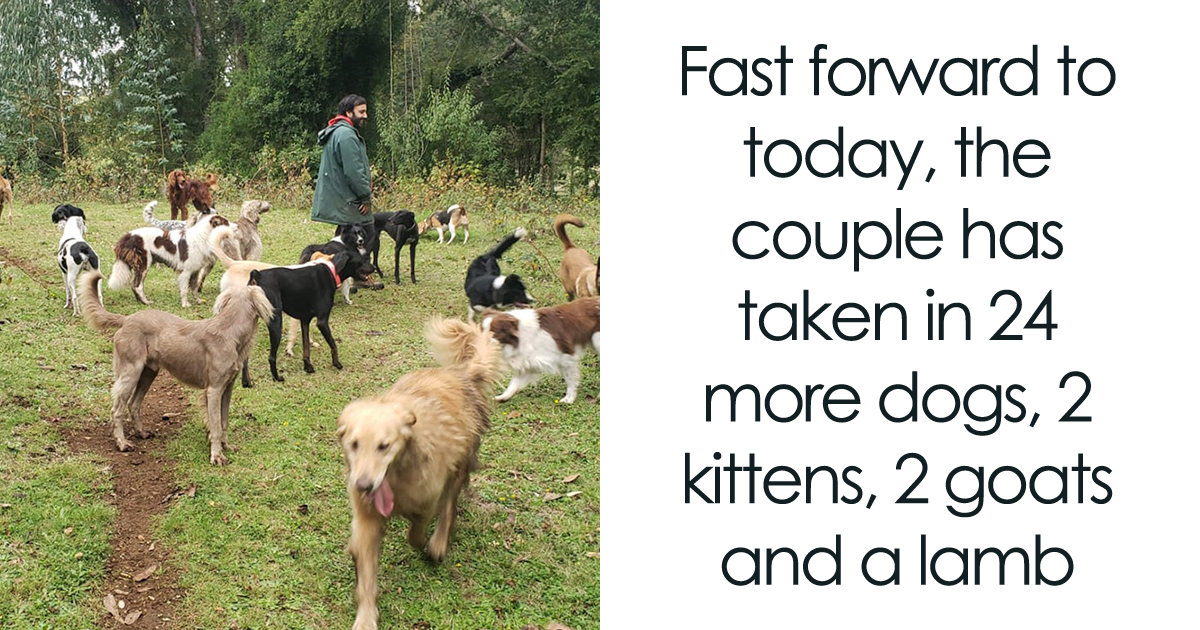
Eventually, their “four-legged family” became an actual mini-community: dogs, kittens, goats, and a lamb. That variety matters.
Anyone who’s cared for multiple species knows you’re not just scaling up the same routineyou’re running a small, highly opinionated ecosystem.
Life with a large animal family is logistics + love
With a multi-pet household, the day isn’t divided into “work and leisure.” It’s more like:
feeding, cleaning, exercise, enrichment, training refreshers, vet calendar, repeatplus all the normal human stuff like jobs and sleep.
Responsible care means vaccinations, parasite prevention, hygiene, safe containment, and budgeting for surprises (because pets love surprises,
just not the kind that involve thunder or nail trims).
This is also where public perception can get tricky. People hear “31 animals” and instantly picture chaos. But the line between a loving
large household and an unsafe situation isn’t the numberit’s the standard of care: health, space, cleanliness, behavior management,
and consistent resources.
The Housing Problem: Why “Pet-Friendly” Often Means “Pet-Complicated”
Guillermo and René’s challenge was extreme, but the underlying issue is painfully common: rental housing and pets don’t always get along.
In the U.S., renters often face pet deposits, monthly pet rent, weight limits, breed restrictions, and caps on how many animals are allowed.
Even listings labeled “pet-friendly” can come with policies that quietly exclude most real-life pet owners.
Landlords worry about damage, noise, and liability (sometimes fairly, sometimes not)
Property owners typically think about risk: scratched floors, chewed trim, odors, neighbor complaints. Those concerns are not imaginary.
But they can also be addressedespecially when pet owners show evidence of training, preventive care, and good routines.
The bigger issue is that many policies are blunt instruments. A dog is treated like a stereotype instead of an individual.
A household is judged by “pet count” instead of “pet management.” And families who treat pets as family members are pushed into impossible choices.
“Don’t abandon them” is easy adviceuntil housing says “then be homeless”
Animal welfare organizations in the U.S. regularly emphasize keeping pets and families together. They also acknowledge the reality:
housing instability is one of the biggest reasons pets are surrendered or rehomed. When people can’t find rentals that accept animalsor can’t afford
the extra feespets pay the price.
This is why Guillermo and René’s story hits so hard. It’s not only sweetit’s a spotlight on a pressure point a lot of people quietly live with.
The Video That Worked: What Made Their Ask So Powerful
Going viral is part luck, part timing, part algorithm, and part emotional clarity. But their video also worked because it communicated
a few things landlords and communities actually need to hear.
1) They were clear about the problem (and the solution)
They weren’t asking strangers to “fix everything.” They were looking for a rental that could accommodate their animals and their lifestyle.
That specificity matters. Vague requests are easy to ignore. Concrete needs invite concrete leads.
2) They framed the animals as familywithout being dramatic
The message wasn’t “feel sorry for us.” It was “this is our responsibility, and we’re honoring it.”
That kind of commitment is persuasive because it signals stability: these are people who follow through.
3) They showed proof of real care
Large pet families have receiptssometimes literally. Vet schedules, vaccination records, parasite prevention, feeding routines, safe fencing,
training habits, cleaning systems. When people can see a functioning, healthy setup, it reduces fear and increases trust.
A Practical Playbook: How to Find Housing When You Have Multiple Pets
Not everyone has a viral video. The good news: you don’t need one. You need a strategy that makes it easy for a landlord to say yes
(or at least, easier than saying no).
Create a “pet resume” (yes, it’s realand it works)
Animal welfare groups and adoption resources recommend building a pet resume that includes:
photos, training certificates, spay/neuter confirmation, vaccination status, temperament notes, and references from previous landlords or neighbors.
It sounds funny until it gets you an apartmentthen it sounds brilliant.
Offer a meet-and-greet
Many landlords fear the unknown. Meeting calm, trained pets can change the whole conversation. If you have multiple animals,
offer a structured intro: one or two at a time, leashed or crated as appropriate, with you demonstrating control and routines.
Put your responsibility on paper
- Vet letter confirming preventive care is up to date
- Proof of routine parasite prevention
- A simple plan for cleaning and waste management
- Noise and behavior plan (training refreshers, enrichment, exercise schedule)
- Insurance details if relevant for your situation
Budget honestly for pet-related housing costs
Even pet-friendly rentals often require a deposit and/or monthly pet rent. If you have multiple pets, those fees can stack fast.
Planning upfront prevents last-minute panic and helps you focus on listings you can actually sustain long-term.
Responsible Care at Scale: Health, Safety, and “How Do You Manage?”
A large pet household can be safe and thrivingbut only if preventive care and structure are non-negotiable.
Veterinary organizations emphasize that responsible ownership includes routine exams, vaccinations based on risk, parasite control,
nutrition and weight management, dental care, exercise, and mental stimulation.
Vaccines aren’t one-size-fits-all, but they are foundational
Modern guidelines commonly separate core vaccines (recommended for most pets) and non-core vaccines
(based on lifestyle and risk). The key is working with a veterinarian on individualized plansespecially when many animals share the same space,
because infectious diseases don’t RSVP before showing up.
Space, routines, and enrichment reduce conflict
When many animals live together, “good vibes” isn’t a management plan. Practical systems help:
- Zoning: separate areas for rest, feeding, play, and quiet decompression
- Consistent schedules: predictable routines reduce stress and behavior issues
- Training basics: recall, leash manners, crate comfort, and polite greetings
- Enrichment: puzzle feeders, sniff walks, rotation of toys, safe chew options
When the Internet Helps: Community Power Without the Fairy Tale
Stories like this can feel like a fairy tale: video goes up, miracle happens, everyone hugs, credits roll.
In reality, what “going viral” often does is unlock visibility. Visibility brings information:
a landlord with land, a friend-of-a-friend with a listing, a local lead someone forgot to post.
In recent years, U.S. media has highlighted how social platforms can drive real outcomes for animalslike boosting adoptions,
mobilizing fosters, or directing support to pet families under financial strain. The best versions of this trend aren’t about fame;
they’re about making it easier for communities to solve problems together.
Big Heart, Big Responsibility: The Ethical Side of Large Pet Families
Let’s say the quiet part out loud: “31 animals” can raise legitimate questions.
The ethical goal isn’t to normalize any specific number. It’s to normalize the idea that if you take animals in, you must provide
the resources to keep them safe, healthy, and emotionally well.
Responsible pet ownership guidelines emphasize long-term commitment, preventive health care, safe environments, and the understanding that
pet care requires time and money. Large households also need contingency planning: who helps in emergencies, what happens during illness,
how to evacuate, and how to keep identification and microchip information current.
Guillermo and René’s story resonated because it framed the animals as a lifelong commitmentwhile also being transparent that it takes real effort.
That honesty matters. Love is essential. Logistics make love sustainable.
Conclusion: The Real Takeaway Isn’t ViralIt’s Values
Guillermo and René didn’t “get lucky.” They demonstrated a value that a lot of people quietly share: pets aren’t accessories.
They’re family members. And family members don’t get left behind because the rental market is inconvenient.
Their viral video simply gave their community a chance to respondand it did. The bigger lesson is that pet-inclusive housing is not a niche luxury.
It’s part of what keeps families together, reduces shelter intake, and supports healthier communities. If we want fewer heartbreaking choices,
we need more realistic rental policies, more cooperative problem-solving, and more landlords willing to judge pet owners by responsibility,
not stereotypes.
And if you’re reading this while your own pet is staring at you like you’re late for dinnerdon’t worry. You are.
They told me. (They tell everyone.)
Experiences People Share After Moving With a Big Pet Family (Extra)
People who move with multiple pets often describe the experience as equal parts teamwork, exhaustion, and unexpected sweetness.
The first big lesson is that planning starts earlier than you think. With one pet, you might pack the night before and hope for the best.
With a whole crew, the move becomes a project: confirming vaccinations, arranging carriers, labeling supplies, stocking food and medications,
and creating a “first night” setup so animals aren’t wandering through boxes like tiny, judgmental moving inspectors.
A second shared experience is how quickly you learn which pet is the “manager.” In many multi-pet homes, there’s a dog or cat that
supervises every stepsitting in the doorway, tracking your movements, and clearly believing this relocation was not approved by the household committee.
Owners often say this pet becomes their emotional compass: if the manager settles, everyone else settles faster.
That’s why familiar bedding, favorite toys, and consistent routines matter so much during transitions.
Many people also talk about the landlord conversation as the hardest emotional hurdle.
Even responsible pet owners can feel embarrassed bringing up multiple animals, because they expect the “no” before they finish the sentence.
That’s why strategies like pet resumes, vet letters, and meet-and-greets feel empowering: they shift the conversation from “How many?”
to “How well cared for?” Families say that once a landlord sees calm behavior, clean documentation, and a realistic plan,
the discussion becomes more human and less fear-based.
Another common experience is discovering how much you rely on your support network.
Friends and neighbors who can hold leashes, help load supplies, or simply sit with pets in a quiet room become priceless.
Some families plan a “staggered move,” where a few animals relocate first, settle in a designated safe zone, and then the rest arrive.
This reduces stress and prevents that chaotic moment when every animal tries to claim the same patch of floor while movers carry a couch over their heads.
People who’ve done it also say the move teaches you to be brutally honest about capacity.
Caring for many animals is not just loveit’s budgets, vet appointments, cleaning, exercise, and contingency plans.
Families often come out of the experience with better systems: color-coded feeding bins, shared calendars for preventive care,
improved training routines, and an emergency kit that’s actually ready (not “ready” in the way that a junk drawer is “organized”).
The move forces structure, and structure makes the household calmer.
Finally, many multi-pet families describe a surprising moment of peace after everything is unpacked:
the animals choose their spots, naps happen again, routines return, and the home starts to feel like home.
That’s when people realize the deeper reason they worked so hardbecause the pets weren’t cargo.
They were the point. And when the whole family is together in the new place, it feels less like a move and more like a promise kept.

