
Skincare
Beef Tenderloin with Stuffing Recipe
Jul
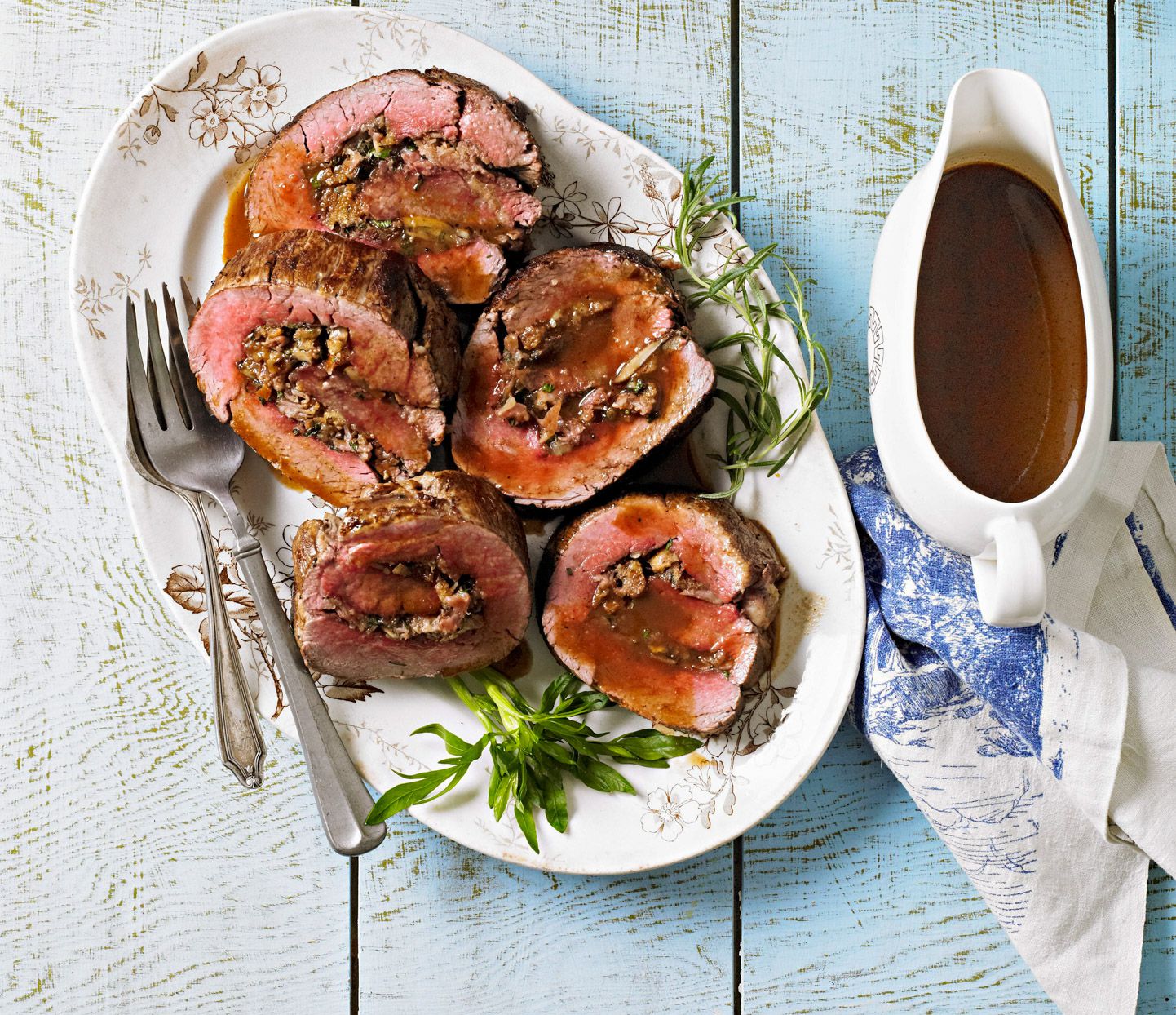
Beef tenderloin is the tuxedo of the meat case: expensive, elegant, and just dramatic enough to make everyone at the table sit up a little straighter. Add stuffing, and suddenly it stops being merely fancy and becomes a full-blown event. This beef tenderloin with stuffing recipe is built for holidays, birthdays, dinner parties, or any evening when you want the main course to do a little showing off.
The beauty of a stuffed beef tenderloin is that it solves tenderloin’s one tiny personality flaw: while it is incredibly tender, it can be milder in flavor than fattier cuts. That is where the stuffing struts in like a hero in a very buttery cape. A savory mix of mushrooms, shallots, garlic, herbs, breadcrumbs, and Parmesan gives the roast a richer, deeper flavor without overwhelming the beef. The result is juicy, sliceable, and impressive enough to make people assume you studied under a French chef named Henri. You do not need to correct them.
This version keeps things practical for real home cooks. It uses a center-cut beef tenderloin roast, a stuffing that is flavorful but not fussy, and a method that feels special without turning your kitchen into a culinary obstacle course. You will also get the important details: how to butterfly the roast, how to keep the filling from escaping like a jailbreak movie, how to roast it evenly, and what to do if you want a safer, easier, less stressful path to dinnertime glory.
Why This Beef Tenderloin with Stuffing Recipe Works
A great stuffed beef tenderloin needs balance. The beef should stay tender and juicy, while the filling should add flavor, texture, and aroma. Mushrooms bring earthy depth. Shallots and garlic add sweetness and punch. Fresh rosemary, thyme, and parsley keep the dish bright and holiday-ready. Breadcrumbs absorb the savory juices and help the stuffing hold together, while Parmesan adds salty richness.
There is also a practical reason this combination works so well: tenderloin is lean. That means it benefits from a stuffing with moisture and savory ingredients. Think of the filling as the roast’s hype squad. It makes the beef taste bigger, more complex, and more memorable.
This recipe also avoids one common problem with fancy roasts: overcomplication. You do not need foie gras, pastry, or a 14-step sauce reduction to make a beautiful centerpiece. You just need solid technique, a thermometer, and the confidence to tie kitchen twine like you absolutely know what you are doing.
Beef Tenderloin with Mushroom-Herb Stuffing
Serves: 6 to 8
Prep time: 35 minutes
Cook time: 35 to 45 minutes
Rest time: 10 to 15 minutes
Ingredients
- 1 center-cut beef tenderloin roast, 2 1/2 to 3 pounds, trimmed
- 2 tablespoons olive oil, plus more as needed
- 2 tablespoons unsalted butter
- 8 ounces cremini mushrooms, finely chopped
- 1 large shallot, finely chopped
- 3 cloves garlic, minced
- 1 tablespoon chopped fresh parsley
- 1 teaspoon chopped fresh rosemary
- 1 teaspoon chopped fresh thyme
- 3/4 cup fine breadcrumbs or crushed plain croutons
- 1/2 cup grated Parmesan cheese
- 4 thin slices prosciutto, chopped finely (optional, but excellent)
- 1 1/2 teaspoons kosher salt, divided
- 1 teaspoon black pepper, divided
- Kitchen twine
Optional for serving
- Horseradish cream
- Red wine mushroom sauce
- Roasted potatoes or mashed potatoes
- Green beans, asparagus, or a crisp salad
How to Make It
- Preheat the oven. Heat the oven to 425°F. Line a rimmed baking sheet with parchment or lightly oil a roasting pan.
- Make the stuffing. In a large skillet, melt the butter with 1 tablespoon olive oil over medium heat. Add the mushrooms and shallot. Cook for 6 to 8 minutes, stirring often, until the mushrooms release their moisture and the pan starts looking less swampy and more delicious. Add the garlic, parsley, rosemary, thyme, and optional prosciutto. Cook for 1 minute more. Stir in the breadcrumbs and Parmesan. Season with 1/2 teaspoon salt and 1/4 teaspoon pepper. Remove from the heat and let the stuffing cool until just warm.
- Butterfly the tenderloin. Place the beef on a cutting board. Using a sharp knife, cut lengthwise through the center of the roast, stopping about 1/2 inch before cutting all the way through. Open it like a book. If needed, cover with plastic wrap and gently pound it to an even thickness, about 1/2 to 3/4 inch. You want a rectangle, not a modern art experiment.
- Season the beef. Rub the inside of the tenderloin with 1 tablespoon olive oil. Sprinkle with the remaining salt and pepper.
- Fill and roll. Spread the stuffing evenly over the beef, leaving a 1/2-inch border around the edges so the filling does not stage a dramatic escape. Starting from one long side, roll the tenderloin tightly into a log.
- Tie it up. Use kitchen twine to tie the roast at 1 1/2- to 2-inch intervals. Tuck in any loose stuffing. Brush the outside lightly with the remaining olive oil.
- Sear for flavor. Heat a large oven-safe skillet over medium-high heat with a small drizzle of oil. Sear the roast for 1 to 2 minutes per side until browned all over. This step adds color and flavor, and it makes the roast look like it has its life together.
- Roast. Transfer the skillet or roast to the oven. Roast for 25 to 35 minutes, checking with an instant-read thermometer. Because this is a stuffed roast, check both the center of the beef and the center of the stuffing.
- Rest before slicing. Remove the roast from the oven when the beef reaches at least 145°F and the stuffing reaches 165°F. Let it rest for 10 to 15 minutes before snipping off the twine and slicing into thick rounds.
- Serve. Arrange on a platter and spoon over any pan juices. Serve with horseradish cream, mushroom sauce, or both if you believe in abundance.
Important Doneness Notes
Here is the honest kitchen truth: a beef tenderloin roast is often served rosy in the center, but a truly stuffed roast must be cooked with the filling in mind too. The center of the stuffing should reach 165°F. That means this dish will usually land closer to medium than rare. It is still tender, flavorful, and absolutely worth making, but it is not the best recipe for someone chasing ultra-rare slices.
If you want the beef more pink, use the same mushroom-herb mixture as a side dish instead of stuffing the roast. Spoon it over sliced tenderloin or serve it beneath the meat. You still get all the flavor, but with more control over doneness. That is not cheating. That is strategy.
Best Tips for a Perfect Stuffed Beef Tenderloin
1. Start with a center-cut roast
The center-cut portion is the most evenly shaped, which makes it easier to butterfly, roll, tie, and roast. An uneven roast cooks unevenly, and nobody wants one end saying “holiday masterpiece” while the other says “kitchen mystery.”
2. Cool the stuffing before rolling
Warm is fine. Hot is not. If the filling is too hot, it can start cooking the beef unevenly and make the roast harder to tie.
3. Chop the filling finely
Chunky stuffing makes rolling harder and slicing messier. Finely chopped mushrooms and shallots create a neater swirl and better texture.
4. Do not overstuff
More filling sounds romantic until it starts leaking out the sides like a suitcase that lost an argument. A thin, even layer works best.
5. Use a thermometer
This is not the moment for guesswork, vibes, or poking the roast and hoping your ancestors whisper the answer. A digital instant-read thermometer is the real MVP here.
Flavor Variations You Can Try
Once you understand the method, this beef tenderloin with stuffing recipe becomes wonderfully adaptable. Here are a few great directions:
- Spinach and mushroom stuffing: Add squeezed-dry cooked spinach for a steakhouse-style feel.
- Holiday fruit and herb stuffing: Mix in chopped dried cranberries, dates, or apricots with toasted almonds for a sweet-savory version.
- Bacon-wrapped tenderloin: Wrap the tied roast in bacon before roasting for extra richness and a little dramatic flair.
- Blue cheese stuffing: Add a small amount of blue cheese or goat cheese for a bolder flavor.
- Prosciutto layer: Lay thin slices of prosciutto over the butterflied beef before adding the stuffing for another savory boost.
What to Serve with Beef Tenderloin and Stuffing
This roast is rich, savory, and special, so side dishes should support it without turning dinner into a food traffic jam. Roasted potatoes, mashed potatoes, or a silky parsnip puree all work beautifully. For vegetables, choose something with freshness and structure, like green beans, roasted carrots, asparagus, or Brussels sprouts. A crisp salad with a mustardy vinaigrette is also a smart move if the table is starting to lean heavy.
Sauce is optional, but strongly encouraged. Horseradish cream is classic because its sharpness cuts through the richness. A red wine mushroom sauce is also excellent if you want the whole meal to feel a little more candlelight-and-linen-napkin.
Common Mistakes to Avoid
One of the biggest mistakes is not trimming silver skin. That tough connective tissue does not melt away during roasting, so remove it before you begin. Another issue is underseasoning. Tenderloin is delicate, not aggressively beefy, so salt and pepper matter more than people think.
Skipping the rest time is another classic blunder. A roast fresh from the oven is full of hot juices that need a few minutes to settle down. Slice too soon, and your cutting board becomes a puddle with opinions.
Finally, do not ignore food safety with stuffed meat. Refrigerate the meat properly, marinate or prep it in the fridge, and chill leftovers promptly. Fancy food still follows regular rules. In fact, fancy food is usually just regular food wearing better shoes.
Storage and Reheating
Leftover stuffed tenderloin should be cooled and refrigerated within 2 hours. Store slices in an airtight container for up to 3 to 4 days. For the best texture, reheat gently in a covered baking dish with a splash of broth, or warm slices in a skillet over low heat. Microwave reheating works in a pinch, but go gently unless your goal is “expensive beef, now with chew.”
You can also serve leftovers cold or room temperature in sandwiches with arugula and horseradish mayo. That may not be traditional, but it is absolutely the kind of lunch that makes people in the office kitchen suspiciously interested in your life choices.
Experiences, Lessons, and Little Triumphs from Making Beef Tenderloin with Stuffing
Anyone who has ever made a holiday beef tenderloin roast knows this dish comes with a tiny emotional side salad. The first feeling is excitement, followed closely by the thought, “This piece of meat cost how much?” Stuffed tenderloin has a way of making home cooks stand a little closer to the oven and take the whole evening personally. And yet, that is part of its charm. It is not difficult in a chaotic, soufflé-collapsing kind of way. It is difficult in the very manageable, very grown-up way of asking you to slow down, pay attention, and trust the process.
One of the most common experiences with this recipe is the moment the tenderloin is butterflied open for the first time. It looks awkward. It feels like you may have made a terrible mistake. The meat is suddenly flat, wide, and far less glamorous than it was five minutes ago. Then the stuffing goes on, the roll takes shape, and the whole thing starts looking like an actual plan instead of a kitchen crisis. That transformation is oddly satisfying. It is the culinary equivalent of assembling furniture and realizing, halfway through, that yes, this really will become a table.
Another very real experience is learning restraint. Stuffed meat makes people greedy in the most understandable way. More mushrooms! More cheese! More herbs! More everything! But a tenderloin teaches balance. Too much stuffing makes it harder to roll, harder to tie, and harder to slice into those neat spirals everyone wants to admire. Home cooks who make this once usually discover that an even, moderate filling beats an overstuffed roast every time.
Then there is the magical part: the resting period. This is when the kitchen smells ridiculous in the best possible way, the roast sits on the cutting board looking grand, and the cook pretends not to hover. People start asking when dinner is ready. Someone inevitably tries to peek under the foil. This is the moment stuffed beef tenderloin earns its reputation as a special-occasion showstopper. It creates suspense. Lasagna is comforting. Roast chicken is cozy. Stuffed tenderloin has theater.
Slicing is the payoff. If the roast was tied well and rested properly, those slices come out with beautiful spirals of beef and stuffing, and the whole thing suddenly looks like it belongs in a magazine spread next to polished silverware and a glass of red wine. Even when the slices are not perfect, the effect is still deeply impressive. Guests rarely care whether your roulade geometry is flawless. They care that it tastes incredible and that you made something memorable.
Perhaps the best part of this dish is that it often becomes a story recipe. It is the roast you make for Christmas Eve, a milestone birthday, an anniversary dinner, or the year everyone finally came to your house instead of your sister’s. It is the kind of meal people remember because it feels a little celebratory, a little indulgent, and a little out of the ordinary. In a world full of rushed dinners eaten over keyboards and reheated lunches eaten standing up, a beef tenderloin with stuffing recipe reminds us that cooking can still feel like an occasion. And honestly, we could all use more occasions.
Conclusion
A great beef tenderloin with stuffing recipe is not just about impressing people, though it does that extremely well. It is about turning a premium cut of beef into a meal with more character, more flavor, and more presence. The mushroom-herb stuffing gives the tenderloin the savory support it deserves, while the rolled presentation makes the whole roast look restaurant-worthy without requiring restaurant-level chaos.
Whether you serve it for a holiday dinner, a date night that got wildly ambitious, or a Sunday meal when you feel like winning, this recipe delivers the kind of centerpiece that people talk about long after the plates are cleared. And if someone gasps a little when you slice into it, well, that is just good cooking manners.

