
Makeup
Avoid Deodorant Overuse with These Simple Tips
Jun
Deodorant is supposed to make life easier. A quick swipe, a little confidence boost, and suddenly you can raise your hand in a meeting without mentally drafting an apology letter to the room. But when one swipe becomes six, when you reapply every time you feel warm, or when your underarms start acting like they have filed a formal complaint, it may be time to rethink your routine.
Deodorant overuse is more common than people admit. Many of us treat underarm products like emotional support sticks: one in the bathroom, one in the gym bag, one in the car, and one mystery travel-size version hiding in a drawer from 2019. The problem is that more product does not always mean better odor control. In fact, using too much deodorant or antiperspirant can lead to residue buildup, irritation, clogged-feeling skin, fragrance sensitivity, stained clothing, and a false sense that your product “isn’t working.”
The good news? You do not need to abandon deodorant, move to a mountain cabin, or start communicating exclusively through socially distant waves. You just need to use the right product, at the right time, in the right amount. This guide explains how to avoid deodorant overuse, stay fresh, protect sensitive underarm skin, and build a smarter personal care routine that works with your body instead of declaring war on it.
What Counts as Deodorant Overuse?
Deodorant overuse does not always mean using a product every day. For many people, daily deodorant is perfectly normal. Overuse usually means applying more than your skin needs, reapplying out of habit rather than necessity, layering multiple products, or using strong formulas so often that your underarms become irritated.
Common signs you may be overdoing it include:
- Redness, itching, burning, or stinging after application
- Flaky or dry underarm skin
- Sticky residue that remains even after showering
- White marks or yellow stains on clothing
- A stronger odor after heavy layering
- Feeling like you need to reapply constantly
- Darkened or rough underarm skin from irritation and friction
The underarm area is warm, moist, folded, and exposed to friction from clothing and shaving. In other words, it is basically a tiny drama studio for skin reactions. Adding too much fragrance, alcohol, baking soda, aluminum salts, essential oils, or other active ingredients can push that delicate area from “fresh” to “furious.”
Deodorant vs. Antiperspirant: Know What You Are Actually Using
One of the easiest ways to avoid deodorant overuse is to understand the difference between deodorant and antiperspirant. People often use the words as if they are the same thing, but they solve different problems.
Deodorant controls odor
Deodorant helps reduce body odor. It usually works by limiting odor-causing bacteria, neutralizing smell, adding fragrance, or creating a less welcoming environment for odor to develop. Deodorant does not stop sweating. If you use deodorant and still feel wet, that does not mean the product failed. It means it was never hired for the “stop sweat” department.
Antiperspirant reduces sweat
Antiperspirant contains active ingredients, usually aluminum-based compounds, that temporarily reduce sweat by forming plugs near sweat ducts. This can help keep underarms drier and may also reduce odor because odor-causing bacteria have less moisture to work with.
Many products are combination formulas labeled as both deodorant and antiperspirant. If you are applying a combination product over and over because you think it is “just deodorant,” you may be using more antiperspirant than you realize. Always check the label.
Why More Deodorant Does Not Always Mean Less Odor
Body odor is not caused by sweat alone. Fresh sweat is mostly odorless. The recognizable smell happens when bacteria on the skin break down sweat, especially sweat from apocrine glands in areas like the armpits. That means odor control is not just about piling on more scent. It is about managing sweat, bacteria, fabric, hygiene, and skin comfort.
When you apply too much deodorant, several things can happen. First, excess product can mix with sweat and dead skin cells, creating a sticky layer that traps odor instead of preventing it. Second, heavy fragrance can temporarily mask smell, then fade unevenly and leave behind a strange “perfume plus gym sock” situation. Third, irritated skin can become more reactive, making every product feel harsh.
In short, your underarms do not need frosting. They need strategy.
Tip 1: Use a Thin, Even Layer
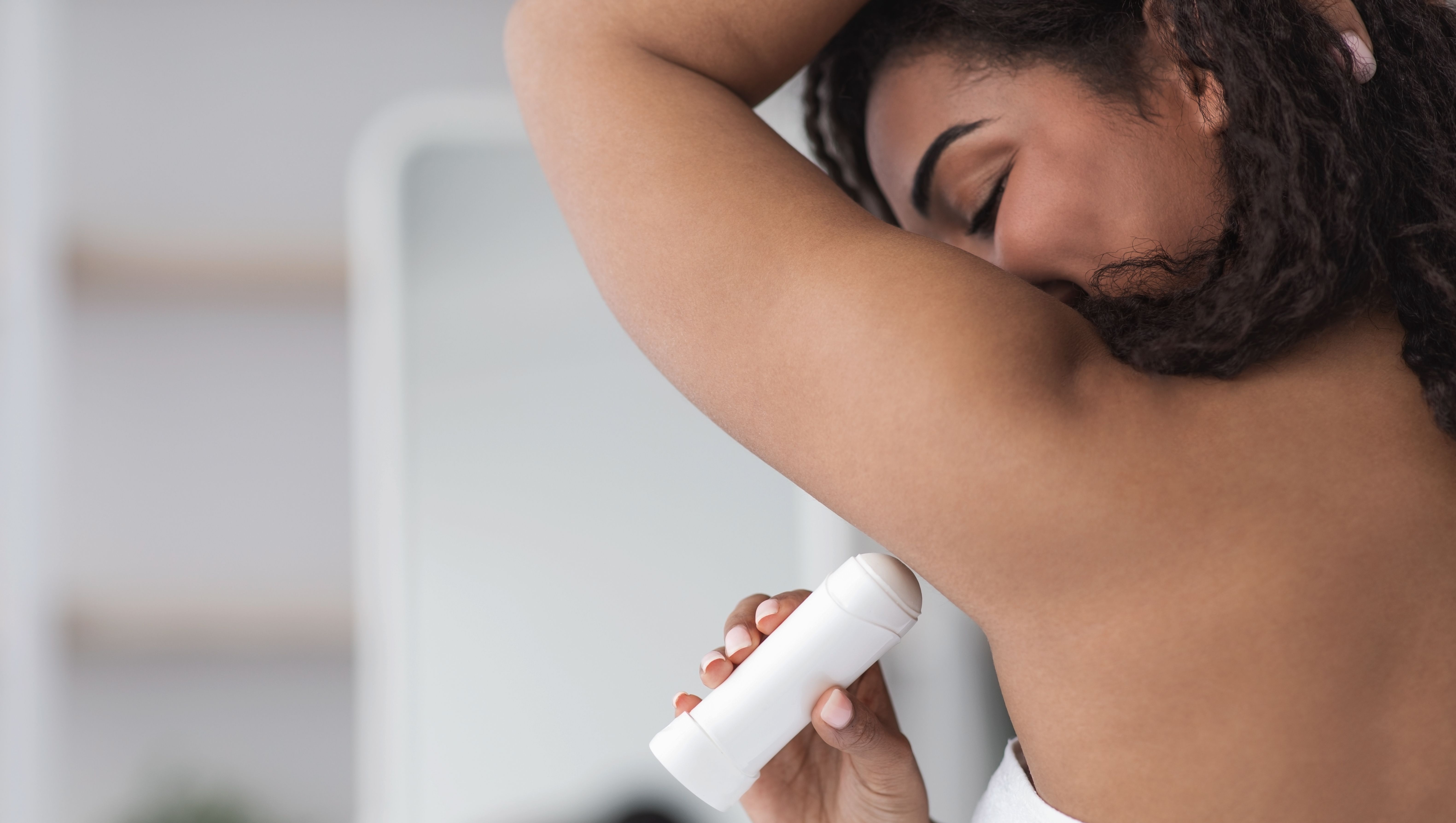
Most people need only a light layer of deodorant. Two or three gentle swipes per underarm are usually enough for stick formulas. For roll-ons, apply a small amount and let it dry before dressing. For sprays, a short burst from the recommended distance is plenty.
If the product is clumping, smearing onto your shirt, or leaving a visible paste, you are probably using too much. Deodorant should sit lightly on the skin, not form a protective wall like you are sealing a driveway.
Tip 2: Apply to Clean, Dry Skin
Deodorant works best when applied to clean, dry underarms. If you apply it over sweat, old product, or yesterday’s fragrance, you are not starting fresh. You are creating a scented remix.
After showering, towel-dry your underarms completely before applying. Moist skin can dilute the formula and increase friction. If you are in a rush, wait a minute or use a cool setting on a hair dryer for a few seconds. It may feel dramatic, but so does discovering deodorant streaks on a black shirt five minutes before leaving the house.
Tip 3: Apply Antiperspirant at Night
If you use antiperspirant, nighttime application can be more effective than frantic morning layering. Sweat production is usually lower while you sleep, giving the active ingredients more time to settle into place. In the morning, you can wash gently if needed and apply a light deodorant layer for odor control.
This simple timing change can reduce the urge to overapply. Instead of adding more and more product during the day, you let the antiperspirant do its job while your body is cooler and calmer. Your underarms get a schedule. Everyone loves a schedule, except maybe toddlers and printers.
Tip 4: Stop Reapplying Automatically
Reapplying deodorant once after a workout, a hot commute, or a long day can be reasonable. Reapplying every hour because you felt one bead of sweat is usually unnecessary.
Before adding more product, ask yourself three questions:
- Am I actually smelling odor, or am I just feeling damp?
- Would washing or wiping help more than another layer?
- Is my clothing trapping sweat and odor?
If you are sweaty, use a damp cloth, rinse if possible, or change into a clean shirt before reapplying. Adding deodorant on top of sweat and bacteria is like spraying air freshener into a trash can and calling it interior design.
Tip 5: Choose Fragrance-Free if Your Skin Is Sensitive
Fragrance is one of the most common triggers for underarm irritation. This includes both synthetic fragrance and some natural essential oils. “Natural” does not automatically mean gentle. Poison ivy is natural, and nobody invites it to a spa day.
If your underarms itch, sting, or develop a rash, try a fragrance-free deodorant or antiperspirant. Be careful with the word “unscented.” Some unscented products contain masking fragrances that hide ingredient odors. Fragrance-free usually means no added fragrance.
People with eczema, sensitive skin, or a history of contact dermatitis may also want to avoid formulas with high alcohol content, strong essential oils, baking soda, or heavy perfume. A simple ingredient list is often better than a product that smells like a tropical vacation riding a motorcycle through a flower shop.
Tip 6: Be Careful After Shaving
Freshly shaved underarm skin can be more sensitive because shaving creates tiny disruptions on the skin’s surface. Applying a strong deodorant or antiperspirant immediately afterward may cause stinging, burning, or bumps.
To reduce irritation, shave at night and apply deodorant later, or wait until the skin calms before using a fragranced product. Use a clean razor, shave with a moisturizing cream or gel, and avoid dragging a dull blade across the same area repeatedly. Your skin is not a scratch-off lottery ticket.
Tip 7: Wash Off Product Buildup Gently
Some deodorants and antiperspirants leave residue, especially waxy sticks and long-lasting formulas. If residue builds up, you may feel sticky even after showering, and odor may seem harder to control.
Use a gentle cleanser and your fingertips or a soft washcloth to clean the underarm area. Avoid aggressive scrubbing, harsh exfoliating acids, or rough tools if your skin is irritated. The goal is to remove buildup, not sand the armpit into a new geographic feature.
If you use a strong antiperspirant, follow the label directions. Prescription-strength products may be used differently from everyday deodorants, and overuse can increase dryness and irritation.
Tip 8: Let Your Skin Breathe When You Can
You do not have to wear deodorant every minute of your life. On low-activity days, evenings at home, or times when you are not sweating much, consider skipping an extra application. This gives your skin a break from fragrance, active ingredients, and friction.
Some people like to wash at night and leave underarms product-free until morning. Others use antiperspirant at night and skip morning reapplication unless needed. The best routine is the one that controls odor while keeping your skin calm.
Tip 9: Wear Breathable, Clean Clothing
Sometimes the issue is not your deodorant. It is your shirt. Tight synthetic fabrics can trap sweat and odor, especially during workouts or hot weather. Breathable fabrics, looser fits, and clean clothes can reduce the amount of product you need.
Workout gear can be especially sneaky. Performance fabrics may hold onto odor even after washing. If your shirt smells as soon as it warms up on your body, your deodorant is not losing the battle; your laundry is staging a rebellion. Wash sweaty clothes promptly, avoid letting gym wear ferment in a bag, and consider laundry products designed for odor removal.
Tip 10: Match Your Product to Your Real Need
Not everyone needs a clinical-strength antiperspirant. Not everyone can rely on a gentle natural deodorant. Choosing the wrong product often leads to overuse because you keep applying more of something that does not match your actual concern.
If you mostly smell but do not sweat heavily
Try a deodorant focused on odor control. Look for a gentle formula with minimal fragrance or fragrance-free labeling if you are sensitive.
If you sweat heavily but odor is mild
An antiperspirant may be more useful than deodorant alone. Apply it correctly instead of repeatedly layering it during the day.
If both sweat and odor are concerns
A combination antiperspirant-deodorant may be practical. Use a thin layer and avoid stacking multiple scented products.
If every product irritates you
Pause the irritating product, simplify your routine, and consider seeing a dermatologist. Persistent rashes may require evaluation for allergic contact dermatitis, infection, eczema, or another skin condition.
Tip 11: Do Not Panic About Normal Sweat
Sweating is normal. It helps regulate body temperature and responds to heat, exercise, stress, and hormonal changes. The goal is not to become a perfectly dry mannequin. The goal is to manage odor and comfort in a healthy, realistic way.
Marketing can make normal human biology feel like a personal failure. It is not. Everyone sweats. Everyone has body odor sometimes. Even the most polished person in the room has experienced a questionable underarm moment. They just had better lighting and maybe a backup shirt.
When to See a Doctor or Dermatologist
Most deodorant overuse problems improve with gentler habits, but some symptoms deserve medical advice. See a healthcare professional if you have a rash that does not improve after stopping the product, severe itching, swelling, blisters, pain, signs of infection, sudden major changes in body odor, or sweating that interferes with daily life.
Excessive sweating, known as hyperhidrosis, can be treated. Options may include prescription antiperspirants, medications, procedures, or other therapies. If you have advanced kidney disease, ask your doctor before using aluminum-containing antiperspirants, because these products carry a kidney disease warning.
A Simple Daily Routine to Avoid Deodorant Overuse
Here is a practical routine that works for many people:
- Shower or wash underarms with a gentle cleanser.
- Dry the area completely.
- Apply a thin layer of deodorant or antiperspirant.
- Let the product dry before getting dressed.
- Wear breathable, clean clothing.
- After heavy sweating, wash or wipe before reapplying.
- Take breaks from fragranced products if irritation appears.
This routine is not glamorous, but it is effective. Personal care does not always need to be complicated. Sometimes the best beauty advice is simply: clean skin, less product, better timing, fewer panic swipes.
Real-Life Experiences: Learning to Use Less Without Smelling More
Many people discover deodorant overuse the hard way: not through a dramatic medical emergency, but through a slow series of annoying little clues. One common experience starts with a busy morning. You shower, apply deodorant, get dressed, then worry you did not apply enough. So you add another layer. Later, after coffee, traffic, and one mildly stressful email, you feel warm and apply again. By lunch, your underarms feel sticky, your shirt has white streaks, and you still feel unsure whether you smell fresh. The problem was not a lack of effort. It was too much layering without resetting the skin.
A better approach is to treat deodorant like sunscreen in one important way: application quality matters. You would not apply sunscreen over sand, sweat, and yesterday’s lotion and expect perfection. Deodorant also works better when the skin is clean and dry. People who switch from constant reapplication to a “wash, dry, apply lightly” routine often notice that they feel cleaner for longer, even though they are using less product.
Another common experience involves natural deodorant. Someone switches to a baking soda or essential-oil formula because it sounds gentle and wholesome. At first, everything feels fine. Then the underarms start itching. A few days later, there is redness or peeling. The person assumes they need more product because odor is breaking through, but the real issue may be irritation. In that case, applying more is like turning up the volume on a song you already hate. The smarter move is to stop, let the skin calm, and try a fragrance-free or sensitive-skin formula.
Gym users often face a different challenge. After exercise, it is tempting to swipe deodorant directly onto sweaty skin and hope for the best. But many people find that this creates a heavy, sour smell later. A quick rinse, a cleansing wipe, or even changing into a dry shirt before reapplying can make a huge difference. It is not fancy, but neither is smelling like lavender wrapped around a damp towel.
People who sweat heavily may also learn that deodorant alone cannot solve wetness. They may apply deodorant five times a day and still feel uncomfortable because the product only targets odor. Once they switch to a properly used antiperspirant, especially at night, they may need fewer total applications. This is a perfect example of using the right tool instead of using the wrong tool harder.
There is also an emotional side to deodorant overuse. Many people reapply because they are afraid of being judged. A single memory of smelling bad at school, work, or on a date can turn into years of overchecking and overapplying. But confidence does not come from coating the underarms like a birthday cake. It comes from understanding your body, choosing products that suit your skin, and having a realistic backup plan for hot days. Carrying a clean shirt or travel wipe can be more effective than carrying three deodorants and a cloud of anxiety.
The most useful lesson is simple: freshness is a routine, not a reflex. When you stop panic-applying and start paying attention to timing, skin condition, clothing, and product type, you usually need less deodorant than you thought. Your skin feels calmer, your clothes stay cleaner, and your personal care shelf stops looking like a deodorant museum with commitment issues.
Conclusion
Avoiding deodorant overuse does not mean giving up freshness. It means using deodorant and antiperspirant more intelligently. A thin layer on clean, dry skin can work better than repeated heavy applications. Antiperspirant is often most effective at night. Fragrance-free formulas may help sensitive skin. Washing, breathable clothing, and smart reapplication habits can reduce odor without overwhelming your underarms.
Your body is not broken because it sweats. Your deodorant routine may simply need a tune-up. Start small: use less product, apply it at the right time, pause if irritation appears, and choose formulas that match your real needs. Freshness should feel comfortable, not like a daily wrestling match between your skin and a scented stick.

