
Beauty Unlocked
Avocado in Pregnancy: Benefits for You and Your Baby
Jun
Pregnancy has a way of turning food into a full-time research project. One minute you are craving toast, the next you are wondering whether the green spread on top is a nutritional superhero or just a trendy fruit with excellent public relations. Good news: avocado in pregnancy is generally a smart, safe, and nutrient-rich choice when it is washed, prepared properly, and eaten as part of a balanced diet.
Avocados are creamy, mild, and oddly good at making almost any meal feel like it came from a café where everyone owns linen napkins. But beyond the famous avocado toast, this fruit offers fiber, folate, potassium, vitamin K, vitamin E, vitamin C, B vitamins, magnesium, and heart-healthy monounsaturated fats. These nutrients can support digestion, steady energy, nutrient absorption, and your baby’s growth and development.
Of course, avocado is not a magic wand. It will not replace your prenatal vitamin, solve every pregnancy symptom, or fold the baby laundry. But used wisely, it can be one of the easiest foods to add to a pregnancy dietespecially when nausea, constipation, hunger swings, or “I cannot look at chicken today” moments show up uninvited.
Is Avocado Safe During Pregnancy?
Yes, avocado is generally safe to eat during pregnancy. It is a whole fruit, naturally low in sugar, and free of cholesterol. The main safety rule is simple: wash the avocado before cutting it. Even though you do not eat the peel, bacteria on the outside can move to the flesh when a knife cuts through it. Pregnancy can make foodborne illness more serious, so this tiny step matters.
Rinse the avocado under running water, gently scrub the skin if needed, dry it with a clean towel, then cut it with clean hands, a clean knife, and a clean cutting board. If you are eating prepared guacamole from a store or restaurant, make sure it has been refrigerated properly and looks fresh. When in doubt, skip anything that has been sitting out at room temperature for too long. Guacamole is delicious, but it should not be treated like a countertop decoration.
Why Avocado Is a Pregnancy-Friendly Food
Avocado is useful during pregnancy because it brings several important nutrients together in one easy food. It contains healthy fat for satiety and vitamin absorption, fiber for digestion, folate for cell growth, and potassium for fluid balance and muscle function. That combination makes it especially helpful when you need food that is filling but not heavy, nourishing but not complicated.
1. Folate Supports Early Baby Development
Folate is one of the most important nutrients before and during pregnancy. It helps the body make new cells and supports the early development of the baby’s brain and spinal cord. Pregnant people are commonly advised to get folic acid through a prenatal vitamin because it is difficult to meet pregnancy needs through food alone. Still, folate-rich foods are a valuable part of the bigger picture.
Avocado naturally contains folate, making it a helpful addition to meals that already include other folate sources such as leafy greens, beans, lentils, citrus fruits, fortified grains, and prenatal vitamins. Think of avocado as a supportive teammate, not the entire team. Your prenatal vitamin is still the captain wearing the whistle.
2. Healthy Fats Help You Feel Full
Pregnancy hunger can be dramatic. You may feel fine at 10:00 a.m. and then, by 10:07, become a person who would negotiate world peace for a snack. Avocado’s monounsaturated fats help slow digestion and add staying power to meals. This can be especially useful if you feel hungry soon after eating or need snacks that do more than briefly distract your stomach.
Healthy fats also help the body absorb fat-soluble vitamins, including vitamins A, D, E, and K. Pairing avocado with vegetables can make a meal more satisfying and may help your body use some of the nutrients in those vegetables more efficiently. A salad with avocado is not just prettier; it is also more practical.
3. Fiber Can Help With Pregnancy Constipation
Constipation is one of pregnancy’s least glamorous side quests. Hormonal changes, iron supplements, slower digestion, and reduced activity can all contribute. Avocado contains dietary fiber, which helps support regular bowel movements and a healthier gut.
Fiber works best when paired with enough fluids. If you increase fiber but forget water, your digestive system may file a complaint. Try avocado with whole-grain toast, beans, vegetables, or fruit, and drink water throughout the day. If constipation becomes painful, persistent, or severe, talk with your healthcare provider before using laxatives or supplements.
4. Potassium Supports Fluid Balance and Muscles
Potassium is an electrolyte that helps with fluid balance, nerve signals, and muscle function. During pregnancy, your blood volume changes and your body works harder to maintain healthy circulation. Potassium-rich foods such as avocado, bananas, potatoes, beans, yogurt, spinach, and citrus fruits can fit into a balanced pregnancy diet.
Some pregnant people also deal with leg cramps, especially later in pregnancy. Potassium is not a guaranteed cure, but eating potassium-containing foods, staying hydrated, stretching, and discussing symptoms with your clinician may help. If cramps are severe, one-sided, or paired with swelling or redness, seek medical advice promptly.
5. Avocado May Help Balance Blood Sugar-Friendly Meals
Avocado is low in sugar and contains fiber and fat, which can help make meals more satisfying. For people trying to manage blood sugar, including those with gestational diabetes, avocado may fit well into meals when paired thoughtfully with protein, high-fiber carbohydrates, and non-starchy vegetables.
For example, avocado with eggs and whole-grain toast may be more balanced than a sweet pastry alone. A bowl with beans, vegetables, brown rice, and avocado can offer fiber, healthy fats, and steady energy. However, if you have gestational diabetes, follow your personal meal plan and glucose targets from your healthcare provider or registered dietitian.
6. Nutrients in Avocado Support Skin, Immunity, and Recovery
Avocado contains vitamin C, vitamin E, vitamin K, B vitamins, and plant compounds that contribute to overall wellness. Vitamin C supports immune function and collagen formation. Vitamin E acts as an antioxidant. Vitamin K plays a role in normal blood clotting. B vitamins support energy metabolism. None of these nutrients work alone, but together they make avocado a useful part of a varied pregnancy diet.
Pregnancy is a high-demand season for the body. Nutrient-dense foods help you build meals that support both daily comfort and long-term health. Avocado earns a place here because it offers more than calories; it brings texture, flavor, and actual nutritional value to the plate.
Benefits of Avocado for Your Baby
Your baby depends on your overall diet, not one single “perfect” food. Still, avocado can contribute helpful building blocks. Folate supports early neural development and cell growth. Healthy fats contribute to the structure of cells and help make meals more nutrient-dense. Vitamins and minerals from avocado support the larger nutritional environment your baby grows in.
Avocado also pairs well with foods that bring other pregnancy essentials. Add it to eggs for choline and protein, salmon for omega-3 fats, beans for iron and fiber, or fortified whole-grain toast for B vitamins. The best pregnancy meals are usually not complicated; they are balanced. Avocado is a friendly bridge between “healthy” and “actually tastes good.”
How Much Avocado Should You Eat While Pregnant?
For many pregnant people, about one-third to one-half of a medium avocado per serving is a reasonable amount. Some people may enjoy more, especially if it replaces less nutritious fats in a meal. But avocados are calorie-dense, so portion size still matters if you are managing weight gain, reflux, nausea, or blood sugar.
A medium avocado can contain roughly a few hundred calories depending on size. That is not bad; it simply means avocado should be treated as a nourishing fat source rather than a “free food.” A little goes a long way. Spread it, slice it, mash it, or cube itbut maybe do not turn every meal into a guacamole festival unless your overall diet has room for it.
Best Ways to Eat Avocado During Pregnancy
Avocado’s mild flavor makes it easy to use in meals and snacks. It can be savory, creamy, cooling, and surprisingly helpful when strong smells are bothering you. Here are simple pregnancy-friendly ideas:
Avocado Breakfast Ideas
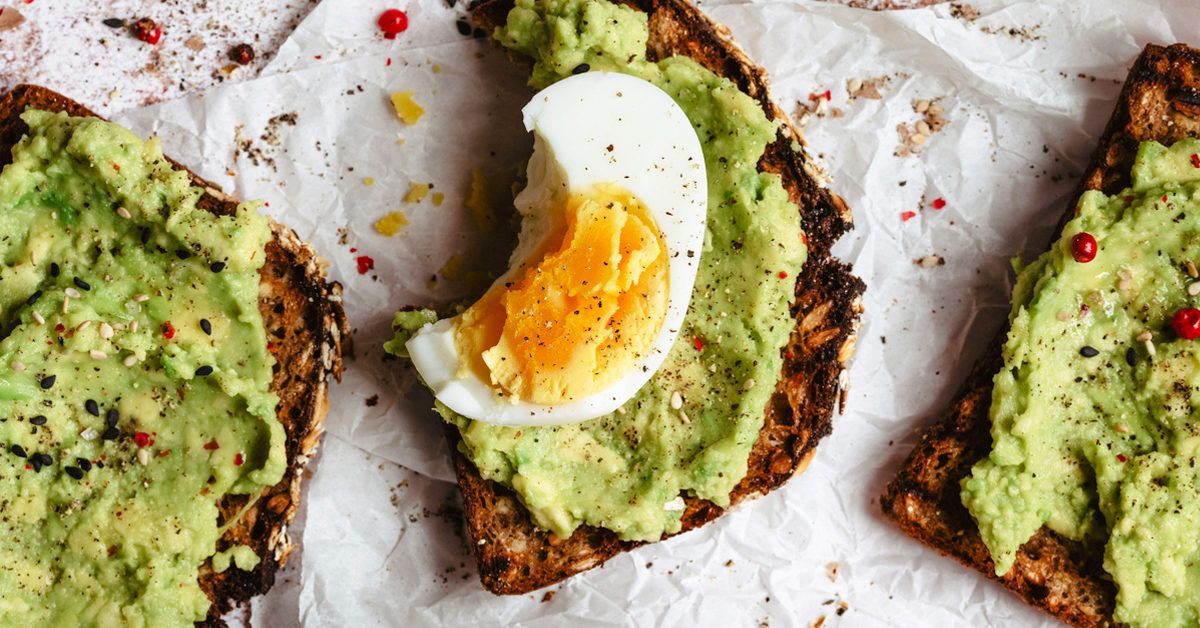
Try mashed avocado on whole-grain toast with a fully cooked egg. Add lemon juice, black pepper, and a sprinkle of seeds if tolerated. You can also blend avocado into a smoothie with banana, Greek yogurt, spinach, and milk for a creamy drink that does not taste like a salad pretending to be dessert.
Avocado Lunch Ideas
Add sliced avocado to a turkey-free pregnancy-safe sandwich made with cooked chicken, hummus, or egg salad. Toss avocado cubes into a grain bowl with brown rice, black beans, roasted vegetables, salsa, and plain Greek yogurt. It adds richness without needing a heavy dressing.
Avocado Dinner Ideas
Serve avocado alongside salmon, chicken, beans, tacos, baked potatoes, or vegetable soup. A quick avocado sauce made with lime, yogurt, garlic, and cilantro can make a simple dinner feel less like “survival food” and more like a meal you meant to create.
Avocado Snack Ideas
For a quick snack, try avocado with whole-grain crackers, avocado mashed with cottage cheese, guacamole with sliced bell peppers, or avocado sprinkled with lemon and a pinch of salt. If nausea is an issue, keep flavors simple and avoid strong spices.
Avocado and Morning Sickness
Morning sickness is a misleading name because nausea clearly did not read the schedule. Some people find avocado helpful because it is soft, mild, and not overly sweet. The fat content may help keep you full between small meals. However, high-fat foods can worsen nausea or reflux for some pregnant people, so listen to your body.
If avocado sounds good, try a small amount with toast or crackers. If it feels too rich, set it aside and try again another day. Pregnancy food preferences can change faster than a toddler’s opinion about socks.
Who Should Be Careful With Avocado?
Avocado is safe for most pregnant people, but there are a few exceptions. If you have a known avocado allergy, avoid it. Some people with latex allergy may react to avocado because of latex-fruit syndrome. Symptoms can include itching, swelling, hives, stomach discomfort, or breathing trouble. Seek urgent care for signs of a severe allergic reaction.
People with kidney disease or those who have been told to limit potassium should ask their healthcare provider before eating potassium-rich foods regularly. Also, if avocado worsens reflux, nausea, diarrhea, or bloating, reduce the amount or avoid it temporarily. Pregnancy nutrition should support you, not turn mealtime into a negotiation with your digestive system.
Food Safety Tips for Avocado During Pregnancy
Because pregnancy increases vulnerability to certain foodborne illnesses, food handling matters. Wash the avocado before cutting. Use clean utensils and cutting boards. Refrigerate leftover cut avocado or guacamole promptly. Discard avocado that smells sour, looks moldy, has an unusual texture, or has been left out too long.
If you buy premade guacamole, choose refrigerated products from reputable stores and check the date. At parties or buffets, be cautious with dips that have been sitting out. The safest avocado is the one that was handled like food, not like a centerpiece.
Avocado in Pregnancy by Trimester
First Trimester
During the first trimester, folate is especially important, and nausea may make eating difficult. Avocado can be useful because it is mild and nutrient-dense. Try small portions with bland foods such as toast, rice cakes, or eggs. If the texture bothers you, blend it into a smoothie.
Second Trimester
As appetite often improves, avocado can help build balanced meals. Add it to salads, bowls, wraps, and snacks. This is also a good time to focus on fiber, protein, iron-rich foods, calcium, vitamin D, and hydration.
Third Trimester
In the third trimester, heartburn and fullness can become more common as the baby takes up more space. Smaller meals may feel better. Avocado can still fit, but portions may need to be modest. Pair it with lean protein and vegetables rather than very large, high-fat meals.
Common Myths About Avocado During Pregnancy
Myth: Avocado Makes the Baby Too Big
No single food automatically makes a baby too big. Birth weight is influenced by many factors, including genetics, blood sugar control, maternal health, and overall nutrition. Avocado can be part of a balanced diet without causing excessive growth on its own.
Myth: Avocado Replaces a Prenatal Vitamin
Avocado is nutritious, but it does not replace a prenatal vitamin. Pregnancy requires specific amounts of folic acid, iron, iodine, vitamin D, and other nutrients that may be hard to get from food alone. Keep taking prenatal supplements as advised by your provider.
Myth: More Avocado Is Always Better
More is not always better. Avocado is healthy, but balance matters. A pregnancy diet should include many foods: fruits, vegetables, whole grains, proteins, dairy or fortified alternatives, healthy fats, and plenty of fluids.
Real-Life Experiences: Eating Avocado During Pregnancy
Many pregnant people describe avocado as one of those “safe foods” that can slide into different stages of pregnancy without causing too much drama. In the first trimester, when coffee smells like betrayal and the refrigerator seems personally offensive, avocado can be gentle enough to tolerate. A small amount mashed onto toast with lemon may feel easier than a full meal. Some people like it because it is cool, soft, and not aggressively flavorful. Others cannot stand the texture for a few weeks and then suddenly want guacamole on everything. Both experiences are normal. Pregnancy cravings and aversions are not known for their consistency.
One common experience is using avocado to make snacks more filling. A plain piece of toast may disappear from the stomach quickly, but toast with avocado and a cooked egg can feel more satisfying. For someone waking up hungry at odd hours, a balanced snack with avocado may help bridge the gap between meals. This can be especially helpful during the second trimester, when appetite often returns with enthusiasm. The goal is not to eat huge portions, but to make meals work harder. Avocado adds fat and fiber, which can help a snack feel like actual food rather than a brief intermission.
Avocado can also be helpful for people dealing with pregnancy constipation. Some discover that adding fiber-rich foods, drinking more water, and walking regularly makes a noticeable difference. Avocado alone may not fix the issue, but it can be part of a constipation-friendly routine. For example, a lunch bowl with beans, roasted vegetables, brown rice, and avocado offers fiber from several sources. Add water and movement, and the digestive system may become more cooperative. Not glamorous, yes, but deeply appreciated.
For pregnant people managing blood sugar, avocado often becomes a useful meal companion. Because it is low in sugar and rich in fat and fiber, it can help balance meals that include carbohydrates. Someone with gestational diabetes might pair a measured portion of whole-grain toast with avocado and protein instead of eating refined carbohydrates alone. However, personal glucose responses vary, so blood sugar monitoring and professional guidance matter. Avocado is a helpful ingredient, not a medical treatment.
Some people also use avocado as a practical swap. Instead of mayonnaise-heavy spreads, they mash avocado with lemon and herbs. Instead of creamy bottled dressing, they blend avocado with yogurt and lime. Instead of butter on toast, they use avocado for a richer, more nutrient-dense option. These small swaps can make everyday meals feel fresher without requiring gourmet skills. Pregnancy is already enough work; food should not require a culinary degree and emotional support.
There are also less wonderful experiences. Some pregnant people find avocado too rich, especially if they have reflux. Others feel bloated after eating it. A few may dislike the smell, color, or texture during certain weeks. That does not mean anything is wrong. Pregnancy eating is personal. If avocado helps, enjoy it. If it does not, there are many other healthy foods that provide folate, fiber, potassium, and healthy fats, such as beans, lentils, nuts, seeds, leafy greens, olive oil, yogurt, and whole grains.
The best real-life approach is flexible: keep avocado clean, fresh, portioned, and paired with other nourishing foods. Use it when it makes meals easier, tastier, or more satisfying. Skip it when your body says no. Pregnancy nutrition is not about perfection; it is about building enough good choices over time to support you and your baby.
Conclusion
Avocado in pregnancy can be a delicious and practical way to add folate, fiber, potassium, healthy fats, vitamins, minerals, and creamy satisfaction to your diet. It may support digestion, help meals feel more filling, contribute to nutrient absorption, and fit into blood sugar-conscious eating when paired well. For your baby, avocado contributes nutrients that support healthy growth as part of an overall balanced pregnancy diet.
The key is to eat avocado safely and sensibly. Wash it before cutting, store leftovers properly, keep portions reasonable, and continue following your prenatal vitamin and healthcare provider’s guidance. Whether you enjoy it on toast, in a smoothie, in a bowl, or as guacamole, avocado can be a small green upgrade with big pregnancy-friendly benefits.
Note: This article is for general educational purposes only and does not replace medical advice. Pregnant individuals should speak with a qualified healthcare provider or registered dietitian about personal nutrition needs, allergies, gestational diabetes, kidney disease, or any pregnancy complications.

