
Body Care
Pipe Bed Frame Fittings – Aluminum
Jun
Aluminum pipe bed frame fittings are the quiet heroes of industrial-style bedroom design. They do not get the spotlight like a thick mattress, crisp linen sheets, or that dramatic throw blanket everyone swears they “just tossed there.” But without the right fittings, your sleek DIY pipe bed frame is just a pile of tubes having an identity crisis.
If you love the clean look of exposed metal, modular furniture, and practical design, aluminum pipe fittings can help you build a bed frame that feels modern, sturdy, and refreshingly customizable. They are commonly used in tubular structures, railing systems, display frames, racks, furniture projects, and DIY builds because they connect pipe without welding. For a bed frame, that means fewer sparks, fewer specialty tools, and far fewer opportunities to say, “Well, this looked easier on the internet.”
What Are Aluminum Pipe Bed Frame Fittings?
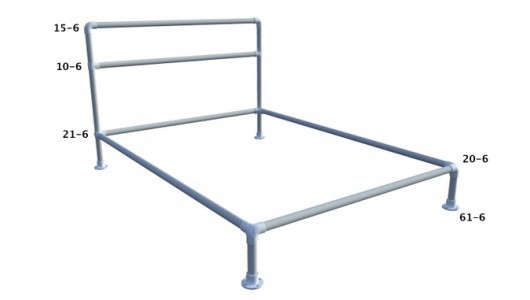
Aluminum pipe bed frame fittings are connector pieces used to join round pipes into a rigid frame. Depending on the design, they may connect corners, side rails, center supports, legs, headboards, footboards, or canopy posts. Instead of threading every pipe or welding every joint, many aluminum structural fittings slip over the pipe and lock in place with set screws.
In plain English: the pipe is the skeleton, and the fittings are the joints. Choose the wrong joints and your bed may wobble like a shopping cart with one dramatic wheel. Choose the right fittings and the frame can look polished, feel stable, and be taken apart later if you move, redesign, or suddenly decide your bedroom needs “more loft energy.”
Common aluminum pipe fitting types include 90-degree elbows, three-way corner elbows, tees, crosses, flanges, couplings, side outlet tees, adjustable angle fittings, and end caps. Each part has a job. A corner elbow turns the pipe. A tee creates a branch. A flange anchors a pipe to a flat surface. A cross fitting helps add center rails or support bars. End caps finish open pipe ends so your frame does not look like it was interrupted mid-sentence.
Why Choose Aluminum for a Pipe Bed Frame?
Aluminum is popular because it offers a helpful mix of low weight, corrosion resistance, clean appearance, and workability. Compared with black iron or galvanized steel, aluminum is easier to move around during assembly. That matters when you are building a queen-size or king-size bed frame in a bedroom where the available workspace is approximately “one yoga mat and a dream.”
Aluminum also has a natural resistance to rust because it forms a protective oxide layer on its surface. For indoor furniture, that is a major advantage. You do not usually have to worry about the orange-brown rust stains that can appear on untreated steel. Aluminum fittings can also be polished, brushed, anodized, or powder-coated, depending on the product line and the look you want.
Aluminum vs. Steel Pipe Fittings
Steel fittings are heavier and often feel more traditional in industrial furniture. They can be a strong choice for heavy-duty builds, especially when the design calls for thick black pipe and threaded joints. Aluminum fittings, however, are better when you want a lighter frame, a brighter finish, easier handling, and a cleaner modern look.
The tradeoff is that aluminum is not automatically stronger in every situation. Strength depends on the fitting design, pipe size, wall thickness, fasteners, support spacing, and total load. For a bed, the most important question is not “Is aluminum strong?” but “Is this specific frame design properly supported?” A good aluminum pipe bed frame spreads weight across multiple rails, legs, and cross supports rather than asking four corners to do all the heavy lifting like overworked interns.
Best Types of Aluminum Fittings for Bed Frames
A pipe bed frame is usually a rectangular structure with legs and optional headboard or canopy sections. The exact fittings you need depend on your design, but most projects use a predictable group of connectors.
1. Three-Way 90-Degree Elbows
These are ideal for bed frame corners where two horizontal pipes meet one vertical leg. They create a clean corner and help simplify the layout. For platform beds, they are often used at the four main corners.
2. Tee Fittings
Tee fittings allow one pipe to intersect another at a right angle. They are useful for adding middle supports, headboard rails, or side braces. If your bed frame needs a center beam, tees can help connect it cleanly to the outer rectangle.
3. Cross Fittings
Cross fittings connect pipes in multiple directions. They are especially helpful when creating slat support grids or reinforced center structures. A bed frame with only an outer rectangle may look elegant, but mattresses appreciate support. So do backs, floors, and anyone who dislikes surprise sagging.
4. Flanges
Flanges create flat mounting points. They can be used for feet, wall-mounted headboards, or attaching pipe sections to wooden platforms. For a bed frame, floor flanges may add stability, though they can also make the design look more industrial. Translation: great for loft apartments, slightly intense for cottagecore.
5. Couplings and Splices
Couplings connect two pipe lengths in a straight line. They are useful when long pipe sections are hard to source or transport. However, avoid placing unnecessary couplings in high-stress areas unless the fitting is intended for structural use.
6. Adjustable Angle Fittings
Adjustable fittings are helpful for custom headboards, angled braces, or unusual frame shapes. They are not required for a simple rectangle, but they can save a project when your design includes slanted details or when your wall is not as straight as your optimism.
How to Plan an Aluminum Pipe Bed Frame
Before buying pipe bed frame fittings, start with the mattress size. A twin, full, queen, king, and California king all need different frame dimensions. The frame should support the mattress without squeezing it, and it should allow space for bedding. A too-tight frame makes sheet changes feel like a competitive sport.
Next, decide whether the frame will support a box spring, a bunkie board, wooden slats, plywood decking, or a platform panel. The support system affects the number of crossbars and fittings you need. Memory foam and hybrid mattresses often require closer support spacing than traditional innerspring mattresses. Always check the mattress manufacturer’s support recommendations before finalizing the design.
Measure the Mattress First
Do not rely only on the labeled mattress size. Measure the actual mattress because dimensions can vary slightly by brand and model. Add a small clearance allowance so the mattress fits comfortably inside or on top of the frame.
Choose Pipe Diameter Carefully
Many structural pipe fittings are sold by nominal pipe size or outside diameter. This detail matters. A fitting made for one pipe size will not properly grip another. If the fitting is designed for 1-1/4 inch pipe, do not assume it will happily accept whatever metal tube you found in the garage. Fittings are not known for emotional flexibility.
Plan for Center Support
For full, queen, and king beds, center support is extremely important. A long unsupported span can flex, squeak, or sag. A sturdy design usually includes a center rail running head to foot, with one or more legs supporting that rail. Wider frames may also need multiple cross supports.
Design Ideas for Aluminum Pipe Bed Frames
Aluminum pipe fittings work with several bedroom styles. The obvious one is industrial, but the material can also look modern, minimalist, coastal, or even Scandinavian when paired with the right bedding and wood tones.
Minimal Platform Frame
A minimal platform frame uses a simple aluminum pipe rectangle with short legs and a low-profile support deck. This design works well in small rooms because it keeps visual weight low. Add light-colored bedding and the frame almost disappears, leaving a clean floating effect.
Industrial Headboard Frame
An industrial headboard uses vertical pipe posts with horizontal rails. Aluminum keeps the look lighter than black steel. For warmth, combine the metal frame with a wood panel, leather straps, or woven inserts. The result feels designed, not like your bed wandered out of a warehouse break room.
Canopy Pipe Bed
A canopy design uses vertical posts at the corners and upper rails above the mattress. Aluminum is useful here because the upper structure is easier to handle than heavier steel. Keep the canopy simple unless you want the bedroom to start giving “boutique hotel meets plumbing aisle.”
Hybrid Wood-and-Pipe Frame
A hybrid design combines aluminum pipe legs and rails with a wooden slat deck or plywood platform. This is often the most practical option because wood provides broad mattress support while pipe fittings create the visual structure. It also gives you more freedom to attach brackets, panels, and trim.
Buying Tips: What to Look for in Aluminum Pipe Fittings
Not all fittings are created for the same purpose. Some are decorative. Some are for plumbing. Some are for structural framing. For a bed frame, prioritize structural pipe fittings or fittings specifically intended for modular tube construction.
Look for Structural Use
Choose fittings described for structural frames, railings, racks, furniture, or modular pipe systems. Avoid lightweight decorative connectors unless the manufacturer clearly states they can handle structural loads.
Check the Pipe Compatibility
Pipe and tubing are not always measured the same way. Pipe is commonly described by nominal pipe size, while tubing is often measured by outside diameter. Before ordering, confirm the fitting’s required pipe outside diameter and the pipe wall thickness. This small step can prevent the classic DIY tragedy: beautiful parts that do not fit each other.
Consider the Finish
Raw aluminum has a bright silver look. Anodized aluminum can offer extra surface durability and a more refined finish. Powder-coated aluminum adds color and protection. For bedrooms, a powder-coated black, white, or matte metallic finish can make the frame look more intentional and less “prototype from a very stylish garage.”
Count Every Fitting Before You Order
Create a simple sketch and label every joint. Count corners, tees, cross fittings, flanges, end caps, and set screws. Then add a small buffer for mistakes or design changes. Buying one extra fitting is mildly annoying. Stopping mid-build because you are missing one tee fitting is how people learn new vocabulary.
Common Mistakes to Avoid
The first mistake is building a frame without enough support under the mattress. A rectangle with four legs may look complete, but many mattresses need slats, a platform, or a center rail. Without support, the mattress can sag and the frame may flex.
The second mistake is mixing incompatible parts. Aluminum pipe, steel pipe, nominal pipe, and round tubing can all have different dimensions. The fitting must match the pipe’s actual outside diameter.
The third mistake is overtightening set screws without checking alignment. Tighten gradually and square the frame as you go. If you fully lock one corner before the rest of the structure is aligned, the bed may end up shaped like a parallelogram. That is technically geometry, not furniture.
The fourth mistake is ignoring noise. Metal frames can squeak when joints are loose, pipes rub, or the deck shifts. Properly tightened fittings, rubber pads, felt strips, and secure slats can reduce noise. Your bed should not announce every time you roll over like it is filing a report.
Maintenance and Care
Aluminum pipe bed frame fittings are generally low maintenance, especially indoors. Dust the frame regularly with a soft cloth. For fingerprints or smudges, use mild soap and water, then dry the surface. Avoid harsh abrasive pads that can scratch the finish.
Every few months, check the fittings and set screws. Beds experience repeated movement, so a screw that was tight during assembly can loosen over time. A quick inspection can prevent wobble, noise, and that suspicious “clink” sound at 2 a.m.
If your frame uses wood slats, inspect them for warping or cracks. If it uses a plywood platform, make sure the panel remains flat and supported. The aluminum fittings may be strong, but the entire bed is only as reliable as the full system.
Are Aluminum Pipe Bed Frame Fittings Worth It?
For the right project, yes. Aluminum pipe bed frame fittings are worth considering if you want a custom frame, a lightweight industrial look, and a modular structure that can be assembled without welding. They are especially appealing for renters, makers, small-space dwellers, and design lovers who want furniture that does not look like it came flat-packed with a tiny Allen wrench and a crisis.
The main drawback is planning. A DIY aluminum pipe bed frame requires careful measuring, compatible parts, and smart support design. It may cost more than a basic store-bought metal frame, especially if you choose premium fittings. But the result can be more distinctive, more adaptable, and far more satisfying.
If your priority is the cheapest possible bed frame, aluminum pipe fittings may not be the winner. If your priority is custom design, durability, clean aesthetics, and the joy of saying “I built that,” aluminum fittings become much more attractive.
Experience Notes: Building and Living With an Aluminum Pipe Bed Frame
The first thing people usually notice when working with aluminum pipe bed frame fittings is how manageable the parts feel. A long steel pipe can make a small bedroom feel like a wrestling ring. Aluminum is friendlier. You can carry it, reposition it, and test-fit pieces without feeling like you accidentally joined a construction crew.
During assembly, the best experience comes from laying everything out on the floor before tightening the fittings. Think of it like building with adult-sized metal blocks. Place the side rails, foot rail, head rail, center support, legs, and corner fittings in position. Then loosely assemble the frame. Once the shape is correct, tighten each fitting gradually. This method helps prevent twisted corners and uneven legs.
A useful trick is to build the frame upside down first, especially if it has short legs or flanged feet. This makes it easier to keep the top rectangle flat. After tightening the major joints, flip it over carefully and check whether all legs touch the floor. If one leg floats slightly, do not panic. Floors are often uneven, and furniture pads can help. Houses are rarely perfect; they just hide it under rugs.
Another real-world lesson is that mattress support matters more than the outer frame. Many DIY builders focus on the visible pipe structure and forget the slats. The best aluminum pipe bed frames usually combine metal framing with wood slats or a platform deck. The metal gives shape and style; the wood spreads the load. Together, they behave better than either material alone.
Noise control is also part of the experience. Metal-on-metal contact can squeak if parts shift. A small rubber washer, felt pad, or protective strip between contact points can make the bed quieter. Tight fittings help, but soft separation points can make the difference between peaceful sleep and a frame that sounds like a haunted shopping cart.
Living with an aluminum pipe bed frame is surprisingly practical. It is easy to clean under the bed if the legs are tall enough. The frame can be disassembled when moving. If you change your room style, you can often reuse some fittings in a desk, shelf, clothing rack, or storage project. That reusability is one of the biggest advantages of modular pipe furniture.
The look also ages well when the design is simple. A clean aluminum frame with white bedding feels modern. Add warm wood and it becomes softer. Add black hardware and it leans industrial. Add plants and suddenly it looks like a design blog discovered your apartment. The key is restraint. Aluminum pipe fittings already bring visual structure, so the rest of the room does not need to shout.
The biggest advice from experience is to over-plan and under-rush. Measure twice, sketch clearly, confirm pipe sizes, and assemble loosely before final tightening. A pipe bed frame is not difficult, but it rewards patience. And when it is finished, you get something rare: a bed that is useful, personal, and sturdy enough to make you proud every time you change the sheets.
Conclusion
Aluminum pipe bed frame fittings are a smart option for anyone who wants a custom, modular, industrial-inspired bed frame without welding. They are lightweight, corrosion resistant, visually clean, and flexible enough for platform beds, headboards, canopy frames, and hybrid wood-and-metal builds.
The best results come from choosing structural fittings, matching pipe sizes correctly, adding proper center support, and treating the mattress deck as a major part of the design. Aluminum fittings may look simple, but they can turn basic pipe into a bedroom centerpiece with personality, strength, and a little maker-style bragging rights.
Note: This article is for general educational and design guidance. For unusually heavy loads, elevated beds, commercial use, or complex structures, check manufacturer specifications and consult a qualified professional before building.
SEO Tags

