
Beauty Unlocked
The 10 Best Classic Glass Bauble Christmas Ornaments for the Holidays Web Story
Jun
There are two kinds of holiday decorators: the ones who carefully plan a tree theme in July, and the ones who open the ornament box in December and say, “Ah yes, chaos with glitter.” Both can agree on one thing: classic glass bauble Christmas ornaments never go out of style. They are shiny, nostalgic, elegant, surprisingly dramatic, and just fragile enough to make everyone in the house suddenly walk like museum security.
Glass baubles are the little black dress of Christmas decorating. They work on a traditional green tree, a snowy flocked tree, a minimalist tabletop tree, a maximalist candy-colored tree, and even in a glass bowl on the coffee table when you are too tired to “deck the halls” but still want the halls to feel emotionally supported. This web-story-style guide breaks down the 10 best classic glass bauble ornament styles for the holidays, including what makes each one special, where it works best, and how to choose ornaments that look beautiful year after year.
Why Classic Glass Bauble Christmas Ornaments Still Win the Holidays
Trends come and go. One year everyone wants woodland neutrals; the next year it is pink velvet bows, disco balls, or a tree that looks like it was decorated by a very stylish snowstorm. But glass Christmas ornaments remain popular because they reflect light beautifully, add instant depth, and bring a sense of tradition without feeling old-fashioned.
The classic glass bauble has roots in European glassmaking traditions, especially the famous ornament-making heritage of Lauscha, Germany. In the United States, vintage-inspired glass ornaments became strongly associated with mid-century holiday style, especially colorful shiny baubles that appeared on family trees throughout the 1940s and 1950s. Today, modern retailers and designers continue to reinterpret those familiar round shapes in metallic finishes, frosted glass, hand-painted patterns, mercury glass, jewel tones, and heirloom-style sets.
The 10 Best Classic Glass Bauble Christmas Ornaments for the Holidays
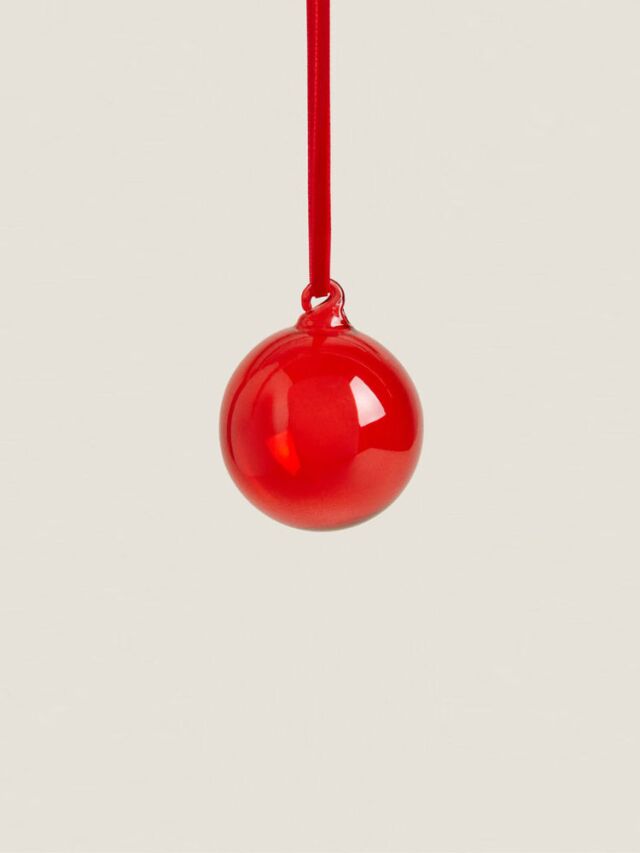
1. Traditional Red Glass Baubles
If Christmas had an official color, red would probably show up wearing a velvet jacket and carrying a plate of cookies. Traditional red glass baubles are the safest, strongest, most instantly festive choice for a classic holiday tree. They pair beautifully with green branches, gold ribbon, white lights, candy canes, plaid bows, and basically anything that says, “Yes, Santa has been here, and he approves.”
The best red glass baubles usually come in a mix of shiny, matte, and glittered finishes. This gives the tree more texture without making it look busy. Use larger red baubles deep inside the tree to create visual depth, then hang smaller ones near the tips of the branches where they can catch the light.
2. Gold Glass Bauble Ornaments
Gold glass ornaments bring warmth, elegance, and a little “holiday hotel lobby” glamour to a Christmas tree. They are perfect for traditional, luxury, vintage, and neutral decorating themes. Gold also works as a bridge color: it softens bold red, warms up icy white, and makes green branches look richer.
For the most timeless result, choose antique gold, champagne gold, or softly brushed metallic glass rather than overly yellow finishes. A good gold bauble should glow, not shout. Mix smooth gold balls with ribbed, mercury, or etched designs to avoid the dreaded “department store display after a glitter accident” look.
3. Silver Mercury Glass Baubles
Silver mercury glass baubles are ideal for decorators who want their tree to sparkle without turning the room into a tinsel factory. The slightly aged, mirrored surface gives these ornaments a vintage feel, while the cool tone works beautifully with white lights, blue accents, crystal garland, and flocked branches.
Mercury glass is especially useful in small spaces because it reflects light and creates dimension. A few silver baubles tucked near the trunk can make the entire tree look fuller. They also look lovely in bowls, hurricane vases, garlands, and mantel arrangements.
4. Clear Glass Bauble Ornaments
Clear glass baubles are the quiet luxury of Christmas ornaments. They do not scream for attention, but they make everything around them look more polished. They are especially beautiful on trees with warm white lights because the glass catches and scatters the glow like tiny winter bubbles.
Some clear baubles are completely plain, while others include etched patterns, frost, tiny beads, glitter, or hand-painted snowflakes. For a natural holiday theme, clear glass pairs well with pinecones, dried orange slices, wood garland, linen ribbon, and brass bells. For a modern theme, combine them with white, silver, and soft champagne tones.
5. White Frosted Glass Baubles
White frosted glass baubles bring snowy charm without requiring actual snow, which is convenient if your climate thinks December means “light jacket weather.” Their soft, diffused finish looks elegant on green, flocked, and pencil trees. They are also one of the easiest ornament styles to reuse because they blend with nearly every holiday palette.
Choose white glass baubles with subtle texture, pearly finishes, or metallic caps for a more expensive look. They are excellent for Scandinavian, farmhouse, winter wonderland, and minimalist Christmas decor. Add warm lights to prevent the overall design from feeling too cold.
6. Vintage-Inspired Shiny Brite-Style Baubles
Vintage-inspired Shiny Brite-style ornaments are for people who want their tree to feel like a happy memory, preferably one with Bing Crosby playing in the background and someone’s grandmother insisting that the good cookies are “for guests.” These colorful glass baubles often feature bright stripes, indented centers, metallic finishes, and cheerful mid-century colors like red, green, blue, pink, silver, and gold.
They work beautifully on traditional trees, retro aluminum-style trees, and playful family trees. The trick is to let them be joyful. Do not over-control the palette. A little mismatch is part of the charm. Combine them with classic string lights, bead garlands, and sentimental ornaments for a tree that feels collected rather than staged.
7. Hand-Painted Glass Baubles
Hand-painted glass baubles feel special because each one has a little personality. They may include stripes, plaid patterns, florals, holly, snowflakes, candy-cane swirls, or delicate metallic details. These ornaments are perfect when you want a classic tree that still has a crafted, personal touch.
When choosing hand-painted baubles, look for clean lines, balanced color, and durable caps. They do not all need to match, but they should share a common mood. For example, red-and-white candy stripes create a cheerful kitchen-tree look, while blue-and-gold painted ornaments feel more formal and polished.
8. Jewel-Tone Glass Baubles
Jewel-tone glass baubles are the holiday answer to “more is more, but make it tasteful.” Emerald, ruby, sapphire, amethyst, and deep teal ornaments add richness and drama. They are ideal for maximalist trees, Victorian-inspired decor, or modern homes that need a bold seasonal focal point.
The key is balance. Jewel tones look best when paired with grounding metallics such as gold or bronze. Use two or three jewel colors instead of every color in the royal treasure chest. Emerald and gold feel classic; ruby and champagne feel romantic; sapphire and silver feel crisp and wintry.
9. Mini Glass Bauble Sets
Mini glass baubles may be small, but they are holiday workhorses. They are perfect for tabletop trees, garlands, wreaths, place settings, gift wrapping, and filling decorative bowls. They also help fill awkward empty spots on larger trees where full-size ornaments look too heavy.
Mini bauble sets are especially useful for renters, apartment dwellers, and anyone whose storage space is already being held hostage by three wreaths and a mysterious box labeled “misc. Christmas.” Choose mini ornaments in classic colors so they can move around the house from year to year.
10. Mixed Finish Glass Bauble Collections
A mixed finish glass bauble set is the best choice for anyone who wants a designer-looking tree without spending the entire afternoon asking, “Does this matte champagne clash with this brushed gold?” These sets usually include shiny, matte, glittered, ribbed, frosted, and sometimes mercury-style ornaments in one coordinated palette.
Mixed sets make decorating faster and more cohesive. They are also beginner-friendly because they provide built-in variety. A red, gold, and green set creates a traditional tree; silver, white, and clear glass feels wintery; blush, champagne, and pearl creates a softer romantic look. In short, mixed bauble sets do the color planning for you, which is very generous during a season already full of wrapping paper math.
How to Choose the Best Glass Bauble Ornaments
Consider Size First
Most trees look best with a combination of ornament sizes. Large baubles create depth, medium baubles fill the main branches, and small baubles finish the tips. For a standard 6- to 7.5-foot tree, a mix of 2.5-inch, 3-inch, and 4-inch glass baubles usually works well. Oversized ornaments can look beautiful, but use them sparingly unless your tree is large enough to handle the drama.
Choose a Color Story
Classic does not have to mean boring. A strong color story makes glass baubles look intentional. Traditional red, green, and gold always works. Silver and white feels elegant. Blue and champagne feels modern. Jewel tones feel luxurious. If you already own sentimental ornaments, choose baubles that complement them rather than compete with them.
Look for Finish Variety
A tree covered only in shiny ornaments can look flat, even if each ornament is beautiful. Mixing matte, glossy, frosted, metallic, and glittered glass gives the tree more movement. The goal is sparkle with dimension, not sparkle that requires sunglasses.
Check the Caps and Hangers
Glass ornaments are only as reliable as their caps. Look for secure metal caps, strong loops, and quality hangers. If an ornament feels loose, reinforce it before hanging. Ornament hooks are practical, but velvet ribbon or thin satin ribbon can make classic glass baubles feel more refined.
How to Decorate With Glass Baubles Like a Pro
Start by placing the largest glass baubles deeper inside the tree. This reflects light from within and makes the tree look fuller. Next, add medium baubles around the middle and outer branches. Save the smallest and most detailed ornaments for the branch tips where people can actually admire them instead of discovering them in January behind the sofa.
Repeat colors evenly around the tree. If you place three red ornaments on one side and none on the other, the tree may look like it is leaning emotionally, even if it is physically upright. Step back often, squint a little, and rotate ornaments until the color feels balanced.
Glass baubles are also excellent beyond the tree. Fill a clear vase with silver and white ornaments for a quick centerpiece. Tie mini baubles to napkin rings. Hang a few from a chandelier. Add them to garlands on the mantel. Place vintage-style baubles in a decorative bowl for instant holiday charm. Basically, if there is a surface in your home, a bauble can probably improve it.
Care and Storage Tips for Glass Christmas Ornaments
Glass baubles are beautiful, but they do ask for gentle treatment. Handle them with clean, dry hands and avoid harsh cleaning products. A soft microfiber cloth is usually enough for dust. For heirloom ornaments, skip water, sprays, and aggressive scrubbing. The goal is preservation, not a full spa treatment.
When the season ends, wrap each glass bauble separately in acid-free tissue, soft paper, or divided ornament storage trays. Store heavier ornaments at the bottom and delicate pieces on top. Keep boxes in a dry, temperature-stable area. Attics and garages may seem convenient, but extreme heat, cold, and humidity can damage finishes over time.
Personal Experiences: Why Classic Glass Baubles Make the Holidays Feel Real
There is something oddly emotional about opening a box of glass bauble Christmas ornaments. At first, it is just cardboard, tissue paper, and the faint panic of remembering that glass is breakable. Then one ornament catches the light, and suddenly the season feels official. Not “commercials say it is Christmas” official. More like “the house smells like cinnamon, someone is untangling lights, and the dog is suspicious of the tree” official.
Classic glass baubles have a way of turning decorating into a ritual. A red one might remind you of childhood trees. A gold one might look like the ornaments from a department store window you loved years ago. A silver mercury glass ball may feel like something inherited, even if you bought it last Tuesday with a coupon and great determination. That is the magic of these ornaments: they feel older than they are.
One of the best decorating experiences with glass baubles is building a tree in layers. You start with lights, which always seems simple until one strand goes dark in the middle like it has chosen retirement. Then come the large ornaments, tucked deep into the branches. These do not always get compliments directly, but they do the heavy lifting. They create glow, color, and depth. Next come the medium baubles, the ones that shape the theme. Red and gold make the tree feel traditional. White and silver make it feel snowy and calm. Jewel tones make it feel like the tree has a passport and excellent taste.
The final layer is the most fun: the special glass baubles. These are the ornaments with hand-painted stripes, tiny glitter details, frosted surfaces, or vintage-style indentations. They go near the tips of the branches, where guests can admire them and where children can be gently redirected with the phrase, “Look with your eyes, not with your entire hand.”
Glass baubles also teach patience. You cannot rush them. You cannot toss them onto a tree like plastic ornaments and hope for the best. You have to pause, choose a branch, check the weight, and make sure the hook is secure. That slower pace is part of the holiday experience. In a season that can feel rushed, glass ornaments ask you to be present for a moment. They make decorating feel less like a task and more like a tradition.
They also age beautifully. A tiny scratch, a softened metallic finish, or a slightly faded color does not ruin a glass bauble. It gives it character. Over time, the ornament box becomes a family archive. Some pieces are perfect. Some have mysterious missing caps. Some are wrapped so carefully that everyone understands they are important, even if no one remembers exactly where they came from. Together, they tell the story of holidays past and holidays still to come.
That is why the best classic glass bauble Christmas ornaments are not just decorations. They are memory holders with a sparkle problem. They make a tree look finished, but more importantly, they make a home feel ready for celebration. Whether you choose red, gold, silver, clear, frosted, vintage-inspired, or jewel-toned baubles, the right glass ornaments bring warmth, tradition, and a little twinkle-powered joy to the season.
Conclusion
The best classic glass bauble Christmas ornaments combine beauty, nostalgia, quality, and versatility. Traditional red baubles bring instant holiday cheer. Gold and silver ornaments add elegance. Clear and frosted glass creates a soft winter glow. Vintage-inspired designs add personality, while jewel tones bring drama and depth. Mini baubles and mixed sets make decorating easier, especially for small spaces, garlands, wreaths, and tabletops.
For the most polished holiday look, choose glass baubles in a coordinated palette, mix several finishes, and vary ornament sizes. Store them carefully, handle them gently, and let them become part of your yearly tradition. After all, Christmas decorating is not about creating a perfect showroom tree. It is about creating a tree that makes people stop, smile, and say, “That feels like the holidays.” If a few glitter specks follow you into January, consider them seasonal confetti.
Note: This article is written in original American English and synthesized from current holiday decorating guidance, classic ornament history, retailer product details, and ornament care recommendations from reputable U.S. home, lifestyle, museum, and decor sources.

