
Body Care
Can Body Care Products Fade Dark Spots?
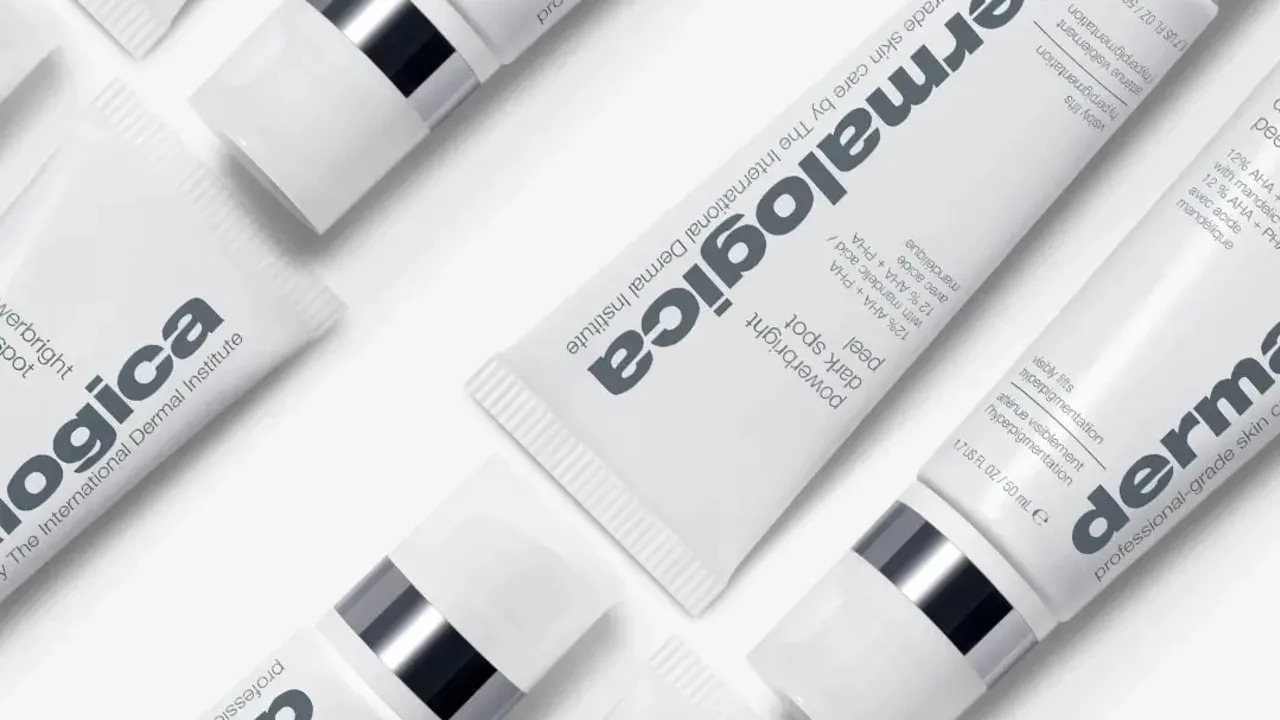
Jun
Dark spots on the body are a common skincare concern that can affect people of all skin tones and ages. Whether caused by sun exposure, acne scars, insect bites, friction, or skin irritation, these areas of discoloration often leave people wondering: Can body care products lighten dark spots?
The answer is yes—many body care products can help reduce the appearance of dark spots over time. However, results depend on the cause of the pigmentation, the ingredients used, and the consistency of your skincare routine. While body lotions and treatments may not erase dark spots overnight, the right products can gradually improve skin tone and promote a brighter, more even complexion.
This guide explains how body care products work, which ingredients are most effective, and what you can realistically expect from treatment.
What Are Dark Spots on the Body?
Dark spots, also known as hyperpigmentation, occur when certain areas of the skin produce excess melanin.
They commonly appear on:
- Arms
- Legs
- Back
- Chest
- Shoulders
- Underarms
- Knees
- Elbows
Dark spots may develop due to:
- Sun damage
- Acne and body breakouts
- Skin inflammation
- Insect bites
- Cuts and wounds
- Friction
- Hormonal changes
The good news is that many forms of hyperpigmentation respond well to topical skincare products.
How Do Body Care Products Help Fade Dark Spots?
Body care products work by targeting one or more of the processes involved in pigmentation.
They may help by:
- Reducing excess melanin production
- Encouraging skin cell turnover
- Removing dead skin cells
- Improving skin hydration
- Supporting skin renewal
Over time, these actions can help dark spots become less visible and blend more evenly with the surrounding skin.
Best Ingredients for Lightening Dark Spots
Not all body lotions and creams are designed to treat pigmentation. Products containing scientifically supported brightening ingredients tend to be the most effective.
Vitamin C
Vitamin C is a powerful antioxidant known for its brightening properties.
Benefits include:
- Improving skin radiance
- Reducing visible discoloration
- Supporting collagen production
- Protecting against environmental damage
Vitamin C works particularly well for sun-induced dark spots.
Niacinamide
Niacinamide is one of the most versatile skincare ingredients.
It may help:
- Improve uneven skin tone
- Reduce redness
- Strengthen the skin barrier
- Minimize the appearance of pigmentation
Because it is generally gentle, niacinamide is suitable for most skin types.
Alpha Arbutin
Alpha arbutin is widely used in brightening products because it targets melanin production.
Benefits include:
- Gradual fading of dark spots
- Improved skin clarity
- More even skin tone
It is commonly found in body serums and targeted spot treatments.
Kojic Acid
Kojic acid is often used to treat hyperpigmentation and sun damage.
It may help:
- Brighten dull skin
- Reduce discoloration
- Improve overall skin tone
Regular use is typically necessary to see visible results.
Tranexamic Acid
Tranexamic acid has become increasingly popular for addressing stubborn pigmentation.
It may help:
- Fade dark patches
- Improve uneven skin tone
- Reduce post-inflammatory hyperpigmentation
Many advanced body-brightening products now include this ingredient.
The Role of Exfoliation in Treating Dark Spots
Exfoliation is an important part of fading body pigmentation.
By removing dead skin cells, exfoliation helps:
- Accelerate skin renewal
- Improve product absorption
- Reveal fresher skin underneath
- Enhance overall brightness
Effective Exfoliating Ingredients
Glycolic Acid
Helps remove surface pigmentation and improve skin texture.
Lactic Acid
Provides gentle exfoliation while maintaining hydration.
Salicylic Acid
Useful for individuals with body acne and post-acne marks.
Regular exfoliation can significantly improve the effectiveness of brightening treatments.
Can Body Lotions Alone Remove Dark Spots?
Body lotions can help improve the appearance of pigmentation, but results vary depending on the severity of the discoloration.
Lotions are most effective for:
- Mild hyperpigmentation
- Early dark spots
- Post-acne marks
- Sun-related discoloration
More stubborn pigmentation may require:
- Stronger active ingredients
- Prescription treatments
- Professional dermatological procedures
However, many people see noticeable improvements with consistent use of brightening body lotions.
Why Moisturizing Matters
Healthy, hydrated skin often responds better to brightening treatments.
Moisturizers help:
- Strengthen the skin barrier
- Reduce irritation
- Improve skin texture
- Support the healing process
Look for ingredients such as:
- Ceramides
- Glycerin
- Hyaluronic acid
- Shea butter
- Squalane
These ingredients support overall skin health while brightening products do their work.
The Importance of Daily Sunscreen
One of the biggest reasons dark spots persist is ongoing sun exposure.
Without sunscreen, UV rays can:
- Trigger additional pigmentation
- Darken existing spots
- Slow treatment progress
For exposed areas of the body, apply:
- Broad-spectrum SPF 30 or higher
every day.
Sun protection is essential for maintaining and improving results.
How Long Does It Take to Fade Dark Spots?
Patience is key when treating pigmentation.
Most people begin noticing improvement after:
- 4 to 8 weeks of consistent use
More stubborn dark spots may require:
- 3 to 6 months or longer
The timeline depends on factors such as:
- Depth of pigmentation
- Skin type
- Sun exposure habits
- Product formulation
Consistency often matters more than using multiple products at once.
Common Mistakes That Slow Results
Skipping Sunscreen
UV exposure can quickly reverse progress.
Over-Exfoliating
Too much exfoliation may cause irritation and worsen pigmentation.
Using Too Many Active Ingredients
Combining multiple strong treatments can damage the skin barrier.
Expecting Overnight Results
Hyperpigmentation fades gradually and requires long-term care.
A Simple Routine for Fading Body Dark Spots
Morning
- Gentle body cleanser
- Brightening lotion with niacinamide or vitamin C
- SPF 30+ sunscreen on exposed skin
Evening
- Cleanser
- Exfoliating body treatment (2–3 times weekly)
- Moisturizing body lotion
- Targeted dark spot treatment if needed
Following a consistent routine can maximize results over time.
When to Consult a Dermatologist
Consider professional advice if:
- Dark spots are worsening
- Pigmentation is widespread
- Home treatments show little improvement
- Discoloration developed suddenly
- You suspect an underlying skin condition
A dermatologist can determine the cause and recommend advanced treatment options.
So, can body care products lighten dark spots? Absolutely. Products containing ingredients such as vitamin C, niacinamide, alpha arbutin, kojic acid, tranexamic acid, and exfoliating acids can gradually improve hyperpigmentation and promote a more even skin tone.
The key is consistency. Combining targeted treatments with regular moisturizing, gentle exfoliation, and daily sun protection gives your skin the best opportunity to fade discoloration and regain a brighter, healthier appearance.
While dark spots rarely disappear overnight, a well-planned body care routine can lead to noticeable improvements and long-lasting results over time.

