
Beauty Unlocked
Top Skin-Brightening Ingredients for the Body
Jun
Uneven skin tone, dark spots, post-inflammatory pigmentation, and dullness can affect not only the face but also the body. Areas such as the elbows, knees, underarms, neck, arms, and legs are particularly prone to discoloration due to sun exposure, friction, and skin irritation. This often leads people to ask: Which ingredients help brighten body skin?
The good news is that many skincare ingredients have been scientifically studied for their ability to improve skin tone, reduce pigmentation, and enhance overall radiance. When used consistently and combined with proper sun protection, these ingredients can help reveal brighter, smoother, and healthier-looking skin.
In this guide, we’ll explore the most effective body-brightening ingredients and how they work.
What Causes Body Skin to Appear Dark or Dull?
Before choosing brightening products, it’s important to understand the common causes of body discoloration.
These include:
- Sun exposure
- Dead skin cell buildup
- Friction from clothing or skin rubbing
- Post-acne marks
- Dryness
- Hormonal changes
- Aging
- Inflammation
Addressing these underlying factors can significantly improve the effectiveness of brightening treatments.
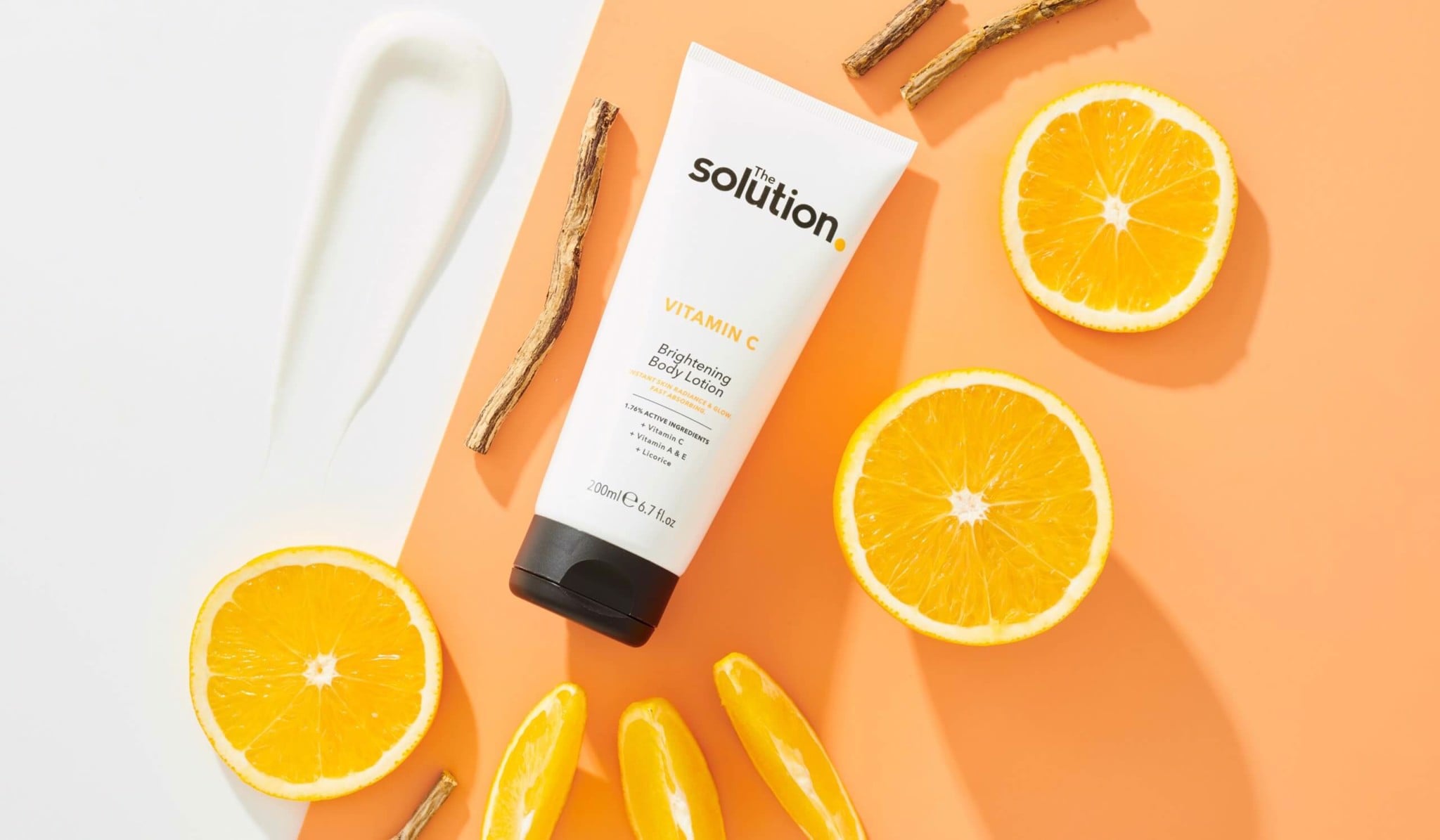
1. Vitamin C
Vitamin C is one of the most popular and effective brightening ingredients in skincare.
How Vitamin C Helps
Vitamin C may:
- Improve skin radiance
- Reduce the appearance of dark spots
- Support collagen production
- Protect against environmental damage
- Promote a more even skin tone
As an antioxidant, it also helps defend the skin from free radicals generated by UV exposure and pollution.
Best For
- Sun-related discoloration
- Dull skin
- Uneven skin tone
- Early signs of aging
Vitamin C is commonly found in body serums, lotions, and creams.
2. Niacinamide
Niacinamide, also known as vitamin B3, is a versatile ingredient suitable for most skin types.
Benefits of Niacinamide
It may help:
- Brighten skin tone
- Reduce redness
- Improve skin barrier function
- Minimize post-inflammatory pigmentation
- Improve skin texture
Niacinamide is particularly beneficial because it brightens while also calming the skin.
Best For
- Sensitive skin
- Uneven pigmentation
- Underarm discoloration
- Post-acne marks
3. Alpha Arbutin
Alpha arbutin is widely recognized for its brightening properties.
How It Works
Alpha arbutin helps reduce the appearance of excess pigmentation by targeting melanin production.
Benefits include:
- Improved skin clarity
- Reduced dark spots
- More even complexion
- Gradual fading of discoloration
Best For
- Dark knees
- Dark elbows
- Underarm pigmentation
- Sun spots
Consistent use is usually required for visible improvements.
4. Lactic Acid
Lactic acid is an alpha hydroxy acid (AHA) that provides both exfoliating and hydrating benefits.
Benefits of Lactic Acid
Lactic acid helps:
- Remove dead skin cells
- Brighten dull skin
- Improve rough texture
- Increase skin smoothness
Unlike stronger acids, lactic acid is often well tolerated by dry and sensitive skin types.
Best For
- Dry skin
- Rough patches
- Uneven texture
- Dull body skin
5. Glycolic Acid
Glycolic acid is one of the most effective exfoliating acids available.
How Glycolic Acid Helps
It works by dissolving the bonds between dead skin cells, encouraging skin renewal.
Benefits include:
- Brighter skin
- Smoother texture
- Improved discoloration
- Enhanced skin turnover
Best For
- Sun damage
- Rough skin
- Hyperpigmentation
- Thickened skin areas
Because glycolic acid can increase sun sensitivity, sunscreen is essential.
6. Kojic Acid
Kojic acid is a well-known brightening ingredient often used in pigmentation treatments.
Benefits
It may help:
- Reduce dark spots
- Improve uneven skin tone
- Brighten sun-damaged skin
- Support a more radiant complexion
Best For
- Hyperpigmentation
- Age spots
- Persistent discoloration
Kojic acid is commonly included in brightening soaps, creams, and serums.
7. Licorice Root Extract
Licorice root extract is a naturally derived ingredient frequently used in brightening formulations.
Benefits
It may help:
- Calm irritated skin
- Reduce visible discoloration
- Improve overall skin brightness
- Support an even complexion
Best For
- Sensitive skin
- Redness
- Mild pigmentation concerns
Its soothing properties make it a popular ingredient in body care products.
8. Azelaic Acid
Azelaic acid is a multifunctional ingredient that helps improve both pigmentation and skin clarity.
Benefits
Azelaic acid may:
- Fade post-inflammatory marks
- Improve uneven tone
- Reduce redness
- Support smoother skin
Best For
- Acne-prone skin
- Body acne marks
- Uneven pigmentation
It is generally considered suitable for sensitive skin.
9. Retinol
Retinol is known for its ability to accelerate skin cell turnover.
Benefits
Regular use may help:
- Fade discoloration
- Improve skin texture
- Enhance skin renewal
- Support smoother, brighter skin
Best For
- Sun damage
- Aging skin
- Stubborn pigmentation
Because retinol can be irritating, it should be introduced gradually.
10. Tranexamic Acid
Tranexamic acid has become increasingly popular in brightening skincare products.
Benefits
It may help:
- Improve hyperpigmentation
- Reduce dark patches
- Promote a more even complexion
Best For
- Persistent discoloration
- Post-inflammatory pigmentation
- Uneven skin tone
Many modern brightening body lotions now include this ingredient.
11. Ceramides and Hydrating Ingredients
While not traditional brightening agents, hydration plays a major role in skin radiance.
Ingredients such as:
- Ceramides
- Hyaluronic acid
- Glycerin
- Squalane
help:
- Strengthen the skin barrier
- Improve texture
- Reduce dullness
- Enhance overall glow
Healthy, hydrated skin naturally appears brighter.
Ingredients That Work Well Together
Many brightening ingredients can complement each other.
Popular combinations include:
Vitamin C + Niacinamide
Helps improve radiance while supporting the skin barrier.
Alpha Arbutin + Niacinamide
Targets discoloration while minimizing irritation.
Lactic Acid + Moisturizing Ingredients
Promotes smoother, brighter skin without excessive dryness.
Tranexamic Acid + Vitamin C
Supports a more even skin tone and enhanced brightness.
The Importance of Sunscreen
Even the most effective brightening ingredients cannot deliver optimal results without sun protection.
Daily sunscreen helps:
- Prevent new pigmentation
- Protect skin from UV damage
- Maintain brightening results
- Reduce future discoloration
Choose:
- Broad-spectrum SPF 30 or higher
for all exposed areas of the body.
How Long Does It Take to See Results?
Body skin often renews more slowly than facial skin.
Most people notice improvements after:
- 4–8 weeks of consistent use
More stubborn pigmentation may require:
- Several months of regular treatment
Patience and consistency are essential.
So, which ingredients help brighten body skin? The most effective options include vitamin C, niacinamide, alpha arbutin, glycolic acid, lactic acid, kojic acid, azelaic acid, retinol, and tranexamic acid. These ingredients work in different ways to improve skin tone, fade discoloration, promote skin renewal, and enhance overall radiance.
For the best results, combine brightening treatments with daily moisturization, gentle exfoliation, and consistent sunscreen use. Over time, these habits can help reveal smoother, healthier, and more evenly toned skin from head to toe.

