
Hair Care
36 People Who Turned Log Piling Into An Art Form
Jul
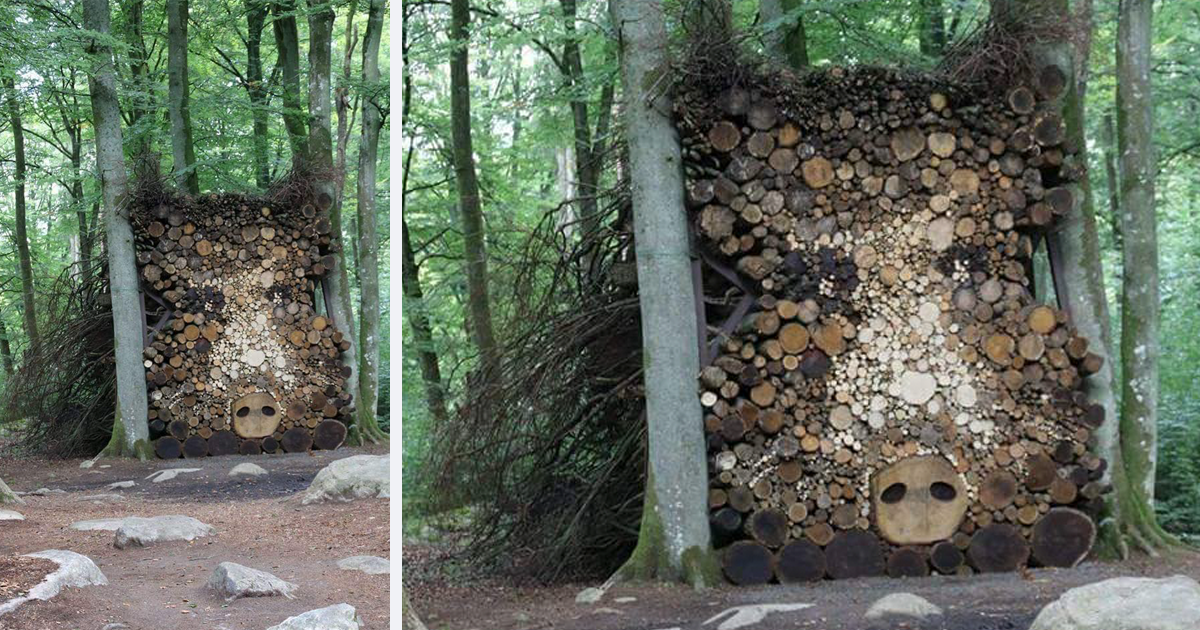
Most people look at a pile of firewood and see future heat, sore shoulders, and at least one suspicious spider. A more imaginative group sees something else entirely: a blank canvas made of bark, rings, knots, split grain, and wonderfully irregular shapes.
Creative log piling transforms an ordinary winter chore into temporary outdoor art. Carefully arranged pieces become owls, woodland animals, spirals, cabins, faces, landscapes, and geometric sculptures. Some designs are playful, others are astonishingly precise, and nearly all of them make the neighbor’s leaning woodpile look as though it has stopped trying.
These 36 examples show how practical firewood storage can become rustic sculpture without forgetting its original purpose. The artworks may eventually disappear into a stove or fireplace, but that temporary quality is part of their charm. This is art with an expiration dateand possibly a very cozy ending.
How Firewood Became an Unexpected Artistic Medium
Logs offer far more visual variety than they receive credit for. Freshly split wood can reveal pale cream, warm gold, reddish brown, smoky gray, or deep chocolate tones. Bark adds another layer of texture, ranging from smooth and papery to thick, cracked, and rugged.
The circular ends of logs act like pixels in a giant natural mosaic. Small rounds can create detailed eyes and feathers, while broad pieces form shadows, outlines, and solid backgrounds. Split wedges produce directional lines, and crooked branches add movement that perfectly straight lumber could never imitate.
Because no two pieces are identical, woodpile artists must work with the material rather than force it into submission. A curved log might become a bird’s eyebrow. A dark knot may turn into a pupil. One inconvenient forked branch suddenly becomes the antler that completes an entire deer.
The result sits somewhere between sculpture, mosaic, land art, and an extremely ambitious household chore.
36 Remarkable Ways People Turned Log Piling Into Art
Woodland Animals and Familiar Faces
-
1. The Watchful Owl Mosaic
One of the most striking approaches uses pale log ends to shape an owl’s face while darker bark creates the outline. Large circular pieces become intense eyes, making the finished bird appear ready to supervise every mouse, squirrel, and delivery driver in the neighborhood.
-
2. The Forest Hog
A rounded stack can easily suggest the bulky body of a wild boar. Add a projecting snout, small ears, and short log legs, and a winter fuel supply becomes a surprisingly convincing woodland resident.
-
3. The Log-Pile Fox
Triangular pieces naturally suit a fox’s pointed ears and narrow muzzle. Artists often use reddish wood at the center and darker bark around the edges to create the animal’s familiar mask.
-
4. The Sleeping Bear
Broad, rounded rows form the body of a curled bear, while smaller rounds define its nose and paws. The pose works especially well because a relaxed bear and a gently sloping woodpile share roughly the same silhouette.
-
5. The Curious Hedgehog
Short branches placed at outward angles create hundreds of wooden “spines.” A smooth, pointed face at one end completes a sculpture that looks adorable from a distance and deeply inconvenient to rest against.
-
6. The Majestic Stag
A stag design requires careful planning, particularly around the antlers. Forked branches and slender limbs provide natural curves, allowing the silhouette to rise dramatically above a dense wall of split firewood.
Birds Built One Log at a Time
-
7. The Full-Body Owl
Rather than creating only a face, some stackers build an entire owl. Symmetrical wings spread across the pile, dark pieces outline the body, and two oversized log rounds deliver the required expression of permanent surprise.
-
8. The Proud Rooster
Long, thin pieces can be fanned into tail feathers, while reddish bark forms the comb. This design brings farmyard personality to a woodshed and presumably starts no earlier than sunrise, which is already an improvement over a real rooster.
-
9. The Perched Eagle
A dark background makes a pale eagle silhouette stand out. Layered split pieces suggest feathers, and the hooked beak is often formed from one carefully selected wedge.
-
10. The Pair of Lovebirds
Two birds facing each other create an attractive romantic centerpiece. Their bodies can be mirrored on either side of a heart, circle, or central tree motif.
-
11. The Woodpecker in Action
A vertical arrangement turns the entire pile into a tree trunk, with a smaller bird shape attached to the side. The composition is clever because the material becomes both the subject and its setting.
-
12. The Feathered Peacock
This is where log piling abandons modesty. Small wood rounds spread into a giant fan, with contrasting knots and rings serving as the famous “eyes” of the tail feathers.
Landscapes and Natural Illusions
-
13. The Fallen Tree Illusion
Artists arrange cut rounds to create the image of a complete tree lying across the stack. The irony is difficult to miss: a tree made from pieces of trees, depicting a tree that has already fallen.
-
14. The Mountain Sunrise
Dark bark forms mountain peaks while pale yellow logs create a rising sun. Horizontal layers suggest distant ridges, giving the flat face of the stack surprising depth.
-
15. The Forest Within a Forest
Vertical branches become trunks, narrow splits become limbs, and darker pieces fill the spaces between them. Placed at the edge of real woods, the design creates a pleasing visual echo.
-
16. The Rolling Ocean Wave
Curved rows of split wood can imitate a breaking wave. Alternating pale and dark pieces emphasize the curl, proving that even a dry woodpile can look unexpectedly aquatic.
-
17. The Glowing Sunset
Warm-toned species are sorted into broad bands of gold, orange-brown, and deep red. A dark foreground completes a landscape that appears to glow even without paint.
-
18. The Moonlit Cabin Scene
A small house, pine trees, and a round wooden moon can be built into the face of a larger stack. The picture resembles rustic folk art, except every brushstroke weighs several pounds.
Geometry, Spirals, and Optical Tricks
-
19. The Giant Spiral
A spiral wood sculpture uses the direction of split logs to pull the eye toward the center. The pattern looks dynamic even though every component is firmly stationaryor should be.
-
20. The Concentric Target
Logs of similar diameter are organized into circular bands. Contrasting species create rings that resemble a target, tree rings, or the world’s least portable dartboard.
-
21. The Checkerboard Wall
Blocks of bark-facing and cut-facing wood alternate across the stack. The concept is simple, but precise spacing creates a polished architectural effect.
-
22. The Wooden Mandala
Repeated radial patterns turn individual logs into petals, arrows, and stars. Symmetry is essential, making this one of the more demanding forms of decorative firewood stacking.
-
23. The Impossible Arch
Carefully supported logs form an opening through the center of the pile. When properly engineered, the surrounding wood appears to float over the gap like rustic masonry.
-
24. The Woven Basket Pattern
Alternating horizontal and vertical bundles produce the illusion of oversized weaving. The technique also provides structural reinforcement when used at the ends of a traditional stack.
Buildings, Vehicles, and Everyday Objects
-
25. The Miniature Log Cabin
A woodpile shaped like a cabin is delightfully self-referential. A pitched roof sheds water, small openings suggest windows, and corner-crossed logs imitate classic cabin construction.
-
26. The Firewood Castle
Round towers, battlements, and arched entrances transform the yard into a medieval stronghold. Its defenses are impressive, although the entire fortress remains vulnerable to someone carrying kindling.
-
27. The Wooden Locomotive
Large rounds become wheels, a projecting cylinder forms the boiler, and a tall chimney completes the engine. It is a wonderful example of selecting logs according to shape rather than merely size.
-
28. The Rustic Truck
A boxy stack naturally lends itself to an old pickup profile. Dark wheel circles and a contrasting cab make the vehicle recognizable without a drop of paint.
-
29. The Giant Wooden Vase
Rows gradually widen and narrow to create the outline of a vessel. Branches or dried flowers placed at the top complete an outdoor arrangement on a heroic scale.
-
30. The Oversized Heart
Dark logs frame a heart filled with pale wood rounds. It is popular for wedding venues, cabins, and anyone who wants to tell the world, “I love you, and I am prepared for winter.”
Traditional Forms Elevated by Creative Design
-
31. The Beehive-Shaped Holz Hausen
This circular European-style woodpile is beautiful even without added imagery. Logs form an inward-leaning outer wall around a looser center, while the top is shaped into a conical wooden roof.
-
32. The Round Woodpile With a Hidden Door
Some builders leave a doorway-like recess in a circular stack. It adds architectural character and may provide access to the center, although children will immediately assume it belongs to a wizard.
-
33. The Rainbow of Natural Wood Tones
Different species are sorted by color rather than painted. Pale birch, reddish cedar, gray weathered wood, and dark bark create a natural gradient with no artificial finish required.
-
34. The Living Woodpile
Planters, moss, or hardy trailing plants are integrated into protected sections of the structure. Greenery softens the geometry and makes the pile appear to be slowly returning to the landscape.
-
35. The Illuminated Log Wall
Low-voltage outdoor lighting placed aroundnot buried insidethe stack emphasizes texture after dark. Shadows between irregular logs give the wall depth and drama.
-
36. The Seasonal Story Wall
A large stack becomes a changing display throughout the year. Autumn leaves, winter stars, spring flowers, or summer animals can be outlined with contrasting logs and rearranged as wood is used.
Why These Creative Woodpiles Look So Impressive
Natural Color Does the Work of Paint
The most successful woodpile art usually relies on contrast. Fresh-cut ends are lighter than bark, weathered pieces develop silvery surfaces, and different species introduce subtle variations in color. Sorting the wood before stacking gives the artist a practical palette.
Repetition Creates Visual Rhythm
Hundreds of circular log ends produce a pattern before the artist creates any recognizable image. Repeating similar sizes makes the surface feel orderly, while a few larger pieces can emphasize eyes, wheels, moons, or focal points.
Imperfections Add Character
Knots, cracks, bends, forks, and uneven cuts are not defects in this type of art. They are special effects provided free of charge by the forest. The oddest piece in the pile may become the detail that makes the design memorable.
The Art Is Temporary
Firewood sculptures change as they dry, settle, and are gradually dismantled. That impermanence connects them to land art and other installations made from natural materials. The creator knows from the beginning that the finished work will not last forever.
How to Make Log Piling Art Without Creating a Wooden Avalanche
Creative ambition should never outrun structural common sense. A decorative stack still needs to season properly, remain stable, and stay safely positioned.
Start With a Firm, Elevated Base
Keep firewood off bare soil by using rails, masonry supports, or a sound outdoor rack. Elevation reduces ground moisture and encourages air movement beneath the pile. The foundation should be level before artistic stacking begins.
Use Large, Stable Pieces Near the Bottom
Heavy and evenly shaped logs create a dependable base. Save smaller rounds and decorative pieces for the upper sections, where they can add detail without supporting excessive weight.
Build Strong Ends
Alternating perpendicular layers can create cribbed end towers that help hold a straight stack together. Circular piles should lean gently inward rather than outward. Stop immediately if a section begins to bulge or shift.
Protect the Top, Not the Entire Pile
A roof or top cover helps shed rain and snow, but wrapping every side can trap moisture. Open sides allow wind to pass through the wood and support the seasoning process.
Check Moisture Before Burning
Properly seasoned firewood burns more efficiently and produces less smoke than wet wood. A moisture meter should be used on a newly split interior face, with a reading below approximately 20 percent generally preferred for burning.
Choose a Safe Location
A woodpile should not lean against a home, deck, or other structure. Distance helps reduce problems involving insects, rodents, moisture, and wildfire exposure. Local fire-safety guidance may recommend substantially greater separation during periods of high fire danger.
Use Local Firewood
Transporting untreated firewood over long distances can spread invasive insects and tree diseases. Source wood locally, follow regional movement restrictions, and avoid turning a beautiful sculpture into an accidental pest-delivery system.
Experiences From Building and Living With Decorative Log Piles
The first lesson of decorative log piling is that the design drawn on paper will become more of a polite suggestion once actual wood enters the conversation. Sketches contain perfect circles, matching wedges, and obedient straight lines. Real firewood contains elbows, knots, bark flakes, mysterious holes, and pieces that refuse to sit anywhere except the exact spot where they block the owl’s left eye.
Sorting is therefore the unglamorous beginning of the creative process. Large pieces go in one group, small rounds in another, and unusually dark or pale logs become the “special effects” pile. Forked branches deserve their own category because they can become antlers, claws, roof peaks, or the final piece that saves a complicated outline.
Building from the bottom teaches patience quickly. A rushed foundation may look acceptable at knee height, but every tiny error becomes more dramatic as the stack rises. A slight outward tilt at the third row can become a full wooden belly by the tenth. Taking a few minutes to step back, check the profile, and correct the angle prevents an energetic encounter with gravity later.
There is also an interesting shift in the way a builder sees individual logs. At first, they are fuel measured by volume. After several hours of designing, each piece develops a personality. One log has the perfect crescent shape. Another has bark that looks like an eyebrow. A beautifully round section becomes too valuable to burn casually and is repeatedly moved from project to project like a talented employee who never receives a day off.
Neighbors tend to notice the project before it is finished. Some immediately understand the image. Others tilt their heads, offer encouraging noises, and ask whether the large spiral is “supposed to be something.” Children usually identify three additional animals that the builder never intended, proving either that the artwork is wonderfully imaginative or that quality control has collapsed.
Weather adds another layer to the experience. Rain deepens the bark’s color, sunlight brightens freshly split faces, and frost outlines every piece. A design that looks flat at noon may become dramatic in late-afternoon light when small shadows sharpen its pattern. Seasonal changes effectively collaborate with the artist.
The hardest moment arrives when the wood is finally needed. Removing the first log from a finished picture feels strangely destructive, particularly when it comes from the center of a carefully arranged face. Sensible builders plan the dismantling order in advance, using the least important outer sections first. Even then, the owl eventually loses an ear, the stag misplaces an antler, and the castle experiences a rapid decline in property values.
Yet dismantling the work is not a failure. It completes the project. The same material that provided months of outdoor beauty becomes useful heat, and the empty space creates an opportunity for a new design next season. Photographs preserve the finished image, but the real reward lies in the process: sorting, balancing, experimenting, correcting, and discovering that an ordinary task can become surprisingly creative.
Perhaps that is why log piling art is so appealing. It does not require a formal studio, rare materials, or permission from an art committee. It begins with what is already available and asks one simple question: since the wood must be stacked anyway, why not make it unforgettable?
Conclusion
The 36 people who turned log piling into an art form demonstrate that creativity is not limited by material. A practical supply of winter firewood can become a giant owl, a mountain landscape, a locomotive, a geometric mandala, or a tiny wooden castle guarded by absolutely no one.
The best examples balance imagination with function. They use natural color, texture, repetition, and carefully chosen shapes while preserving airflow and structural stability. They also embrace impermanence. Every masterpiece will eventually shrink as the weather turns cold and logs are carried indoors.
That may be the finest part of the idea. Log piling art is beautiful without being precious. It can be admired, photographed, taken apart, burned, and rebuilt in an entirely new form the following year. Not many art collections can warm the house after the exhibition closes.
Note: This original article synthesizes established artistic, forestry, firewood-seasoning, pest-prevention, and wildfire-safety guidance from reputable U.S. publications and agencies. Research basis includes EPA Burn Wise, NFPA, USDA Forest Products Laboratory, university extension resources, and documented firewood-art galleries.

