
Skincare
20 Android Tablets Form An Interactive Photo Collage
Jun
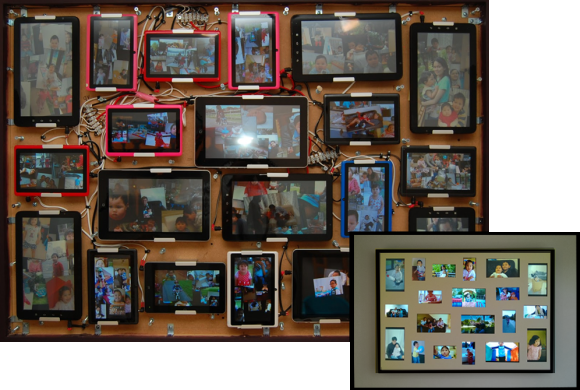
Some people see an old Android tablet and think, “That would make a nice digital photo frame.” A maker sees twenty of them and thinks, “What if I built a glowing, touchable, slightly ridiculous wall of memories?” That is the deliciously nerdy idea behind 20 Android Tablets Form An Interactive Photo Collage: a multi-screen photo display where each tablet becomes one tile in a larger visual experience.
At first glance, it sounds like a weekend project that got loose in a hardware drawer. But look closer and you’ll see a surprisingly smart concept: combine affordable Android tablets, photo-display software, network coordination, touch interaction, and a little creative mounting, and suddenly a pile of screens becomes an interactive installation. It is part digital photo frame, part gallery wall, part touchscreen exhibit, and part “please explain why there are twenty chargers plugged in.”
This kind of Android tablet photo collage is more than a quirky maker build. It shows how reused consumer devices can become immersive displays for homes, schools, museums, retail spaces, events, offices, and community projects. With the right planning, a tablet array can show family photos, art portfolios, brand stories, event highlights, historical timelines, product demos, or user-generated images in a way that a single monitor simply cannot match.
What Is an Interactive Android Tablet Photo Collage?
An interactive Android tablet photo collage is a group of Android tablets arranged together to display photos as one coordinated visual system. Each tablet may show a separate image, a cropped section of a larger image, a rotating slideshow, or a touch-responsive media tile. When twenty tablets are used, the result feels less like a screen and more like a living mosaic.
The magic comes from the grid. One tablet is a device. Four tablets are a conversation starter. Twenty tablets become architecture. The display can be arranged in neat rows, a scattered art-wall pattern, a rectangular video-wall style layout, or a playful shape that fits the room. The tablets do not have to be identical, although matching screen sizes, aspect ratios, brightness, and bezels will make the final installation look cleaner.
The interactive part can be simple or advanced. In a basic setup, visitors tap a tablet to enlarge a photo, switch albums, play a short video, or reveal a caption. In a more advanced build, tablets can communicate with a server, synchronize transitions, respond to gestures, or change content based on time, location, or audience input.
Why Use 20 Android Tablets Instead of One Giant Screen?
A single large display is easier. It has one power cable, one operating system, one panel, and one set of problems. But twenty Android tablets bring a different personality to the project. Instead of one smooth rectangle, you get a collage with physical rhythm: bezels, spacing, orientation, and individual touch points. It feels handmade and futuristic at the same time, like a scrapbook that accidentally joined a robotics club.
Android tablets are also flexible. They can run web apps, native Android apps, slideshow software, digital signage tools, kiosk-mode experiences, or custom-built interfaces. Many older tablets still have perfectly usable screens, Wi-Fi, touch input, speakers, storage, and batteries. For a photo collage, those features are gold.
Using multiple tablets also creates redundancy. If one tablet fails, the entire installation does not go dark. One blank tile is annoying, but it is not a disaster. The setup can also be expanded over time. Start with six tablets, learn what breaks, then grow to twenty when your confidence catches up with your cable management.
The Core Idea Behind a 20-Tablet Photo Wall
The original appeal of a project like this is beautifully simple: gather a small army of Android tablets and turn them into a “giant interactive photo array.” Each tablet becomes a mini digital frame. Together, they create a wall-scale image experience that people can touch, explore, and enjoy.
There are two common ways to design the content. The first is the independent tile method, where each tablet shows its own photo or slideshow. This is easier to build and works well for event galleries, family walls, travel memories, student projects, or customer testimonials. The second is the unified image method, where one large photo is divided into twenty sections so the tablets form a single big picture. This looks dramatic, but it requires more precise alignment, image cropping, and synchronization.
A hybrid approach is often best. The wall can show individual photos most of the time, then occasionally switch into a full-array moment where all tablets combine into one panoramic image, logo, artwork, or animated transition. That gives the display variety without turning setup into a never-ending puzzle involving rulers, Wi-Fi, and regret.
Hardware Needed for a 20 Android Tablet Collage
1. Android Tablets
The tablets are the stars of the show. Ideally, choose devices with similar screen sizes, resolutions, brightness levels, and Android versions. A mixed collection can still work, but it will look more like a charming tech bazaar than a polished installation. For public spaces, tablets with reliable charging ports, good Wi-Fi, and stable performance matter more than cutting-edge processors.
2. A Mounting System
Mounting is where dreams meet gravity. You can use custom frames, wall brackets, tablet stands, magnetic mounts, acrylic panels, or a wooden backing board with cable channels. The tablets should be secure, level, easy to remove for maintenance, and spaced consistently. If the collage is interactive, mount the tablets at a comfortable touch height so visitors do not need yoga training to tap the top row.
3. Power Management
Twenty tablets mean twenty batteries, twenty charging cables, and one very serious conversation with your power strip. A clean installation should use organized cable routing, surge protection, reliable chargers, and safe ventilation. For permanent or semi-permanent displays, do not rely on battery power. Keep devices plugged in, but avoid overheating by leaving airflow around each unit.
4. Wi-Fi and Local Network
If the tablets need synchronized content, remote updates, or server control, a strong local network is essential. A dedicated router can reduce headaches, especially in crowded spaces where public Wi-Fi behaves like a sleepy raccoon. For advanced installations, a local server can host images, send commands, track device status, and keep the collage running even if internet access disappears.
5. Content Management Software
The software can be as simple as a slideshow app or as advanced as a custom Android application. Digital signage tools can schedule playlists, rotate media, and manage multiple screens. A web-based dashboard can also work well: each tablet opens a fullscreen web page assigned to its position in the grid.
Software Approaches: Simple, Smart, and “I Know JavaScript Now”
Option 1: Slideshow Apps
The easiest method is to install a slideshow or digital photo frame app on every tablet. Load each device with a folder of photos, set the timing, enable fullscreen mode, and let the wall run. This is perfect for home projects, school displays, wedding receptions, small galleries, or office culture walls.
The downside is limited synchronization. One tablet may switch photos a second earlier than another. For many collage-style displays, that is not a problem. In fact, slightly staggered transitions can feel lively and organic. But if you want all twenty screens to snap into a single giant image at once, basic slideshow apps may not be enough.
Option 2: Web App in Fullscreen Mode
A web app is a powerful middle ground. Each Android tablet opens a browser in fullscreen or kiosk mode. The server assigns every tablet an ID, such as row 1 column 1 or tile 14. The web page then displays the right image, caption, animation, or interaction for that specific tablet.
This approach makes updates easier because the content lives on the server. Change the gallery once, refresh the devices, and the whole wall updates. It also allows creative effects such as synchronized fades, tap-to-reveal stories, voting, image shuffling, or audience-triggered transitions.
Option 3: Custom Android App
A native Android app gives the most control. Developers can manage touch events, offline storage, device status, screen brightness, local caching, synchronization, and kiosk behavior. Android’s dedicated-device and lock-task features are especially useful when the tablets are used as public displays because they help keep users inside the intended app instead of wandering into settings, games, or someone’s forgotten email account.
The tradeoff is development time. A custom app is worth it for a museum, brand activation, retail environment, school system, or long-term installation. For a one-night party, it may be overkill unless your idea of a relaxing Saturday involves debugging device provisioning.
Designing the Photo Collage So It Actually Looks Good
A twenty-tablet photo wall can look stunning, chaotic, or like a security camera control room that discovered Pinterest. The difference is design. Start with a clear visual system. Choose image ratios, color grading, transition speed, spacing, and caption style before loading hundreds of photos.
For a polished result, use photos with consistent brightness and composition. Avoid mixing tiny low-resolution screenshots with high-quality portraits unless the theme calls for it. Crop images intentionally for each tablet’s aspect ratio. If a person’s face lands behind a thick bezel, the wall may look less like art and more like a robot ate the family album.
Negative space matters too. Not every tablet needs to scream for attention all the time. Some screens can show soft background textures, dates, quotes, category labels, or simple color blocks. This gives the viewer’s eyes a place to rest and makes the important photos feel more meaningful.
Interactive Features That Make the Display Fun
Tap to Explore
The most natural feature is tap-to-explore. A visitor touches a photo and the tablet shows a larger version, a caption, a short story, or related images. This works beautifully for family history walls, school exhibitions, product showcases, travel diaries, and museum-style timelines.
Shuffle the Wall
A shuffle button can refresh all tablets with new photos. This keeps the display feeling alive and encourages repeat viewing. At events, people love seeing whether their photo appears in the next rotation. It is the wholesome version of waiting for your number at the deli counter.
Theme Modes
The wall can switch between themes: childhood memories, travel photos, behind-the-scenes images, customer stories, seasonal campaigns, team milestones, or “best pictures where nobody blinked.” Theme modes help organize large collections and prevent the collage from becoming visual soup.
Audience Contributions
For events, users can submit photos through a QR code or upload station. After moderation, selected images appear on the tablets. This turns the wall into a participatory experience instead of a passive slideshow. Moderation is important, because the internet remains the internet, even when wearing a nice shirt.
Where a 20-Tablet Interactive Collage Works Best
A multi-tablet photo collage can shine in many real-world environments. In a home, it becomes a modern family memory wall that rotates through vacations, birthdays, pets, and old scanned photos. In a school, it can show student art, science fair projects, historical timelines, club activities, or graduation memories.
In retail, an Android tablet collage can display product stories, customer photos, lookbooks, tutorials, or campaign visuals. Because each tablet is touch-enabled, shoppers can explore details without needing a staff member to guide every interaction. In an office, the wall can show team wins, company history, employee spotlights, event photos, or live social content.
Museums and galleries can use the format for interactive archives, oral history projects, digital exhibits, or layered storytelling. A single photograph can be beautiful, but twenty coordinated screens can show context: the people, the place, the timeline, the map, the quote, and the close-up details all at once.
Performance and Reliability: The Part Nobody Brags About
Every interactive display has two lives: the exciting demo and the long Tuesday afternoon when it must keep working. Reliability is not glamorous, but it is what separates a clever project from a display people trust.
Images should be optimized before loading them onto tablets. Huge photo files slow down transitions, waste storage, and make older devices sweat like they are running a marathon in a sweater. Resize images to match the actual tablet resolution, use efficient formats, and cache media locally when possible.
Brightness should be balanced across all tablets. If one screen is much brighter than the others, viewers will stare at it even if it is showing the least important image. Disable unnecessary notifications, automatic app updates, and screen timeout settings. For public installations, use kiosk mode or device management so the tablets stay focused on the collage.
Plan for maintenance. Label each tablet and charger. Keep a spreadsheet with device names, positions, serial numbers, app versions, Wi-Fi details, and content assignments. This may sound boring, but future you will be grateful when tablet number 17 starts acting dramatic five minutes before guests arrive.
Security and Privacy Considerations
Any public-facing Android tablet should be treated as a managed device, not a casual personal gadget. Remove personal accounts, disable access to private files, lock down settings, and use a dedicated app or browser profile. If visitors can upload photos, moderate submissions before they appear on the wall.
Privacy matters, especially when the display includes people’s faces, children, employees, or event guests. Get permission when needed, avoid sensitive personal information, and make it clear how uploaded photos will be used. A joyful interactive collage should feel welcoming, not like a surveillance board with better transitions.
How to Build a Simple Version
Start small before jumping to twenty tablets. Test with three or four devices first. Choose a layout, install your slideshow or web app, load sample photos, and watch how the screens behave for several hours. Look for charging problems, Wi-Fi dropouts, overheating, screen timeout issues, and awkward viewing angles.
Once the small version works, scale the system. Create a position map for all twenty tablets. Prepare image folders or content channels for each tile. Mount the tablets carefully, route cables cleanly, and test the full wall before adding final content. Then test again. Then invite someone who has never seen the project to use it. They will find the one confusing thing you stopped noticing three days ago.
Common Mistakes to Avoid
The first mistake is underestimating power. Tablets are easy individually, but twenty devices create a serious charging and cable-management challenge. The second mistake is using images that are too large, too random, or poorly cropped. The third mistake is forgetting that touchscreens invite touching. If the wall is interactive, people will poke it, swipe it, tap it repeatedly, and occasionally press it like they are trying to unlock ancient treasure.
Another common issue is inconsistent device behavior. Different Android versions, screen sizes, browser engines, and battery settings can create small but annoying differences. Standardize devices when possible, or design the experience so slight variation feels intentional.
Why This Project Still Feels Fresh
The idea of using Android tablets as a photo collage remains relevant because it sits at the intersection of reuse, creativity, and interaction. Instead of buying a massive commercial video wall, makers can experiment with devices they already own or can source affordably. Instead of hanging static prints, they can build a display that changes over time.
It also captures something people love about technology: the moment when ordinary objects become more than their original purpose. A tablet is usually a personal device. Put twenty of them together, and they become a shared experience. That shiftfrom personal screen to public canvasis what makes the concept memorable.
Experience Notes: Living With a 20-Tablet Interactive Photo Collage
Building or managing a display like 20 Android Tablets Form An Interactive Photo Collage teaches lessons that do not always appear in a neat tutorial. The first lesson is that the visual idea is the easy part. Everyone can imagine twenty tablets glowing on a wall. The real challenge is making twenty independent devices behave like one polite team instead of a classroom full of students after too much soda.
In practice, the best experience starts with planning the physical layout. Before mounting anything, place paper templates on the wall. Mark the screen size, bezel size, cable exit points, viewing height, and walking distance. This low-tech step prevents high-tech sadness. It also helps you decide whether the tablets should be aligned in a strict grid or arranged in a more organic collage pattern. A grid feels professional and video-wall-like. A scattered layout feels artistic and forgiving, especially when the tablets are not identical.
The second big lesson is that content needs rhythm. A twenty-screen wall can overwhelm viewers if every tablet changes at once or shows busy images all the time. A better approach is to create visual breathing room. Mix portraits with landscapes, close-ups with wide shots, bright images with calmer ones, and motion with stillness. If the display includes captions, keep them short. Nobody wants to read a novel on tablet number 12 while standing in a hallway with a coffee in one hand.
Touch interaction should also be obvious. People do not always know they are allowed to touch a display unless the interface invites them. Use simple prompts such as “Tap a photo to learn more” or subtle animated hints. Avoid tiny buttons near the edges of the screen, because tablet bezels and mounting frames can make them hard to reach. Large touch targets feel better and reduce accidental taps.
Maintenance becomes part of the experience too. Dust shows up quickly on black glass. Fingerprints multiply like tiny crime scenes. Charging cables loosen. Apps update. Wi-Fi hiccups. One tablet will eventually decide it is the main character and freeze on a loading screen. The solution is not panic; it is process. Keep spare chargers, microfiber cloths, a device map, and a simple restart routine. For public or business displays, schedule regular checks instead of waiting for someone to report that the “third screen from the left is having a moment.”
The most rewarding part is audience reaction. People naturally move closer to a multi-tablet wall. They scan, point, tap, compare, and talk. A single screen often turns viewers into watchers. A tablet collage turns them into explorers. That is the real win. The technology is interesting, but the shared discovery is what makes the installation feel alive.
For anyone considering a similar build, the best advice is to begin with a smaller prototype and scale gradually. Test the content, the lighting, the mounting, the software, and the human behavior around it. Once the system works with a few tablets, expanding to twenty becomes much less mysterious. Still messy? Absolutely. But in the best maker tradition, it is the kind of mess that ends with people smiling at a wall full of memories.
Conclusion
20 Android Tablets Form An Interactive Photo Collage is the kind of project that proves old devices can still have a second act. With thoughtful design, reliable power, smart software, and well-prepared images, a group of Android tablets can become an engaging digital photo wall for homes, schools, events, offices, galleries, and retail spaces.
The beauty of the idea is not just the number of screens. It is the way the screens work together. Each tablet holds one small piece of the story, but the full wall creates something larger, brighter, and more memorable. It is a reminder that interactive design does not always require futuristic hardware. Sometimes it starts with a pile of tablets, a good idea, and the courage to organize twenty charging cables without crying.
Note: This article is written for web publication in original language and is based on real concepts from Android tablet displays, digital signage, kiosk-mode setups, responsive image handling, and interactive multi-screen installations.

