
Hair Care
15 Amp vs. 20 Amp Outlets: What’s the Difference?
Aug
A 15 amp outlet and a 20 amp outlet can look almost identicaluntil one small T-shaped slot gives the game away. That notch affects which plugs the receptacle accepts, but the real difference goes deeper: circuit capacity, breaker size, wire gauge, appliance requirements, and electrical-code rules.
Choosing the larger number is not automatically an upgrade. The receptacle is only the visible endpoint of a branch circuit. If the breaker and wiring are rated for 15 amps, installing a 20 amp face does not create more capacity. It only gives an undersized circuit a more confident-looking mustache.
Here is how to tell these outlets apart, where each belongs, and what to verify before replacing one.
15 Amp vs. 20 Amp Outlets at a Glance
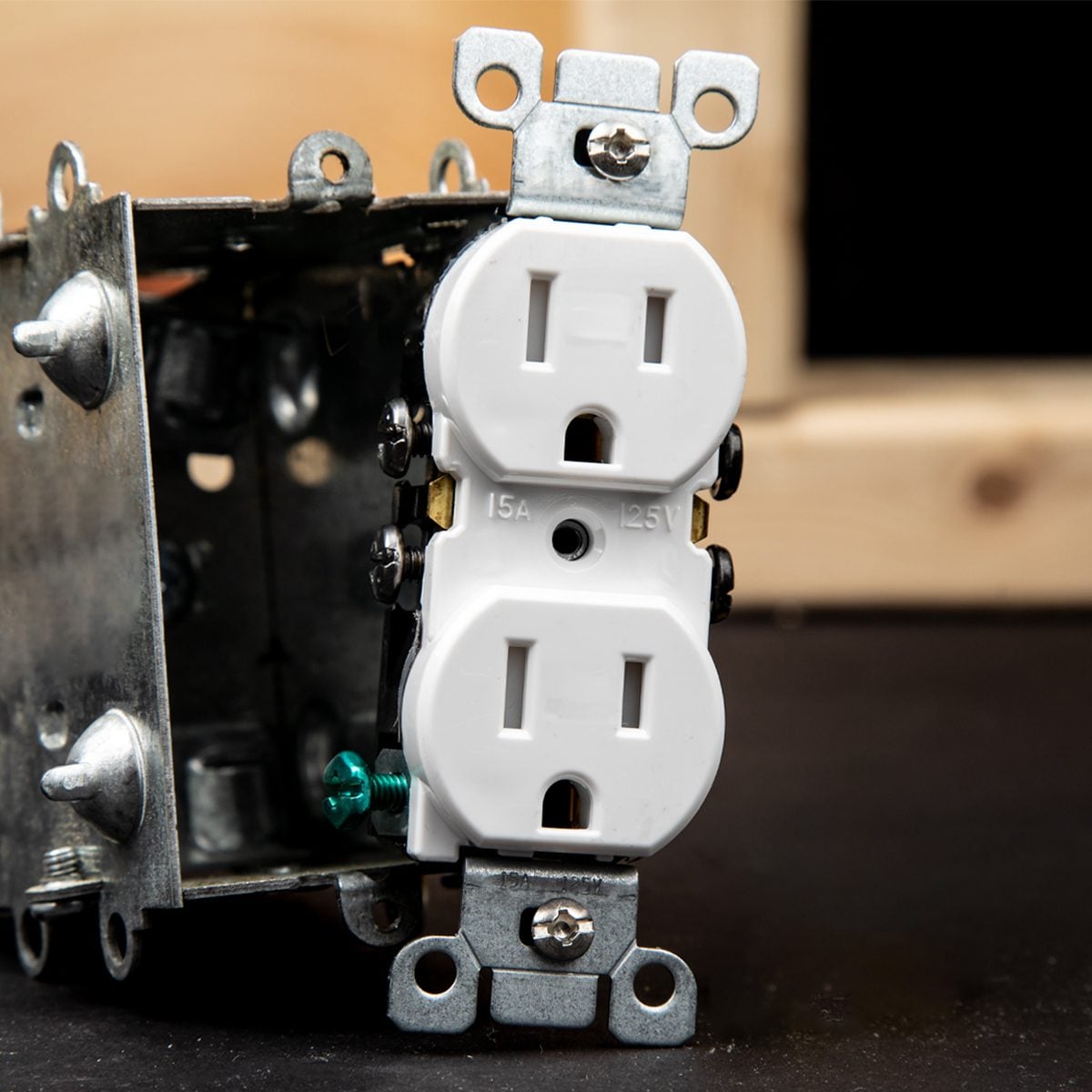
A typical 15 amp, 125-volt receptacle is a NEMA 5-15R. It has two parallel vertical blade slots and a grounding opening. A typical 20 amp, 125-volt receptacle is a NEMA 5-20R. One blade slot includes a horizontal branch, producing the recognizable T shape.
The T-slot allows a 20 amp receptacle to accept an ordinary 15 amp plug or a true 20 amp plug with one sideways blade. A 15 amp receptacle accepts standard 15 amp plugs but intentionally prevents insertion of a 20 amp plug.
| Feature | 15 Amp Outlet | 20 Amp Outlet |
|---|---|---|
| Common type | NEMA 5-15R | NEMA 5-20R |
| Visible design | Two vertical slots | One T-shaped slot |
| Accepts 15 amp plugs | Yes | Yes |
| Accepts 20 amp plugs | No | Yes |
| Typical copper wire | 14 AWG on a 15 amp circuit | 12 AWG on a 20 amp circuit |
| Theoretical capacity at 120 volts | 1,800 watts | 2,400 watts |
| Common use | General household loads | Higher-demand or specialized loads |
Understanding Circuit Capacity
15 Amp Circuit
At a nominal 120 volts, a 15 amp circuit can theoretically supply 1,800 watts: 120 volts × 15 amps = 1,800 watts. For a continuous load operating for three hours or longer, planning commonly uses 80 percent of the circuit rating12 amps, or about 1,440 watts.
This explains why a 1,500-watt space heater can consume nearly all the practical capacity of a 15 amp circuit. Add a vacuum cleaner or hair dryer, and the breaker may decide the room has had enough excitement.
20 Amp Circuit
A 20 amp circuit has a theoretical capacity of 2,400 watts at 120 volts. At 80 percent for continuous loads, that becomes 16 amps, or about 1,920 watts. The extra headroom is useful for appliances and equipment with heavier demand, but it is not permission to connect unlimited loads to one receptacle.
A 20 amp outlet also does not “push” more electricity into a device. A phone charger draws roughly the same power from either outlet. The higher rating describes permitted capacity, not mandatory consumption.
The Breaker, Wiring, and Outlet Must Match
Electrical capacity comes from the complete branch circuit: breaker or fuse, conductors, splices, boxes, receptacles, and connected equipment. Changing only the receptacle cannot increase the rating of the circuit behind it.
Breaker Size
A typical 15 amp branch circuit uses a 15 amp breaker, while a 20 amp circuit uses a 20 amp breaker. Never install a larger breaker merely to stop nuisance trips without confirming that every conductor and component is suitable. An oversized breaker can allow undersized wire to overheat before protection operates.
Wire Gauge
In common residential copper wiring, 14 AWG conductors are generally protected at 15 amps and 12 AWG conductors at 20 amps. Older homes may contain aluminum wiring, mixed conductor sizes, damaged insulation, or undocumented alterations, so one visible cable segment is not proof that the entire run is correct.
Receptacle Rating
A 20 amp receptacle should not be installed on a 15 amp branch circuit. It could accept a 20 amp plug even though the circuit is not designed to serve that connection. By contrast, 15 amp duplex receptacles are commonly permitted on a 20 amp circuit that serves two or more receptacles. A duplex device counts as two receptacles because it offers two plug-in points.
A single receptacle on an individual 20 amp branch circuit generally needs a 20 amp rating. Local adoption and amendments control the final requirement.
Why Use 15 Amp Receptacles on a 20 Amp Circuit?
Most household equipment uses a standard 15 amp plug, even when it is connected to a 20 amp branch circuit. On a multi-outlet circuit, 15 amp duplex receptacles can distribute the circuit’s capacity among several loads without accepting a true 20 amp plug at one point.
Imagine a kitchen circuit serving a toaster and coffee maker. Both appliances may have 15 amp plugs, yet their combined demand can be substantial. The 20 amp branch circuit provides more total capacity even if the outlet faces look like ordinary 15 amp models.
This arrangement does not make overloading impossible. A toaster, electric kettle, microwave, and countertop oven can still form a breakfast-themed alliance against the breaker.
Where 20 Amp Circuits Are Common
Kitchens and Dining Areas
Modern dwelling wiring generally includes at least two 20 amp small-appliance branch circuits for receptacles serving kitchens, pantries, breakfast areas, dining rooms, and similar spaces. Countertop appliances often contain heating elements and draw significant current. Required GFCI and AFCI protection depends on the location and adopted code.
Bathrooms and Laundry Areas
Bathroom receptacles are typically supplied by a 20 amp circuit because hair dryers and grooming appliances can be high-wattage loads. Laundry areas also generally receive a 20 amp receptacle circuit. A washing machine may use a standard 15 amp plug while still benefiting from the larger branch-circuit capacity.
Garages, Workshops, and Dedicated Appliances
Modern garages commonly have a 20 amp receptacle branch circuit. Workshops may need 20 amp circuits for certain saws, compressors, dust collectors, or other equipment. Some microwaves, window air conditioners, commercial appliances, and specialized machines require an individual circuit. Follow the equipment nameplate and installation instructions rather than guessing from size or appearance.
Can You Plug a 15 Amp Device Into a 20 Amp Outlet?
Yes. A NEMA 5-20R receptacle is designed to accept a standard 15 amp plug of the same voltage configuration. The device draws the current it needs.
The reverse is intentionally blocked. A true 20 amp plug should not fit a 15 amp receptacle. Do not bend a blade, grind a prong, or use a questionable adapter. When a plug refuses to fit, it is communicating a requirement, not challenging your creativity.
Can You Replace a 15 Amp Outlet With a 20 Amp Outlet?
Only when the branch circuit is suitable and the installation complies with local code. Confirm that:
- The circuit has proper 20 amp overcurrent protection.
- Every branch-circuit conductor is suitable for that protection.
- The receptacle is listed for the conductor type and termination method.
- The box, grounding path, splices, and cable are in sound condition.
- Required GFCI, AFCI, tamper-resistant, and weather-resistant features are provided.
- The authority having jurisdiction permits the arrangement.
Looking only at the breaker handle is not enough. A previous owner may have installed an incorrect breaker, or part of the circuit may contain smaller wire. When the wiring history is uncertain, have a licensed electrician inspect it.
Safety Features Are Separate From Amp Rating
A receptacle can be rated for either 15 or 20 amps while also offering additional protection:
GFCI
A ground-fault circuit interrupter quickly disconnects power when current leaks from the intended path. GFCI protection is commonly required in kitchens, bathrooms, garages, outdoors, basements, laundry areas, and other specified locations.
AFCI
An arc-fault circuit interrupter detects certain dangerous arcing conditions that may start fires. Protection may be provided by a breaker, receptacle, or approved combination.
Tamper-Resistant and Weather-Resistant
Tamper-resistant receptacles use internal shutters to block foreign objects and are identified by “TR.” Weather-resistant models are marked “WR” and are used with suitable covers where required. A standard indoor outlet beneath a decorative flap is not automatically prepared for rain, sprinklers, or an ambitious garden hose.
Common Mistakes to Avoid
- Upsizing only the breaker: A larger breaker can leave undersized conductors dangerously underprotected.
- Assuming every 20 amp circuit needs T-slots: Multiple 15 amp receptacles are often allowed on a 20 amp branch circuit.
- Ignoring heat or looseness: Stop using outlets that feel hot, buzz, crackle, smell scorched, show discoloration, or fail to grip plugs.
- Defeating plug shapes: Adapters or modified blades can bypass an intentional compatibility safeguard.
- Skipping the appliance nameplate: Voltage, amperage, wattage, and circuit instructions matter more than visual guesswork.
How to Choose the Right Receptacle
For an exact replacement, match the circuit rating, voltage, grounding arrangement, device type, and required safety features. For a new circuit, begin with the expected load and equipment instructions, then coordinate the breaker, conductors, receptacle, and protective devices.
Device quality matters too. A commercial- or specification-grade receptacle may provide stronger contacts and better durability in a heavily used kitchen, workshop, office, or rental property. Choose a 20 amp T-slot model when compatible equipment requires it; choose a 15 amp model when it is permitted and standard plugs are all that need access.
Practical Experience: Lessons From Common Outlet Upgrades
Real-world renovations and troubleshooting calls repeatedly show that the receptacle face is only a clue. These common scenarios explain why diagnosis should come before replacement.
The Kitchen That Tripped Every Morning
An older kitchen may lose power whenever the coffee maker, toaster, and electric kettle operate together. All three appliances have normal 15 amp plugs, so replacing the outlets with 20 amp T-slot devices can look like the obvious cure. It is not. The branch circuit still has the same breaker and conductor capacity.
The useful fix is often to add or restore properly designed 20 amp small-appliance circuits and divide countertop loads between them. Nuisance tripping usually calls for load analysis, not a more muscular-looking outlet.
The Workshop Tool With a Sideways Blade
A homeowner buys a table saw or compressor and discovers one horizontal plug blade. The temptation is to install a T-slot receptacle in the nearest garage box. First, however, the tool’s nameplate and manual must be checked.
If the machine requires an individual 20 amp circuit, the correct project may include 12-gauge copper cable, a 20 amp breaker, the proper receptacle, and required GFCI protection. Changing only the outlet can create a connection point that the existing circuit cannot safely serve.
The “Upgrade” That Revealed Mixed Wiring
A panel label may show a 20 amp circuit, and one accessible box may contain 12-gauge cable. Further tracing sometimes reveals an older extension wired with 14-gauge conductors. That smaller segment can make 20 amp protection inappropriate unless a specific rule provides otherwise.
This is why one cable and one breaker do not tell the complete story. A qualified electrician can trace the run, evaluate splices, and correct mismatched protection instead of decorating the problem with new receptacles.
The Hot Outlet That Never Tripped
Breakers primarily protect against overcurrent. They may not trip when a worn contact or loose terminal produces localized heat below the breaker’s rating. Warning signs include a plug that falls out, discoloration, buzzing, intermittent power, a scorched odor, or heat around the cover plate.
Replacing a worn receptacle with a properly rated, listed device and correcting the termination may matter far more than switching from 15 to 20 amps. Contact quality, terminal torque, conductor condition, and workmanship all affect safety.
The Old Two-Prong Receptacle
Replacing a two-prong outlet with a three-prong model does not create an equipment ground. The box may have no grounding conductor, and the amp rating is only one part of the problem.
Compliant options may include adding a proper grounding path or using an allowed GFCI replacement method with required labeling. Grounding, polarity, conductor material, circuit rating, and protective devices must all be considered. The practical rule across every scenario is consistent: verify the entire circuit, then install the device that belongs on it.
Final Verdict
The visible difference is simple: a 20 amp outlet has a T-shaped slot and accepts both 15 amp and 20 amp plugs. A 15 amp outlet accepts standard 15 amp plugs only.
The installation decision is more important. For most general household devices, a 15 amp receptacle is sufficient. A 20 amp receptacle belongs where the verified circuit and connected equipment require it. Neither device overrides the breaker, wire size, appliance instructions, or locally adopted electrical code.
Match the whole system. Electricity is extremely useful, but it remains famously resistant to improvisational home improvement.

