
Beauty Unlocked
Yuko Nishikawa’s Large Plate
Jun
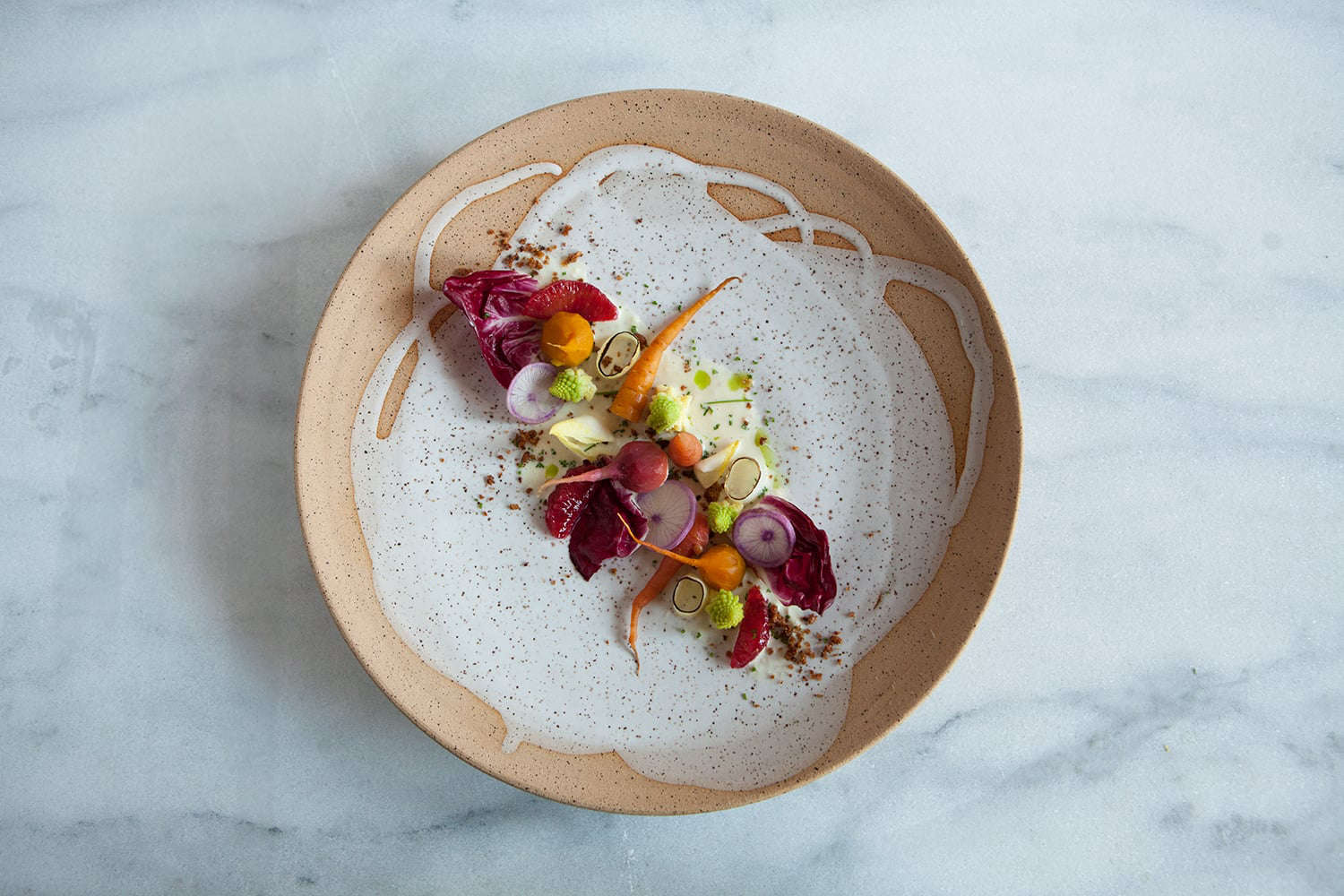
Some plates politely carry dinner. Yuko Nishikawa’s Large Plate appears to have loftier ambitions. With a broad 13-inch form, warm unglazed clay, and a fluid sweep of creamy glaze, it sits somewhere between serving ware and tabletop artwork. It can hold roasted vegetables, pastries, or a heroic quantity of pasta, but it is equally comfortable holding nothing at all.
That last point matters. The best handmade ceramics do not become invisible when the meal ends. They remain part of the room, quietly changing with the light and rewarding anyone who pauses long enough to study the surface. Nishikawa’s plate is memorable because its beauty does not depend on elaborate decoration. Its character comes from clay, glaze, contrast, movement, and the unmistakable evidence of a human hand.
What Is Yuko Nishikawa’s Large Plate?
Yuko Nishikawa’s Large Plate is an artisanal ceramic serving plate originally presented as part of the Brooklyn-based artist and designer’s tableware practice. An archived product description identifies the piece as measuring 13 inches in diameter, making it substantially larger than an ordinary dinner plate. Its size positions it as a serving piece for communal dishes, composed entrées, fruit, desserts, or decorative display.
The design combines a rough, unglazed clay body with a smooth milky glaze. The exposed clay was described as having the color of toasted almonds, while the glaze appears to have been allowed to move naturally across the surface in liquid form. Instead of covering every inch with a perfectly uniform finish, the design preserves a visible conversation between raw earth and glossy glaze.
Quick Design Overview
- Diameter: Approximately 13 inches
- Primary use: Large serving plate or tabletop display piece
- Surface: Creamy, drizzled glaze contrasted with exposed clay
- Clay color: Warm, toasted-almond brown
- Historical price: $94 at the time of the archived listing
- Availability: The original product page is no longer active, so present availability should be confirmed directly with the artist or an authorized seller
Why the Surface Is the Star
The defining feature of Yuko Nishikawa’s Large Plate is not an illustration, printed pattern, or carefully repeated border. It is the behavior of the materials themselves. The milky glaze looks as though it has paused in motion, preserving the moment when liquid flowed over dry clay. That captured movement gives the surface energy without making it visually busy.
The contrast also heightens the sensory experience. Glazed ceramic feels smooth and cool, while unglazed clay tends to feel drier and more granular. When these textures occupy the same object, the plate becomes more than something to look at. It encourages touch. Your fingers notice where one surface ends and another begins, which is exactly the kind of detail mass-produced dinnerware usually works very hard to erase.
Imperfection as a Design Asset
In industrial manufacturing, a drip is often considered a defect. In studio pottery, a controlled drip can become the most interesting part of the piece. Small differences in glaze thickness, edge shape, color, and texture reveal how the object was made. They are not mistakes demanding an apology from customer service.
This does not mean every handmade irregularity is automatically brilliant. A plate still has to sit properly, serve food effectively, and survive ordinary handling. The appeal lies in balancing utility with individuality. Nishikawa’s Large Plate appears refined enough for a carefully arranged table while retaining enough rawness to avoid looking overly precious.
A Functional Object With Sculptural Presence
At 13 inches across, the plate offers generous visual and practical space. It is large enough to create breathing room around food, an important trick used by chefs and food stylists. A handful of roasted carrots suddenly looks intentional rather than lonely. A cake appears more ceremonial. A mound of summer tomatoes can spread out instead of forming a produce traffic jam.
The broad surface also makes the piece useful away from the dining table. It could serve as a centerpiece filled with citrus, collected shells, or seasonal objects. On a shelf or console, it can stand vertically on a secure plate display. Its restrained colors work well in minimalist rooms, rustic kitchens, and interiors that mix contemporary and vintage furnishings.
The Value of Negative Space
Large serving pieces often tempt designers to fill every available inch with pattern. Nishikawa takes the opposite approach. The open surface creates negative space that allows both the glaze and the food to register clearly. This restraint is one reason the plate can support multiple roles. It does not insist on a particular holiday, cuisine, or color scheme.
Put a vivid beet salad on it, and the earthy background makes the magenta look electric. Add white bread, rice, or pale pastries, and the toasted clay prevents the presentation from disappearing into a sea of beige. The plate does not compete with food, but it certainly refuses to become wallpaper.
Who Is Yuko Nishikawa?
Yuko Nishikawa is a Japanese-born, Brooklyn-based artist and designer whose work includes ceramics, lighting, sculpture, painting, furniture, installations, and functional objects. She studied interior design at New York’s Fashion Institute of Technology and worked in interior, furniture, and lighting design before focusing fully on her independent artistic practice.
Her professional background helps explain why the Large Plate feels both expressive and disciplined. Interior and furniture designers must think about scale, proportion, material behavior, durability, and how objects relate to surrounding space. Those concerns remain visible in her ceramics, even when the forms become whimsical or experimental.
Nishikawa has produced artisan collections and custom objects for companies, hotels, restaurants, and retailers. Her broader body of work ranges from useful bowls and tableware to suspended ceramic lights and dreamlike installations. Clay is not treated merely as a traditional craft material. It becomes a tool for exploring memory, movement, atmosphere, and the relationship between people and objects.
From Interiors to Clay
Nishikawa began exploring ceramics while working professionally in furniture and lighting design. Learning to throw clay initially offered a new practical skill, but the material opened a much larger creative territory. Unlike a computer drawing, clay pushes back. It stretches, collapses, dries, cracks, records fingerprints, and occasionally behaves like a moody roommate who has ignored the chore chart.
That physical unpredictability became part of her artistic language. Her ceramic practice has included wheel-thrown vessels, hand-built sculpture, modified forms, custom tableware, and lighting. The exact production method of the Large Plate was not specified in its archived listing, but its surface clearly shares her interest in allowing process and material behavior to remain visible.
How the Plate Fits Nishikawa’s Design Philosophy
Nishikawa’s work frequently considers how ordinary objects acquire emotional meaning. A plate may begin as a circle of fired clay, but daily use gradually turns it into part of a household’s story. It appears at birthdays, quiet breakfasts, hurried weeknight dinners, and gatherings where someone inevitably tells a story that takes 20 minutes longer than expected.
This attention to everyday life is especially relevant to functional ceramics. A sculpture in a gallery may be admired from several feet away. A serving plate is lifted, washed, passed between people, stacked in a cabinet, and placed at the center of a meal. Its relationship with the owner is physical and repetitive.
The Large Plate supports this intimacy without sacrificing artistic presence. Its neutral palette makes it easy to use, while its glaze pattern prevents it from feeling generic. It is calm but not anonymous, artistic but not theatrical, and sophisticated without appearing to demand a velvet rope around the dining table.
Ways to Style Yuko Nishikawa’s Large Plate
On a Minimalist Table
Pair the plate with simple linen napkins, clear glassware, and matte flatware. Because the ceramic already combines rough and glossy textures, the surrounding pieces do not need to perform circus tricks. A neutral tablecloth or bare wood table will emphasize the warm clay body.
In a Rustic Kitchen
The toasted-almond clay works naturally with wood cutting boards, woven baskets, stone counters, and aged brass. Use the plate for bread, pears, roasted squash, or pastries. Its refined shape keeps rustic styling from sliding into “historical reenactment at the county fair.”
With Colorful Food
Deep greens, ruby beets, tomatoes, citrus, berries, and edible flowers would stand out strongly against the understated surface. The creamy glaze can act like a highlight, while the exposed clay creates a warm foundation.
As a Decorative Object
When it is not serving food, the plate could sit on a console or open shelf. Display it flat with a small group of objects, or place it upright using a stable stand designed for large ceramics. Avoid overcrowding the display. The glaze needs room to be seen, and the plate should not look as though it has been squeezed into a ceramic rush-hour subway car.
What to Serve on a 13-Inch Ceramic Plate
A plate of this scale is most useful when the food benefits from spreading outward. Good options include roasted vegetables, sliced meats, composed salads, handmade pasta, flatbreads, dumplings, grilled fish, cakes, cookies, or a selection of small appetizers.
For visual balance, avoid covering the entire surface. Leaving parts of the glaze exposed allows the plate to participate in the presentation. A loose arrangement usually suits handmade ceramics better than rigid symmetry. Think generous, relaxed, and intentionalnot “every parsley leaf must report for inspection.”
Serving Ideas
- A tomato, peach, and basil salad with soft cheese
- Roasted carrots with yogurt, herbs, and toasted seeds
- A ring of dumplings with dipping sauce in a separate bowl
- A rustic fruit tart dusted lightly with powdered sugar
- Sliced sourdough with butter, olives, and seasonal vegetables
- A selection of cookies or small pastries for coffee
- A centerpiece of lemons, figs, pears, or pomegranates
Caring for Handmade Ceramic Tableware
The archived description of Yuko Nishikawa’s Large Plate does not provide complete dishwasher, microwave, or oven instructions. Owners should therefore avoid assuming that guidance for other Nishikawa tableware automatically applies to this particular piece. Confirm care directions with the artist or seller whenever possible.
Hand washing is the cautious choice for collectible handmade ceramics. Use warm water, mild dish soap, and a soft sponge. Avoid abrasive pads, sudden temperature changes, and soaking an unglazed area for an unnecessarily long time. Let the plate dry completely before storing it.
When stacking, place a soft felt or fabric separator between the plate and other ceramics. Large pieces can chip when their rims strike a harder object, and a 13-inch plate needs adequate cabinet clearance. Before buying, measure the shelf. Optimism is admirable, but it does not make cabinetry wider.
If the piece is displayed vertically, use a stand rated for its size and weight. Position it where it will not be knocked by a door, pet, child, sleeve, curtain, or enthusiastic dinner guest explaining a story with their entire upper body.
Is Yuko Nishikawa’s Large Plate Still Available?
The archived listing recorded a price of $94 at the time of publication. However, the original product page is no longer active, and the exact Large Plate does not appear among the artist’s currently displayed tableware products. This suggests that the design may have been discontinued, sold out, produced in a limited run, or replaced by newer work.
Collectors searching for the plate can check Nishikawa’s official shop, gallery announcements, design marketplaces, reputable resale platforms, and studio sales. Because handmade ceramics vary, photographs should be examined carefully. Look for clear images of the front, underside, rim, foot, glaze, and any artist’s mark.
Historical price should not be treated as a guaranteed present value. Condition, provenance, rarity, demand, and the seller’s knowledge can all affect resale pricing. A suspiciously cheap listing may be a lucky discoveryor a completely different beige plate wearing a very confident description.
Why Collectors Are Drawn to Artist-Made Tableware
Artist-made tableware appeals to people who want functional objects with a distinct point of view. A factory can produce thousands of perfectly matching plates, which is useful when consistency is the goal. Studio ceramics offer something different: variation, tactility, evidence of process, and a closer sense of connection to the maker.
That connection does not require locking the object away. In fact, regular use can be part of the appeal. A carefully chosen serving plate becomes associated with particular recipes, people, and occasions. Over time, it may collect tiny signs of use that turn it from a purchased object into a personal possession.
Yuko Nishikawa’s Large Plate sits comfortably in this category. It has enough visual character to interest a collector and enough practical space to interest a cook. That combination is harder to achieve than it looks. Plenty of art objects cannot handle a tomato. Plenty of serving plates inspire no emotion beyond “yes, that is definitely round.”
Experiencing Yuko Nishikawa’s Large Plate in Everyday Life
The experience of living with a ceramic plate like this begins before food reaches it. Its size changes how it occupies a room. A standard dinner plate disappears into a stack; a 13-inch serving plate announces itself. On a shelf, the warm clay and pale glaze create a quiet focal point. On a table, the piece establishes a center even before the meal begins.
The First Visual Impression
From across the room, the plate reads as a simple neutral form. Move closer, and the surface becomes more complex. The milky glaze has direction and rhythm, while the exposed clay provides a dry, earthy counterpoint. Light reflects differently from each area. The glazed portion catches highlights, but the unglazed clay absorbs them, producing a subtle change throughout the day.
This gradual discovery is part of the pleasure. The plate does not reveal everything in one glance. It rewards proximity, which makes it feel more personal than a highly graphic design engineered to photograph well from 20 feet away.
The Tactile Experience
Handling the plate would emphasize the contrast between finished and unfinished surfaces. A hand naturally follows the edge, notices the weight, and searches for a secure grip beneath the form. The broad diameter encourages deliberate movement. This is not the plate you casually wave around while opening the refrigerator with your elbow.
That necessary care can improve the experience rather than diminish it. Using a handmade object often slows a person down for a few seconds. You place it carefully, arrange food thoughtfully, and wash it with attention. These small rituals make an ordinary meal feel more considered without requiring candles, formal attire, or a menu printed in French.
The Experience of Serving Food
At the table, the plate’s large surface makes sharing easy. Instead of individual portions arriving fully assembled, food can be placed at the center and passed around. That changes the rhythm of the meal. People reach, offer, comment, and negotiate over the final roasted potato.
The neutral colors also make the experience flexible. A bright summer salad would feel fresh and lively. Bread and pastries would feel warm and rustic. A dark chocolate cake would create strong contrast against the pale glaze. The same plate can look completely different depending on what it carries.
Living With Visible Variation
Handmade ceramics train the eye to appreciate differences. The glaze may be thicker in one area, the clay may contain tonal shifts, and the edge may not resemble a mathematically perfect digital circle. These details can initially surprise someone accustomed to machine-made dinnerware. Over time, they often become the favorite features.
Variation makes the object easier to recognize and remember. You do not simply own a model of plate; you own a particular example. That distinction gives handmade tableware emotional durability. Trends may change, but an object with a strong material identity can remain appealing because its value is not tied to a fashionable print or seasonal color.
The Experience of Hosting
During a gathering, Yuko Nishikawa’s Large Plate would naturally become part of the conversation. Guests may ask about the exposed clay, the glaze movement, or the artist. This is one of the quiet benefits of distinctive tableware: it gives people something immediate and tangible to discuss.
The piece can also make simple food feel more generous. A pile of cookies, wedges of cheese, or sliced fruit gains visual importance when arranged across a handcrafted surface. The plate does not require complicated cooking. It simply encourages presentation with a little more intention.
The Long-Term Experience
The most meaningful experience may develop over years. A serving plate becomes linked to the dishes repeatedly placed on it and the people who gather around it. Perhaps it becomes the designated birthday-cake plate, the holiday appetizer plate, or the “company is coming, hide the mail” plate.
Those associations cannot be added at the studio or included in the purchase price. They accumulate through use. Nishikawa’s design provides a strong beginning: a tactile surface, useful scale, warm palette, and distinctive glaze. The household supplies the rest of the story.
Final Thoughts
Yuko Nishikawa’s Large Plate demonstrates how little a ceramic object needs in order to feel expressive. There is no elaborate illustration or loud color scheme. Instead, the design relies on scale, raw clay, creamy glaze, texture, and the preserved movement of liquid across a solid surface.
Its 13-inch diameter makes it practical for serving, while its material character gives it enough presence to function as decoration. More importantly, it reflects Nishikawa’s broader interest in creating objects that remain connected to ordinary life. This is art that can sit in a gallery-minded interior, but it is also art willing to hold roasted vegetables.
Although the original design may no longer be readily available, it remains a useful example of thoughtful handmade tableware: understated, tactile, versatile, and memorable. In a world full of disposable trends and perfectly identical products, a plate that proudly looks touched by its maker feels surprisingly refreshing.
Note: Product pricing and availability mentioned above are historical. Confirm current specifications, care instructions, authenticity, condition, and availability with the artist, gallery, or seller before purchasing.

