
Beauty Tools & Accessories
We’ve seen some CRAZY license plate ideas…but we’ve never seen anyone do this in their living room!
Aug
Old license plates have lived surprisingly adventurous second lives. People have turned them into birdhouses, mailboxes, wall maps, bar signs, toolboxes, guitar bodies, and enough “man cave” decorations to cover a small nation. Just when it seemed every possible license plate craft had already rolled off the creative assembly line, one living room idea hit the brakes and demanded another look.
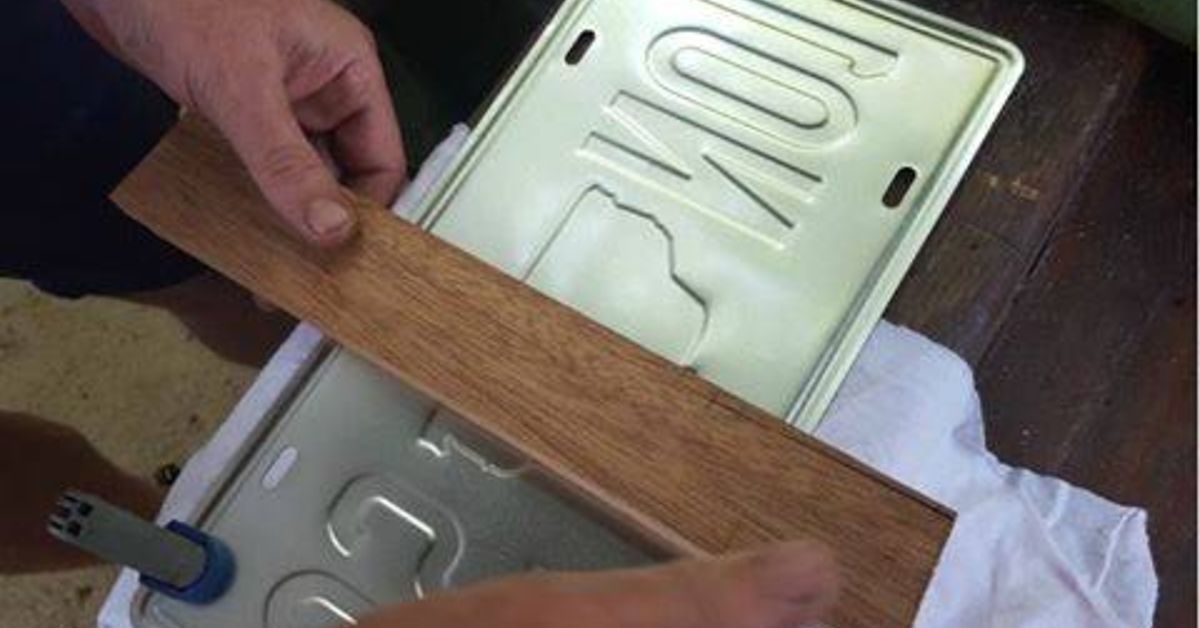
The project takes several retired license plates, forms them into a boxy lampshade, and places the shade on an industrial-style lamp built around metal piping. Yes, someone essentially parked a miniature traffic museum beside the sofaand somehow it works.
It is unusual without being useless, nostalgic without looking like a dusty antique booth, and bold enough to make an ordinary corner feel like the most interesting part of the house. More importantly, the lamp demonstrates what successful upcycled home décor should do: preserve the identity of an old object while giving it a completely new job.
The License Plate Lamp Nobody Expected to See
At first glance, the design looks like something rescued from a roadside diner, an old mechanic’s shop, and a steampunk inventor’s basement at the same time. The lampshade is the star. Instead of fabric, glass, or paper, its sides are created from weathered automobile plates, complete with embossed letters, scratched paint, state names, and years of automotive character.
Underneath, plumbing-style pipes form the stem and base. The visible joints and dark metal finish reinforce the industrial look, while the warm bulb prevents the lamp from feeling cold or overly mechanical. The result is part lighting fixture, part folk art, and part conversation starter.
It is also much more surprising in a living room than in a garage. A license plate sign above a workbench feels expected. A license plate lamp glowing beside an upholstered chair feels delightfully rebellious, like a motorcycle wearing a bow tie.
Why This Crazy License Plate Idea Actually Works
License Plates Are Ready-Made Graphic Art
A license plate already contains the ingredients designers use to create visual interest: typography, borders, contrasting colors, symbols, numbers, regional references, and a rectangular shape. Vintage plates add fading, dents, chipped paint, and oxidation that would take a prop department several afternoons to reproduce.
When several plates are placed together, they create a collage without requiring additional decoration. One side might feature faded blue lettering, another might have a bright orange background, and a third may display a state slogan. Every angle offers a different composition.
The Lamp Has a Practical Purpose
Many repurposed objects become decorative items that occupy a shelf and collect dust with admirable commitment. This project earns its floor space by providing light. It can illuminate a reading chair, soften a dark corner, or add a warm layer of evening lighting near a sofa.
That practical function keeps the lamp from feeling like a novelty prop. Even guests who would never decorate with automotive memorabilia can appreciate a handmade fixture that performs a real job.
Its Imperfections Make It Personal
New décor is designed to look consistent. Old license plates are compelling because they are not. Scratches suggest gravel roads, faded areas hint at years of sunlight, and bent corners raise questions that probably involve a parking lot and an embarrassing explanation.
Designers often recommend using vintage finds as statement pieces rather than filling an entire room with matching antiques. A single license plate lamp follows that principle beautifully: it supplies history and personality without forcing the sofa to dress like a 1957 pickup truck.
A Small Piece of American Automotive History
License plates are not merely colorful scraps of metal. They document the growth of automobile culture in the United States. New York became the first state to require automobile registration in 1901, Massachusetts began issuing state-made plates in 1903, and every state required plates by 1918. Over time, plates became miniature public canvases featuring state identities, landmarks, universities, wildlife, causes, and commemorative designs.
That history gives a vintage license plate lamp more emotional weight than a shade made from ordinary sheet metal. A group of plates may represent former homes, favorite road trips, family vehicles, or states visited over several decades. The fixture can become a three-dimensional travel journal that happens to have an electrical cord.
The standardized proportions of modern full-size plates also make them useful for modular projects. Their repeated shape allows multiple plates to form a balanced shade, panel, or box while their different graphics keep the finished piece from becoming visually predictable. AAMVA maintains standards intended to promote consistency and legibility across jurisdiction-issued plates.
How to Style a License Plate Lamp in a Living Room
Let It Be the Weirdest Object in the Room
Every room can handle one gloriously strange object. Problems begin when that object invites twelve equally loud friends.
If the lamp contains several colorful plates, keep nearby furnishings quieter. A charcoal sofa, leather chair, neutral wall, simple rug, and wood side table give the fixture space to perform. Adding license plate curtains, tire-shaped pillows, a stop-sign coffee table, and a gasoline-pump television stand may cause guests to ask where they should leave their keys.
Balance Metal With Warm Materials
Industrial interiors commonly use dark metal, exposed construction details, reclaimed wood, concrete, and vintage objects. Successful rooms soften those hard materials with upholstery, natural fibers, warmer wood tones, plants, and comfortable lighting.
Place the license plate lamp near a fabric chair, woven basket, wool rug, or wooden cabinet. The contrast makes the metal feel intentional rather than harsh. A leafy plant nearby can also prevent the corner from looking as though it is waiting for an oil change.
Repeat One or Two Colors
Study the plates before choosing accessories. If one plate contains navy lettering, repeat navy in a pillow or throw. If another has a rust-red border, echo that shade in a book cover, ceramic vase, or framed print.
The colors do not need to match perfectly. Repeating only a few tones creates a visual connection between the unusual lamp and the rest of the living room.
Choose the Right Bulb
A warm-white LED bulb generally complements weathered metal better than a very cool, blue-toned light. LEDs also use substantially less energy and produce much less heat than traditional incandescent bulbs, although every bulb and fixture must still be used according to its listed specifications.
The plates may block some sideways light, depending on how the shade is assembled. Small gaps, perforations, open corners, or a downward-facing opening can create interesting patterns while allowing useful illumination to escape.
Building a Safer DIY License Plate Lamp
A decorative object can be improvised. Electrical safety should not be.
Start With Legally Obtained, Retired Plates
Never remove a plate from a vehicle or purchase one when its legal status is unclear. Rules governing old plates vary by state. Some jurisdictions require plates to be surrendered when registration ends, while others allow certain plates to be retained, transferred, registered to collector vehicles, or kept under specific programs. Check the issuing state’s current requirements before drilling, bending, or displaying any plate.
Good sources can include estate sales, antique stores, flea markets, collector exchanges, architectural salvage businesses, and your own properly retired plates. Keep receipts or other provenance when buying rare examples.
Plan the Shade Before Cutting Anything
Lay the plates on a table and test different arrangements. Consider which numbers, colors, and state names will appear on each side. Decide whether the shade should be rectangular, square, tapered, or wrapped around an existing internal frame.
A cardboard model can reveal problems before valuable plates are altered. It also helps determine whether the finished shade will appear proportionate to the lamp base.
Control Sharp Edges
License plates can develop sharp corners, burrs, or jagged edges when drilled and cut. Wear suitable eye protection and cut-resistant hand protection, secure the workpiece properly, and smooth exposed metal before assembly. Protective trim, folded edges, grommets, or an internal frame can prevent accidental cuts and protect electrical cords from abrasion. OSHA guidance recognizes sharp sheet-metal edges and flying particles as hazards requiring appropriate protection.
Use Listed Electrical Components
The safest approach is to build the decorative shade around a commercially manufactured, safety-certified lamp or to use a complete listed lamp kit. The socket, cord, switch, strain relief, plug, and grounding method must be appropriate for the fixture’s metal construction.
Do not run an unprotected wire through a drilled metal opening. Do not leave exposed terminals inside the shade. Do not exceed the socket’s maximum wattage. If the project requires rewiring or grounding that you do not fully understand, have a licensed electrician or experienced lamp-repair professional complete that portion.
Electrical and lighting equipment is involved in thousands of home fires annually, while product recalls have shown how incorrect wattage, loose sockets, overheating parts, and damaged insulation can create burn, shock, and fire hazards. Instructions for lamp rewiring consistently emphasize unplugging the fixture, checking cords for damage, and avoiding work on live conductors.
Common Mistakes That Can Turn Cool Into Cluttered
Using Too Many Plates
Four carefully selected plates can create a memorable shade. Forty plates covering the lamp, wall, ceiling, coffee table, and remote-control holder can create the sensation of relaxing inside a DMV warehouse.
Allow blank space around the fixture. Negative space gives viewers time to notice the individual colors, dates, and details.
Ignoring the Lamp’s Scale
A small shade on a thick pipe base may look top-heavy in the wrong direction. An enormous plate structure on a delicate stand may appear ready to tip over. The base should be wide and stable enough to support the shade, particularly in homes with pets or children.
Making the Light Uncomfortable
A bare bulb visible through large openings can create glare. A completely enclosed metal shade can trap light and reduce usefulness. Test the lamp at eye level from the sofa and nearby chairs before finalizing the design.
A diffuser, frosted bulb, lower-lumen LED, or redesigned opening may improve comfort without hiding the plates.
Removing All the Patina
Cleaning dirt and loose residue is sensible. Polishing every plate until it looks factory-new may erase the very character that made it worth displaying. Preserve scratches, fading, and age where practical, while sealing unstable finishes if necessary with a product suitable for the material and indoor environment.
Variations on the License Plate Lighting Idea
The same basic concept can be adapted without copying the original design exactly.
A License Plate Table Lamp
Use a compact shade and a solid wood or metal base for a desk, console table, or reading nook. A table lamp is easier to integrate into a small apartment and requires fewer plates.
A State-Themed Shade
Create a lamp using plates from one state across several decades. The changing colors and typography become a timeline of local automotive design.
A Road-Trip Memory Lamp
Choose plates representing meaningful destinations. Add a discreet tag underneath explaining the year or memory connected with each place. The result becomes personal without covering the room in vacation photographs.
A Minimalist Two-Plate Sconce
For a quieter interpretation, use two plates as decorative side panels around a listed wall light. This preserves the graphic appeal while fitting a contemporary or modern farmhouse interior.
A Backlit License Plate Display
Mount retired plates slightly away from a backing panel and place a manufactured low-voltage lighting system behind them. Light escaping around the edges creates a floating effect suitable for a media room, home office, or bar area.
What It Is Like to Live With a License Plate Lamp
Imagine switching on the finished lamp for the first time after sunset. During the day, it reads as an eccentric metal sculpture. At night, the personality changes. Warm light slips beneath the plates, reflects off their weathered surfaces, and throws narrow beams through bolt holes and tiny gaps. The dents that looked rough in daylight become texture.
The first practical lesson is that the lamp immediately becomes the room’s social center. Visitors may walk past a new sofa without comment, but almost nobody ignores a lampshade made from old license plates. Someone will ask where the plates came from. Someone else will inspect the pipe fittings. A third person will announce that an uncle has “a whole barn full of those things,” thereby accidentally volunteering supplies for the next project.
The strongest reactions usually come from people who recognize a state, year, or plate design. A faded plate can unlock memories of a first car, a cross-country move, family vacations, or a vehicle that refused to start unless someone threatened it with replacement. The object works because it connects home décor to personal history rather than existing only to coordinate with the curtains.
Living with the lamp also reveals the importance of placement. In a brightly decorated room, it may compete with artwork and patterned textiles. Move it to a quieter corner beside a leather chair, and suddenly the design feels curated. The fixture benefits from visual breathing room, particularly if its plates contain several strong colors.
Then there is the lighting experience. A metal shade does not behave like a traditional fabric shade. Depending on its construction, it may direct more light downward and upward while limiting light at the sides. That makes it excellent for atmosphere but not necessarily sufficient as the room’s only light source. Pairing it with ceiling lighting or a softer table lamp produces a more comfortable layered effect.
Maintenance is refreshingly simple. An occasional dusting with a dry microfiber cloth is usually enough. Open seams and embossed characters may collect dust faster than smooth fabric, but there is no delicate pleated shade to crush. The fixture should be unplugged and allowed to cool before cleaning, and moisture should be kept away from the socket and electrical components.
The lamp may also change how you shop. Once an old plate becomes a functional piece of art, flea-market boxes begin to look less like junk and more like raw material. You start noticing typography, color combinations, mounting holes, and patina. The danger is not that one lamp will ruin the room. The danger is that it may convince you everything in the garage deserves a career in interior design.
After the novelty settles, the fixture succeeds or fails on one question: does it still feel good to use? A stable, safely wired lamp with comfortable light continues to earn its place. A wobbly base, glaring bulb, or sharp corner becomes annoying quickly, regardless of how many social-media compliments it receives.
That is the real experience behind memorable DIY décor. The first reaction may be “That is crazy,” but lasting success comes when the next reaction is “Actually, that belongs there.”
Final Verdict: Brilliant, Bizarre, or Both?
A license plate lampshade in the living room should not work nearly as well as it does. The materials are rugged, the graphics are loud, and the concept sounds like the result of a late-night challenge involving a toolbox. Yet the finished lamp combines history, function, humor, craftsmanship, and industrial style in one compact object.
The key is restraint. Use legally obtained retired plates, preserve their character, balance the metal with comfortable furnishings, and treat the electrical portion as a serious safety matter. Done thoughtfully, the lamp becomes more than another recycled license plate idea. It becomes functional American folk artand possibly the only living room accessory capable of starting conversations about road trips, vintage cars, interior design, and state registration policies before dessert.
Note: This article is intended for design inspiration. Any custom working lamp should use properly rated, safety-listed components and be inspected by a qualified professional when electrical wiring, grounding, or heat clearance is uncertain.

