
Hair Care
Wabi Collection : Calico Wallpaper
Jul
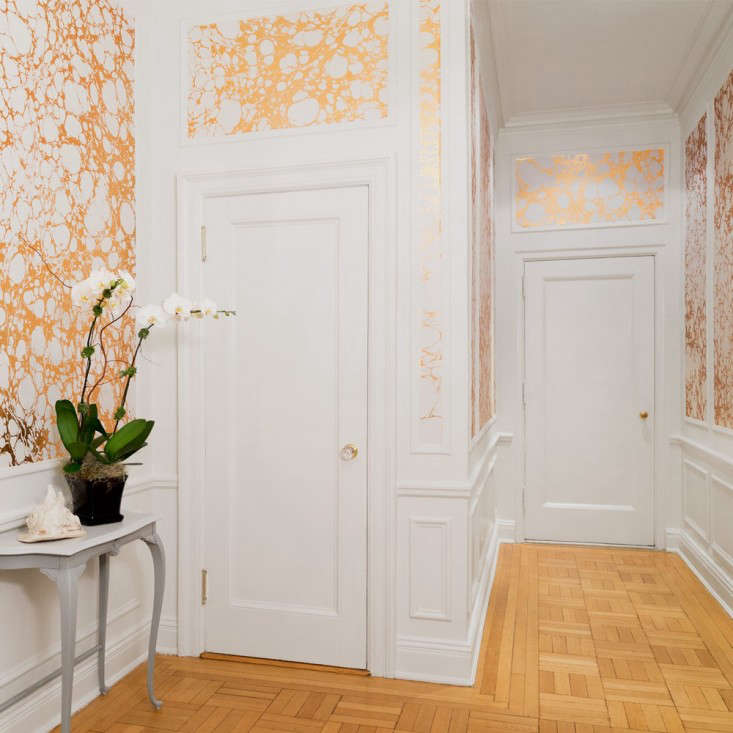
Calico Wallpaper’s Wabi Collection is what happens when wallpaper stops behaving like wallpaper and starts acting like atmosphere. Instead of repeating flowers, neat stripes, or the kind of chevron pattern that makes a room feel like it is wearing gym socks, Wabi creates a fluid, marbled landscape across the wall. It suggests moving water, mineral deposits, mist, clouds, and the mysterious surface of a river that refuses to pose for a photograph.
Designed by Brooklyn-based studio Calico Wallpaper, Wabi is one of the brand’s defining collections. Its layered pattern comes from a process inspired by traditional paper marbling, where inks are floated on water, moved into organic forms, and transferred to paper. The result is then developed into an immersive wallcovering that feels less like a printed pattern and more like a moment captured in motion.
For homeowners, interior designers, hospitality projects, and anyone who has ever looked at a blank wall and thought, “You could be doing more,” the Wabi Collection offers a sophisticated alternative to ordinary paint. It is expressive without becoming loud, luxurious without requiring a crystal chandelier to explain itself, and flexible enough to work in both contemporary and collected interiors.
What Is the Wabi Collection by Calico Wallpaper?
The Wabi Collection is Calico Wallpaper’s original marbled wallcovering design, built around the idea of impermanence, movement, and natural irregularity. The name references the Japanese aesthetic philosophy often associated with beauty in imperfection, simplicity, age, and transience. In practical design terms, that means Wabi does not chase symmetry. It lets color drift, pool, ripple, and dissolve.
Rather than creating a tidy repeat, the collection is designed as a mural-style wallcovering. When installed correctly, the panels connect into a continuous composition, giving the room a more expansive and painterly effect. This is a major reason Wabi feels different from conventional wallpaper: the eye does not immediately find the repeat and start counting it like ceiling tiles in a dentist’s office.
The collection has been associated with imagery such as water flowing over stones, cloud formations, oxidized metal, washed minerals, and liquid light. Depending on the colorway, it can feel airy and pale, dark and moody, coastal and reflective, or richly metallic.
Why the Pattern Feels So Alive
Wabi begins with the unpredictable behavior of ink in water. That starting point matters. Unlike a computer-generated marble print that may look technically perfect but emotionally flat, Wabi carries the irregular movement of a handmade process. There are little shifts in density, edges that appear to feather into one another, and layers that reveal themselves gradually as the light changes.
That visual movement gives the collection a rare advantage: it can create drama without relying on a busy motif. A Wabi wall may have plenty happening on it, but it rarely feels crowded. Think of it as the difference between watching waves move across a lake and standing in front of a giant spreadsheet. Both contain lines. Only one makes you want to breathe more slowly.
The Design Story Behind Calico Wallpaper Wabi
Calico Wallpaper was founded by Rachel and Nick Cope, a creative partnership known for translating handmade art processes into large-scale wallcoverings. The studio has developed a recognizable visual language built around painterly marks, natural phenomena, abstraction, and surfaces that feel more like art installations than background decoration.
Wabi helped establish that language. The collection blends historical marbling references with a modern approach to scale and interior architecture. Traditional practices such as Japanese suminagashi and Turkish ebru use floating inks to create organic patterns on paper. Wabi takes inspiration from those traditions but expands them into room-sized compositions with contemporary colors, metallic accents, and tailored panel layouts.
The result is not a historical reproduction. It is a modern wallcovering that nods to the past while still looking perfectly at home beside sculptural lighting, natural oak cabinetry, plaster finishes, linen upholstery, and the occasional chair that costs more than a reliable used car.
Wabi-Sabi Without the Clichés
“Wabi-sabi” has become one of those design phrases that gets used so frequently it can start to sound like a candle scent. But the idea behind it remains useful: favor authenticity over perfection, material character over artificial polish, and calm over visual noise.
Wabi Collection wallpaper works because it does not reduce that philosophy to beige furniture and one handmade bowl. It uses movement, contrast, and visual depth. A room wrapped in Wabi can still feel contemporary, glamorous, or even dramatic. The collection proves that a tranquil interior does not need to be boring enough to make a houseplant feel underdressed.
Colorways and Visual Moods in the Wabi Collection
Calico Wallpaper presents Wabi in several colorways, including Cerulean, Cloud, Lagoon, Mineral, River, Rosarium, and Taupe. Each version uses the same fluid foundation but delivers a different emotional effect.
Cloud: Soft, Airy, and Quietly Luxurious
Cloud is suited to rooms that need brightness without looking plain. It can work beautifully in bedrooms, powder rooms, nurseries, entryways, and serene living spaces. The pale movement gives walls dimension while preserving an open feeling.
Pair it with warm white paint, pale wood, off-white linen, aged brass, travertine, or soft gray upholstery. Cloud is especially useful when a room has limited natural light and needs a little atmosphere without becoming cave-like.
River and Lagoon: Water-Inspired Drama
River and Lagoon lean into the collection’s aquatic personality. These colorways are strong choices for dining rooms, libraries, cocktail spaces, boutique hotel corridors, and bathrooms where you want the room to feel like an experience rather than a utility closet with plumbing.
They pair naturally with deep blue velvet, walnut, blackened steel, dark bronze, smoked glass, and marble. Use them where you want the wallcovering to become a focal point, particularly in spaces that are used after sunset when lamps and sconces can pull metallic details forward.
Mineral and Taupe: Earthy but Never Dull
Mineral and Taupe are excellent choices for warm, grounded interiors. They work with stone, clay, oak, woven textiles, leather, and vintage furniture. These shades are particularly versatile because they can move between modern organic, transitional, Japandi-inspired, rustic contemporary, and quiet luxury interiors without requiring a complete design personality transplant.
If your goal is a room that feels collected rather than decorated in one weekend, these are the colorways to explore.
Cerulean and Rosarium: More Color, More Personality
Cerulean brings a clearer blue presence, while Rosarium introduces a softer, more romantic direction. These options are ideal for clients who appreciate color but do not want a literal floral wallpaper or a wall painted in a shade that feels like a tropical smoothie.
Cerulean can enliven a study, guest room, or dramatic entry hall. Rosarium works well in dressing rooms, powder rooms, bedrooms, and creative studios. Both can be balanced with neutral upholstery, textured rugs, and furniture with simple silhouettes.
Where to Use Wabi Collection Wallpaper
One of Wabi’s strengths is its ability to adapt to many room types. Because the design is atmospheric rather than figurative, it can work as a bold feature wall or as a full-room wrap.
Dining Rooms
Wabi is especially effective in dining rooms because it creates a sense of occasion. A dimmable pendant light, a table with natural material character, and a wallcovering with metallic or mineral movement can make even a Tuesday night pasta dinner feel slightly more important.
Choose deeper shades such as River, Lagoon, or Mineral for drama. For a lighter dining room, Cloud or Taupe can bring softness without competing with art or table settings.
Powder Rooms
Small rooms are often the best places to take design risks. A powder room covered in Wabi can become an unexpected jewel box. Since guests spend only a few minutes there, you have permission to make the room memorable, theatrical, and just a little bit extra.
Use a darker or more metallic colorway with a sculptural mirror, a stone sink, and warm lighting. Avoid overly decorative accessories; the wallpaper already has enough personality to host the party.
Bedrooms
For bedrooms, Wabi can create a calm, enveloping backdrop. Pale shades work behind a bed, while richer tones can be used on all four walls in a larger room with balanced furnishings.
The key is restraint. Keep bedding tactile and simple: washed linen, cotton, wool, or a lightly textured coverlet. Add wood, ceramic lamps, and low-sheen finishes. The aim is restful, not “luxury spaceship suite with seven competing textures.”
Commercial and Hospitality Spaces
Wabi also suits boutique hotels, spas, restaurants, offices, lounges, and wellness spaces. Its non-repeating mural effect can make corridors feel intentional, soften hard architectural lines, and bring warmth to rooms that might otherwise rely too heavily on stone, glass, or polished surfaces.
For commercial applications, material selection matters. Calico offers wallcoverings on different substrates, including durable Type II vinyl options suited to areas that need greater scuff resistance and tolerance for moisture or heat. Always review the current technical specifications for the exact colorway and substrate before finalizing a project.
Understanding Substrates, Samples, and Installation
Luxury wallcovering is not something to choose from a tiny image on a laptop while eating cereal. Wabi changes with light, texture, scale, and surrounding finishes. Ordering samples is essential.
Calico Wallpaper offers sample options that allow designers and homeowners to review both color and substrate. Some Wabi samples are available on Type II vinyl and metal leaf finishes. The vinyl version offers a more durable wallcovering surface, while metal leaf can add a luminous, reflective quality that changes dramatically throughout the day.
Why Samples Matter More Than You Think
A color that appears soft blue online may look gray in a north-facing room, electric under cool LED bulbs, or unexpectedly warm beside oak flooring. Metallic elements may be subtle in daylight and much more visible at night. That is not a flaw; it is part of the charm. But it is also why your future self will thank you for taping a sample to the wall before committing to an entire room.
View samples in morning light, afternoon light, and evening light. Hold them next to flooring, cabinetry, fabrics, stone, paint, and trim. If possible, order a larger sample for high-impact spaces. A tiny sample can be persuasive, but an entire wall has a much louder opinion.
Installation Is a Professional Job
Wabi is designed as a mural wallcovering, so alignment and panel sequencing are crucial. Proper installation generally requires a wall surface primed with wallpaper-specific primer, careful pasting, booking, and double-cutting. The panels must be installed in the correct order to maintain the visual flow.
This is not the moment to summon your cousin who once put up a peel-and-stick quote decal in a dorm room. Hire an experienced wallcovering installer, especially for full-room applications, metallic finishes, high ceilings, stairwells, or custom layouts.
Before ordering, measure the full wall width and height carefully. Allow extra material for wall variation, trimming, and architectural interruptions such as doors, windows, outlets, and built-ins. For complicated spaces, a professional site measurement can prevent expensive surprises later.
How to Style Wabi Without Overdoing It
The easiest mistake with a dramatic wallcovering is assuming everything else needs to compete. It does not. Wabi looks best when the room gives it room to breathe.
Use Natural Materials
Wabi pairs especially well with oak, walnut, stone, plaster, linen, wool, leather, bronze, clay, and handmade ceramics. These materials echo the collection’s organic movement and help the room feel grounded.
Choose Sculptural Furniture
Furniture with clean, thoughtful silhouettes works better than overly fussy pieces. A curved sofa, a simple oak table, a low-profile upholstered bed, or a sculptural side chair can complement Wabi without competing with it.
Let Lighting Do Some of the Work
Wall sconces, dimmable lamps, and warm-toned lighting reveal Wabi’s depth. Light grazing across the surface can emphasize its movement and metallic detail. In other words, do not spend on a statement wallcovering and then illuminate it with the emotional energy of a grocery store parking lot.
Is Calico Wallpaper Wabi Worth the Investment?
Wabi is not a budget wallpaper purchase, and it is not trying to be. It is a design investment for people who want a wallcovering with artistic depth, tailored scale, and a more immersive visual result than standard rolls can provide.
Its value comes from several factors: the original marbling-based artwork, the mural composition, the range of substrates, the ability to customize layouts or colorways, and the visual impact created by seamless installation. In the right space, Wabi can replace the need for oversized artwork because the wall itself becomes the art.
It is especially worth considering for rooms where visual memory matters: an entryway that sets the tone for a home, a dining room used for entertaining, a boutique hotel lobby, a powder room guests will remember, or a bedroom designed as a genuine retreat.
The best approach is to think beyond cost per panel. Consider what the wallcovering contributes to the entire room. A strong Wabi installation can elevate basic furniture, create depth in a simple architectural space, and make a room feel finished without filling every surface with decor.
Common Mistakes to Avoid With Wabi Collection Wallpaper
- Skipping samples: Digital images cannot fully show color, sheen, texture, or scale.
- Using the wrong lighting: Cool, harsh bulbs can flatten the design and hide its depth.
- Overcrowding the room: Wabi already provides movement, so keep accessories edited.
- Ignoring wall preparation: A beautiful mural cannot hide every surface flaw.
- Choosing an inexperienced installer: Panel alignment matters more than with a standard repeating wallpaper.
- Forgetting the surrounding materials: Flooring, trim, metal finishes, and upholstery should support the wallpaper’s mood.
Experience: What It Feels Like to Live With Wabi Collection Wallpaper
Living with Wabi Collection wallpaper is different from living with a painted wall because it does not stay visually fixed. The first experience is usually surprise. A room that felt ordinary suddenly gains depth, movement, and a kind of visual weather. In the morning, the pattern may look pale and quiet. By evening, especially near a lamp or sconce, metallic details can emerge and turn the wall into something more dramatic.
In a bedroom, Wabi often feels calming because the pattern does not demand a specific interpretation. Some people see water. Others see clouds, mineral layers, smoke, stone, or the surface of a moonlit lake. That ambiguity makes it easier to live with over time. A literal print can become familiar quickly; Wabi continues to reveal small details because it is not trying to tell one obvious story.
In a dining room, the experience becomes more social. Guests often notice the wallpaper before they identify what it is. They may ask whether it is hand-painted, fabric, plaster, or some kind of custom mural. That is part of the appeal. Wabi creates conversation without screaming for attention. It gives people something to look at while they wait for dinner, refill a glass, or pretend they understand natural wine.
In a powder room, the effect is more immediate. The room becomes a miniature destination rather than a forgotten box off the hallway. Even simple fixtures can feel more intentional against a layered wallcovering. A round mirror, warm brass faucet, and moody Wabi colorway can make a tiny space feel theatrical in the best possible way.
The practical experience also matters. Because Wabi is mural-based, it feels more integrated into the room than a conventional wallpaper pattern. You do not see a repeated motif marching across the wall. Instead, the composition flows, which can make even awkward architecture feel softer. Long hallways become more interesting. Tall walls feel less empty. Rooms with limited windows gain visual atmosphere without needing more furniture.
Of course, Wabi also asks for a little respect. It rewards thoughtful lighting, careful installation, and a restrained approach to decorating. It is not wallpaper for a room filled with competing prints, novelty signs, and fourteen decorative pillows named after cities. It works best when the rest of the space gives it permission to be the main event.
Ultimately, the experience of Wabi is about slowing down. It turns the wall from a blank boundary into a surface that shifts with light, weather, time of day, and the mood of the room. That is a rare quality in interior design. Many finishes are meant to look perfect forever. Wabi feels more human because it is allowed to feel alive.
Final Thoughts
Calico Wallpaper’s Wabi Collection remains a standout choice for anyone seeking luxury wallpaper with artistry, movement, and lasting emotional impact. Its marbled design, mural-scale composition, and material versatility make it suitable for both residential and commercial interiors.
Whether you choose a serene Cloud installation, an earthy Taupe backdrop, a moody River dining room, or a luminous metallic finish in a powder room, Wabi offers more than decoration. It creates an atmosphere. It makes walls feel less like boundaries and more like part of the story.
Note: Confirm the latest colorways, substrate options, panel layout, lead time, technical specifications, and installation requirements before ordering, as bespoke wallcovering details may change by project.

