
Skincare
Top 10 Bloody, Disgusting Horror Movie Franchises
Jul
Some horror movies politely knock on the door. Others kick it down, drag in a fog machine, and redecorate the living room with fake blood by the gallon. The best bloody horror movie franchises do more than shock viewers. They build entire worlds of dread, disgust, survival, and sometimes deeply questionable medical decisions involving rusty tools.
This list celebrates the top 10 bloody, disgusting horror movie franchises that turned gore into an art form. We are not simply counting kills or measuring blood like a deranged home improvement project. The ranking considers franchise influence, memorable practical effects, body horror, slasher legacy, gross-out creativity, cultural impact, and whether the average viewer might need a small walk, a glass of water, and a moment to rethink dinner afterward.
How This Gore-Soaked List Was Ranked
To qualify, a franchise needed multiple entries and a reputation for graphic horror, stomach-churning imagery, or creatively nasty death scenes. Some series are famous for torture traps. Others rely on chainsaws, cannibals, demonic possession, puzzle boxes, or supernatural death itself deciding to become an overachieving event planner.
The result is a bloody tour through horror history, from grindhouse classics to modern indie splatter hits. Grab your popcorn. Maybe skip the extra butter.
1. Saw
The trap king of modern horror
No franchise says “team-building exercise from hell” quite like Saw. Beginning with the 2004 original, the series introduced audiences to John Kramer, better known as Jigsaw, a dying engineer with a moral philosophy, a puppet, and apparently unlimited access to abandoned industrial real estate.
The genius of Saw is that its gore is not random. Every trap is framed as a test, which makes the viewer do the worst possible thing: think about it. The reverse bear trap, needle pit, rack, bathroom chain, and countless mechanical nightmares turned the franchise into the defining face of 2000s torture horror.
What keeps Saw near the top is its combination of grisly violence and soap-opera mythology. The timeline has more twists than a hardware-store aisle full of extension cords, but fans keep returning for the same reason: elaborate traps, moral hypocrisy, and Tobin Bell’s calm voice making everything ten times more unsettling.
2. Terrifier
Art the Clown and the rise of extreme indie splatter
The Terrifier franchise feels like it crawled out of an old VHS tape, learned social media marketing, and decided subtlety was for cowards. Art the Clown, played with silent-movie menace by David Howard Thornton, has become one of modern horror’s most recognizable villains without saying a single word.
These movies are not just bloody. They are aggressively, proudly, almost academically disgusting. Damien Leone’s series leans into practical gore effects, extended kill scenes, and a mean-spirited carnival atmosphere that dares viewers to look away. Many horror franchises promise “uncut terror.” Terrifier shows up with a hacksaw and a grin.
The franchise’s success is especially notable because it grew from cult beginnings into a major indie horror phenomenon. Its appeal is simple: in an era of polished studio horror, Terrifier feels dangerous, handmade, and completely unconcerned with your lunch plans.
3. The Evil Dead
Deadites, chainsaws, and blood with personality
The Evil Dead franchise is what happens when demonic possession gets a sense of humor and a fully stocked effects department. Sam Raimi’s original 1981 film turned a cabin in the woods into a splatter playground, mixing low-budget invention with relentless bodily abuse.
Across The Evil Dead, Evil Dead II, Army of Darkness, the 2013 remake, and Evil Dead Rise, the series has evolved without losing its core identity: cursed book, possessed people, screaming chaos, and enough fluids to make a plumber resign. The Deadites do not simply kill people. They mock them, deform them, weaponize loved ones, and turn family gatherings into very loud medical emergencies.
What makes Evil Dead special is its energy. The gore is brutal, but it is also kinetic, inventive, and sometimes absurdly funny. A chainsaw hand should not become iconic, yet here we are. Groovy, disgusting, unforgettable.
4. The Texas Chainsaw Massacre
Leatherface and the meat-grinder nightmare
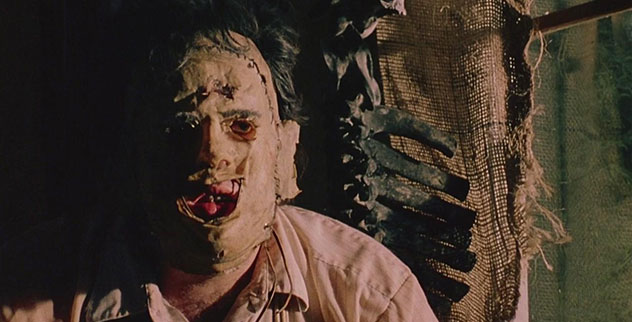
Tobe Hooper’s The Texas Chain Saw Massacre remains one of the most influential horror films ever made, even though the original is less explicitly bloody than many people remember. Its power comes from texture: heat, sweat, bones, screaming, rusty rooms, and the terrible feeling that the viewer has wandered into a place where civilization ended three exits ago.
The sequels, remakes, prequels, and legacy installments made the franchise increasingly graphic. Leatherface became a horror icon, not just because of the chainsaw, but because the films turn the human body into meat, furniture, family tradition, and very questionable interior design.
The series is disgusting in a grimy, sunburned way. It does not feel supernatural or elegant. It feels sticky. That grounded nastiness is why The Texas Chainsaw Massacre still works. It is horror as road-trip regret.
5. Friday the 13th
Jason Voorhees and the summer camp body count
If Halloween helped define the slasher, Friday the 13th helped turn the body count into a franchise sport. What began in 1980 as a campfire revenge story became a long-running saga of Jason Voorhees, the hockey-masked mountain of doom who treats Crystal Lake like a private security assignment.
The gore in Friday the 13th is classic slasher material: machetes, arrows, axes, crushed skulls, sleeping bags, and teenagers who make life choices that practically come with ominous music. The series is not always elegant, but elegance is not why people watch Jason. People watch Jason because he is inevitable, silent, and weirdly committed to maintaining the camp’s no-fun policy.
Across its many sequels, the franchise became a showcase for practical effects and creative kills. It is bloody comfort food for slasher fans, which is a sentence that should probably concern us all.
6. Hellraiser
Pain, pleasure, and body horror with a philosophy degree
Hellraiser is not just gross. It is stylishly gross. Based on Clive Barker’s imagination, the franchise introduced the Cenobites, beings from another dimension who treat suffering like fine dining. Pinhead became the face of the series, but the real horror is the idea that desire itself can open a door you cannot close.
The first film remains a body-horror classic, with skinless resurrection, hooks, blood rituals, and a puzzle box that should absolutely not be sold in any antique shop without a warning label. Later entries vary wildly in quality, but the franchise’s core imagery remains unforgettable: flayed flesh, leather, chains, surgical nightmares, and cosmic sadomasochism.
Where many gory horror franchises rely on panic, Hellraiser relies on temptation. It asks what people will do for forbidden experience, then answers with something involving hooks. That is commitment.
7. Hostel
The vacation horror that ruined backpacking for everyone
Eli Roth’s Hostel franchise took the travel nightmare and sharpened it into one of the most infamous examples of 2000s torture horror. The premise is cruelly simple: tourists are lured into a criminal network where wealthy clients pay to torture and kill them. Suddenly, that suspiciously cheap hostel room seems less like a deal and more like a red flag wearing a backpack.
Hostel is disgusting because it feels transactional. The violence is not supernatural or random; it is purchased. That idea gives the gore an extra layer of ugliness. The franchise explores privilege, exploitation, voyeurism, and the fear of being completely powerless in a foreign place.
The original film became a major hit and helped popularize the “torture porn” label, though the term is often debated. Whether viewers see it as social commentary, pure shock cinema, or a dare in movie form, Hostel earned its place on this list.
8. Final Destination
When death becomes a petty engineer
Final Destination has no masked killer, no demon with a puzzle box, and no chainsaw-wielding maniac. Its villain is death itself, and death is apparently a Rube Goldberg enthusiast with unlimited patience.
The franchise’s formula is brilliant: a character has a premonition, saves several people from disaster, and then death returns to collect them in elaborate order. That means every ordinary object becomes suspicious. A ladder? Dangerous. A bathtub? Dangerous. A tanning bed? Extremely dangerous. A log truck? Horror fans have never recovered.
The gore in Final Destination works because of anticipation. The audience watches small details line up like cursed dominoes, waiting for the inevitable splat. The franchise is disgusting, funny, and weirdly educational. After watching it, you may unplug every appliance in your home. Honestly, not the worst idea.
9. Wrong Turn
Backwoods cannibal horror with traps, teeth, and bad GPS energy
The Wrong Turn franchise is built on one of horror’s oldest warnings: do not take the shortcut. Beginning in 2003, the series followed unlucky travelers who wander into territory controlled by cannibal killers, traps, and the kind of rural isolation that makes cell service feel like a miracle.
The franchise became especially known through its direct-to-video sequels, where the gore escalated and the plots became increasingly simple: people enter the woods, the woods respond with murder. The kills often involve blades, arrows, snares, industrial equipment, and dinner plans no sane person would approve.
Wrong Turn may not have the prestige of Texas Chainsaw, but it has a loyal place in disgusting horror cinema. It is nasty, fast, and proudly mean. Also, it has done more damage to hiking enthusiasm than mosquitoes ever could.
10. The Hills Have Eyes
Desert cannibals and nuclear-family nightmares
Wes Craven’s The Hills Have Eyes began as a brutal survival horror story about a stranded family attacked by desert cannibals. The original 1977 film had a raw grindhouse edge, while the 2006 remake amplified the violence for a new generation of horror fans raised on harsher, more graphic cinema.
The franchise is disgusting because it turns wide-open desert into a trap. There is nowhere to hide, no friendly neighbor, and no quick rescue. The horror comes from being exposed, watched, and hunted. Add mutation imagery, cannibal violence, family trauma, and revenge, and the result is a deeply unpleasant vacation package.
The Hills Have Eyes earns its spot because it bridges old-school exploitation and modern gore. It is grim, sun-blasted, and mean enough to make bottled water feel dramatic.
Why Bloody Horror Franchises Keep Coming Back
Gory horror franchises survive because they offer a strange kind of release. Viewers know the blood is fake, the organs are latex, and the screaming actor probably had a snack afterward. That safety net allows audiences to confront fear, disgust, pain, mortality, and chaos from the comfort of a theater seat or couch.
There is also craft behind the carnage. Practical effects artists, makeup teams, stunt performers, editors, and sound designers create the illusion of bodily destruction. A good gore scene is not just “more blood.” It is timing, texture, reaction, and imagination. The audience must believe just enough to flinch, but not so much that the movie becomes unbearable.
The best bloody horror movie franchises also develop rituals. Saw has traps. Friday the 13th has camp casualties. Final Destination has death-chain suspense. Evil Dead has Deadite mayhem. Terrifier has Art the Clown’s silent sadism. Fans return because they know the flavor of fear they are ordering, even if the kitchen keeps finding new ways to ruin their appetite.
Viewer Experience: What It Feels Like to Watch These Franchises
Watching the top bloody, disgusting horror movie franchises is less like normal movie night and more like signing a waiver your brain forgot to read. There is a unique ritual to it. First comes confidence. You say, “I have seen horror before. I am an adult. I pay bills. I can handle one little movie.” Then the film begins, someone opens a suspicious door, and suddenly your adult confidence leaves the room wearing tiny running shoes.
The first experience many viewers have with extreme horror is not fear, exactly. It is negotiation. You start bargaining with the screen. “Please do not pick up that tool.” “Please do not look inside that box.” “Please do not crawl through that pipe.” Naturally, the character does all three, because horror characters are allergic to safe decisions. The audience groans, laughs, hides behind a hoodie, and keeps watching anyway. That combination of dread and curiosity is the engine of gore cinema.
Franchises like Saw and Final Destination create a special kind of anxiety because they make everyday objects suspicious. After Final Destination 2, an entire generation looked at logging trucks like they were ancient death chariots. After Saw, rusty bathrooms, old warehouses, and tape recorders all felt personally threatening. These films follow viewers into real life in small, ridiculous ways. You know death is not planning an elaborate kitchen accident, but you still move the knife away from the edge of the counter. Just in case.
The Evil Dead and Terrifier offer a different experience: the roller coaster of “I cannot believe they showed that.” These movies push practical effects so far that the audience often reacts with shocked laughter. It is not always because the scene is funny. Sometimes laughter is the only available emergency exit. The body says “panic,” the brain says “rubber effects,” and the mouth compromises by making a weird noise your friends will remember forever.
Then there are the cannibal and backwoods franchises such as The Texas Chainsaw Massacre, Wrong Turn, and The Hills Have Eyes. These movies make viewers suspicious of empty roads, abandoned gas stations, and anyone who says, “There is a shortcut.” Their disgust comes from atmosphere as much as gore. Dusty rooms, dirty tools, rotten food, strange family rituals, and the feeling of being watched all work together. You may not see constant blood, but you feel unclean by the end, as if the movie itself needs a shower and a stern conversation.
Hellraiser and Hostel create discomfort in more psychological ways. Hellraiser makes pain feel cosmic, ceremonial, and strangely beautiful. Hostel makes violence feel commercial, like cruelty has a membership plan. That is why these franchises linger. They are not only gross because of what happens to bodies. They are gross because of what they suggest about desire, power, money, and curiosity. The splatter is the hook; the idea underneath is what sticks.
The funniest part is that horror fans often turn these brutal experiences into bonding events. Friends gather to watch something awful, pass snacks around, shout warnings at fictional strangers, and rate kills like Olympic judges with questionable priorities. Someone always says, “That was too much,” and then immediately asks what the sequel is called. Bloody horror is communal endurance. It lets people test their limits, laugh at fear, and celebrate the absurd creativity of filmmakers who looked at fake blood and thought, “More.”
That is the real appeal of disgusting horror franchises. They are gross, yes. They are sometimes ridiculous, often excessive, and occasionally responsible for viewers sleeping with the lights on. But they are also inventive, memorable, and weirdly cathartic. In a controlled fictional space, blood becomes spectacle, fear becomes fun, and disgust becomes a shared joke. Just remember: choose your snacks wisely. Spaghetti is a brave but dangerous choice.
Conclusion
The top 10 bloody, disgusting horror movie franchises prove that gore is not a single style. It can be mechanical, supernatural, comedic, grimy, philosophical, or brutally realistic. From Jigsaw’s traps to Art the Clown’s silent carnage, from Deadite chaos to Leatherface’s chainsaw legacy, these franchises have shaped how horror fans talk about fear, violence, and the strange joy of being safely repulsed.
Not every viewer wants extreme horror, and that is perfectly fair. Some people prefer ghosts, haunted dolls, or thrillers where the scariest thing is a creaky hallway. But for fans who love splatter, body horror, slasher mayhem, and cinematic gross-outs, these franchises are essential viewing. They are bloody, disgusting, influential, and impossible to forgetno matter how hard your stomach may try.
Note: This article is based on real franchise histories, box-office reporting, critical reception, and publicly available film information through June 2026. It is written for entertainment and SEO publishing purposes, with original wording and no copied source text.

