
Beauty Unlocked
The Simple Morning Ritual That Helps Jane Lynch Stay Calm During the Holidays
Jul
The holidays are supposed to be magical. In reality, they are often powered by tangled string lights, crowded grocery stores, mystery gift exchanges, and one relative who somehow turns mashed potatoes into a debate topic. So when Jane Lynch shared the simple morning ritual that helps her stay calm during the holidays, it landed with the force of a deeply welcome truth: peace does not always arrive wearing yoga pants and carrying a green juice.
Sometimes peace is much less dramatic. Sometimes it is coffee. A chair by the window. A few birds flitting around a feeder. A quiet pause before the day starts asking for things.
That is the charm of Lynch’s approach. It is not flashy, expensive, or annoyingly perfect. It is a small, repeatable ritual that turns the morning into a soft landing strip before the holiday chaos takes off. And honestly, that may be the most useful celebrity wellness tip of the season. No cryotherapy chamber required. No sunrise boot camp. No app subscription trying to spiritually invoice you every month.
Here is why Jane Lynch’s simple morning ritual works so well, why it makes particular sense during the holidays, and how you can borrow the same calming energy for your own life without pretending to become a woodland philosopher overnight.
What Jane Lynch’s Morning Ritual Actually Looks Like
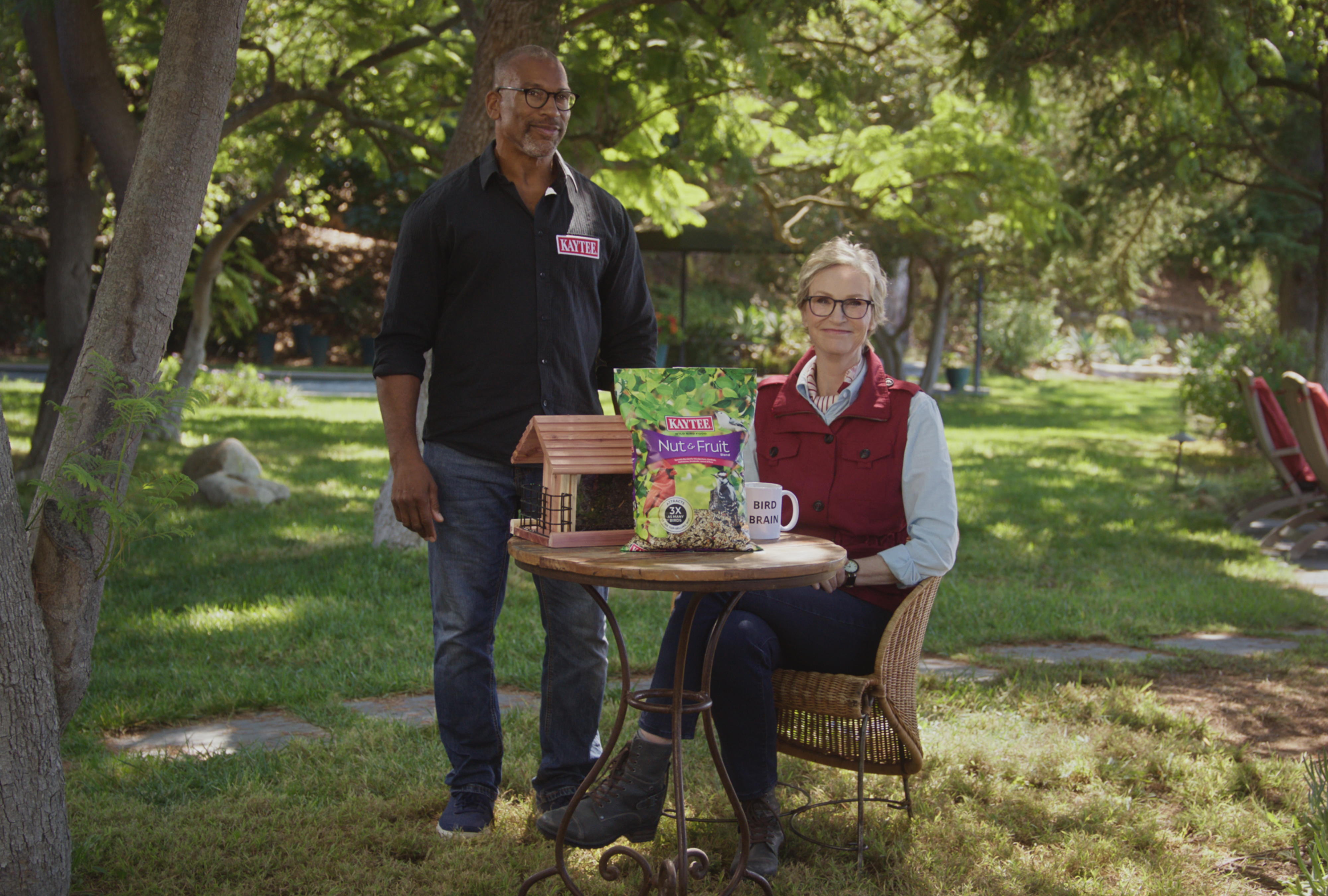
Recent reporting about Jane Lynch’s holiday-season habits points to a very specific ritual: she sits in her dining room, sips coffee, and watches the birds outside her home. That is it. No grand performance. No “5 a.m. hustle.” Just a few minutes of stillness, caffeine, and quiet attention directed toward something living and lovely.
The beauty of this ritual is how ordinary it is. Lynch has long been open about loving coffee, and in past interviews she has also talked about meditation and the importance of taking life one moment at a time. The bird-watching version of her morning routine feels like those ideas grew a cozy winter sweater and moved near a window.
It also fits her personality. Jane Lynch has always had a sharp, funny, no-nonsense style in interviews. She does not come across as someone trying to sell impossible serenity. Her version of calm feels grounded. It has texture. It has a little humor in it. It says, “Yes, the world is ridiculous, but look at that finch for a second and maybe do not spiral before breakfast.”
Why This Holiday Morning Routine Works So Well
There is a reason this simple ritual sounds instantly appealing. It combines several stress-reducing ingredients into one gentle practice, and none of them ask too much from an already overloaded brain.
1. It starts the day with quiet, not chaos
The holidays are notorious for hijacking your attention before your feet even hit the floor. Notifications buzz. Shopping lists multiply. Travel plans wobble. Someone texts, “Can you bring dessert?” even though you already volunteered for appetizers, napkins, and emotional support.
A calm morning ritual interrupts that pattern. Instead of opening the day by reacting, you begin by observing. That shift matters. Even a brief pause can make the morning feel less like an ambush and more like a choice.
2. It uses nature as a nervous-system reset
Bird-watching may sound quaint, but it is not just a cute hobby for people who own binoculars and know the difference between a finch and a sparrow from 40 feet away. Nature exposure has repeatedly been linked with lower stress, better mood, and improved mental well-being. Birds, in particular, seem to have a surprisingly powerful effect. Seeing them, hearing them, or simply noticing them can make people feel more positive and more present.
That helps explain why Lynch’s ritual feels so smart. She is not only taking a break. She is directing her mind toward something naturally absorbing, visually gentle, and emotionally regulating. Birds do not ask you to optimize your quarter. They are not emailing you about Secret Santa. They simply exist, which can be weirdly healing when your brain has become a to-do list with eyebrows.
3. It includes a built-in mindfulness practice
Mindfulness gets packaged in many ways, but at its core, it is just focused attention without judgment. Watching birds requires exactly that. You notice movement. You listen. You wait. You stay with what is in front of you rather than sprinting ahead to everything that might go wrong by 3 p.m.
Lynch has previously discussed meditation as part of her life, so this ritual also makes sense as a practical cousin to formal mindfulness. If seated meditation feels intimidating, bird-watching offers a friendlier on-ramp. You are still present, still grounded, still breathing. You just have feathered co-hosts.
4. It is comforting because it is repeatable
Holiday stress often grows when life feels overcrowded and unpredictable. Rituals help because they create structure. A familiar sequencemake coffee, sit down, look outside, breathe, noticegives the nervous system something steady to hold onto.
The ritual does not need to be long to be effective. In fact, its simplicity is probably why it works. Complex routines often collapse under real life. A short ritual survives. It can happen on a weekday, before houseguests wake up, before a flight, before cooking starts, before the family group chat turns mildly alarming.
Jane Lynch’s Ritual Is the Opposite of Performative Wellness
Part of what makes this story resonate is that Lynch’s ritual feels refreshingly unglamorous. It is not “simple” in the way celebrity advice sometimes is, where “simple” somehow involves an infrared sauna, a wellness chef, and a Himalayan mineral fog machine.
This is normal-person simple. Look out the window. Sip coffee. Be quiet for a minute.
And that matters, especially during the holidays. Stress management advice often fails because it adds another burden. Now you are not only stressedyou are stressed and behind on your self-care. Fantastic. Gold star for suffering inefficiently.
Lynch’s ritual avoids that trap. It asks for attention, not perfection. It does not require a personality transplant. It does not even require loving winter. It just offers a manageable pocket of calm before the day becomes louder.
How to Try Jane Lynch’s Morning Ritual in Your Own Life
You do not need a picturesque yard or a celebrity zip code to borrow this idea. The point is not to recreate Jane Lynch’s exact scenery. The point is to recreate the feeling.
Keep the setup ridiculously easy
Make your drink. Sit somewhere with natural light. Look outside. If you have birds nearby, wonderful. If not, watch the trees move, the sky change, or the neighborhood wake up. Calm does not care whether the view is a garden, a balcony, or a stubborn city pigeon with main-character energy.
Do not bring your phone into the ritual
If you turn this into “coffee plus email triage,” the magic dies immediately. The whole point is to begin the morning without digital static. Let your brain come online as a person first, not as a customer service department.
Give it a tiny time limit
Five minutes is enough. Ten is luxurious. If you aim for 45 minutes every day, your routine will soon become a lovely idea you once had. Make it so easy that you can keep doing it when life gets messy.
Use your senses on purpose
Notice the warmth of the mug. Notice the air near the window. Notice sounds. Notice color. Notice movement. This turns an ordinary pause into a grounding exercise without making it feel clinical or forced.
Let the ritual be a mood-setter, not a miracle cure
This practice will not erase grief, family tension, burnout, or all the weird logistical acrobatics of the season. But it can lower the volume. It can help you respond with more steadiness. Sometimes that is enough to change the entire texture of a day.
Why Bird-Watching Feels Especially Right During the Holidays
The holiday season has a peculiar way of making people feel overfull and undernourished at the same time. Overfull calendar. Overfull inbox. Overfull shopping cart. Yet somehow emotionally underfed. That is why a ritual like Lynch’s stands out. It offers nourishment that is quiet instead of loud.
Bird-watching also encourages awe on a small scale. You do not need fireworks. You do not need a major breakthrough. You just need to notice that a tiny creature landed, looked around, and carried on with its mysterious bird business. There is something humbling and soothing about that. The world continues. Life keeps moving. Not everything depends on whether your cookies came out evenly baked.
And during a season that can trigger social anxiety, financial pressure, loneliness, or plain old fatigue, these tiny moments matter. They remind you that calm is not always found by escaping your life. Sometimes it is found by briefly stepping out of the holiday stampede and paying attention to what is already there.
The Bigger Lesson Behind Jane Lynch’s Holiday Calm
The deeper lesson in Jane Lynch’s morning ritual is not really about birds, though the birds are doing excellent work. It is about choosing a pace. It is about deciding that before the errands, obligations, conversations, and chaos, there will be one small moment that belongs to you.
That is powerful. Especially during the holidays, when so much of life can feel externally directed.
Lynch’s ritual also proves that calm does not have to be serious to be meaningful. It can be a little funny. A little cozy. A little random. It can involve coffee and tiny feathered freeloaders raiding your bird feeder like they own the place. Peace does not always arrive with a gong. Sometimes it arrives with chirping.
And perhaps that is why this routine feels memorable. It is accessible. Human. Unpretentious. It does not ask you to become a different person. It just asks you to notice one quiet thing before the noisy things begin.
Experiences That Show Why This Kind of Morning Ritual Really Works
One of the reasons Jane Lynch’s holiday ritual resonates is that so many people have stumbled into their own version of it without giving it a fancy name. Consider the parent hosting Christmas morning who wakes up before everyone else, makes coffee, and sits at the kitchen table in total silence for seven blessed minutes. The house is still. The wrapping paper avalanche has not started. The oven is not yet involved. In that tiny window of peace, the whole day feels more manageable. Nothing outside has changed, but the body has been given a softer start.
Or think about the person who dreads holiday travel. Their December is a blur of delayed flights, weather alerts, family logistics, and the annual panic of wondering whether they packed gifts but forgot socks. On the morning of departure, instead of doom-scrolling airport updates the second they wake up, they sit by a hotel window with coffee and simply watch the light come up over a parking lot, a few trees, and a handful of birds. It is not glamorous. It is not cinematic. But it lowers the emotional temperature enough that the day stops feeling like a personal attack.
There is also the empty-nester version of this ritual, which can be especially meaningful during the holidays. For someone whose traditions have changed, a quiet morning practice can become an anchor. Maybe the kids are visiting later. Maybe they are not. Maybe the house feels larger than it used to. Sitting with a warm drink and noticing birds at the feeder, or even just listening to them outside, creates continuity. The ritual says: life is different, but it is still here. Beauty is still here. You are still here.
Then there is the apartment-dweller edition, which deserves some respect. Not everyone has a backyard full of charismatic finches waiting to support their emotional growth. Sometimes the morning wildlife consists of one determined pigeon and a squirrel with trust issues. That still counts. Looking out the window with deliberate calm can create the same effect. The ritual is not really about owning a nature preserve. It is about interrupting mental noise with sensory attention.
Even people who are not “morning people” can make this work. In fact, they may need it most. For the chronically rushed, the highly caffeinated, the holiday overcommitted, the ritual acts like a buffer between sleep and responsibility. It keeps the day from beginning in a skid. And because it is simple, it often sticks. People do not abandon it the way they abandon more ambitious wellness plans involving elaborate journaling prompts, cold plunges, and a suspicious amount of chia.
That is the genius of a ritual like Jane Lynch’s. It feels doable in real life. It is not trying to impress anyone. It is trying to help. During the holidays, that may be the difference between merely surviving the season and actually enjoying parts of it.
Conclusion
The simple morning ritual that helps Jane Lynch stay calm during the holidays is not complicated, and that is exactly why it works. A cup of coffee, a few quiet minutes, and a little attention paid to birds and the outside world can create a pocket of steadiness before the season gets loud.
It is a reminder that holiday self-care does not have to be dramatic to be effective. You do not need to overhaul your life. You do not need to perform wellness like it is a competitive sport. You just need one repeatable act of calm that helps you come back to yourself.
Jane Lynch’s version happens to involve bird-watching. Yours might too. Or it might involve a porch, a window, a favorite mug, a few deep breaths, and five phone-free minutes that make the rest of the day feel less chaotic. Either way, the lesson is the same: when the holidays start behaving like a three-ring circus, it helps to begin the morning with something small, quiet, and real.

