
Makeup
The Evolution of the Toilet Seat
Aug
Note: This article is fully original, written in standard American English, and synthesized from reputable historical, plumbing, sanitation, accessibility, water-efficiency, and bathroom-manufacturing references.
Introduction: The Humble Throne Deserves a Standing Ovation
The toilet seat may be the least glamorous object in the house, yet few inventions have supported humanity so faithfully. It is the quiet hero of the bathroom, the everyday interface between civilization and plumbing. We do not usually toast it at dinner parties, which is probably for the best, but the evolution of the toilet seat tells a surprisingly rich story about sanitation, comfort, public health, industrial design, water conservation, accessibility, and even social etiquette.
Long before the modern soft-close lid saved households from midnight seat-slamming disasters, people were solving the same basic problem: how to sit, squat, balance, clean, and move waste away without turning daily life into a medieval hazard zone. The toilet seat evolved from stone benches and wooden boards into molded wood, plastic, open-front commercial seats, ergonomic elongated designs, heated bidet seats, and smart toilet systems that seem one software update away from offering life advice.
Today, the best toilet seats are not merely rings bolted to porcelain. They are engineered bathroom fixtures shaped by hygiene standards, accessibility rules, manufacturing advances, sustainability goals, and changing expectations of comfort. In other words, the toilet seat has had a glow-up. A very practical, very washable glow-up.
Ancient Beginnings: Before the Seat Had a Name
The idea of a toilet seat is older than the modern bathroom by thousands of years. Ancient civilizations built latrines, drainage systems, and communal toilet structures that prove one thing clearly: people have always preferred not to improvise when nature calls.
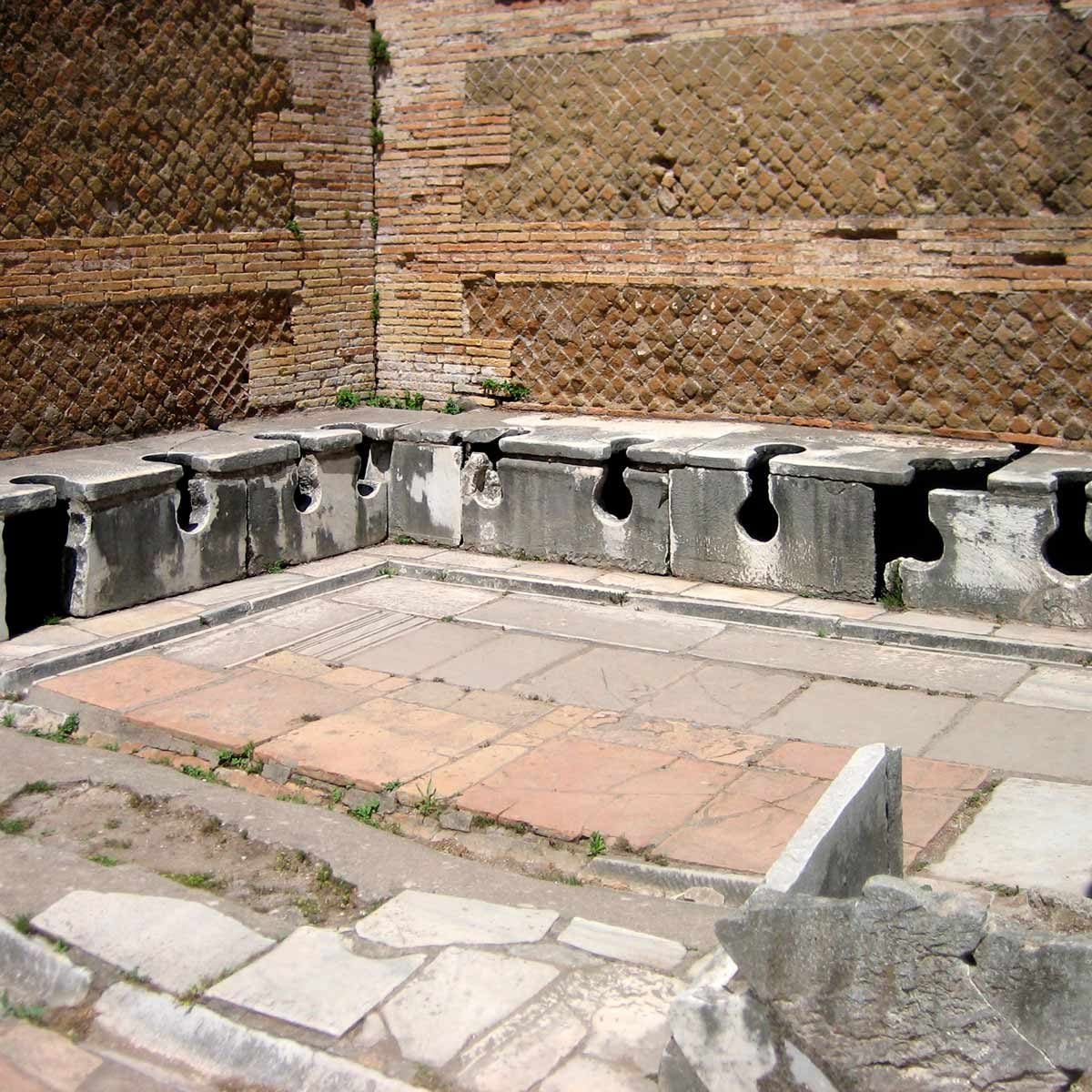
In ancient Rome, public latrines often used long stone or wooden benches with holes cut into them. These communal arrangements were not exactly private spa experiences. Picture a row of neighbors seated together, discussing politics, bread prices, or whose toga needed better laundering. Water channels helped carry waste away, and sponges on sticks were used for cleaning. Comfort was limited, but the concept of a dedicated seated surface above a waste channel was already there.
Medieval Europe continued the story with garderobes, chamber pots, and basic privies. Castles sometimes had stone seats built into walls, where waste dropped into pits, moats, or unpleasant places below. In cities, chamber pots were common, and sanitation was often a polite word for “good luck, everyone.” The toilet seat, as a household fixture, remained primitive because plumbing itself was primitive. Without reliable water supply, sewer systems, and indoor waste removal, the seat could not evolve very far.
The Flush Toilet Changes Everything
The modern toilet seat began to matter more once the flush toilet entered the conversation. In 1596, Sir John Harington designed a flushing device for Queen Elizabeth I. It was clever, but it did not immediately transform society. The system was expensive, awkward to install, and ahead of the infrastructure needed to support it. Most people kept using chamber pots for centuries.
By the 18th and 19th centuries, however, urban growth and public health crises forced cities to take sanitation seriously. Cesspools, open drains, and contaminated water made disease a constant threat. Better plumbing became not just a luxury, but a survival strategy. The toilet seat benefited from this shift because the water closet became a more permanent household fixture.
The Thomas Crapper Myth
No history of the toilet can avoid Thomas Crapper, largely because his name sounds like it was written by a comedy writer with no editor. Contrary to popular myth, Crapper did not invent the flush toilet. What he did do was manufacture and promote successful sanitary products in Victorian Britain. He helped popularize bathroom showrooms and improved plumbing components, including tank mechanisms associated with more reliable flushing.
That matters because the toilet seat’s evolution was never about one genius inventor yelling, “Behold, a ring!” It was about many small improvements: better bowls, stronger hinges, smoother surfaces, cleaner materials, standardized dimensions, more reliable flushing, and public acceptance of indoor bathrooms.
From Wooden Boards to Manufactured Toilet Seats
Early toilet seats were commonly made from wood. Wood was available, workable, and warmer than stone or metal. It could be cut, shaped, hinged, and attached to early water closets. Of course, untreated or poorly sealed wood also absorbed moisture, odors, and germs. In the bathroom, that is not a charming rustic feature. That is a problem wearing a splintery hat.
As manufacturing improved, toilet seats became more standardized. Enameled wood offered a smoother, more washable surface while retaining the solid feel people liked. Later, plastic and molded materials changed the industry again. Plastic seats were lighter, easier to clean, resistant to moisture, and suitable for mass production. The bathroom fixture world was discovering what every homeowner eventually learns: anything near a toilet should be nonporous, durable, and easy to wipe without drama.
In the United States, companies such as Bemis helped turn the toilet seat into a manufactured consumer product. Bemis began producing toilet seats in the early 20th century and became one of the major names associated with molded wood, plastic, and specialty seats. Meanwhile, major bathroom brands such as Kohler and American Standard helped normalize the toilet as a design object, not just a plumbing necessity.
Round, Elongated, Open Front: Why Shape Matters
One of the biggest changes in toilet seat design is shape. The two most common residential forms are round and elongated. Round toilet seats are compact and often found in smaller bathrooms or older homes. Elongated toilet seats provide more sitting surface and are commonly considered more comfortable, especially in newer bathrooms.
Round Toilet Seats
Round seats are practical where space is limited. They usually fit shorter bowls and can make a tiny powder room feel less like a porcelain obstacle course. For apartments, older houses, and tight layouts, the round seat remains a useful design.
Elongated Toilet Seats
Elongated seats became popular because they offer more room and better ergonomic support. In plain English: they give adults a bit more landing area. Many comfort-height and modern toilets use elongated bowls, making elongated toilet seats a common choice in remodels and new construction.
Open-Front Toilet Seats
If you have ever wondered why many public restroom toilet seats look like someone forgot to finish the front, that gap is intentional. Open-front toilet seats are common in public and commercial restrooms because plumbing codes and hygiene standards often favor them. The design reduces contact at the front of the seat, helps with personal cleaning, and makes maintenance easier.
At home, most people prefer a closed-front seat with a lid. In public spaces, the open-front design is less about elegance and more about reducing mess, simplifying cleaning, and keeping high-traffic bathrooms functional. It is not beautiful, but neither is a gas station restroom at 11:47 p.m. Design has priorities.
The Lid: Small Feature, Big Debate
The toilet lid may be the most argued-over flap in domestic history. Some people see it as an essential hygiene barrier. Others treat it like decorative luggage. But the lid became important for several reasons: it covers the bowl, reduces odors, prevents objects from falling in, improves appearance, and may help limit the spread of droplets during flushing.
Modern research on toilet plume has shown that flushing can release tiny particles into the air. Closing the lid does not create a magical force field, but it can help reduce some spread. This has made the humble lid more relevant in conversations about bathroom hygiene, especially in shared spaces.
The lid also changed bathroom etiquette. “Put the seat down” became a household phrase, a relationship test, and possibly the subject of more silent arguments than thermostat settings. The modern soft-close lid has reduced at least one category of conflict: the startling crash of a dropped seat echoing through a quiet home like a cymbal in a library.
Materials: From Splinters to Smooth Plastic
The evolution of toilet seat materials reflects the evolution of sanitation itself. Early wood gave way to coated wood, molded wood, thermoset plastics, polypropylene, resin, and specialty composites. Each material brought advantages and trade-offs.
Wood and Enameled Wood
Wood seats feel sturdy and warmer than plastic. Enameled wood seats remain popular because they offer weight, comfort, and a traditional appearance. The downside is that if the enamel chips or cracks, moisture can reach the core. Once that happens, the seat may swell, stain, or become harder to clean.
Plastic Toilet Seats
Plastic seats are lightweight, moisture-resistant, and easy to manufacture in many shapes and colors. They are often easier to clean and less likely to absorb bathroom moisture. Higher-quality plastic seats resist staining, scratching, and chemical damage better than bargain versions.
Specialty Materials
Decorative resin seats, cushioned vinyl seats, antimicrobial-treated seats, and commercial-grade nonabsorbent seats all appeared as manufacturers tried to satisfy different needs. Some trends aged better than others. Clear resin seats with seashells inside had their moment. So did fuzzy lid covers. History is not always proud of itself.
Comfort Takes the Throne
Once indoor plumbing became normal, comfort became the next frontier. Toilet seats got smoother edges, better contours, improved bumpers, stronger hinges, and more stable fastening systems. The goal was simple: no shifting, no pinching, no wobbling, no sudden slam, and no mysterious sideways slide that makes a person question the laws of physics.
Soft-close toilet seats became one of the most beloved upgrades in modern bathrooms. A slow-close hinge prevents the lid or seat from slamming down. This protects fingers, reduces noise, and gives the bathroom a slightly more civilized personality. Quick-release hinges also became popular because they make cleaning around the hinge area easier. Anyone who has cleaned old hinge hardware understands why this matters. Some places in a bathroom should not require archaeological tools.
Accessibility and Universal Design
The toilet seat also evolved because bathrooms needed to work for more bodies, ages, and abilities. Accessibility standards helped shape toilet height, grab bar placement, clearance, and seat stability in public and commercial spaces. In accessible restrooms, toilet seat height is commonly designed to make transfers easier for people using wheelchairs or mobility aids.
At home, the rise of comfort-height toilets, raised toilet seats, support-arm seats, and bidet seats with remote controls reflects a broader movement toward universal design. These products are not only for older adults or people with disabilities. They help anyone recovering from surgery, living with limited mobility, or simply tired of feeling like they are doing squats every time they visit the bathroom.
Family toilet seats are another practical innovation. Some include a built-in smaller child seat that folds into the lid, making toilet training less chaotic. It is a small design change with enormous parental value, especially when the alternative is balancing a loose toddler seat at 2 a.m. while everyone involved is underqualified for the moment.
Water Efficiency and the Seat’s Supporting Role
The toilet seat does not control flushing, but it evolved alongside the toilet bowl and tank. As water-efficient toilets became standard, the entire toilet system changed. Older toilets used far more water per flush than modern models. WaterSense-labeled toilets use significantly less water while maintaining performance, helping households reduce water bills and conserve resources.
This shift affected seat design indirectly. Modern bowls changed shape, rim design improved, tanks became more efficient, and manufacturers created seats to fit new profiles. Skirted toilets, one-piece toilets, wall-hung toilets, and compact elongated bowls all require careful seat compatibility. The seat may look simple, but it must match the bowl’s shape, mounting holes, contour, and intended use.
The Bidet Seat Revolution
The biggest recent leap in toilet seat evolution is the bidet seat. Traditional bidets have existed for centuries, but the electric bidet toilet seat transformed the idea for modern bathrooms. TOTO introduced the Washlet in 1980, combining a toilet seat with warm-water cleansing, a heated seat, and air-drying functions. What once felt futuristic became a normal feature in many Japanese homes and hotels.
In the United States, bidet seats gained more attention during periods of toilet paper shortages and rising interest in hygiene-focused bathroom upgrades. Modern bidet seats can include adjustable water temperature, spray position, pressure settings, heated seating, deodorizing, night lights, warm air drying, automatic lids, self-cleaning nozzles, and remote controls. At this point, the seat has more features than some used cars.
Bidet seats also support accessibility. For people with limited mobility, warm-water cleansing can reduce the need for twisting, reaching, and wiping. For others, it simply offers a cleaner, more comfortable routine. While bidets are not miracle medical devices, they represent a major shift in how Americans think about bathroom hygiene.
Smart Toilets and the Future of the Seat
The future toilet seat is already here, and it is warm. Smart toilet seats and integrated smart toilets now offer automatic opening, heated surfaces, personalized bidet settings, UV cleaning, deodorization, motion sensors, and energy-saving modes. Some high-end toilets even gather health-related data, although that raises privacy questions nobody expected to ask while brushing their teeth.
Future toilet seats may focus on four major areas: hygiene, sustainability, accessibility, and personalization. Expect more touchless features, easier cleaning, recyclable materials, slimmer electronics, water-saving bidet functions, and seats designed for multigenerational households. The best future designs will not merely add gadgets; they will solve real problems quietly.
Real-World Experience: What Toilet Seats Teach Us About Daily Life
The toilet seat is one of those objects people ignore until it fails. A loose seat can make an otherwise nice bathroom feel cheap. A cracked seat can ruin the mood faster than a cold shower. A slamming seat can wake an entire household. And a badly matched replacement seat can turn a simple home improvement project into a comedy sketch involving measuring tape, regret, and three unnecessary trips to the hardware store.
Anyone who has renovated a bathroom learns quickly that toilet seats are not one-size-fits-all. The first practical lesson is to measure before buying. Round and elongated seats look obvious in theory, but in the fluorescent aisle of a home improvement store, confidence can evaporate. Measure from the center of the mounting holes to the front edge of the bowl. Also check the bolt spread. A seat that almost fits is still a seat that does not fit, and “almost” is not a comforting word in bathroom engineering.
The second lesson is that hinges matter more than expected. Cheap hinges loosen. Hard-to-clean hinges collect grime. Slow-close hinges feel like a luxury until you own them, and then they become a basic human right. Quick-release hinges are especially useful in family bathrooms because they make deep cleaning less miserable. The area behind the seat is where dust, moisture, and mysterious bathroom particles form alliances. Easy access is not a bonus; it is a gift.
The third lesson is that comfort is personal. Some people prefer the warmth and weight of enameled wood. Others like the lightweight cleanliness of plastic. Taller adults often appreciate elongated and comfort-height combinations. Young children need smaller, safer options. Older adults may benefit from raised seats, support arms, or bidet functions. The “best toilet seat” is not the fanciest one; it is the one that fits the bowl, the body, the bathroom, and the daily routine.
The fourth lesson is that bathroom upgrades do not need to be dramatic to feel transformative. Replacing an old, stained, wobbly seat with a stable soft-close model can make the whole room feel cleaner. Adding a bidet seat can change a household’s hygiene habits. Installing a night-light seat can prevent sleepy midnight navigation disasters. Choosing a child-friendly family seat can make toilet training less like a tiny hostage negotiation.
The final lesson is that the toilet seat is a design object hiding in plain sight. It must be strong but comfortable, cleanable but attractive, standardized but adaptable, affordable but durable. It carries the weight of human routine, literally and culturally. It is where engineering meets embarrassment, where public health meets home design, and where everyone, no matter how important, eventually sits down and becomes equal.
Conclusion: The Seat That Carried Civilization
The evolution of the toilet seat is really the evolution of comfort, hygiene, and modern living. From ancient stone benches to wooden privies, from Victorian water closets to molded plastic seats, from open-front public designs to heated bidet seats, this humble bathroom fixture has adapted to every major shift in sanitation history.
The toilet seat proves that good design does not always shout. Sometimes it quietly closes, cleans easily, fits properly, supports safely, saves water indirectly, and makes one of life’s least glamorous routines more comfortable. It may never receive a museum wing with velvet ropes and dramatic lighting, but it deserves respect. After all, civilization rests on many things: law, language, plumbing, and somewhere near the top of the list, a dependable seat.

