
Body Care
The 6 Cutest Animals That Can Still Destroy You
Jun
Nature has a wicked sense of humor. It gives us animals with button noses, marshmallow bodies, tiny paws, and eyes so sparkly they look designed by a children’s book illustrator. Then, just when we lean in and say, “Awww,” nature whispers, “That one can break your ribs, poison your nerves, or chase you into a parking lot.”
Welcome to the delightful and mildly terrifying world of cute animals that can still destroy you. These creatures are not evil. They are not plotting your downfall in tiny villain capes. They are simply wild animals with defenses, instincts, muscles, venom, teeth, toxins, and personal boundaries. The problem is that humans often confuse “adorable” with “approachable,” which is how vacations become emergency-room stories.
This article looks at six dangerous cute animals that prove one important rule: if an animal looks like a plush toy, it may still come with a built-in disaster button. From tiny frogs with toxic skin to fluffy bison with the acceleration of a small truck, here are the cutest animals that deserve admiration from a respectful distance.
Why Cute Animals Can Be Dangerous
Cuteness is not a safety rating. Big eyes, round faces, small bodies, fuzzy fur, and playful movements trigger affection in humans, but those traits say very little about whether an animal is safe. Many wild animals look harmless because their features evolved for survival, communication, camouflage, or matingnot for our comfort.
Some animals rely on toxins. Some rely on speed and mass. Some use sharp teeth, crushing jaws, or defensive charges. Others are dangerous because people keep making the same mistake: getting too close for a photo. In wildlife encounters, the most dangerous sentence is often, “I just wanted one quick selfie.”
So, with love in our hearts and common sense in our hiking boots, let’s meet the six cutest animals that can still absolutely ruin your day.
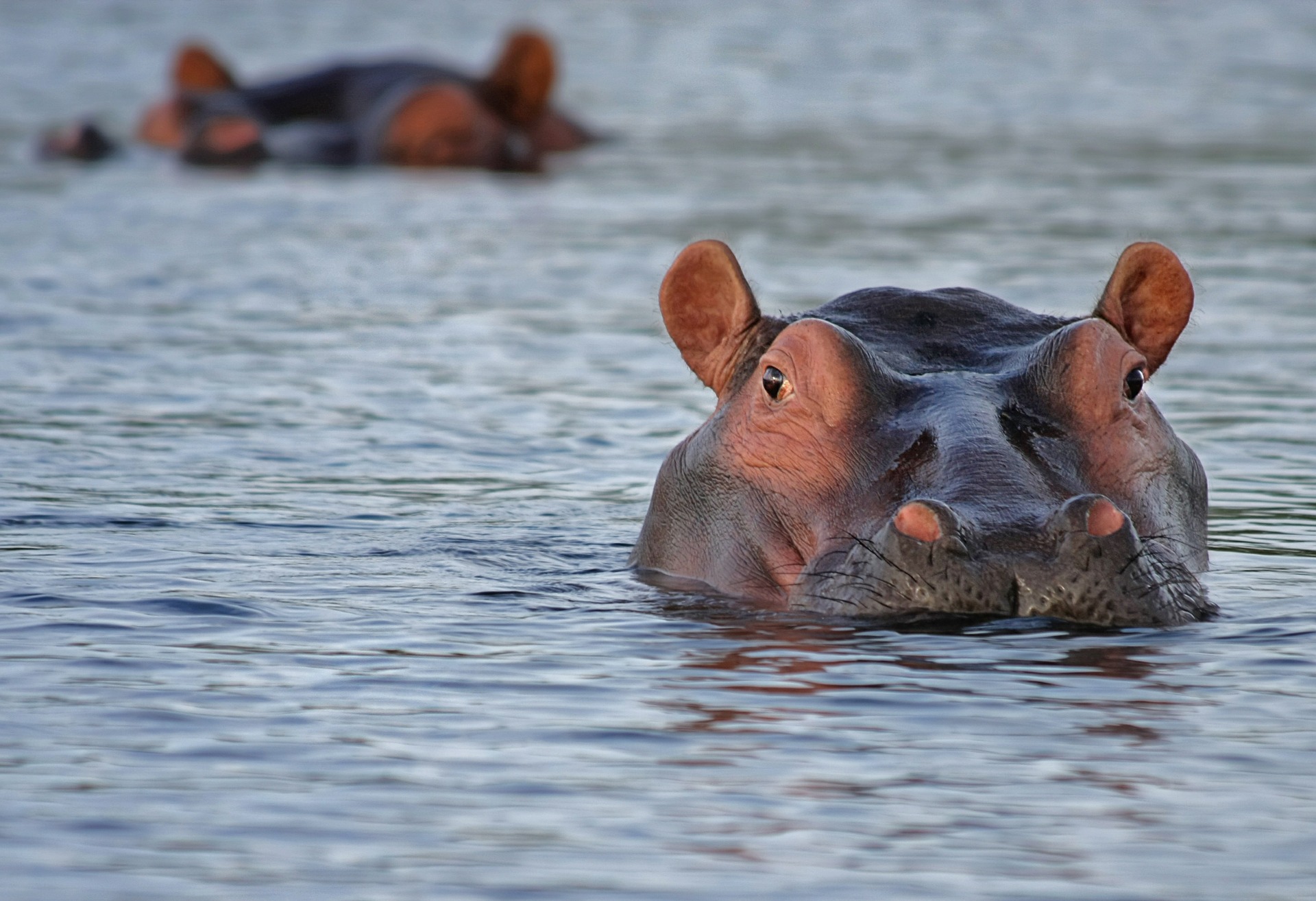
1. The Hippopotamus: A River Potato With War-Machine Energy
At first glance, the hippopotamus looks like a giant gray bean that spent too long in the bathtub. It has tiny ears, sleepy eyes, a round body, and the overall vibe of an animal that should be named “Muffin.” But do not be fooled. The hippo is one of the most dangerous large mammals on Earth, and its cute, blobby appearance is basically nature’s most misleading packaging.
Why Hippos Look So Cute
Hippos have a cartoonish shape: short legs, barrel bodies, expressive faces, and ears that flick like little satellite dishes. Baby hippos are especially adorable, often appearing like shiny, slippery pool toys with legs. Their slow, floating behavior in water also makes them seem calm and goofy.
How a Hippo Can Destroy You
Hippos are territorial, especially in water, and they are armed with enormous jaws and teeth. Their canines can grow to astonishing lengths, and their bite is not a warning nibble. It is a biological demolition tool. Hippos may look slow, but on land they can move quickly over short distances, and in the water they can be shockingly forceful.
The danger often comes from misunderstanding their body language. A yawning hippo may look sleepy, but that huge open mouth can also be a threat display. A person in a small boat, a tourist walking near the water’s edge, or anyone who gets between a mother and calf may suddenly learn that “adorable river cow” was never the correct category.
The safest way to appreciate hippos is from a guided viewing area, a secure vehicle, or a very large emotional distance. They are magnificent animals, but they are not oversized lawn ornaments.
2. The American Bison: Fluffy, Majestic, and Built Like a Moving Wall
The American bison is the teddy bear of the prairieif teddy bears weighed hundreds or thousands of pounds and could launch you into your villain-origin story. With shaggy heads, thick coats, soulful eyes, and calves that look like cinnamon-colored stuffed animals, bison are undeniably cute. They are also wild, powerful, fast, and deeply unimpressed by your camera angle.
Why Bison Look So Cute
Bison have a cozy winter-coat appearance that makes them look softer than they are. Their big heads and calm grazing behavior can create the illusion of a gentle farm animal. Baby bison, often called “red dogs” because of their orange-red coats, are almost unfairly charming.
How a Bison Can Destroy You
Bison are not domestic cattle. They can charge when approached too closely, especially when people crowd them or block their movement. Their warning signs may include head bobbing, pawing, bellowing, tail raising, or bluff charging. Unfortunately, many visitors miss these signals because they are busy turning their phones sideways for “the perfect shot.”
A bison charge is not a dramatic movie moment where you heroically dive out of the way in slow motion. It is fast, heavy, and violent. Even a “minor” encounter can involve goring, trampling, broken bones, puncture wounds, and a lifelong inability to enjoy scenic overlooks.
The rule is simple: stay far away. National parks often recommend keeping at least 25 yards from bison and other large animals, but more distance is always better if the animal seems alert, crowded, or irritated. If a bison notices you, changes posture, or starts behaving differently, you are already too close.
3. The Moose: A Forest Cartoon Character With Long-Legged Fury
Moose look like they were assembled during a committee meeting. They have long legs, giant noses, huge ears, and, in males, antlers that resemble furniture. Calves are heartbreakingly cute, wobbling behind their mothers like awkward woodland toddlers. But the adult moose is not a gentle forest mascot. It is a massive deer relative with a short temper and hooves that can do real damage.
Why Moose Look So Cute
Moose have expressive faces and a strange, endearing awkwardness. Their bodies seem too tall for their personalities, and their droopy noses give them a permanently puzzled expression. In photos, they often look calm, shy, or even slightly embarrassed to be so large.
How a Moose Can Destroy You
Moose are especially dangerous when surprised, stressed, accompanied by calves, or approached by dogs. A cow moose defending her young can charge with little patience for negotiation. Unlike some animals that prefer to flee, moose may stand their ground and then suddenly decide that you are the problem.
Warning signs include ears laid back, raised hair along the neck or hump, lip licking, staring, or a lowered head. If a moose charges, running is actually recommended in many safety guidelines because a moose is not a bear. Your goal is to put a tree, vehicle, or large object between you and the animal. This is not the moment to test your wildlife whisperer skills.
Moose deserve space, especially in brushy areas, near streams, and during calving season. The calf may look like a plush toy on stilts, but somewhere nearby is a mother with the emotional range of an armored security guard.
4. The Slow Loris: Big Eyes, Tiny Hands, Venomous Bite
The slow loris may be the most dangerously cute animal on this list. It has huge round eyes, soft fur, tiny fingers, and the gentle expression of a creature that knows exactly how to get free snacks. Viral videos have made slow lorises look like exotic cuddle pets. That is a serious problem, because slow lorises are wild primates with specialized needsand a venomous bite.
Why Slow Lorises Look So Cute
Slow lorises are nocturnal, which helps explain their enormous eyes. Those eyes help them see in low light, but humans interpret them as maximum cuteness. Their slow movements, small size, and humanlike hands add to the illusion that they are gentle little forest babies.
How a Slow Loris Can Destroy You
Slow lorises produce a toxic secretion from glands near their elbows. When they lick those glands, the secretion mixes with saliva and can create a painful venomous bite. Bites may cause severe pain, swelling, slow-healing wounds, allergic reactions, and in rare cases, serious systemic reactions.
The tragedy is that slow lorises are often harmed by the illegal pet trade. To make them seem safer, traffickers may remove their teeth, a cruel practice that can cause infection, suffering, and difficulty eating. Their cuteness has become part of their dangernot because they are aggressive monsters, but because human demand puts them at risk.
The best way to love a slow loris is not to hold one. It is to reject cute pet videos that show them in unnatural situations, support conservation, and remember that wild animals are not accessories with eyeballs.
5. The Blue-Ringed Octopus: Pocket-Sized, Gorgeous, and Venomous
The blue-ringed octopus is tiny, beautiful, and decorated like a luxury warning label. Its glowing blue rings look like something from a fantasy movie, and its small size makes it seem almost toy-like. But this little cephalopod is one of the ocean’s most serious “look, don’t touch” animals.
Why Blue-Ringed Octopuses Look So Cute
They are small, delicate, and visually stunning. When calm, a blue-ringed octopus may appear modest and easy to miss. When threatened, its electric-blue rings become more vivid, creating a dazzling display. Unfortunately, that display does not mean, “Come closer, ocean friend.” It means, “Please make better choices immediately.”
How a Blue-Ringed Octopus Can Destroy You
Blue-ringed octopuses carry tetrodotoxin, a powerful neurotoxin associated with paralysis and respiratory failure. The bite may be small and sometimes surprisingly painless at first, which makes the danger even more sinister. A person might not realize the seriousness until symptoms begin.
The octopus is not hunting humans. Most bites happen when people pick one up, poke it, trap it, or handle shells and tide-pool objects without paying attention. The animal’s bright rings are a warning display, and respecting that warning is the entire safety plan.
If you see one in a tide pool or shallow reef environment, admire it from a distance. Do not touch it, do not scoop it up, and do not attempt the world’s worst marine-life selfie.
6. The Poison Dart Frog: A Living Jewel With Toxic Skin
Poison dart frogs are tiny masterpieces. They come in brilliant yellows, blues, oranges, reds, greens, and patterns so stylish they make fashion designers look lazy. Many are smaller than a thumb, which makes them seem fragile and innocent. But in the wild, some species carry powerful toxins in their skin.
Why Poison Dart Frogs Look So Cute
Their small size and bright colors make them look like animated candy. Their little toes, glossy skin, and bold patterns give them an almost unreal appearance. They are among the most photogenic amphibians on Earth.
How a Poison Dart Frog Can Destroy You
Poison dart frogs are poisonous, not venomous. That means they do not inject toxin through fangs or stingers. Instead, toxins can be secreted through their skin. In the wild, these toxins are linked to their diet, including certain ants, mites, termites, and beetles. Some captive poison frogs lose much or all of their toxicity when they are fed non-toxic diets.
The golden poison frog is especially famous for batrachotoxin, a potent compound that interferes with nerve and muscle function. Indigenous hunters in parts of South America historically used toxins from certain frogs on blowgun darts, which is how these amphibians earned their dramatic common name.
The takeaway is not that every colorful frog is a tiny doom button. It is that bright colors in nature often serve as warnings. If an animal looks like a neon sign, the message may be: “I am beautiful, and you should not lick me.”
What These Animals Teach Us About Wildlife
The funniest thing about dangerous cute animals is that most of them are not looking for trouble. Hippos protect territory. Bison react when crowded. Moose defend calves. Slow lorises use venom mostly in their own social conflicts. Blue-ringed octopuses bite when threatened. Poison dart frogs rely on toxins to avoid being eaten. In almost every case, the danger increases when humans ignore boundaries.
This is why wildlife safety is not about fear. It is about respect. The goal is not to turn every hike, zoo visit, documentary, or tide-pool walk into a horror film. The goal is to enjoy animals without treating them like props. Cute animals are still animals. They have instincts, stress signals, defensive behaviors, and survival tools that work whether or not we understand them.
How to Admire Cute But Dangerous Animals Safely
- Keep your distance. A zoom lens is cheaper than an ambulance ride.
- Never feed wildlife. Feeding animals makes them bolder, less healthy, and more likely to approach people.
- Watch body language. Raised hair, pinned ears, pawing, flashing colors, open-mouth displays, and sudden stillness can all be warnings.
- Do not touch marine life. Tide pools are not petting zoos with better lighting.
- Respect mothers with young. Cute babies often come with highly motivated security teams.
- Avoid exotic pet trends. Viral cuteness can hide cruelty, illegal trade, and serious animal welfare problems.
Conclusion: Cute Does Not Mean Cuddle-Approved
The world is full of animals that make us melt. Some are fluffy. Some are tiny. Some have huge eyes, silly faces, or colors so gorgeous they look unreal. But cuteness is not consent, and it is definitely not a guarantee of safety.
The hippopotamus, American bison, moose, slow loris, blue-ringed octopus, and poison dart frog all prove the same point in different ways: nature can be adorable and dangerous at the same time. That combination is part of what makes wildlife so fascinating. These animals are not villains. They are specialists, survivors, parents, defenders, and predators or prey in ecosystems that existed long before humans started rating things by how huggable they look.
So admire the hippo’s ridiculous ears. Appreciate the bison’s majestic fluff. Smile at the moose’s awkward face. Marvel at the slow loris’s enormous eyes. Be dazzled by the blue-ringed octopus and poison dart frog. Just do it with distance, humility, and the understanding that the cutest animals can still destroy you if you treat them like toys.
Extra Field Notes: Real-Life Experiences With Cute Animals That Can Still Destroy You
Anyone who spends enough time around wildlife eventually learns the same lesson: the animal does not care about your feelings, your vacation schedule, or the fact that you already imagined the photo caption. The first time you see a truly large animal in person, your brain may briefly stop working. A bison grazing near a road looks peaceful until it lifts its head and suddenly becomes less “majestic wallpaper” and more “living battering ram.” That shift changes how you think about distance forever.
A common experience in national parks is watching people slowly drift toward wildlife without realizing they are doing it. One person steps forward for a picture. Another copies them. Soon a small crowd forms, and the animal that was calmly feeding now has twenty humans forming a half-circle of bad decisions. The mood can change quickly. A tail lifts. A head lowers. The animal turns. Suddenly everyone remembers they have knees.
Moose encounters can feel even stranger because moose often appear in quiet places: trails, ponds, campgrounds, and roadside willows. They do not always announce themselves. You may turn a corner and find a massive animal standing where your peaceful walk used to be. The experience is both magical and deeply clarifying. A moose does not need to roar to be intimidating. It simply exists at full size.
In aquariums and tide-pool settings, the lesson is different but just as important. Small marine animals can appear harmless because they fit in a hand. That is exactly the wrong way to judge them. A blue-ringed octopus is not dangerous because it is big or aggressive; it is dangerous because evolution packed a serious chemical defense into a tiny, beautiful body. The best reaction to seeing one is wonder, followed immediately by personal restraint.
Even tiny frogs teach a big lesson. Poison dart frogs look like living jewels, and their colors practically beg for attention. But in nature, bright colors often communicate risk. That message is not decorative. It is functional. It says, “Predators have learned to leave me alone, and perhaps you should join them.”
The deeper experience behind all of this is not fear. It is awe. The more you learn about cute but dangerous animals, the more impressive they become. Their beauty is not separate from their power. Their defenses are part of their story. Respecting them does not make wildlife less enjoyable; it makes the encounter richer. You stop asking, “Can I touch it?” and start asking, “What is this animal telling me?” That is when nature becomes less like a photo opportunity and more like a living world with rules worth learning.

