
Skincare
Teeth Polishing: About, Benefits, Cost, and Precautions
Jun
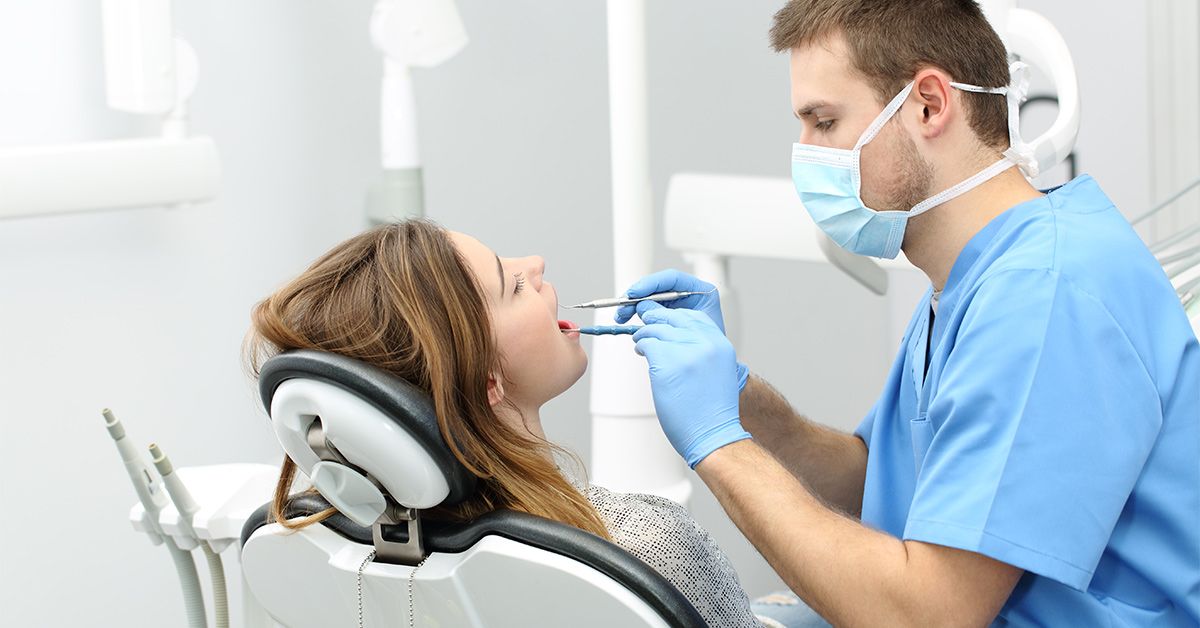
Teeth polishing sounds like something your dentist does so your smile can leave the office looking ready for a toothpaste commercial. And yes, it can make teeth feel smoother and look brighter. But professional tooth polishing is more than a “sparkle service.” It is a dental procedure used to remove surface stains, smooth tooth surfaces, and complete a professional cleaning when it is appropriate for your oral health.
Still, polishing is not magic. It will not bleach deep stains, replace a dental cleaning, fix cavities, or turn last night’s coffee habit into a secret your teeth keep forever. The best results happen when polishing is part of a thoughtful dental care plan that includes brushing, flossing, regular exams, and treatment for gum disease if needed.
This guide explains what teeth polishing is, how it works, its benefits, typical cost in the United States, when to avoid it, and what real-life patients often experience before, during, and after the appointment.
What Is Teeth Polishing?
Teeth polishing is a professional dental procedure that uses a polishing paste, rubber cup, brush, or air-polishing device to remove soft plaque and external stains from the visible surfaces of teeth. It is commonly performed after scaling, the part of a dental cleaning where a dentist or dental hygienist removes plaque and hardened tartar from the teeth and gumline.
Think of it this way: scaling is the serious business meeting; polishing is the tidy follow-up email. Scaling removes deposits that brushing cannot remove. Polishing helps smooth the surface and remove leftover stains from coffee, tea, red wine, tobacco, berries, sauces, and everyday lifebecause teeth, unfortunately, do not come with a “do not stain” setting.
Teeth Polishing vs. Teeth Cleaning
A professional teeth cleaning usually includes several steps: an oral exam, scaling, polishing, flossing, and sometimes fluoride treatment. Polishing is only one part of that visit. It does not remove hardened tartar by itself, and it should not be confused with deep cleaning, also called scaling and root planing, which treats gum disease below the gumline.
If your dentist says you need a deep cleaning, polishing alone will not solve the problem. Gum disease involves bacteria, plaque, and tartar trapped under the gums. That requires a more targeted treatment plan.
Teeth Polishing vs. Teeth Whitening
Teeth polishing removes surface stains. Teeth whitening uses bleaching agents, usually hydrogen peroxide or carbamide peroxide, to lighten tooth color. Polishing can make teeth look cleaner and slightly brighter, especially if stains are external. Whitening can change the shade of the teeth more noticeably, but it may also cause temporary sensitivity.
In simple terms: polishing is like cleaning the window; whitening is like changing the lighting inside the room.
How Teeth Polishing Works
Professional teeth polishing may be performed in different ways depending on the condition of your teeth, gums, dental restorations, and stain level.
1. Rubber Cup Polishing
This is the classic method many patients know. A dental hygienist uses a small rotating rubber cup with a gritty polishing paste. The paste may come in different levels of abrasiveness, from coarse to fine. Coarser pastes remove heavier stains, while finer pastes create a smoother finish.
The procedure is usually quick and painless. Some patients feel a tickling or vibrating sensation. Others mostly focus on choosing a flavor and silently hoping it is not bubblegum again.
2. Bristle Brush Polishing
A small brush may be used on chewing surfaces, grooves, or areas where a rubber cup does not reach easily. This method can be useful for certain stain patterns but must be used carefully to avoid irritating the gums or wearing delicate surfaces.
3. Air Polishing
Air polishing uses a controlled stream of air, water, and powder to remove plaque and surface stains. Traditional powders may include sodium bicarbonate, while newer low-abrasive powders such as glycine or erythritol may be used for patients with sensitivity, gum recession, implants, or periodontal concerns.
Air polishing can be efficient, but it is not right for everyone. Patients with certain respiratory conditions, sodium restrictions, exposed roots, or delicate restorations may need a different approach.
Benefits of Teeth Polishing
Teeth polishing has cosmetic and oral hygiene benefits when done correctly and selectively. It is not a cure-all, but it can be a helpful finishing step after professional cleaning.
Removes Surface Stains
One of the biggest reasons people love polishing is stain removal. Coffee, tea, wine, tobacco, and deeply colored foods can leave external stains on enamel. Polishing can reduce these stains and make teeth appear cleaner and fresher.
Makes Teeth Feel Smooth
After polishing, many patients cannot stop running their tongue over their teeth. Smooth teeth feel clean because polishing removes soft deposits and surface roughness. A smoother surface may also make it harder for plaque to cling immediately after the cleaning.
Freshens the Mouth
Bad breath often comes from bacteria, plaque, food debris, dry mouth, gum disease, or other oral health issues. Polishing can help freshen the mouth as part of a cleaning, especially when combined with scaling and improved home care.
Improves Smile Confidence
Polishing does not create a Hollywood smile overnight, but it can give your teeth a cleaner, brighter appearance. For many people, that small improvement is enough to smile more freely in photos, meetings, first dates, or video calls where the camera is always a little too honest.
Completes Preventive Dental Care
When used appropriately, polishing supports preventive care by helping remove plaque and stains after scaling. It also gives your dental team a chance to check for cavities, gum inflammation, enamel wear, recession, and other concerns.
Who Should Consider Teeth Polishing?
You may benefit from teeth polishing if you have healthy enamel, mild to moderate external staining, plaque buildup, or rough areas after scaling. It may also be useful before certain cosmetic or restorative procedures when the dentist wants a clean tooth surface.
People who drink coffee, tea, cola, or red wine regularly may notice more visible results. Smokers and former smokers may also see improvement, although tobacco stains can be stubborn and may require repeated professional care.
When Teeth Polishing May Not Be Recommended
Modern dental care often favors selective polishing, which means polishing only when there is a clear reason. That is because polishing uses abrasive materials, and unnecessary polishing may not provide extra health benefits for every patient.
Your dentist or hygienist may avoid or modify polishing if you have:
- Active gum inflammation or untreated periodontal disease
- Exposed tooth roots or significant gum recession
- Tooth sensitivity
- Enamel erosion or demineralization
- Newly erupted teeth with immature enamel
- Dental restorations that could be scratched or dulled
- Orthodontic appliances that require special cleaning methods
- Respiratory conditions that make air polishing less suitable
- Intrinsic stains caused by trauma, medication, fluorosis, or developmental enamel issues
Intrinsic stains are stains inside the tooth structure. Polishing generally will not remove them. In those cases, whitening, bonding, veneers, crowns, or other cosmetic treatments may be more appropriate.
How Much Does Teeth Polishing Cost?
In the United States, teeth polishing is usually included in the cost of a routine dental cleaning rather than billed as a separate service. Without dental insurance, a standard adult cleaning often costs about $85 to $200, although prices can range from around $50 to $350 depending on location, the dental office, the patient’s oral health, and whether an exam or X-rays are included.
If you have dental insurance, preventive cleanings are often covered partly or fully, commonly once or twice per year. However, every plan is different. Some plans cover routine cleanings but not periodontal maintenance, deep cleaning, or cosmetic polishing beyond preventive care.
What Affects the Cost?
The final price may depend on several factors:
- Location: Dental fees are often higher in large cities and coastal areas.
- Type of cleaning: Routine cleaning costs less than deep cleaning.
- New patient exam: First visits may include X-rays, charting, and a comprehensive exam.
- Gum health: Patients with periodontal disease may need scaling and root planing.
- Insurance status: In-network dentists may cost less for insured patients.
- Dental school clinics: These may offer lower-cost cleanings under supervision.
Routine Cleaning vs. Deep Cleaning Cost
A routine cleaning is preventive and focuses mainly above the gumline. Deep cleaning treats gum disease and cleans below the gumline. Scaling and root planing may cost about $150 to $350 per quadrant without insurance, and the mouth has four quadrants. That means treating the whole mouth can be significantly more expensive than a standard cleaning.
Polishing may be included after periodontal treatment, but it is not the main treatment. If gums are infected or pockets are present, removing bacteria and tartar below the gumline comes first.
Precautions Before and After Teeth Polishing
Before the Appointment
Tell your dentist or hygienist if you have sensitive teeth, bleeding gums, loose teeth, dental implants, crowns, veneers, braces, allergies, respiratory conditions, heart conditions, or a history of needing antibiotics before dental work. Also mention if you are pregnant, taking blood thinners, or managing diabetes.
You do not need to do anything dramatic before polishing. Brush and floss as usual. Please do not attempt a heroic “pre-cleaning” with baking soda, lemon juice, charcoal, or mystery powders from the internet. Your enamel deserves better than a kitchen experiment.
After the Appointment
After polishing, your teeth may feel extra smooth. Some people experience mild gum tenderness or temporary sensitivity, especially if they had tartar buildup or inflamed gums. This usually improves quickly.
To maintain results, brush twice daily with fluoride toothpaste, clean between teeth daily, drink water after stain-causing beverages, avoid tobacco, and schedule dental visits based on your dentist’s recommendation. If your teeth feel sensitive, ask about desensitizing toothpaste or fluoride treatment.
Can You Polish Your Teeth at Home?
You can use whitening toothpaste or stain-removing toothpaste at home, but you should not try to recreate professional polishing with abrasive tools or DIY formulas. Charcoal powders, baking soda scrubs, lemon juice, hydrogen peroxide misuse, and hard brushing can wear enamel, irritate gums, and make teeth more sensitive.
Once enamel is gone, it does not grow back. That is the dental version of “no undo button.” A dentist or hygienist can choose the right polishing material and pressure for your teeth. At home, focus on gentle consistency: soft-bristled toothbrush, fluoride toothpaste, daily flossing, and regular dental checkups.
How Often Should Teeth Be Polished?
Many people receive polishing during routine cleanings every six months, but not everyone needs full-mouth polishing at every visit. The best frequency depends on your oral health, stain level, gum condition, enamel strength, sensitivity, and risk for cavities or gum disease.
For some patients, polishing stained areas only is the smarter choice. For others, especially people with heavy external stains, polishing may be useful more regularly. Your dentist or hygienist can recommend the safest schedule.
Teeth Polishing and Dental Restorations
If you have crowns, veneers, fillings, bonding, bridges, implants, or dentures, polishing requires extra care. Some abrasive pastes and powders can scratch or dull restorative materials. Dental implants also need instruments and polishing agents that are safe for implant surfaces.
Always tell your dental team about any restorations, even if they are obvious. A good clinician will select materials that clean effectively without damaging your dental work.
Common Myths About Teeth Polishing
Myth 1: Polishing Whitens Teeth Like Bleaching
Polishing can remove surface stains, which may make teeth look brighter. It does not change the natural internal color of enamel and dentin the way whitening treatments can.
Myth 2: More Polishing Means Healthier Teeth
Not necessarily. Over-polishing or using abrasive materials too often may contribute to enamel or root surface wear. Selective polishing is usually safer and more personalized.
Myth 3: Polishing Removes Tartar
Polishing does not remove hardened tartar. Tartar must be removed with professional scaling instruments. Polishing is the finishing step, not the heavy-duty cleanup crew.
Myth 4: DIY Polishing Is Just as Good
At-home polishing kits can be too abrasive or used incorrectly. Professional polishing is controlled, selective, and based on your oral health. Your bathroom mirror is not a dental license.
Experience-Based Tips: What Teeth Polishing Feels Like and How to Get the Best Results
For many patients, teeth polishing is the most satisfying part of a dental cleaning. Scaling can feel a little scrapey, flossing can feel like a moral judgment if you have not been flossing regularly, but polishing usually feels like the friendly finale. The hygienist applies a small amount of flavored paste to a rotating rubber cup, moves it tooth by tooth, and rinses away the grit. The whole process may take only a few minutes, but the smooth feeling afterward can last for days.
A common experience is surprise at how different the teeth feel. People often say, “I didn’t realize my teeth were rough until they were smooth again.” That roughness may come from plaque, light staining, or tiny surface irregularities after cleaning. Polishing creates that freshly detailed feeling, like your mouth just got a tiny car wash.
If you have sensitive teeth, the experience may be slightly different. The polishing cup itself is usually not painful, but cold water, air, or pressure near the gumline can trigger a quick zing. The best move is to speak up early. Dental hygienists can use a gentler paste, reduce pressure, avoid sensitive areas, or recommend fluoride or desensitizing products. You do not earn a trophy for silently gripping the armrest.
Patients with heavy coffee or tobacco stains may notice the biggest visual improvement. However, expectations matter. Polishing removes external stains; it does not make naturally darker teeth paper-white. If your teeth have yellowed from aging or internal discoloration, polishing may help them look cleaner but not dramatically whiter. In that case, ask your dentist whether professional whitening is safe for you.
One useful habit after polishing is to treat the first 24 hours as a “fresh start.” You do not need to live on plain oatmeal and water, but it helps to rinse after coffee, tea, cola, red wine, curry, tomato sauce, or berries. If a food would stain a white shirt, it can probably stain teeth over time. Drinking through a straw may reduce contact with front teeth, though it is not a magic shield.
Another real-world tip: do not brush aggressively after polishing because your teeth feel smooth and exciting. Gentle brushing with a soft toothbrush is enough. Scrubbing harder does not make teeth cleaner; it can irritate gums and contribute to enamel wear. Use small circles, angle the brush toward the gumline, and let fluoride toothpaste do its job.
If cost is a concern, ask the dental office what is included before the appointment. A “cleaning” may or may not include an exam, X-rays, fluoride, periodontal charting, or additional services. Dental schools, community clinics, membership plans, and preventive insurance benefits can lower costs. The key is not to wait until a small cleaning becomes a big treatment plan with a big personality and an even bigger bill.
The best experience with teeth polishing comes from communication. Tell your provider what you want: stain removal, smoother teeth, sensitivity control, or advice on whitening. A good dental team will match the method to your mouth instead of polishing every tooth just because “that’s how it has always been done.” Your smile should leave cleaner, healthier, and happiernot over-scrubbed like a kitchen pan.
Conclusion
Teeth polishing is a simple, common, and often satisfying part of professional dental care. It can remove surface stains, smooth tooth surfaces, freshen the mouth, and improve smile confidence. But it works best when used appropriately, usually after scaling and as part of a complete oral health plan.
The most important thing to remember is that polishing is not the same as whitening, deep cleaning, or cavity treatment. It is a finishing technique, not a substitute for dental diagnosis or gum care. If you have sensitivity, gum disease, enamel erosion, restorations, or stubborn discoloration, ask your dentist which polishing method is safest for you.
Note: This article is for educational purposes only and should not replace professional dental advice, diagnosis, or treatment. Always consult a licensed dentist or dental hygienist about your specific oral health needs.

