
Body Care
Stylish Ways to Wear Heavy Earrings (Without Hurting Your Ears)
Aug
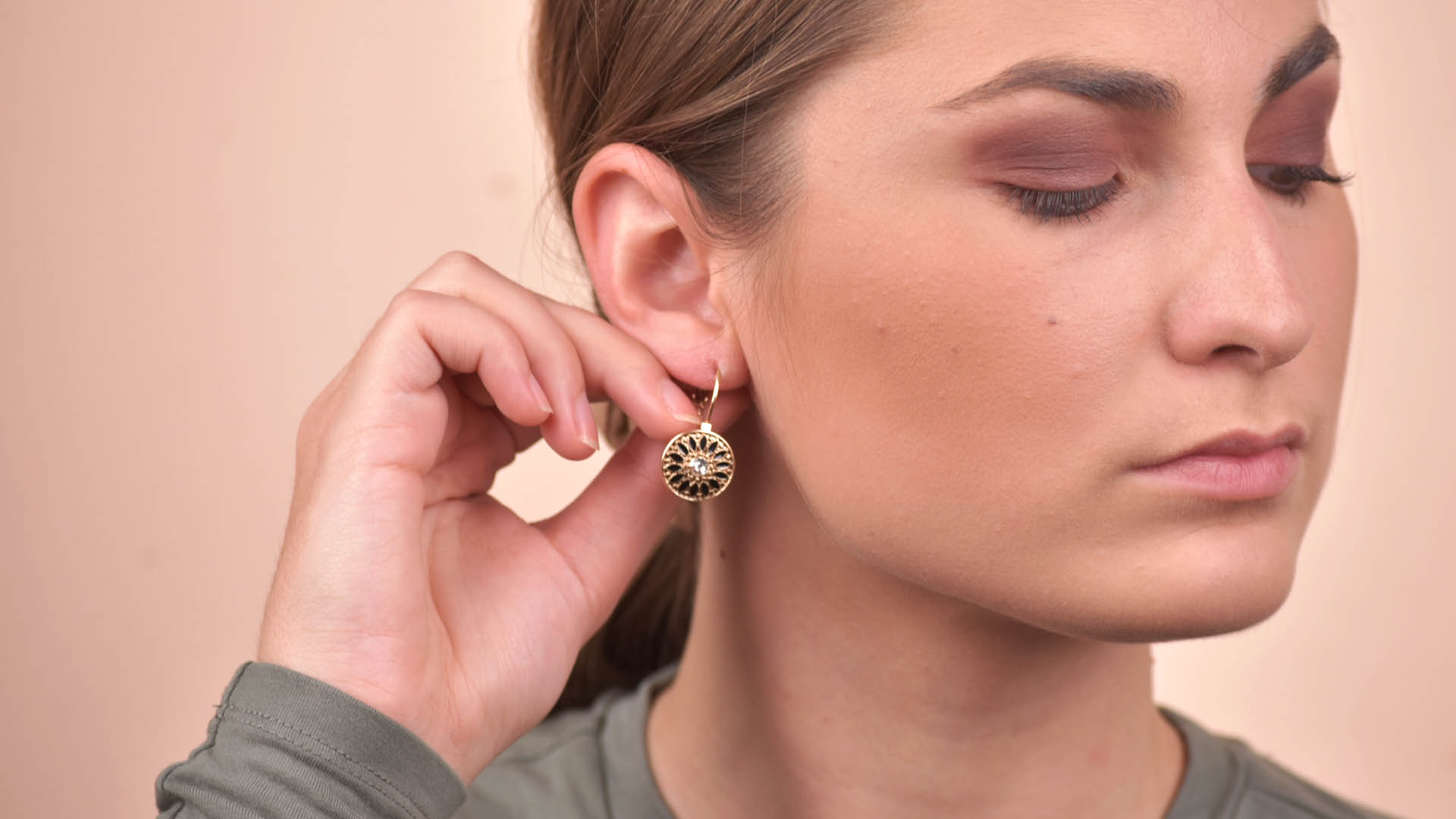
Heavy earrings can transform an odrops, jeweled chandeliers, or oversized hoops can make a basic black dress feel red-carpet ready and turn jeans with a white T-shirt into an actual fashion decision.
Unfortomplaint shortly.” When an earring pulls, pinches, tilts forward, or leaves your piercing sore, the problem is not simply that you are being dramatic. Excess weight and poor weight distribution can place concentrated pressure on a small area of soft tissue. Over time, that strain may stretch the piercing hole or contribute to tearing.
The good news is that wearing bold earrings does not have to become an endurance sport. Smarter designs, supportive backs, strategic styling, and sensible wear times can help you enjoy the drama without spending the evening massaging your ears beside the dessert table.
Why Heavy Earrings Hurt in the First Place
Weight is only part of the problem
A large earring is not automatically an uncomfortable earring. A hollow metal hoop, resin flower, fabric tassel, or acrylic disc may look enormous while weighing very little. Meanwhile, a smaller design made with solid metal, thick glass, or multiple stones may feel like a decorative kettlebell.
How that weight is distributed also matters. A narrow post with a tiny backing concentrates pressure around the piercing. Long earrings create additional leverage because their weight hangs farther from the ear. The result can be pulling, downward tilting, and the unmistakable sensation that your jewelry is trying to escape through the bottom of your lobe.
Material sensitivity can mimic weight-related pain
Not every sore ear is caused by heaviness. Nickel and other metals can trigger contact dermatitis in sensitive people. Warning signs may include itching, redness, dry skin, burning, or swelling around the piercing. An earring can therefore be lightweight and still make your ears miserable.
Choose verified nickel-free jewelry from reputable sellers when sensitivity is a concern. Implant-grade titanium is particularly lightweight and is commonly recommended for people worried about nickel exposure. Niobium and platinum are additional options, while higher-karat yellow gold may work for some wearers. Always confirm the actual alloy rather than trusting a vague “hypoallergenic” sticker doing its best impression of a medical credential.
Choose Statement Earrings That Look Heavy, Not Feel Heavy
Shop by construction rather than size
The easiest way to wear heavy-looking earrings comfortably is to buy pieces engineered to create visual volume without unnecessary mass. Look for:
- Hollow hoops and hollow sculptural forms
- Acrylic, resin, acetate, wood, or lightweight polymer designs
- Fabric tassels, ribbon, feathers, or woven fibers
- Thin hammered-metal shapes
- Openwork or filigree designs
- Lightweight beads instead of solid glass or stone
Pick up the earrings before purchasing whenever possible. Hold one between your fingers, gently move it, and notice whether the decorative elements pull heavily downward. When shopping online, check product weight, materials, dimensions, and customer comments about comfort. “They are gorgeous, but I lasted fourteen minutes” is valuable market research.
Look for balanced attachment points
An earring that hangs directly below its post is generally easier to stabilize than one with most of its weight projecting forward. Large stud-style earrings should have a post positioned close to the center of the design rather than near the top edge. For drops and chandeliers, examine whether the design moves freely without twisting the piercing.
Clip-ons can also provide a bold look without using a piercing, although an overly tight clip can create its own pressure problem. Adjustable clip-on findings and padded converters tend to be more comfortable than rigid clips.
Use Better Earring Backs
Replace tiny backs with wider support
A standard butterfly back may be perfectly adequate for a small stud, but it is not always the best teammate for a dramatic earring. Larger disc backs spread pressure across a wider area of the earlobe. This can help keep the earring upright and reduce the amount of weight focused around the hole.
Lobe-lifting backs use a broader or specially shaped surface to support the underside of the lobe. They can be especially useful for oversized studs that tend to point toward the floor as though searching for lost change.
Do not tighten the backing aggressively. A back that presses hard against the skin can cause pinching and irritation. It should secure the earring without sandwiching your earlobe into submission.
Try earlobe support patches
Clear earlobe patches adhere to the back of the lobe and give the earring post a reinforced surface to pass through. By distributing the load across more skin, they may make heavier styles feel more stable and help prevent the piercing from appearing stretched during wear.
Apply the patch to clean, dry skin, place it directly behind the piercing, and insert the post through both the original hole and the patch. Test the adhesive at home before relying on it for a wedding, gala, or evening involving enthusiastic dancing.
In a pinch, a small strip of medical tape or the adhesive portion of a bandage can serve a similar purpose. This is more practical hack than glamorous ritual, so perform it before leaving the house rather than in a restaurant bathroom while your friends provide unqualified engineering advice.
Stylish Outfit Formulas for Bold Earrings
Pair them with a clean neckline
Statement earrings look especially polished with open or uncluttered necklines. Strapless dresses, square-neck tops, halter styles, off-the-shoulder pieces, crisp button-down shirts, and simple crewneck tees allow the earrings to become the focal point.
When the earrings are long or highly detailed, skip the heavy necklace. Leaving the neck relatively bare creates visual breathing room and prevents necklaces and earrings from tangling. Jewelry should accessorize the outfit, not organize a group wrestling match.
Use them to elevate simple basics
A pair of bold gold earrings can instantly sharpen a white shirt and straight-leg jeans. Colorful resin drops add personality to a neutral jumpsuit. Crystal chandeliers can make a plain black dress feel intentional rather than last-minute.
This is one of the smartest ways to build a wearable wardrobe: keep the clothing simple and let the accessories create variety. The same navy dress can look modern with silver sculptural earrings, romantic with pearl drops, or playful with oversized flowers.
Match one color, not every color
Colorful earrings do not need to match your outfit perfectly. Pulling out one shade is usually enough. Emerald earrings might echo a green print in a scarf. Coral drops could repeat a warm lipstick shade. Blue beads might pick up a small detail in patterned shoes.
For a sophisticated result, wear bright earrings with a monochromatic outfit. Black, cream, navy, chocolate brown, and charcoal provide a clean backdrop for strong color and interesting shapes.
Let your hairstyle frame the earrings
A sleek bun, low ponytail, side part, or tucked-back waves put statement earrings fully on display. Short hair naturally creates the same effect. You do not have to expose both ears, either. Sweeping hair behind one ear can create an elegant, slightly asymmetrical look.
Be cautious with loose curls, textured scarves, high collars, sequins, and open-knit sweaters. Long earrings can snag on fabric or hair, creating sudden pulling that is far more damaging than ordinary weight. Put earrings on after styling your hair and take them off before removing a sweater over your head.
Experiment with intentional asymmetry
One statement earring paired with a tiny stud, ear cuff, or bare opposite ear can feel modern and editorial. It also reduces the total amount of jewelry you are carrying around on your head. However, the lobe holding the statement piece still needs proper support.
Another option is a mismatched pair made from lightweight materials. Choose pieces connected by color, metal, texture, or motif so the mismatch looks purposeful rather than like you dressed during a power outage.
A Comfort-First Routine for Wearing Heavy Earrings
Prepare before the event
Test new earrings at home for 20 to 30 minutes. Notice whether they tilt, pinch, catch in your hair, or irritate the skin. This small trial can reveal problems before you are three hours into a formal event with no backup plan.
Check the posts and hooks for rough edges. Confirm that stones, beads, and metal pieces are secure. Clean the parts that touch your ears according to the manufacturer’s instructions, and make sure your earlobes are dry before inserting the jewelry.
Limit continuous wear time
Reserve genuinely heavy earrings for shorter occasions rather than wearing them through an entire workday, dinner, concert, and late-night snack expedition. Put them on as close to the event as practical and remove them when the main occasion is over.
Carry a small jewelry pouch and a lightweight backup pair. Switching from chandeliers to studs after photographs or dinner is not surrender. It is strategic accessory management.
Take earrings off during risky activities
Remove long or heavy earrings before exercising, sleeping, changing fitted clothing, styling your hair, cuddling an enthusiastic toddler, or playing with a pet fascinated by moving objects. These situations increase the risk of snagging and sudden pulling.
Heavy earrings should not be worn in new, healing, painful, or irritated piercings. Fresh piercings need appropriately sized jewelry selected for healing, not a chandelier arriving early to test the building’s structural integrity.
Build an Ear-Friendly Statement-Earring Collection
A thoughtful collection includes different levels of visual impact and actual weight. Keep lightweight oversized earrings for long events, moderately weighted pairs for dinners or photographs, and truly substantial heirloom pieces for brief appearances.
Store long earrings flat or hang them individually so hooks and posts do not bend. Keep pairs separated to prevent scratching and tangling. Inspect clasps, posts, soldered joints, and backs regularly. A loose component can shift the balance of an earring and increase pulling.
Rotate your jewelry rather than wearing the same heavy pair repeatedly. Give your lobes rest days, especially after a long event. If the piercing looks elongated, feels tender, or seems lower than it once did, switch to lightweight earrings and allow the tissue to recover.
When Ear Pain Is More Than a Fashion Problem
Remove the earrings if you experience persistent pain, burning, marked redness, swelling, bleeding, drainage, or a visible tear. Itching and a rash may indicate a metal allergy, while warmth, worsening pain, or pus-like discharge can signal infection.
A piercing hole that has become long, thin, or close to the bottom of the earlobe is at greater risk of splitting. Stop wearing heavy jewelry and consult a qualified healthcare professional. Stretched or torn lobes can sometimes be repaired by a dermatologist, facial plastic surgeon, or board-certified plastic surgeon.
Do not try to conceal a partial tear by adding a heavier back or more adhesive. At that point, the earring is no longer an accessory. It is a tiny wrecking ball with excellent sparkle.
What a Full Day in Statement Earrings Really Teaches You
A realistic wear test usually begins with confidence. You put on a pair of dramatic earrings at 4:30 p.m., look in the mirror, and immediately stand a little taller. The outfit suddenly appears complete. For the first hour, everything feels wonderful. The earrings move beautifully, catch the light, and make even a routine trip to the venue feel cinematic.
Then small details begin to matter. An earring with a narrow backing may start leaning forward. A long drop may brush the neck every time you turn your head. Loose hair can wrap around a decorative edge. None of these issues seems serious alone, but together they become distracting. You stop listening to the conversation and start mentally calculating the socially acceptable time to remove your jewelry.
Wearing the same pair again with a clear support patch and wider backs can feel completely different. The earrings sit higher, move less at the piercing, and feel more secure. The jewelry has not become lighter, but the pressure is no longer concentrated in one tiny spot. This is why support systems often matter more than simply choosing the strongest-looking back in the jewelry box.
Timing also changes the experience. Putting heavy earrings on before doing your makeup, styling your hair, getting dressed, and driving across town adds unnecessary wear. The better approach is to complete the outfit first and add the earrings last. That may remove an hour or more of pulling before the event even begins.
A backup plan makes the evening easier. A small pouch containing lightweight hoops, extra backs, a cleaning wipe, and support patches takes almost no room in a handbag. After dinner or photographs, switching to the lighter pair can provide instant relief without leaving the outfit unfinished. Most people will not notice the change. Those who do are probably paying suspiciously close attention to your ears.
Another lesson is that expensive earrings are not automatically comfortable. A beautifully made pair with solid metal and natural stones may be heavier than inexpensive acrylic earrings with the same visual dimensions. Comfort depends on construction, balance, post placement, backing design, and your individual earlobesnot the price tag.
Finally, there is a clear difference between normal awareness and pain. You may notice a large earring moving, especially when walking or dancing. You should not feel sharp pulling, throbbing, burning, or increasing tenderness. The moment discomfort begins to build, remove the earrings. Waiting until the end of the night rarely earns a fashion medal; it simply gives your lobes more time to become irritated.
The most successful experience comes from treating statement earrings like occasion shoes. Choose them carefully, test them before the event, use support where needed, and know when to change into something lighter. You still get the photographs, compliments, and glamorous entrancejust without the dramatic final scene in which your earrings are removed in the back of a rideshare.
Final Thoughts
Stylish ways to wear heavy earrings begin with choosing smarter jewelry, not developing tougher earlobes. Seek out lightweight materials with oversized shapes, replace tiny backs with broader support, use discreet lobe patches, and keep wear times reasonable. Pair bold earrings with simple necklines, clean hairstyles, and restrained accessories so they receive maximum attention without needing maximum mass.
Most importantly, listen to your ears. Fashion should feel expressive, playful, and confidence-boosting. It should not feel like two miniature chandeliers are slowly remodeling your earlobes.
Note: This article provides general styling and comfort information. Persistent pain, swelling, discharge, allergic symptoms, or a stretched or torn piercing should be evaluated by a qualified healthcare professional.

