
Beauty Tools & Accessories
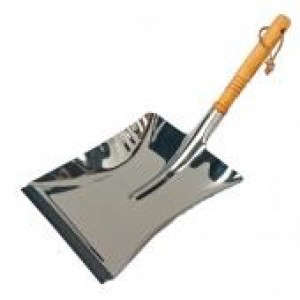
Stainless Steel Dust Pan
Jul
A stainless steel dust pan may not be the most glamorous object in a home, workshop, restaurant, or garage. It will not make coffee, answer emails, or compliment your new haircut. What it can do is survive years of crumbs, grit, metal shavings, pet hair, broken cereal, garden soil, and other small disasters without cracking at the first sign of actual work.
That durability is the main reason metal dustpans remain popular despite the abundance of inexpensive plastic alternatives. A well-designed stainless steel dust pan combines a rigid collection edge, a sturdy body, useful capacity, and easy-clean construction. Choose the right model, and sweeping becomes a quick two-step job instead of a five-minute argument with a stubborn line of dust.
What Is a Stainless Steel Dust Pan?
A stainless steel dust pan is a handheld or long-handled cleaning tool designed to collect dry debris swept from floors, work surfaces, sidewalks, or other hard areas. Unlike ordinary painted carbon-steel pans, stainless steel models are made from an alloy containing chromium, which helps form a thin protective surface layer. This layer improves resistance to corrosion when the metal is manufactured, used, and maintained correctly.
The term can be slightly confusing because some products advertised in this category have a stainless steel handle but a plastic collection pan. Others use stainless steel for the entire pan, while certain commercial models combine stainless steel, coated steel, rubber, polypropylene, or aluminum. Before buying, check which parts are actually stainless.
Handheld dustpans
A traditional handheld pan has a short grip and a wide, shallow body. It works well for kitchens, garages, patios, workshops, and quick spot cleaning. The compact format is easy to hang on a wall and simple to carry from one room to another.
Long-handled or lobby dustpans
An upright dustpan uses a long handle so the user can collect debris while standing. Commercial cleaners often prefer this style in restaurants, hotels, offices, theaters, schools, and retail spaces. It reduces repeated bending and makes it easier to perform quick cleanups in busy public areas.
Covered and self-closing models
Some lobby pans pivot upward or close automatically when lifted. The enclosed position helps keep collected debris from spilling during transport and hides the contents from customers. That is useful when the dustpan contains something less photogenic than a bakery crumb, which is most of the time.
Why Choose Stainless Steel?
Strong, rigid construction
A metal pan keeps its shape under loads that may flex or distort a thin plastic model. This rigidity is especially useful when collecting coarse sand, gravel, hardware, wood chips, broken glass, food scraps, or workshop debris. Reinforced ribs, rolled edges, welded joints, and riveted handles can further improve structural strength.
Thickness matters, however. A poorly made thin metal dustpan can bend, develop sharp corners, or warp after being dropped. Stainless steel is not a magic spell. Construction quality still determines whether the tool behaves like dependable equipment or a noisy piece of modern art.
Good corrosion resistance
Stainless steel generally resists moisture and routine household exposure better than unprotected carbon steel. That makes it suitable for kitchens, utility rooms, covered outdoor spaces, food-service environments, and damp cleanup areas.
Resistant does not mean indestructible. Salt, harsh acids, chlorine-containing chemicals, prolonged contact with wet debris, and contamination from ordinary steel particles can contribute to staining or corrosion. Rinsing and drying the pan after messy jobs protects its finish and extends its service life.
Easy-to-clean surface
A smooth stainless surface releases dirt, grease, and residue more easily than rough, cracked, or deeply scratched material. Most routine cleaning requires warm water, mild dish soap, and a soft sponge or cloth. For a tool that spends its career meeting floor debris, easy cleanup is a major advantage.
Long service life
A sturdy stainless steel dust pan can remain usable for years, particularly when it has a well-attached handle and reinforced collection edge. Long life may offset a higher initial price and reduce the need to replace broken plastic tools.
Professional appearance
Brushed or polished stainless steel has a clean, commercial look that fits restaurants, bakeries, cafés, salons, hotels, offices, and modern homes. Dark powder-coated finishes can hide smudges and collected grime while retaining the strength of a metal body.
Important Features to Look For
A thin, floor-hugging front edge
The most important part of any dustpan is the lip. It should sit flat against the floor so fine particles move into the pan rather than sliding underneath it. A thick or warped edge leaves a narrow trail of dust behind, forcing you to sweep the same spot repeatedly while questioning every purchase decision that led to this moment.
Inspect product photos for a straight front edge. Some pans use a rubber strip to conform to uneven flooring, while all-metal designs rely on a precisely formed lip. Rubber can improve contact on tile and textured surfaces, but it may wear out before the metal body.
Appropriate width
Compact pans around 10 to 12 inches wide work well with household angle brooms and hand brushes. Extra-wide pans measuring roughly 16 to 19 inches pair better with push brooms and large cleanup jobs. A broader opening collects more debris per pass but requires more storage space.
A deep collection well
A deeper pan prevents loose material from bouncing out during sweeping. This is useful for pet hair, leaves, packaging scraps, cereal, gravel, and other bulky debris. Shallow pans remain convenient for quick indoor jobs, but they fill rapidly when used in a shop or warehouse.
Reinforced body
Stamped ribs add stiffness without requiring excessively thick or heavy metal. Rolled side edges can improve strength and reduce exposure to sharp sheet-metal edges. On long-handled models, examine the pivot, hinge, fasteners, and handle connection because these moving parts often receive more stress than the pan itself.
Comfortable handle
A short handle should provide enough clearance to keep fingers away from debris. Rounded or padded grips are more comfortable during repeated use. For an upright model, look for a handle long enough to let you work without stooping. An angled grip can help maintain a more neutral wrist and back position.
Storage features
A hanging hole, large loop, broom clip, or wall bracket keeps the tool accessible and off the floor. Upright models that nest with their matching broom require less closet space and are less likely to become separated. A broom without its dustpan is just a device for moving crumbs into a more organized pile.
Stainless Steel vs. Plastic and Aluminum Dustpans
Stainless steel
Stainless steel offers excellent rigidity, durability, moisture resistance, and a professional appearance. It is a strong choice for demanding residential or commercial use. Its disadvantages include higher cost, greater weight, possible scratching, and more noise when dropped or dragged across a hard floor.
Plastic
Plastic dustpans are lightweight, quiet, inexpensive, and available with flexible rubber lips. They work well for routine indoor cleaning. Thin plastic can crack, warp, or lose its flat edge, especially when stored near heat or used for heavy outdoor debris.
Aluminum
Aluminum provides a useful middle ground. It is lightweight, naturally corrosion resistant, and suitable for wide commercial pans. It may dent more easily than a robust stainless model, but its low weight is attractive when the pan must be carried all day.
The best material therefore depends on the job. A small apartment may need only a compact plastic set. A woodworking shop, commercial kitchen, garage, or maintenance department may gain more value from a heavy-duty metal pan.
Where a Stainless Steel Dust Pan Works Best
In a kitchen, the pan collects flour, rice, coffee grounds, crumbs, and dropped dry ingredients. Stainless construction is easy to wash after contact with food debris, provided the pan is cleaned promptly and stored dry.
In garages and workshops, it handles sawdust, fasteners, metal fragments, dirt, and packaging waste. A wide, reinforced pan is preferable in these environments because sharp or heavy debris can damage lightweight household tools.
Restaurants and retail spaces benefit from upright covered models. Employees can remove small messes without kneeling, and a pivoting lid keeps debris contained while crossing customer areas.
Outdoor users can collect soil, leaves, pebbles, grill ash, and potting mix from patios or covered work areas. Hot ash should never be collected until it is completely cold, and chemical residues require special handling rather than casual disposal in a household trash can.
How to Use a Dustpan More Efficiently
- Choose a compatible broom. A small pan works with an angle broom or whisk brush, while a wide pan should be paired with a push broom.
- Gather debris first. Sweep material into a compact pile before positioning the pan.
- Place the lip flat. Hold or step on the pan securely without bending the edge.
- Use short forward strokes. Long, aggressive sweeps tend to launch crumbs over the back of the pan.
- Move the pan toward the remaining line. After each pass, reposition it instead of chasing fine dust across the entire room.
- Empty before overfilling. A heaping dustpan is merely a portable spill waiting for an audience.
For broken glass or sharp metal fragments, wear protective gloves and closed-toe shoes. Sweep carefully, inspect the area for remaining pieces, and dispose of sharp debris in a puncture-resistant container when appropriate.
Cleaning and Maintaining Stainless Steel
Routine cleaning
Empty the pan completely, rinse away loose particles, and wash it with warm water and mild detergent. Use a soft cloth, nylon brush, or nonabrasive sponge. Rinse thoroughly and dry it before storage, paying attention to seams, hinges, and handle connections.
Removing greasy residue
Apply diluted dish soap and allow it to loosen the film for several minutes. Wipe in the direction of the visible grain on brushed steel. Repeat rather than attacking the surface with an aggressive abrasive pad.
Avoiding scratches and contamination
Do not clean stainless steel with ordinary carbon-steel wool or a carbon-steel wire brush. Small iron particles can become embedded in the surface and later produce rust-colored stains. Use nonmetallic cleaning tools or products specifically approved for stainless steel.
Using chemical cleaners carefully
Avoid muriatic or hydrochloric-acid cleaners near stainless steel. Use chlorine bleach only when the product manufacturer confirms compatibility, follow label directions, ventilate the area, rinse the pan thoroughly, and never mix cleaning chemicals. For everyday dustpan maintenance, mild soap and water are usually enough.
Fixing a bent lip
A slightly bent collection edge may sometimes be straightened carefully on a flat protected surface. Stop if the metal is cracked, sharply creased, or creating an exposed cutting edge. A damaged pan should be replaced rather than becoming the most ironic source of debris in the room.
Common Buying Mistakes
One mistake is buying by material name alone. A thin stainless pan with a weak handle can perform worse than a well-designed aluminum or plastic model. Check the edge, handle attachment, dimensions, weight, and intended use.
Another mistake is choosing a pan that is too small for the broom. When a 24-inch push broom meets a 10-inch dustpan, most of the debris misses its destination. Match the opening to the width and stiffness of the broom head.
Buyers also overlook storage. Measure the cabinet, wall, utility closet, or cleaning cart before ordering an extra-wide model. Long-handled pans should stand securely or include a hanging system.
Finally, distinguish between a stainless steel pan and a product with stainless steel poles. Listings sometimes emphasize metal handles even though the collection body is plastic. Read the full material specification rather than relying on the title.
Real-World Experiences With a Stainless Steel Dust Pan
Everyday use reveals qualities that are easy to miss on a product page. The first is sound. A stainless steel pan announces contact with tile, concrete, chair legs, and gravity more enthusiastically than plastic. In a garage, that barely matters. In a quiet office lobby at 7 a.m., it may suddenly seem as if the cleaning crew has formed a percussion band.
The second noticeable difference is stability. A rigid handheld pan stays planted when the broom pushes in a heavy pile of sand, soil, or workshop debris. Flexible plastic pans sometimes lift in the middle, allowing fine dust to sneak underneath. A straight stainless lip usually performs well on smooth concrete, hardwood, and tile, although uneven floors may still favor a rubber-edged design.
Capacity also changes the experience. A wide commercial pan can collect an impressive amount of sawdust or dried leaves before it needs to be emptied. That saves trips to the trash can, but a fully loaded metal pan becomes heavier than expected. Users who mainly clean light household debris may appreciate a smaller model, while workshops and maintenance areas benefit from extra width and depth.
Long-handled models are especially pleasant during repeated spot cleaning. Instead of bending for every napkin scrap, crumb, or clump of tracked-in dirt, the user remains upright and moves through a room quickly. The improvement feels minor during one cleanup and substantial after dozens. A pivoting pan adds convenience because it holds debris while being carried, though cheap hinges can feel loose or awkward.
Storage habits make a surprising difference. A pan hung beside its broom is used frequently because it is easy to reach. One buried behind a mop bucket becomes part of the utility closet’s archaeological record. A large hanging loop or dependable broom clip is therefore more valuable than it appears.
Cleaning the tool immediately after greasy or wet messes produces the best long-term results. Dried residue gathers in corners and around rivets, where it becomes harder to remove. A quick wash with dish soap, followed by thorough drying, keeps the surface looking respectable. The process takes less than a minute, which is still faster than pretending the mystery smear will disappear by itself.
Stainless steel also shines in homes with pets. Fur, litter, kibble, and bits of dried mud can be collected without worrying that the pan will absorb odors. Static-charged hair may cling to the metal, however, so a damp cloth is sometimes more effective than repeatedly tapping the pan against the trash can.
In workshops, the biggest benefit is confidence. Users can scoop coarse debris, screws, wood chips, or small offcuts without treating the pan delicately. Sharp objects should still be handled with gloves, and extremely hot material should never be placed in the pan. Durable does not mean fireproof, cut-proof, or exempt from common sense.
Over time, scratches and small dents may appear. On a working tool, these marks are usually cosmetic. The more important questions are whether the front edge remains flat, the handle stays secure, and the pan can be cleaned properly. A scratched dustpan that collects everything in one pass is more useful than a flawless one that leaves a ceremonial stripe of dirt across the floor.
The overall experience is simple: a good stainless steel dust pan feels dependable. It does not transform sweeping into entertainment, but it removes the small frustrations that make a basic chore annoying. It stays rigid, cleans easily, tolerates demanding jobs, and is ready the next time a bag of rice decides to test gravity.
Final Verdict
A stainless steel dust pan is a practical investment for anyone who values durability, easy maintenance, and a firm collection edge. It is particularly well suited to garages, workshops, kitchens, restaurants, commercial spaces, and outdoor cleanup areas where thin household plastic may not last.
Choose according to the job rather than appearance alone. Look for a flat lip, reinforced construction, comfortable handle, suitable width, adequate depth, and convenient storage. A long-handled model is preferable for frequent cleaning, while a compact handheld pan remains ideal for quick household messes.
With mild cleaning, thorough drying, and protection from harsh chemicals or carbon-steel contamination, a quality stainless steel dust pan can provide years of reliable service. It may never become the star of the cleaning closet, but it will quietly handle the dirty workwhich is more than can be said for several appliances costing ten times as much.

