
Beauty Unlocked
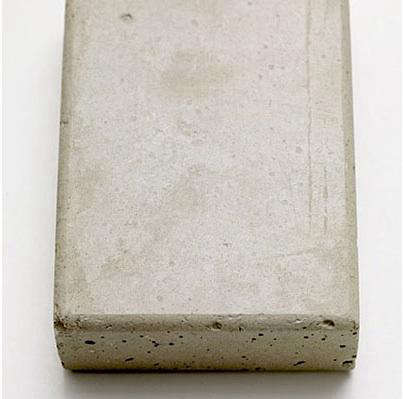
Squak Mountain Stone
Jun
Some countertop materials enter a room politely. Granite says, “I’m classic.” Quartz says, “I’m practical.” Marble says, “Please admire me, but also please do not spill lemon juice anywhere near me.” Then there is Squak Mountain Stone, a rustic, recycled, hand-cast surface that walks in wearing hiking boots and carrying a story.
Squak Mountain Stone is not ordinary natural stone. It is a composite surface made from materials such as recycled paper, recycled glass, cement, fly ash, and pigments. Designed as an alternative to quarried stone, it has been used for countertops, table tops, bathroom vanities, hearths, benches, signage, and custom architectural details. Its appeal is not perfection. Its appeal is character.
For homeowners, designers, and builders who love the quiet drama of soapstone, concrete, and limestone but want a material with a recycled-material backstory, Squak Mountain Stone is worth knowing. It is tactile, earthy, imperfect, and very much not interested in looking like it came out of a plastic-wrapped showroom clone machine.
What Is Squak Mountain Stone?
Squak Mountain Stone is a fibrous-cement composite surface originally associated with Tiger Mountain Innovations in the Seattle area. Instead of being cut from a quarry like granite or marble, the material is hand-cast into slabs. The mixture has been described as including recycled paper, recycled glass, cement or low-carbon cement, fly ash, and mineral pigments.
The result is a surface that looks somewhere between soapstone, limestone, and artisan concrete. It has depth, subtle veining, visible variation, and a soft visual texture. In other words, it does not pretend to be flawless. It has the kind of personality that makes minimalist kitchens feel warmer and historic homes feel less like they were remodeled by a robot with a tile saw.
Because it is hand-cast, each slab is unique. Color, texture, edge details, and small surface irregularities can vary. That is part of the product’s charm, but it is also the first thing buyers should understand. Squak Mountain Stone is not the best choice for someone who wants perfectly uniform countertops with invisible seams and a “fresh from the spaceship” finish. It is better suited to people who appreciate patina, touchable surfaces, and the beauty of materials that age honestly.
The Story Behind the Material
The origin of Squak Mountain Stone is one of the reasons the product still gets attention in green building and design circles. The concept reportedly grew from a graduate-school idea about turning local waste materials into a useful local product. That idea eventually became a surfacing material made from ingredients that might otherwise have been overlooked.
The product’s name reflects its Pacific Northwest roots. Squak Mountain itself is in Washington, and the material’s identity is closely tied to local manufacturing, regional waste streams, and a more community-centered way of thinking about building products. In a market crowded with imported stone and mass-produced engineered slabs, that local origin gives Squak Mountain Stone a distinct voice.
The best way to understand the material is to think of it as part countertop, part environmental experiment, and part craft object. It was created to challenge the idea that beautiful surfaces must come from digging huge blocks of stone out of the earth and shipping them across long distances. Instead, it asks a more interesting question: what if waste paper, glass, and cement could become something durable enough to live in the kitchen?
What Is Squak Mountain Stone Made Of?
The exact formulation may vary by production batch and historical product documentation, but Squak Mountain Stone is generally described as a composite that includes:
- Recycled paper fiber
- Recycled glass or crushed glass dust
- Cement or low-carbon cement binder
- Fly ash
- Mineral pigments
- Water and other mix components used in casting
The recycled paper component gives the material its fibrous quality. The glass and cement contribute strength and density. Fly ash, a byproduct from coal combustion, has historically been used in cementitious materials as a partial cement replacement, helping reduce reliance on virgin cement in some mixes. Pigments give the slabs their earthy color range.
This recipe places Squak Mountain Stone in the broader family of sustainable countertops and recycled-content surfaces. It is not exactly concrete, not exactly paper composite, and not exactly recycled glass. It borrows qualities from all three categories, then adds its own handmade personality.
How It Looks and Feels
Squak Mountain Stone has often been compared to soapstone and limestone because of its muted colors and natural-looking surface. It can appear warm, matte, cloudy, and quietly dramatic. Some slabs show movement and tonal variation. Others have a more even, concrete-like calmness.
Historically mentioned color names have included natural, latte, otter, thunder, and quinault. These names sound less like countertop colors and more like a group of woodland animals forming an acoustic band, but they do capture the material’s earthy mood. Expect grays, browns, taupes, charcoal tones, and stone-like neutrals rather than glittery, high-polish drama.
The surface is especially attractive in kitchens that use wood cabinetry, handmade tile, matte black fixtures, plaster walls, open shelving, or vintage-inspired lighting. It also works in modern spaces where the designer wants texture without visual chaos. Imagine a calm kitchen with walnut cabinets, brass hardware, white walls, and a Squak Mountain Stone counter. It says “thoughtful design” without shouting “I have watched 900 renovation videos this week.”
Common Uses for Squak Mountain Stone
Although most people discover Squak Mountain Stone through countertop discussions, the material has been used in a variety of residential and commercial applications. Its slab form and stone-like feel make it adaptable for many surfaces where durability and appearance both matter.
Kitchen Countertops
Kitchen countertops are the most obvious use. Squak Mountain Stone can bring warmth and texture to kitchens that might otherwise feel too polished. It pairs especially well with natural wood, painted cabinets, ceramic tile, and industrial elements.
Bathroom Vanities
In bathrooms, the material can create a soft, spa-like look. Because bathrooms involve water, soaps, cosmetics, and cleaning products, sealing and care are important. A well-planned installation should treat edges, cutouts, and seams carefully.
Table Tops and Desks
Squak Mountain Stone has also been used for table tops and work surfaces. In these applications, the material’s texture becomes a feature. It gives a table visual weight without the cold formality of polished granite.
Hearths, Benches, and Signage
The material’s rustic character makes it suitable for hearths, benches, stair details, signs, and other architectural features. These applications often benefit from the product’s handmade look because small imperfections feel intentional rather than accidental.
Benefits of Squak Mountain Stone
The biggest advantage of Squak Mountain Stone is its combination of sustainable thinking and visual warmth. It uses recycled content, avoids the look of mass production, and offers an alternative to quarried natural stone. For eco-conscious design projects, that combination can be very appealing.
Another benefit is uniqueness. Every slab has variation. If you like materials that tell a story, this is a good thing. A Squak Mountain Stone counter can feel more like a crafted element than a purchased product. It does not simply sit in the kitchen; it participates in the room.
The material is also workable in ways that some natural stones are not. It has been described as field-cuttable, meaning skilled fabricators may be able to make certain adjustments on site. That said, this is not an invitation to grab a saw after watching one tutorial and declare yourself the Michelangelo of countertops. Professional fabrication still matters.
Limitations and Maintenance
Now for the honest part: Squak Mountain Stone is not a maintenance-free miracle slab. Like concrete and some natural stones, it can be vulnerable to staining, etching, scratches, chips, and changes in appearance over time. This is not necessarily a flaw, but it is a lifestyle consideration.
The surface typically needs sealing, and cut edges may require special attention. Spills should be wiped up promptly, especially acidic liquids such as lemon juice, vinegar, wine, tomato sauce, and coffee. Hot pans, knives, and harsh cleaners should be treated with the same respect they deserve on most premium countertops. Use trivets. Use cutting boards. Do not test your counter’s toughness just because your pasta pot is feeling dramatic.
Over time, Squak Mountain Stone may develop a patina. For the right homeowner, patina is a beautiful record of use. For the wrong homeowner, it is a daily emotional event. Before choosing this material, ask yourself honestly: do you enjoy natural aging, or do you want every surface to look factory-new forever? There is no wrong answer, but there is a wrong countertop for every personality.
How It Compares With Other Countertop Materials
Squak Mountain Stone vs. Granite
Granite is a natural stone known for durability, dramatic patterns, and broad availability. Squak Mountain Stone is more subdued, more rustic, and more environmentally story-driven. Granite often feels polished and permanent; Squak Mountain Stone feels crafted and organic.
Squak Mountain Stone vs. Quartz
Quartz countertops are engineered for consistency, stain resistance, and easy maintenance. They are excellent for busy households that want predictable performance. Squak Mountain Stone is less uniform and may require more care, but it offers a more handmade, recycled-content character.
Squak Mountain Stone vs. Soapstone
Soapstone is dense, nonporous, heat-resistant, and famous for its soft matte look. Squak Mountain Stone can resemble soapstone visually, but it is a different material with different maintenance needs. If you love soapstone’s mood but want a recycled composite story, Squak Mountain Stone may appeal to you.
Squak Mountain Stone vs. Concrete
Concrete countertops share Squak Mountain Stone’s mineral feel and vulnerability to staining or etching if not properly sealed. However, Squak Mountain Stone adds recycled paper and glass to the mix, giving it a different texture, backstory, and design identity.
Design Ideas for Squak Mountain Stone
Because Squak Mountain Stone has a quiet, earthy quality, it works best when the rest of the design lets it breathe. Pair it with natural wood cabinets for a warm Pacific Northwest look. Use it with white oak, walnut, fir, or reclaimed wood to bring out its organic character.
For a modern kitchen, combine a dark Squak Mountain Stone counter with flat-panel cabinets, simple hardware, and a handmade tile backsplash. The contrast between clean lines and rustic surface texture can be stunning. In a farmhouse kitchen, use it with shaker cabinets, open shelves, and aged brass fixtures. It will feel grounded without looking overly themed.
In bathrooms, try it on a floating vanity with wall-mounted faucets and matte ceramic tile. For commercial spaces, it can work beautifully as a café counter, reception desk, or display surface where the design goal is authenticity rather than sparkle.
Buying and Availability Considerations
One important note: Squak Mountain Stone has appeared in older product listings, and at least some retail references have marked it as discontinued or limited. That does not mean every remnant, slab, or custom piece is impossible to find, but it does mean buyers should verify current availability before designing an entire project around it.
If you are interested in the material, start by contacting local countertop fabricators, architectural salvage suppliers, sustainable building material stores, or remnant marketplaces. Ask whether they have experience with Squak Mountain Stone or similar recycled cementitious surfaces. If you find a remnant, inspect it carefully for color, thickness, edge condition, sealing, chips, and previous use.
Because this is a specialized material, installation experience matters. A fabricator who only works with quartz may not be the best fit. Look for someone comfortable with concrete-like surfaces, recycled-content slabs, sealing systems, and visible handmade variation.
Is Squak Mountain Stone Right for Your Home?
Squak Mountain Stone is best for people who value sustainability, texture, and individuality. It is a strong fit for homeowners who like natural variation, muted colors, and materials that tell a story. It is also a smart design choice for projects where reclaimed wood, handmade tile, plaster, metal, and natural finishes are already part of the plan.
It may not be ideal for people who want a spotless, ultra-low-maintenance surface. If you panic when a countertop develops a scratch, a spot, or a little edge wear, quartz may be a better match. Squak Mountain Stone is more like a leather jacket than a laminated ID badge: it gets more interesting as it lives with you, but only if you enjoy that kind of aging.
Real-Life Experience: Living With a Squak Mountain Stone Mindset
Choosing a material like Squak Mountain Stone changes how you experience a room. It encourages you to slow down and notice texture. The first thing people often respond to is not shine, but touch. A polished stone countertop can be admired from across the kitchen, but a Squak Mountain Stone surface asks you to come closer. It has a handmade presence that feels more personal.
Imagine making coffee on a gray-brown Squak Mountain Stone counter in the morning. The surface is matte, calm, and slightly irregular. Sunlight comes through the window, catching tiny tonal shifts in the slab. A quartz counter might reflect the light cleanly, but this surface absorbs it softly. It feels less like a showroom and more like a home that has learned your habits.
The experience is not about perfection. You may notice a small mark near the sink or a darker area where the surface has aged. At first, that might make you reach for a cleaner with heroic confidence. But over time, you begin to understand the difference between damage and patina. A lived-in surface can become part of the room’s memory. The counter remembers Sunday pancakes, late-night tea, a child’s science project, and the time someone put down a bottle of olive oil without thinking. In a strange way, that makes it more valuable.
Designers often talk about “warmth” in materials, and Squak Mountain Stone is a good example of what that word really means. Warmth is not only color. It is the feeling that a surface belongs in human hands. This material does not feel anonymous. It feels like it came from a process, a place, and an idea. That matters in homes where every choice is trying to balance beauty, function, and responsibility.
There is also a practical rhythm to living with surfaces like this. You become a little more mindful. You wipe spills sooner. You use cutting boards without making a philosophical argument about it. You keep trivets nearby. These habits are not difficult; they are simply part of owning a material that rewards care. In return, you get a surface with depth and honesty.
For remodelers, the experience of sourcing Squak Mountain Stone can also be part of the adventure. Because availability may be limited, finding a slab or remnant can feel like discovering a rare record in a dusty shop. You may have to call fabricators, ask sustainable building suppliers, or consider alternative recycled surfaces. That process is not as convenient as clicking “add to cart,” but it can lead to a more intentional project.
In the end, Squak Mountain Stone is not just a countertop option. It is a design attitude. It says that materials can be beautiful without being flawless, sustainable without being boring, and practical without losing their soul. That is a rare combination. Also, it gives you a much better dinner-party story than “we picked beige quartz because it was on sale.”
Conclusion
Squak Mountain Stone remains one of the more interesting recycled countertop materials to come out of the American green building movement. Made from a blend of recycled paper, recycled glass, cementitious binder, fly ash, and pigments, it offers a rustic alternative to quarried stone, polished concrete, and mass-produced engineered surfaces.
Its strengths are clear: character, recycled content, handmade variation, and a warm stone-like appearance. Its limitations are just as important: it can require sealing, careful cleaning, and acceptance of patina. For the right homeowner or designer, those limitations are not deal breakers. They are part of the charm.
If you want a surface that looks perfect forever, Squak Mountain Stone may not be your ideal match. But if you want a countertop or custom surface with texture, sustainability, and a story worth telling, this material deserves a serious look. It is earthy, thoughtful, a little rebellious, and refreshingly human.
Note: This article is written for informational and publishing purposes. Product availability, slab specifications, sealing requirements, and fabrication options should be confirmed with current suppliers or professional countertop fabricators before purchase or installation.

