
Body Care
Show Me The Most Cursed Image You Have!
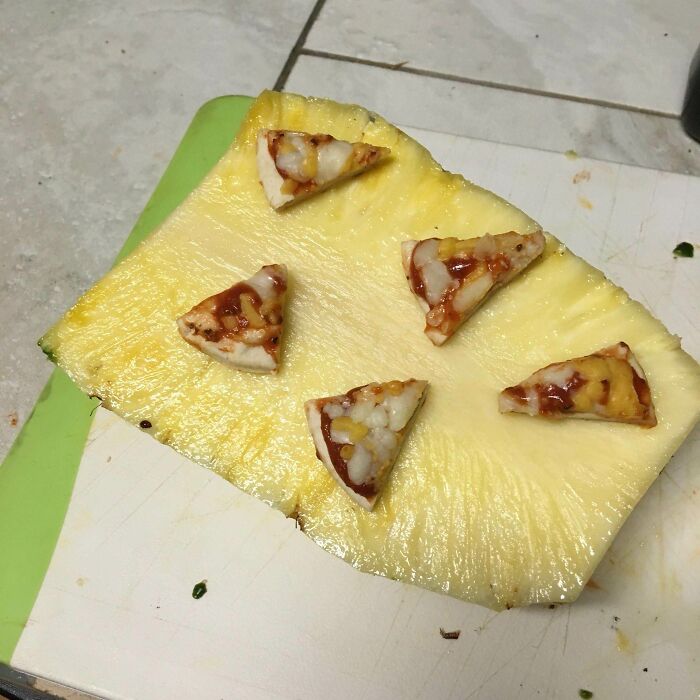
Jul
The request sounds simple, but it opens a trapdoor beneath the internet. A truly cursed image is not necessarily a ghost caught on camera, a demonic face in a window, or a photograph that supposedly ruins your week unless you forward it to twelve friends. More often, it is an ordinary picture that has slipped one inch sideways from reality. Everything is recognizable, yet nothing feels correctly assembled.
Imagine a dim kitchen at 2:13 a.m. A birthday cake sits in the sink. Every candle is lit. A plastic lawn chair faces the refrigerator. On the chair is a single wet shoe. No people appear in the frame, and the camera flash is bright enough to make the room look both recent and twenty years old. That is prime cursed-image territory. It gives you evidence without explanation, atmosphere without plot, and the uneasy suspicion that the photographer left immediately afterward.
The funniest part is that “cursed” usually describes an aesthetic, not a supernatural condition. These pictures thrive on ambiguity, bad lighting, visual contradictions, forgotten technology, awkward staging, and the human brain’s heroic refusal to leave a mystery alone.
What Is a Cursed Image?
A cursed image is a photograph or graphic that feels mysterious, disturbing, absurd, or deeply wrong without always containing anything obviously frightening. It may show an impossible food combination, a mannequin in an inappropriate location, an animal behaving like a middle manager, or a domestic scene whose emotional temperature is inexplicably set to “evacuate.”
The best cursed images create questions faster than answers. Why is the sofa outdoors? Why is everyone wearing the same mask? Why is the microwave full of flowers? Who took the picture, and why did nobody stop them?
Unlike conventional horror, cursed imagery often avoids a visible monster. The missing context becomes the monster. Your mind starts writing the unseen scene before and after the photograph, usually with the confidence of a detective and the accuracy of a raccoon operating a security camera.
Where Did Cursed Images Come From?
The modern cursed-image label emerged from Tumblr culture in 2015, when accounts began collecting eerie, low-context photographs and presenting them with little or no explanation. The format soon spread through Twitter, Reddit, Instagram, video compilations, and group chats.
Before long, “cursed” stopped being limited to photographs. People applied the term to memes, comments, recipes, videos, product designs, advertisements, and practically any object that seemed to have violated an unwritten law of reality.
The genre inherited traits from creepypasta, online urban legends, chain messages, surreal humor, shock sites, and old message-board culture. However, cursed images found a distinctive sweet spot. They could be creepy without showing gore, funny without delivering a normal punchline, and memorable without explaining themselves.
That lack of explanation matters. A traditional joke guides you toward a payoff. A cursed image hands you three unrelated clues, turns off the lights, and leaves through the basement.
Why Do Cursed Images Feel So Unsettling?
They Violate Familiar Patterns
Human perception depends heavily on prediction. We recognize kitchens, faces, pets, toys, hallways, and family photographs because we have seen thousands of examples. When one detail breaks the expected pattern, the brain immediately notices.
A smiling face with slightly unnatural proportions may feel stranger than a clearly fictional monster. A child’s toy placed in an abandoned industrial room can appear more threatening than a theatrical Halloween prop. The familiar element invites recognition, while the wrong element blocks it. That collision produces the visual equivalent of hearing a familiar song played with one note permanently out of tune.
They Hide Emotional Intent
Faces help us estimate whether another person is friendly, frightened, angry, or dangerous. Masks, mannequins, heavy makeup, blur, glare, and unnatural expressions interfere with that process. When the emotional signal is hidden, uncertainty rushes in to fill the space.
This helps explain the reliable creepiness of dolls and clowns. Their faces resemble human faces but may remain fixed, exaggerated, or unreadable. A cursed image can use the same trick even when no doll is present. A badly timed flash may flatten a real face into something masklike. Motion blur can stretch a smile. Heavy compression can turn eyes into dark squares.
Suddenly, Aunt Linda’s harmless 2004 barbecue photo looks like evidence recovered from a sealed tunnel.
They Activate Morbid Curiosity
People sometimes choose to inspect unpleasant, threatening, or disturbing information even when they are free to look away. Curiosity can help us learn about danger, test our emotional limits, and reduce uncertainty. Cursed images offer a relatively safe version of that process.
You can stare at the strange hallway, wonder about the figure near the doorway, and close the tab whenever you like. The threat is symbolic and distant. Your nervous system receives a tiny mystery to chew on without requiring you to enter the hallway, meet the figure, or explain why the carpet appears damp.
They Mix Disgust With Humor
A bowl of cereal made with orange soda is not terrifying in the classic sense. Yet it attacks expectations about food, texture, taste, and civilized conduct. The result is mild disgust combined with disbelief, which often becomes laughter.
This “thanks, I hate it” response is central to cursed internet humor. The image is not merely ugly. It is creatively incorrect. It demonstrates that someone had an idea, possessed the materials, and continued despite multiple opportunities to reconsider.
What Makes the Most Cursed Image?
The most cursed image is rarely the most graphic. Obvious horror can be intense, but it is easy to categorize. A masked killer belongs in a horror movie. A skeleton belongs in a haunted house. The brain knows which shelf to place them on.
A stronger cursed image resists shelving. It commonly combines five ingredients:
- An ordinary setting: a living room, school cafeteria, family gathering, parking lot, basement, or backyard.
- One radically misplaced detail: all the chairs face a blank wall, the cake resembles a printer, or a person in formal clothing stands waist-deep in a kiddie pool.
- Accidental authenticity: harsh flash, poor framing, outdated color balance, and low resolution make the picture resemble a private snapshot instead of a polished production.
- No visible explanation: captions often weaken the effect because context begins closing the mystery.
- A trace of humor: absurdity pulls viewers back even as discomfort tells them to leave.
The cursed sweet spot lies between “I should not be seeing this” and “I must send this to the group chat immediately.”
Cursed, Blessed, and Blursed Images
Internet culture eventually developed a useful emotional filing system for strange pictures.
Blessed Images
A blessed image makes the viewer feel warm, hopeful, or delighted. Think of a rescued dog sleeping safely, a grandparent learning to make a video call, or a duck wearing tiny rain boots for a medically defensible reason.
Cursed Images
A cursed image produces confusion, discomfort, disgust, eerie amusement, or some cocktail containing all four.
Blursed Images
A blursed image combines blessed and cursed energy. A cat wearing a homemade birthday crown may be adorable, but the crown is constructed from fast-food receipts and the cat is sitting in an empty bathtub at midnight. You are happy for the cat. You are worried about the household.
These labels work because they describe emotional reactions rather than strict visual categories. The same picture may be blessed to one viewer and cursed to another. Context, personal experience, cultural references, and tolerance for mayonnaise all matter.
Why Old Cameras Created Perfect Cursed Images
Early digital photography produced ideal conditions for accidental uncanniness. Point-and-shoot cameras often used powerful direct flash, especially indoors. Faces became pale, backgrounds disappeared into darkness, reflective eyes glowed, and moving limbs turned into smears.
Low resolution and repeated compression removed details that might otherwise explain a scene. A harmless object in the background became a shadowy figure. A pet moving its head became a creature with three faces. Someone blinking at the wrong moment appeared to be receiving instructions from another dimension.
Old photographs also feel intimate. They may document private rooms, obscure parties, homemade costumes, unusual hobbies, or ordinary moments that were never designed for a public audience. Modern social media encourages users to stage, filter, select, and caption images. Forgotten snapshots frequently lack that polish. They come from a time before every plate of food expected a press conference.
That apparent authenticity gives them power. A deliberately created horror image announces its intentions. A random flash photograph of three people silently holding cabbages in a basement offers no such courtesy.
AI Has Entered the Cursed Image Factory
Generative artificial intelligence can produce bizarre images at industrial speed: crowded rooms with inconsistent architecture, animals with almost-correct anatomy, unstable facial expressions, impossible reflections, and text that resembles written language after a rough night.
These outputs can look wonderfully cursed, particularly when photographic realism collides with small structural errors. A realistic family dinner becomes unsettling when every fork points in a different physical dimension. A cheerful office photograph changes character when the windows reflect people who are not inside the room.
Yet AI-generated weirdness differs from classic cursed photography. Traditional cursed images often gain strength from the belief that an unexplained event genuinely occurred. Synthetic pictures may be strange, but once viewers recognize the generation artifacts, the mystery can collapse into a technical explanation: the model misunderstood hands, perspective, reflections, or relationships between objects.
That does not make AI imagery uninteresting. It creates a new form of digital surrealism. It also creates a responsibility to label manipulated media when viewers could mistake it for a real event or a real person.
A ridiculous image of a three-story hamster driving a bus is one thing. A fabricated image used to humiliate, impersonate, defraud, or intimidate somebody is not a meme. It is harm wearing novelty glasses.
How to Share Cursed Images Without Becoming the Villain
Choose Absurdity Over Suffering
Strange furniture, accidental optical illusions, unsettling crafts, bizarre food, harmless costumes, and confusing pet photographs can be delightfully cursed. Real injuries, private medical situations, nonconsensual intimate imagery, and identifiable people in distress should not become casual entertainment.
Check the Original Context
A reverse image search or examination of earlier uploads may reveal that a supposed haunted hospital is a movie set, an alleged monster is a wet owl photographed from an unfortunate angle, or a disturbing scene is an art installation with a credited creator.
Avoid Inventing Accusations
Do not attach a real person’s name, location, crime, diagnosis, or motive to a strange photograph without reliable evidence. Mystery is entertaining. Defamation is paperwork.
Credit Creators When Possible
Viral images are frequently stripped of attribution as they travel between platforms. The lack of context may contribute to the aesthetic, but photographers and artists still deserve recognition for their work.
Use Content Warnings When Needed
If a picture contains material that could genuinely upset viewers, provide a clear warning. The label “cursed” should not be used as camouflage for gore, abuse, humiliation, or traumatic events.
A 500-Word Composite Experience With the Cursed Side of the Internet
The following is a composite scene based on familiar online sharing habits, not a claim about one documented photograph.
A typical encounter with a cursed image begins when someone drops a picture into a group chat without explanation. The first response is silence. The second is a question that cannot be answered politely. The third is a friend tagging another friend with the digital equivalent of, “You must carry this burden too.”
Picture an ordinary motel room with two neatly made beds. Between them stands a full-size supermarket shopping cart. Nothing else is unusual. The lamps work. The curtains are closed. A landscape print hangs above the cart with the calm confidence of a witness refusing to cooperate.
The scene is not frightening in any conventional way. There is no shadow person, no blood, and no threatening note. Still, the shopping cart transforms the room. Did someone bring groceries upstairs? Was the cart used as a crib, a closet, or transportation for a guest who had made several bold decisions? The more the group tries to explain it, the more cursed it becomes.
Now imagine a second photo from a backyard cookout. A family stands behind a picnic table, smiling toward the camera. On the table sits a beautifully decorated birthday cake and, beside it, an unplugged desktop computer tower covered in aluminum foil. The photograph has the washed-out appearance of an early digital camera. Nobody seems concerned. That is the problem.
The chat invents theories. Perhaps the computer is a gift. Perhaps it is being protected from rain. Perhaps the family plans to roast it. One participant suggests that it contains “the birthday data,” which is useless as an explanation but emotionally correct.
Within minutes, someone crops the computer tower into a profile picture. Another person claims to recognize the yard but refuses to elaborate. A third participant leaves the conversation, returns ten minutes later, and posts only the words, “I asked my mother.” No further information is provided.
This composite experience reveals why cursed images are social objects. Viewing one alone creates confusion; sharing it creates a temporary club. Everyone contributes a theory, joke, reaction, or refusal to zoom in. The lack of context becomes collaborative space. People build a story together, knowing the story is probably wrong.
The strongest examples also improve with restraint. A caption such as “found this in my uncle’s basement” may help, but a paragraph explaining every detail usually kills the atmosphere. Once the shopping cart belongs to a hotel maintenance worker and the foil-covered computer is part of a recycling project, the scenes return to normal life. Explanation removes the fog.
There is comfort in that fog. Everyday online life is aggressively explained, labeled, optimized, and measured. Cursed images offer useless mystery. They do not ask viewers to buy anything, improve themselves, choose a side, or understand a ten-part thread. They simply present a wet shoe on a lawn chair and whisper, “Good luck processing this.”
That may be the most enjoyable curse of all.
Conclusion: The Internet’s Most Beautifully Broken Mystery
“Show me the most cursed image you have” is less a request for paranormal evidence than an invitation to share a beautifully malfunctioning piece of visual culture. The strongest cursed images combine ordinary settings, missing context, awkward authenticity, emotional uncertainty, and a joke that never fully reveals its punchline.
They endure because the brain loves patterns and hates unfinished explanations. They also endure because discomfort becomes easier to handle when friends can laugh at it together. A cursed image is a miniature mystery, a collaborative storytelling prompt, and occasionally a warning that somebody should be stopped from putting ranch dressing in a humidifier.
Enjoy the weirdness, protect real people, label synthetic media when authenticity matters, and remember: if a photograph contains a mannequin, a crockpot, and a dark stairwell, you are under no obligation to zoom in.

