
Hair Care
Shopper’s Diary: Black Concept Store in Copenhagen
May
Some shops shout. Others whisper. Black Concept Store in Copenhagen belongs to the second groupthe elegant, dangerous kind of whisper that says, “Come in for one tiny porcelain cup,” and somehow sends you home mentally redecorating your entire kitchen, hallway, bathroom, breakfast tray, and possibly your personality.
Known through its connection with Danish ceramicist Anne Black, this Copenhagen design destination is more than a place to buy beautiful things. It is a carefully edited world of handmade porcelain, soft fashion, sculptural furniture, refined accessories, and quiet Scandinavian drama. The store has been associated with Frederiksberg’s beloved shopping streets and today continues as Anne Black Store in Copenhagen, carrying forward the same spirit: slow design, honest materials, and objects that feel like they were chosen by someone with excellent taste and absolutely no patience for clutter.
For travelers, design lovers, and anyone who has ever described a vase as “almost emotional” with a straight face, Black Concept Store is the kind of stop that explains why Copenhagen remains one of the world’s great capitals of thoughtful retail.
What Is Black Concept Store in Copenhagen?
Black Concept Store grew out of the universe of Anne Black, a Danish ceramicist and designer known for handmade porcelain pieces that combine Scandinavian simplicity with a delicate, human touch. Anne Black founded her ceramics brand in Copenhagen in 1998, after studying design and developing a practice rooted in applied arts, craft, and everyday beauty.
The concept store expanded that world beyond ceramics. Instead of presenting porcelain as isolated display pieces, Black placed them in conversation with furniture, clothing, textiles, books, magazines, jewelry, and interior objects. That is the magic of a true concept store: it does not simply sell products; it suggests a way of living. Preferably one with better lighting, softer linens, and cups that make even instant coffee feel like it attended design school.
Older design guides often placed Black on Gammel Kongevej in Frederiksberg, a charming district known for independent boutiques, cafes, and a calmer rhythm than central Copenhagen’s busier shopping areas. The current Anne Black Store is listed at Tullinsgade 21 in Copenhagen, continuing the brand’s mix of ceramics, fashion, and design. For visitors, the main takeaway is simple: check current details before going, but keep Black on your Copenhagen design-shopping radar.
The Anne Black Aesthetic: Handmade, Minimal, and Never Cold
Scandinavian design is often described with words like clean, minimal, functional, and timeless. All true. But the best Danish design also has warmth. It understands that a home is not a museum, even if your shelf arrangement is currently trying very hard to become one.
Anne Black’s porcelain captures that balance beautifully. Her pieces often feature soft shapes, muted glazes, pale colors, gentle curves, and subtle irregularities that remind you they were touched by human hands. This is not mass-produced perfection. It is the kind of perfection that allows for a tiny breath, a small curve, a glaze variation, a quiet sign of the maker.
Collections such as Bloom, Tilt, Plain, Black is Blue, Grow, Stripes, and Seam show how porcelain can move between utility and poetry. A cup is still a cup. A vase still holds flowers. A hook still keeps your tote bag from living permanently on the floor. But each object has a little grace built into it. Nothing screams for attention, but everything rewards a second look.
Inside the Store: A Lesson in Calm Curation
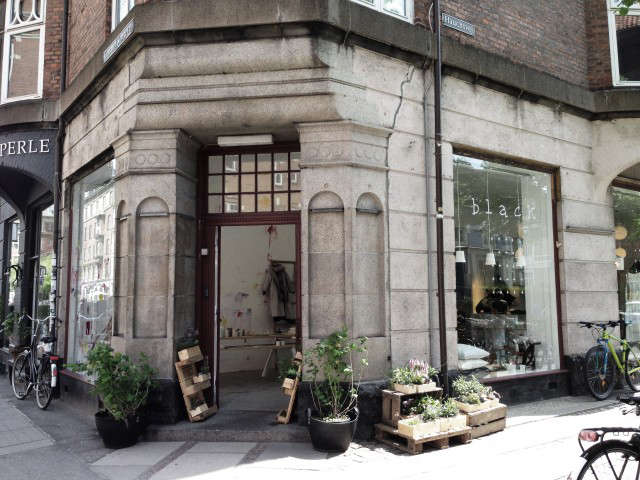
The most memorable concept stores are not packed to the rafters. They breathe. Black Concept Store became known for a bright, airy interior where white walls, high ceilings, and open display systems allowed the objects to stand out without visual noise. The feeling is less “retail floor” and more “apartment of a person who somehow never loses receipts.”
That sense of space matters. Handmade ceramics need room around them. A delicate bowl looks different when it is not trapped between five scented candles and a novelty tea towel that says “But First, Coffee.” At Black, the store experience has traditionally been about editing: fewer objects, better objects, and a strong point of view.
The selection has included Anne Black’s porcelain alongside international design and fashion brands. Recent listings connected to the store highlight labels such as bergfabel, Casey Casey, Daniela Gregis, e15, minä perhonen, Public Crafts, Pure Fabrications, scha, Unkruid, and Wommelsdorff. These brands share a certain mood: tactile, understated, artful, and built for people who appreciate fabric, form, and construction more than logos.
Why Copenhagen Is the Perfect Home for a Store Like Black
Copenhagen does concept retail unusually well. The city has a long design heritage, from classic Danish modern furniture to contemporary homeware, architecture, fashion, cycling culture, and hospitality spaces that treat lighting like a civic responsibility. In Copenhagen, even a neighborhood coffee shop may have better chairs than many luxury hotel lobbies.
Black fits naturally into this culture because it reflects the city’s favorite design values: quality over quantity, function with feeling, and beauty that works in daily life. The store is not about decorative excess. It is about finding the right cup, the right jacket, the right shelf, the right object that quietly improves the room around it.
That is also why Copenhagen shopping feels different from shopping in many larger cities. The pace is slower. The boutiques are more personal. The best stores feel edited by taste rather than algorithms. You are not just browsing inventory; you are entering someone’s visual argument for how life could look if you stopped buying panic items at checkout counters.
What to Look For at Black Concept Store
1. Handmade Porcelain Cups and Tableware
Anne Black’s cups, bowls, plates, and trays are ideal entry points into the brand. They are practical enough for daily use but refined enough to make a weekday breakfast feel curated. The pieces often use simple forms and soft glazes, making them easy to mix with existing tableware.
Look for shapes that feel good in the hand. A beautiful cup that is awkward to hold is just a tiny sculpture with caffeine nearby. Anne Black’s work tends to respect function, which is one reason it appeals to both collectors and everyday users.
2. Vases from the Bloom and Seam Collections
If you are shopping for one memorable piece, consider a vase. The Bloom collection is especially suited to people who love organic shapes and soft color. A small vase can hold a single stem, which is very Danish in spirit: modest, precise, and somehow more elegant than an overstuffed bouquet doing too much.
The best part? A small ceramic vase travels better than a chair. Your luggage will thank you.
3. Porcelain Hooks and Handles
Hooks and handles are among Anne Black’s most practical designs. They bring handmade detail to overlooked corners of the home: entryways, bathrooms, kitchen cabinets, wardrobes, and children’s rooms. Swapping ordinary cabinet pulls for porcelain handles can change the mood of a piece of furniture without requiring a full renovation or a nervous conversation with a contractor.
These are smart purchases for travelers because they are small, useful, and easy to incorporate into different interior styles. Minimal apartment? They work. Cottage kitchen? Also yes. Chaotic hallway with six tote bags and one mysterious scarf? Frankly, that hallway needs them most.
4. Fashion with Texture and Personality
Black’s fashion selection leans toward quiet luxury rather than trend-chasing. Expect pieces with strong fabrics, relaxed silhouettes, subtle tailoring, and a crafted feeling. Brands associated with the store often appeal to shoppers who prefer clothing that looks lived-in, thoughtful, and individual.
This is not fast fashion. It is the opposite: clothing that asks you to slow down, touch the fabric, examine the cut, and consider whether your wardrobe might benefit from one excellent shirt instead of five “almost right” ones.
5. Furniture, Objects, and Design Accessories
Part of the store’s charm is how it mixes categories. Ceramics sit near textiles. Fashion relates to furniture. Books and accessories add context. This cross-category approach makes the store feel domestic rather than departmental. You can imagine the pieces living together in a real home, not stranded in separate retail zones.
For design lovers, this is the joy of Black: the store teaches composition. It shows how color, proportion, texture, and negative space can work together. Even if you leave with only a small object, you may walk away with better ideas for your own shelves.
The Concept Store Formula: Why Black Feels Different
A strong concept store needs more than expensive objects and tasteful lighting. It needs a viewpoint. Black’s viewpoint is rooted in craft, restraint, and personal selection. The store does not appear to chase the loudest trends. Instead, it builds a calm universe around pieces that share a certain honesty.
The result is a retail experience that feels intimate. You sense that every object has been considered. Nothing is there simply to fill space. This matters because modern shoppers are overwhelmed by choice. We can buy almost anything online, at any hour, while wearing socks of questionable dignity. What we cannot always get online is the confidence of a beautifully curated room.
Black provides that confidence. It says: here is a bowl, here is a dress, here is a shelf, here is a hook, and somehow they all belong to the same quiet conversation.
How to Style Anne Black Pieces at Home
The easiest way to bring the Black Concept Store mood into your home is to avoid overdecorating. Give objects space. A small porcelain vase on a wooden shelf can be more effective than a crowded collection of things fighting for attention like contestants at a talent show.
Pair Anne Black ceramics with natural materials: oak, linen, wool, stone, brushed metal, or handwoven textiles. Keep the palette soft but not sterile. Warm whites, clay tones, pale blues, muted greens, soft grays, and natural wood help create that Copenhagen feeling without turning your living room into a furniture catalog.
For table settings, mix handmade porcelain with simple glassware and linen napkins. Do not worry if every piece does not match. In fact, slight variation is part of the charm. A table that looks collected over time usually feels more inviting than one that appears to have arrived in a single box labeled “personality included.”
Who Should Visit Black Concept Store?
Black is ideal for travelers who love design, interiors, ceramics, fashion, and thoughtful shopping. It is also a strong stop for people looking for gifts that feel personal but not overly fragile in meaning. A porcelain hook, a small bowl, a pair of earrings, or a simple cup can carry the memory of Copenhagen without screaming “souvenir.”
Interior designers, stylists, collectors, and creative professionals will appreciate the store’s editing. But casual shoppers can enjoy it too. You do not need a degree in Scandinavian design to know when something feels good. Sometimes the best design reaction is simply, “Oh no, I want that.”
A Smart Shopper’s Guide to Visiting
Go Slowly
This is not a rush-in, rush-out store. Take your time. Look at the surfaces, glazes, seams, textiles, and proportions. The details are the point.
Ask About Materials
Concept stores often carry pieces with rich production stories. Ask where something is made, how it is crafted, or why a designer was selected. You may learn enough to justify the purchase with dangerous confidence.
Choose Small, Useful Pieces
If you are traveling, focus on items that are easy to pack and easy to use at home: cups, hooks, jewelry, small bowls, or lightweight accessories.
Think in Rooms, Not Products
One of the best things about Black is how it encourages you to think about atmosphere. Instead of asking, “Do I need this vase?” ask, “Where would this create a small moment of calm?” The answer may still be “my shelf,” but now it sounds much more sophisticated.
Why Black Concept Store Still Matters
In a world of endless online shopping, stores like Black remind us why physical retail matters. A good shop can change how you see objects. It can slow you down. It can make you notice the difference between ceramic and porcelain, between white and warm white, between a shirt that is simply expensive and one that is beautifully made.
Black Concept Store matters because it treats shopping as cultural discovery. It connects Copenhagen’s design identity with global craft, fashion, furniture, and personal taste. It proves that a store can be quiet and still unforgettable.
It also offers a useful lesson for anyone decorating a home: buy fewer things, but choose them better. Let objects earn their place. Leave room for air. And never underestimate the emotional power of a very good cup.
Shopper’s Diary Experience: A Slow Afternoon in Copenhagen
Imagine starting the day with no grand shopping agenda, which is exactly when Copenhagen becomes most persuasive. You walk past bicycles lined up like an extremely stylish committee. The air is crisp. The buildings look composed. Even the pedestrians seem to understand layering better than you do.
Then you find the store. From the outside, it does not beg for attention. That is usually a good sign. The best Copenhagen shops often behave like confident hosts: welcoming, calm, and uninterested in waving neon signs at your wallet.
Inside, the first impression is space. Not emptinessspace. There is a difference. Emptiness feels unfinished. Space feels intentional. A porcelain vase sits where it can be seen properly. Clothing hangs with enough room to show its shape. A shelf becomes part display, part architecture. You immediately become aware of your own home and all the corners where you have allowed random objects to gather in small, guilty committees.
The ceramics draw you in first. A cup with a soft glaze. A bowl with a quiet curve. A vase that looks simple until you notice how carefully its proportions are balanced. You pick up a piece and feel its weight. It is light, but not flimsy. Delicate, but not precious in a “please never touch me” way. This is design made for use, not worship.
Nearby, a rack of clothing adds another layer to the story. The fabrics are textured, relaxed, and subtle. Nothing looks like it was designed for a one-week trend cycle. These are pieces for people who enjoy getting dressed but do not need their clothes to shout across the room. A jacket, a scarf, or a shirt feels connected to the ceramics through the same values: touch, material, restraint, and craft.
You begin to understand the store’s rhythm. It is not about buying a matching set. It is about noticing relationships. The pale porcelain beside the raw textile. The clean shelf beside the irregular handmade surface. The soft fashion beside the hard ceramic. Black Concept Store works because it understands contrast without chaos.
At some point, you decide you are “just looking.” This is a famous phrase shoppers use shortly before buying something small enough to seem reasonable and beautiful enough to become emotionally necessary. Perhaps it is a hook, because hooks are practical, and practicality is the shopper’s favorite alibi. Perhaps it is a cup, because everyone needs a cup, though admittedly not everyone needs a cup this poetic. Perhaps it is a vase, because a single flower deserves architecture too.
Leaving the store, you do not feel the usual retail buzz. You feel calmer. A little more edited. You may not have transformed your home yet, but you have seen a version of domestic life built on care rather than accumulation. That is the souvenir Black offers even before the receipt: a reminder that beauty does not need to be loud, and that the smallest objects often change the atmosphere of a room the most.
Back at your hotel or apartment, you unwrap your purchase and place it on the table. Suddenly the room looks slightly more intentional. Not perfect. Not magazine-ready. Just better. And maybe that is the real Copenhagen lesson: good design is not about impressing guests. It is about improving ordinary moments until your morning coffee, your entryway hook, or your single-stem vase quietly says, “Yes, this is enough.”
Conclusion
Black Concept Store in Copenhagen is more than a shopping address. It is a design mood, a craft story, and a reminder that retail can still feel personal when it is curated with care. Connected to Anne Black’s handmade porcelain and Copenhagen’s wider culture of thoughtful design, the store brings together ceramics, fashion, furniture, and accessories in a way that feels calm, tactile, and deeply considered.
For visitors, it offers the pleasure of discovery. For design lovers, it offers lessons in proportion, material, and restraint. For anyone trying to create a more beautiful home, it offers a simple but powerful rule: choose objects that make everyday life feel more human.
Note: Store locations, opening hours, and brand selections may change over time. Before visiting, check the current details from the store’s official channels.

