
Beauty Tools & Accessories
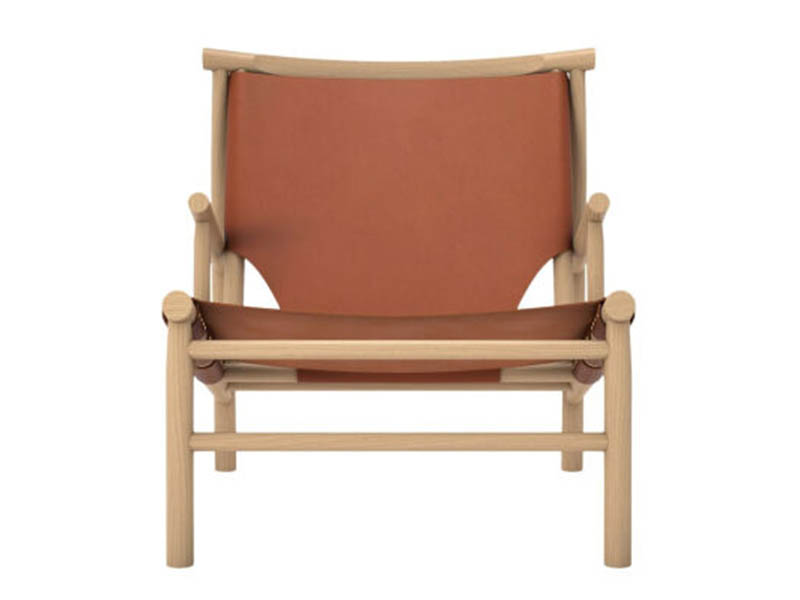
Samurai Lounge Chair
Aug
The Samurai Lounge Chair does not shout for attention. It sits low, holds its posture, and lets the craftsmanship do the talking. That restraint is appropriate for a chair named Samuraialthough, thankfully, this one is designed for reading and relaxing rather than defending a feudal castle.
Created for Danish furniture brand NORR11 by designers Kristian Sofus Hansen and Tommy Hyldahl, the Samurai Chair combines Japanese-inspired joinery, mid-century Danish furniture traditions, turned oak, saddle leather, and carefully exposed hardware. The result is a modern leather lounge chair that feels disciplined but not cold, sculptural but still useful, and minimalist without looking unfinished.
Its open frame, low seat, and suspended leather surfaces make it especially attractive for Japandi interiors, mid-century modern living rooms, boutique offices, hotel lounges, and quiet reading corners. However, the Samurai Lounge Chair is not a universal crowd-pleaser. Its low profile and firm leather support create a very different experience from sinking into a generously padded recliner.
This guide examines the chair’s design history, materials, construction, dimensions, comfort, styling possibilities, maintenance needs, and practical ownership experience.
What Is the Samurai Lounge Chair?
The Samurai Lounge Chair is a low-slung accent chair introduced by NORR11 in 2018. It was designed by Kristian Sofus Hansen and Tommy Hyldahl, a creative partnership known for combining references from architecture, art, fashion, and historical furniture.
The chair takes inspiration from several traditions rather than copying one historical object. Its turned wooden framework recalls Danish stick chairs from the 1950s. Its broad leather panels resemble the functional construction of vintage hunting and campaign chairs. Japanese woodworking influences appear in the balanced geometry, visible connections, and emphasis on structural clarity.
The name “Samurai” also makes visual sense. The saddle leather folds around the frame with an armor-like appearance, while the upright rear supports and carefully arranged rails give the chair a composed, almost ceremonial silhouette.
Despite these historical references, the Samurai Chair is a contemporary product. Its proportions are clean, its decorative details are limited, and every visible element appears to perform a job. There are no unnecessary cushions, carved ornaments, or mysterious plastic levers waiting to break immediately after the warranty expires.
The Design Story: Japan Meets Denmark
Japanese Influence Without Themed Decoration
The Samurai Lounge Chair is sometimes described as Japanese-inspired, but that does not mean it is covered in obvious cultural symbols. There are no printed waves, painted characters, or sword-shaped armrests. The Japanese influence is quieter and more architectural.
Its frame emphasizes balance, intersections, and the relationship between horizontal and vertical pieces. The structure remains visible, allowing users to understand how the chair supports itself. This approach is consistent with furniture that treats joints and materials as part of the aesthetic instead of hiding everything under foam and fabric.
Kristian Sofus Hansen’s experience studying and living in Japan has influenced his interest in merging Japanese simplicity with Danish design. In the Samurai Chair, this combination produces a restrained object that rewards close inspection. From across the room, it looks simple. Up close, the transitions between the rounded oak members, leather panels, buckles, straps, and rivets reveal considerable detail.
The Danish Stick-Chair Connection
Danish furniture design of the mid-20th century frequently explored solid wood, organic curves, visible craftsmanship, and efficient structure. Stick chairs used multiple turned wooden components to create strength without making the furniture visually heavy.
The Samurai Lounge Chair follows a similar logic. Its rounded oak sections create a sturdy frame while leaving plenty of open space around the seat and back. That openness helps the chair occupy less visual volume than a fully upholstered armchair of comparable dimensions.
The resemblance to old hunting chairs is also important. Traditional hunting chairs often used portable-looking wooden frames with suspended leather or canvas seats. The Samurai is more refined and less rustic, but it preserves the appealing idea that a few well-made components can produce a complete seating experience.
Materials and Construction
Turned Solid Oak Frame
The chair’s framework is made from turned oak timber. Turning produces the smooth, cylindrical sections that define its silhouette. Oak is well suited to this application because it offers strength, recognizable grain, and enough visual warmth to prevent the minimalist construction from feeling clinical.
Product specifications identify FSC-certified oak in the construction, indicating that the wood is sourced according to recognized forestry standards. The frame is finished with a water-based lacquer, which protects the surface while allowing the character of the timber to remain visible.
Depending on current production and retailer availability, finishes may include natural oak, dark-smoked oak, or black oak. Natural oak creates the lightest and most recognizably Scandinavian appearance. Dark-smoked oak feels richer and moodier, while black oak makes the structure appear more graphic and contemporary.
Saddle Leather Seat and Back
Rather than placing loose cushions on the frame, the Samurai Chair uses thick saddle or harness leather to form the seat and back. NORR11 specifications have listed Sørensen saddle leather, a material selected for durability, body, and the ability to develop character with age.
The seat is attached using brass rivets. At the rear, adjustable leather straps and brass buckles secure the back panel. These details are functional, but they also give the chair much of its personality. The brass introduces a subtle metallic contrast, while the buckles reinforce the resemblance to riding equipment, travel furniture, and protective armor.
Leather options commonly include natural, brandy, and black tones. Natural leather creates the greatest contrast with the timber and may develop a particularly noticeable patina. Brandy leather adds warmth and works beautifully with earthy interiors. Black leather produces the most dramatic and formal combination, especially when paired with black oak.
A Chair Designed to Age
The Samurai Lounge Chair is not intended to remain visually frozen. Real leather naturally changes as it is exposed to touch, light, clothing, and ordinary use. Minor variations, creasing, and darkening may become part of its appearance.
For owners who expect every surface to look factory-new forever, this may feel like a flaw. For those who enjoy natural materials, it is part of the appeal. A carefully developed patina can make the chair look more personal and less like it was teleported directly from a showroom five minutes ago.
Samurai Lounge Chair Dimensions
The published dimensions of the NORR11 Samurai Chair are approximately:
- Width: 26 inches, or 66 centimeters
- Depth: 32.7 inches, or 83 centimeters
- Overall height: 29.5 inches, or 75 centimeters
- Seat height: 14.6 inches, or 37 centimeters
- Net weight: About 19.8 pounds, or 9 kilograms
The most important measurement is the seat height. At roughly 14.6 inches, the Samurai is noticeably lower than many conventional armchairs. This contributes to its relaxed appearance and makes it suitable for low furniture arrangements, but it also affects how easily a person can sit down and stand up.
Before purchasing, mark the chair’s footprint on the floor with painter’s tape. Then place a stool or stack of firm cushions at approximately the same seat height. This slightly awkward living-room experiment can reveal more than staring at forty-seven beautifully staged product photographs.
Is the Samurai Lounge Chair Comfortable?
Comfort is where expectations matter most. The Samurai Chair is supportive, flexible, and relaxing, but it is not plush. Its leather seat behaves more like a structured sling than a padded sofa cushion.
As weight settles into the leather, the suspended surface offers a small amount of give. The angled back promotes a laid-back posture, and the broad leather panel supports the torso without creating the rigid feeling of a flat wooden backrest.
The adjustable rear straps may allow minor changes to the back tension and position, although they do not transform the chair into a mechanical recliner. The overall experience remains low, open, and moderately firm.
Many users may find it comfortable for reading, enjoying coffee, listening to music, or having a conversation. People who prefer deep cushioning, tall head support, or a highly upright working posture may be less enthusiastic.
The chair can also be challenging for individuals with limited hip, knee, or lower-body mobility because of its low seat. It is best treated as a lounge chair rather than an everyday accessibility solution.
Where the Samurai Chair Works Best
Japandi Living Rooms
The Samurai Lounge Chair is almost purpose-built for Japandi interiors. Japandi design combines Japanese restraint with Scandinavian warmth, generally favoring natural materials, functional objects, uncluttered layouts, and subdued colors.
Pair a natural-oak Samurai Chair with plaster walls, a wool rug, linen curtains, handmade ceramics, and a low oak or stone table. Keep surrounding accessories limited. This chair looks more convincing when it has breathing room than when it is buried beneath decorative pillows shaped like seasonal vegetables.
Mid-Century Modern Spaces
The turned frame and low silhouette also work naturally with mid-century modern furniture. It can sit beside a simple walnut credenza, sculptural floor lamp, or compact sofa without looking like a reproduction of one specific vintage design.
To prevent the room from feeling like a furniture museum, combine the chair with contemporary art, textured fabrics, and a few less historically recognizable pieces.
Modern Rustic Interiors
Brandy leather and natural or smoked oak can soften concrete floors, brick walls, dark metal, and architectural stone. This combination gives modern rustic interiors a handcrafted element without introducing heavy farmhouse styling.
Bedrooms and Reading Corners
Because the frame is visually open, the chair can fit into a bedroom corner without creating the bulky presence of a traditional club chair. Add a small side table and a focused reading lamp. A compact footstool can improve comfort during longer reading sessions, though it should be chosen carefully so the different woods and leathers do not begin arguing with one another.
Offices, Hotels, and Reception Areas
The distinctive rear view makes the Samurai especially useful in open-plan spaces where furniture can be seen from multiple directions. It can be positioned away from a wall, allowing the leather straps, buckles, and oak framework to remain visible.
In commercial settings, confirm that the leather finish, maintenance requirements, and warranty are suitable for the expected traffic level. A chair used by one careful homeowner faces a gentler life than a chair placed beside a hotel espresso machine.
How to Style the Different Finishes
Natural Oak and Natural Leather
This is the lightest, most organic combination. It pairs well with cream, sand, pale gray, muted green, and warm white. Use it in bright rooms with natural textiles and minimal visual clutter.
Natural Oak and Brandy Leather
Brandy leather creates a warmer and more familiar lounge-chair appearance. It works with walnut furniture, terracotta accents, vintage rugs, bronze lighting, and earthy artwork. This is arguably the easiest version to integrate into an existing home.
Black Oak and Black Leather
The black-on-black version emphasizes silhouette over texture. It suits contemporary apartments, monochrome interiors, modern offices, and rooms containing concrete, smoked glass, or stainless steel. Add a textured rug or softer upholstery nearby so the space does not become overly severe.
Dark-Smoked Oak and Natural Leather
Where available, this finish produces strong contrast and a sophisticated, architectural mood. It can anchor a neutral room while remaining visually lighter than a fully upholstered dark armchair.
Advantages of the Samurai Lounge Chair
- Distinctive design: Its silhouette is recognizable without relying on loud colors or decorative excess.
- Natural materials: Oak, leather, and brass offer tactile richness and the potential to age attractively.
- Beautiful from several angles: The rear straps and frame make it suitable for open layouts.
- Visually lightweight: The exposed construction allows light and sightlines to pass through the chair.
- Versatile styling: It works with Japandi, Scandinavian, mid-century, industrial, and modern rustic interiors.
- Considered construction: Turned wood, riveted leather, and adjustable straps provide meaningful detail.
Potential Drawbacks
- Low seat: Standing up may be difficult for some users.
- Firm feel: It does not offer the softness of a padded lounge chair.
- No headrest: The back supports the torso but not the head.
- Premium price: The chair occupies the designer-furniture category rather than the budget accent-chair aisle.
- Leather maintenance: Sunlight, heat, spills, pets, and unsuitable cleaners can damage the surface.
- Long lead times: Certain finishes may be made to order or require international delivery.
How to Care for a Samurai Lounge Chair
Leather Care
Remove surface dust with a clean, dry microfiber cloth. Deal with spills promptly by blotting rather than rubbing. Avoid soaking the leather, since excessive moisture can produce marks, stiffness, or discoloration.
Do not apply household disinfectants, bleach, ammonia, abrasive cleaners, furniture polish, or random internet mixtures without confirming that they are safe for the specific leather. Natural saddle leather may react differently from heavily coated upholstery leather.
When conditioning is necessary, use a product approved for the chair’s leather and test it on a concealed area first. Conditioning too frequently or using the wrong formula can darken the surface unevenly.
Oak Frame Care
Dust the oak regularly with a soft cloth. For light cleaning, use a barely damp cloth and dry the surface afterward. Avoid abrasive pads and aggressive chemical sprays, which may damage the lacquer.
Keep the chair away from radiators, heating vents, damp exterior walls, and prolonged direct sunlight. Heat can dry the leather, while intense sunlight may fade both the wood and upholstery.
Hardware and Straps
Periodically inspect the brass rivets, leather straps, and buckles. Do not repeatedly tighten the straps without reason, and do not attempt structural repairs with ordinary screws or glue. Contact an authorized dealer or qualified furniture repair specialist if a load-bearing component becomes loose.
How to Buy an Authentic Samurai Lounge Chair
Designer furniture is frequently copied, and visual similarity alone does not guarantee comparable materials or construction. Buy through NORR11 or an authorized retailer whenever possible.
Before ordering, request the complete product name, manufacturer information, selected finish, dimensions, warranty details, estimated delivery time, and return conditions. Confirm whether delivery includes placement inside the home or merely transportation to the curb.
When evaluating a pre-owned chair, examine the proportions, turned oak frame, brass hardware, leather attachment points, rear buckle arrangement, and overall workmanship. Ask for the original invoice, dealer information, product labels, and provenance.
A suspiciously low price may indicate a reproduction, an undisclosed repair, or significant damage. Minor leather patina is not necessarily a problem, but cracks, torn attachment points, loose joints, distorted rails, or improvised hardware deserve caution.
Is the Samurai Lounge Chair Worth It?
The Samurai Lounge Chair is worth considering when craftsmanship, sculptural form, and natural materials matter more than maximum cushioning. It provides a strong focal point without dominating the room, and its exposed construction is interesting enough to reward long-term ownership.
Its value is less convincing for shoppers who mainly want a soft television chair, an adjustable recliner, or an easy-clean seat for a chaotic household. Beautiful saddle leather and energetic pets can coexist, but the relationship may involve negotiations, protective blankets, and occasional heartbreak.
The chair makes the most sense for someone who appreciates how furniture is assembled, accepts that leather will age, and has tested or carefully considered the low seating position.
Practical Experiences With the Samurai Lounge Chair
The most noticeable experience begins before anyone sits down. Unlike a bulky upholstered chair, the Samurai does not visually block the room. Light passes beneath the seat and through the frame, so even the dark version can feel relatively airy. In a small living room, that openness can make a meaningful difference.
Placement is important. Against a wall, the chair still looks attractive, but some of its best features disappear. Moving it twelve to eighteen inches forward reveals the adjustable rear straps and the intersections of the oak rails. In an open seating arrangement, the back can be as visually satisfying as the front.
Sitting down requires a little more intention than dropping onto a sofa. The seat is low, and the leather does not immediately collapse around the body. Once settled, however, the suspended surface begins to feel more forgiving. The experience resembles sitting in a carefully tensioned sling: supported, relaxed, and stable, but never marshmallow-soft.
For a twenty-minute coffee or conversation, the chair feels naturally appropriate. During a longer reading session, posture and personal preference become more important. A small ottoman can reduce pressure on the legs and encourage a more complete lounging position. A thin lumbar cushion may help some users, although adding too many cushions hides the leather and defeats much of the design’s purpose.
The broad arm rails provide a comfortable place to rest the forearms, but they are not upholstered. Someone accustomed to heavily padded arms may initially find the wood more architectural than cozy. Long sleeves also feel friendlier against cool leather during winter, a tiny detail rarely mentioned in glamorous product photography.
The natural-leather versions tend to change the ownership experience over time. Contact areas may darken, creases may appear, and small marks may become visible. Owners who enjoy patina often find these changes satisfying because the chair gradually records how it has been used. Perfectionists may spend the first few months monitoring every coffee cup like an airport security officer.
Daily maintenance is generally simple when the chair is treated sensibly. Dusting takes only a moment because there are no deep cushion seams collecting crumbs. The exposed frame also makes it easy to clean beneath the chair. On the other hand, the leather cannot simply be removed and thrown into a washing machine, so prevention matters more than aggressive cleaning.
In a home with young children or pets, the chair benefits from thoughtful placement. Claws, sharp toys, belt hardware, and denim rivets can mark leather. None of this makes the chair unusable, but buyers should decide whether they welcome an evolving surface or expect a pristine display piece.
The chair’s relatively modest weight makes it easier to reposition than many fully upholstered loungers. One person can usually shift it for cleaning or rearranging, though lifting is safer than dragging because dragging may stress the joints or scratch the floor. Felt floor protectors may be useful, provided they are installed without altering the frame.
Perhaps the most rewarding experience is how the Samurai Chair changes the mood of a room without requiring a complete redesign. Place it beside a simple lamp and a restrained side table, and an unused corner suddenly feels intentional. It creates a destinationa place for a book, a quiet drink, or ten minutes of pretending that unanswered emails do not exist.
The less successful experience occurs when the chair is bought solely for photographs. Its beauty is real, but so are its low seat, firm support, maintenance needs, and premium cost. The best owners appreciate both sides. They choose it not merely as a decorative object, but as a durable piece of design whose structure, leather, and finish will become more familiar over many years.
Conclusion
The Samurai Lounge Chair demonstrates how a small number of carefully selected materials can create a memorable piece of furniture. Turned oak provides the structure, saddle leather supports the body, and brass hardware turns necessary connections into visual details.
Its combination of Japanese-inspired construction and Danish mid-century influence gives it a timeless quality that fits comfortably within modern Japandi interiors. It is attractive from every side, compact enough for many residential spaces, and expressive without being flashy.
It is not the softest chair, the tallest chair, or the easiest chair for every body. That is precisely why testing the seat height and understanding its sling-like comfort are essential. For the right owner, however, the Samurai is more than a fashionable accent chair. It is a disciplined, beautifully constructed place to slow down.
Note: Available finishes, pricing, delivery schedules, materials, and warranty terms may change by market and retailer. Confirm current specifications with NORR11 or an authorized dealer before purchasing.

