
Hair Care
Rice Straw Bird Braid
May
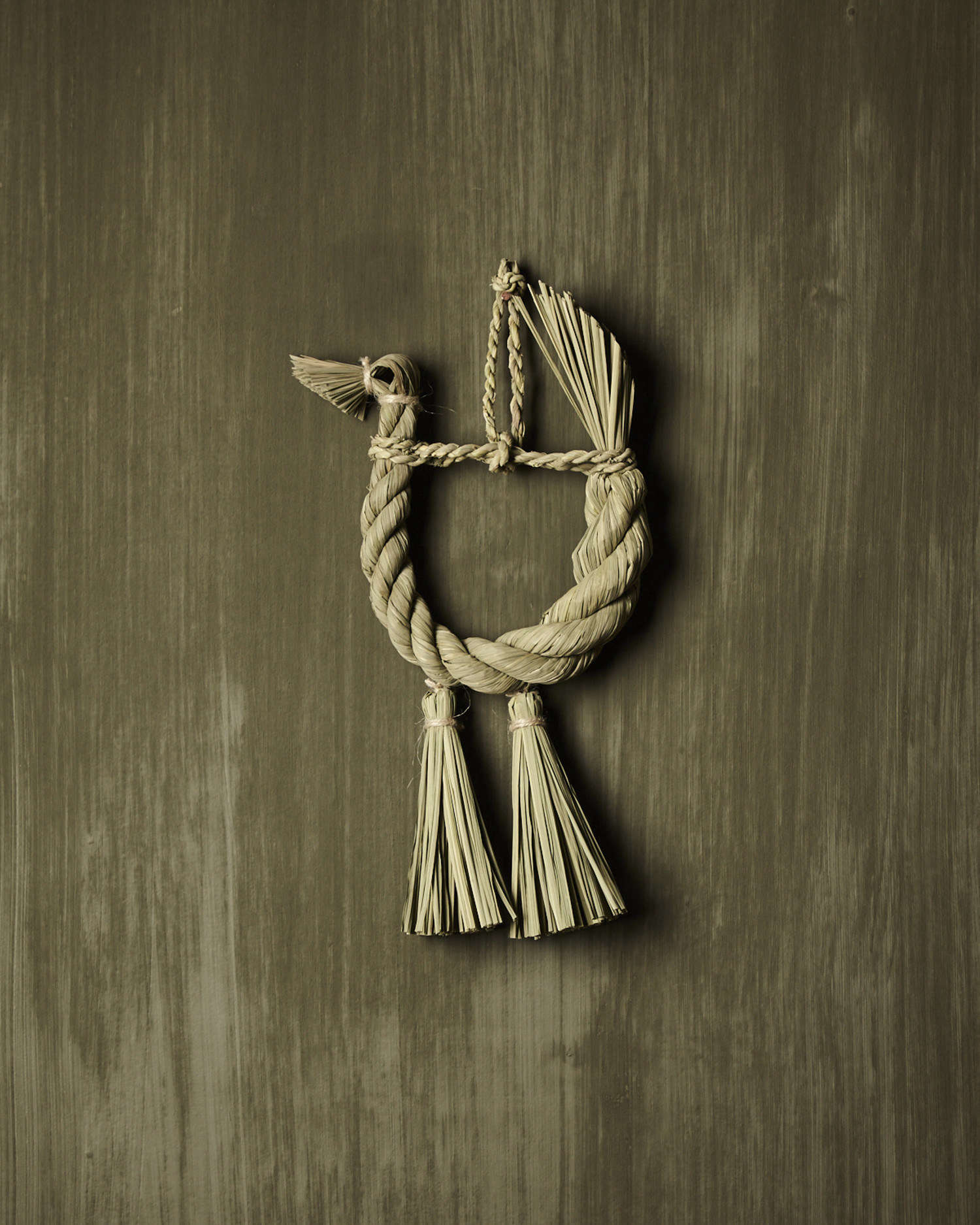
Some home objects shout for attention. Others simply hang on the wall, quietly looking graceful, handmade, and wise enough to know that not every decoration needs a charging cable. The Rice Straw Bird Braid belongs to that second category. It is a small hanging craft object shaped like a bird, made from rice straw, and rooted in the long human habit of turning humble agricultural materials into symbols of luck, livelihood, and beauty.
At first glance, a rice straw bird braid may seem almost too simple: dried plant stems, braided by hand, arranged into a birdlike form, then hung as a decorative accent. But that simplicity is exactly where the charm lives. Rice straw is not pretending to be marble, glass, brass, or some mysterious “artisan composite” that requires a marketing department to explain. It is rice straw. It grew in a field, dried in the sun, passed through human hands, and became something meaningful.
In a world filled with mass-produced decor, the rice straw bird braid feels refreshingly honest. It is part craft, part folk symbol, part natural ornament, and part reminder that beautiful design does not always need to arrive in a giant box with twelve plastic inserts and an instruction manual written in three languages. Sometimes, it just needs straw, skill, and a good eye.
What Is a Rice Straw Bird Braid?
A rice straw bird braid is a decorative hanging object made by braiding or plaiting rice straw into the shape of a bird. The best-known contemporary version is associated with Japanese craft and is often described as a handmade rice straw braid shaped like a bird. It is commonly used as a wall hanging, seasonal accent, or meaningful object for the home.
The form is minimal but expressive. A few curves suggest the body. A small extension hints at the beak or tail. The braided straw creates texture and movement, giving the bird a sense of life even though it is completely still. This is the quiet magic of folk craft: it does not need realism to feel alive. It only needs the right gesture.
The bird shape also carries symbolic weight. In many cultures, birds are linked with good fortune, movement, messages, prosperity, and new beginnings. In the case of the rice straw bird braid, product descriptions often connect the bird with success in business or ventures. That makes it more than a pretty object. It becomes a kind of handcrafted wish: may your work fly, may your plans land safely, and may your living room not look like a furniture showroom having an identity crisis.
Why Rice Straw Matters
Rice straw is the dried stalk left after rice grain is harvested. In agriculture, it is often treated as a byproduct, but in craft traditions, it becomes raw material with surprising personality. It is lightweight, flexible when prepared properly, naturally textured, and warm in color. Unlike synthetic materials, rice straw has tiny variations in tone and thickness, which means every finished object carries small signs of the field it came from.
Historically, straw has been used around the world for practical and decorative purposes: hats, mats, baskets, ornaments, ropes, sandals, ceremonial objects, and household tools. Straw plaiting and braiding developed because people used what was available. Before “sustainable design” became a polished phrase in lifestyle magazines, farmers and craftspeople were already practicing it out of necessity, creativity, and common sense.
Rice straw is especially interesting because it connects food culture with material culture. Rice feeds billions of people, but the plant also gives stalks that can be repurposed. In the right hands, those stalks become objects that honor harvest, patience, and transformation. That is a lot of responsibility for something most people would otherwise step over in a field.
The Craft of Braiding Straw
Braiding is one of the oldest and most intuitive textile techniques. At its simplest, it involves crossing strands over one another in a repeated pattern. When applied to straw, the technique is often called plaiting. The process can be basic or highly complex, depending on the number of strands, the desired shape, and the maker’s skill.
For a rice straw bird braid, the maker must understand both structure and suggestion. Straw is not clay. It cannot be endlessly pushed around until it behaves. It bends, resists, springs back, and occasionally acts like it has personal opinions. The artisan must soften, select, align, and braid the straw in a way that keeps the final object stable while preserving its natural look.
This is why handmade straw objects feel different from factory-made decorations. You can sense the rhythm of the hand. The braid is not mechanically perfect, and that is the point. A perfectly identical straw bird made by the thousands would lose the small irregularities that make the object feel alive. The beauty is in the balance: neat enough to show mastery, natural enough to avoid looking sterile.
Japanese Craft and the Beauty of Useful Materials
The rice straw bird braid fits beautifully into a broader Japanese design sensibility that values natural materials, seasonal awareness, restraint, and careful handwork. Japanese craft traditions have long turned rice straw into ropes, mats, charms, and ceremonial forms. Straw is often associated with harvest, protection, gratitude, and the cycle of rural life.
One famous example of rice straw in Japanese culture is the use of braided straw ropes in sacred or symbolic settings. While the Rice Straw Bird Braid is a home decor object rather than a religious item, it still echoes that respect for material. It suggests that straw is not disposable waste. It can be shaped into something worthy of display.
This is a refreshing idea for modern interiors. Many homes are full of objects made to look expensive but not necessarily meaningful. A rice straw bird braid travels in the opposite direction. It is modest, natural, and deeply tactile. It does not beg for attention. It rewards attention.
Symbolism of the Bird Shape
Birds are among the most common symbols in art and craft because they are easy to love and hard to ignore. They move between earth and sky. They migrate, sing, nest, court, warn, and return. Even people who cannot identify more than three species of birds can still understand the emotional pull of a bird form.
In a rice straw bird braid, the bird may represent luck, prosperity, business success, freedom, or the hope that something will take flight. It can be hung near an entrance, in a workspace, above a shelf, or in a quiet corner where it adds a soft organic note. Unlike a loud motivational poster, it does not say, “Hustle harder.” It says, “May things go well.” Frankly, that is much better manners.
The bird shape also connects to nesting and shelter. Since straw and grasses are materials birds naturally use in nest building, the object feels symbolically complete: a bird made from the kind of material birds might gather. It is not a literal nest, but it carries the feeling of one: protection, home, patience, and care.
How to Style a Rice Straw Bird Braid at Home
1. Hang It Near Natural Materials
The rice straw bird braid looks especially good near wood, linen, clay, stone, handmade paper, woven baskets, and neutral ceramics. These materials speak the same visual language: warm, imperfect, and calm. Place the bird braid on a plaster wall, above a wooden bench, or beside a small shelf of pottery, and it instantly feels at home.
2. Use It as a Seasonal Accent
Because rice straw is tied to harvest, the bird braid works beautifully in autumn decor. But it is not limited to fall. In spring, it can symbolize renewal and nesting. In winter, it adds warmth and texture. In summer, it feels light and airy. Basically, it has better year-round versatility than many holiday decorations that spend eleven months hiding in a storage bin.
3. Pair It With Minimalist Decor
In a minimalist room, small objects matter. A rice straw bird braid can add texture without clutter. Its natural color keeps it subtle, while its handmade shape prevents the space from feeling cold. If your room is mostly white, beige, black, or wood-toned, the braid can become a gentle focal point.
4. Add It to a Gallery Wall
A gallery wall does not need to be all framed prints. In fact, it is usually better when it includes different textures. A rice straw bird braid can soften a wall arrangement filled with photographs, drawings, or small mirrors. Its sculptural form breaks the flatness and gives the eye somewhere to rest.
5. Place It in an Entryway
Since the bird braid is associated with luck and successful ventures, an entryway is a fitting location. It becomes a small welcoming symbol as people come and go. It is also a charming conversation starter, especially for guests who enjoy handmade objects. For guests who do not notice it, do not worry. The bird is patient.
Rice Straw Bird Braid and Sustainable Design
Sustainability in home decor is often discussed in big terms: circular economy, responsible sourcing, low-impact materials, slow design. Those ideas are important, but the rice straw bird braid shows sustainability in a very approachable way. It uses a natural agricultural material and depends on skilled handwork rather than heavy industrial transformation.
Rice straw is renewable because it comes from a crop that is already grown for food. Using it for craft can add value to a byproduct and help preserve traditional skills. Of course, not every straw object is automatically sustainable. Shipping, packaging, sourcing, and labor practices still matter. But as a design category, handmade rice straw craft has a much lighter and more grounded feeling than decor made from synthetic novelty materials.
There is also emotional sustainability to consider. People keep meaningful objects longer. A handmade rice straw bird braid is less likely to feel disposable because it carries a story. It invites care. It looks better with small imperfections. It does not need to chase trends, which is fortunate because trends run fast and straw birds prefer a more dignified pace.
Bird-Safe Thinking: Decoration vs. Nesting Material
Because this object is bird-shaped and made of straw, it is worth making an important distinction: a rice straw bird braid is primarily a decorative craft object, not a toy for wild birds or a guaranteed nesting product. Natural straw can be safe in many bird-related contexts, but homeowners should still be thoughtful about what they offer to wildlife.
Bird experts generally recommend natural materials such as dried grasses, small twigs, leaves, and untreated plant fibers when people want to support nesting birds. They also warn against materials like long string, yarn, synthetic fibers, dryer lint, and chemically treated scraps, which can create risks for birds. The safest approach is to create a bird-friendly yard with native plants, clean water, shelter, and natural debris birds can choose for themselves.
So, enjoy the rice straw bird braid indoors as decor. If you want to help real birds outdoors, think habitat first. Plant native shrubs, leave some natural materials available, avoid pesticides when possible, and skip the glittery craft leftovers. Birds are excellent builders. They do not need your metallic ribbon. No nestling has ever looked around and said, “This nursery needs sparkle.”
How to Care for a Rice Straw Bird Braid
Rice straw is durable for its weight, but it is still a natural material. Treat it gently and it can stay beautiful for years. Keep it indoors or in a protected area away from rain, heavy humidity, and direct harsh sunlight. Too much moisture can weaken natural fibers or encourage mildew. Too much sun may fade or dry the straw unevenly.
To clean it, use a soft dry brush, a feather duster, or gentle air from a hand blower. Avoid soaking it, scrubbing it, or attacking it with cleaning sprays as though it personally offended you. If a strand bends slightly, resist the urge to overcorrect. Handmade straw has natural movement, and a tiny irregularity often adds charm.
When storing the braid, place it in a breathable box or wrap it loosely in acid-free tissue. Do not crush it under heavy objects. Straw remembers pressure, and not in a forgiving way. If you have curious pets, hang the braid high enough to avoid becoming a snack, trophy, or mysterious floor crime.
Who Will Love a Rice Straw Bird Braid?
The rice straw bird braid is ideal for people who appreciate handmade decor, Japanese craft, natural materials, folk art, and quiet design. It is also a thoughtful gift for someone starting a new business, moving into a new home, opening a studio, or beginning a creative project. The symbolism of luck and successful ventures makes it feel personal without being overly formal.
It may not be the right object for someone who wants flashy decor, bright colors, or large statement pieces. This is not a chandelier. It will not dominate a room or announce itself from across the street. Its appeal is intimate. It asks the viewer to come closer, notice the braid, and appreciate the handwork.
Why Small Handmade Objects Still Matter
One reason the rice straw bird braid feels special is that it pushes back against the speed of modern consumption. We are surrounded by objects designed to be bought quickly, used briefly, and replaced casually. A handmade straw bird suggests another rhythm: grow, harvest, dry, select, braid, shape, hang, keep.
That rhythm matters. It reminds us that materials have origins and makers have skills. It encourages us to decorate with objects that carry texture, history, and intention. It also proves that beauty does not need to be complicated. A few stems of rice straw, braided with care, can say more than an entire shelf of trendy accessories trying very hard to be interesting.
Buying Tips for a Rice Straw Bird Braid
When shopping for a rice straw bird braid, look for clear information about the maker, material, origin, and dimensions. A good listing should tell you whether the object is handmade, what type of straw is used, and how large it is. Since natural craft objects vary, expect small differences between pieces. That is not a defect; it is part of the appeal.
Also consider where you plan to hang it. A smaller bird braid may be perfect for a narrow wall, shelf niche, or entryway hook. A larger one may need more breathing room. If you are buying it as a gift, include a short note explaining the symbolism. Handmade objects become even more meaningful when the recipient understands the story behind them.
Experiences With Rice Straw Bird Braid: Living With a Quiet Handmade Object
The first thing people often notice about a rice straw bird braid is how light it feels. It is not just physically light, though it certainly is that. It also feels visually light. It does not weigh down a room. Hang it on a plain wall, and it seems to float there with the calm confidence of an object that knows exactly what it is.
One of the most enjoyable experiences with this kind of piece is watching how it changes the mood of a space without demanding a redesign. A room with modern furniture can sometimes feel too polished, as if nobody is allowed to sit down unless they are wearing linen and holding a ceramic cup. Add a rice straw bird braid, and the room relaxes. The natural texture makes the space feel more human. It brings in a little field, a little handwork, and a little folklore.
It also works surprisingly well in everyday corners. Above a small desk, the bird can feel like a quiet symbol of progress. Near a kitchen shelf, it connects back to rice, harvest, and nourishment. In a hallway, it becomes a friendly little guardian of comings and goings. Unlike many decorative objects, it does not need a perfect setting. It can make an imperfect setting feel intentional.
Another experience worth mentioning is how often handmade straw invites touch. People see the braid and want to understand it with their fingers. The texture is part of the story: smooth in some places, ridged in others, slightly uneven in the best possible way. Of course, it should be handled gently, but that tactile quality is what separates it from printed decor. It has structure. It has grain. It has evidence of being made.
The rice straw bird braid can also change how you think about natural materials. Straw is easy to underestimate because it is familiar and humble. But when it is braided into a bird, it becomes elegant. That transformation is satisfying. It reminds you that design is not only about rare materials. It is about attention. The maker looked at rice straw and saw possibility. That is the kind of creative optimism every home could use.
For people who enjoy seasonal decorating, the bird braid becomes a flexible companion. In spring, it pairs beautifully with branches, simple flowers, and pale ceramics. In autumn, it looks at home with pumpkins, dried leaves, and warm wood tones. During the winter holidays, it can hang near greenery without becoming overly festive. It does not scream “theme.” It whispers “season,” which is usually much more tasteful.
Living with a rice straw bird braid also creates a tiny daily pause. You pass it, notice the curve of the braid, remember that someone made it by hand, and move on a little more slowly. That may sound romantic, but small visual pauses matter. Homes are not only places to store furniture and hunt for missing chargers. They are places where objects can steady us, amuse us, and remind us of the wider world.
The best experience of all may be the story it gives you. When someone asks, “What is that?” you get to say it is a handmade rice straw bird braid, a natural craft object shaped like a bird and associated with good luck or successful ventures. That answer is much better than, “I bought it because the wall looked empty.” Though honestly, both can be true.
Conclusion
The Rice Straw Bird Braid is a small object with a surprisingly wide wingspan. It connects agriculture, craft, symbolism, sustainability, and interior design in one quiet handmade form. Made from rice straw and shaped like a bird, it brings warmth and meaning to the home without trying too hard. That is its real strength.
For anyone drawn to natural decor, Japanese craft, straw braiding, or meaningful handmade objects, the rice straw bird braid is worth noticing. It proves that simple materials can carry deep charm when shaped with patience and skill. It is not flashy. It is not loud. It is a gentle reminder that good design can begin in a rice field and end as a bird on your wall.

