
Makeup
PH Artichoke Pendant Lamp
Jun
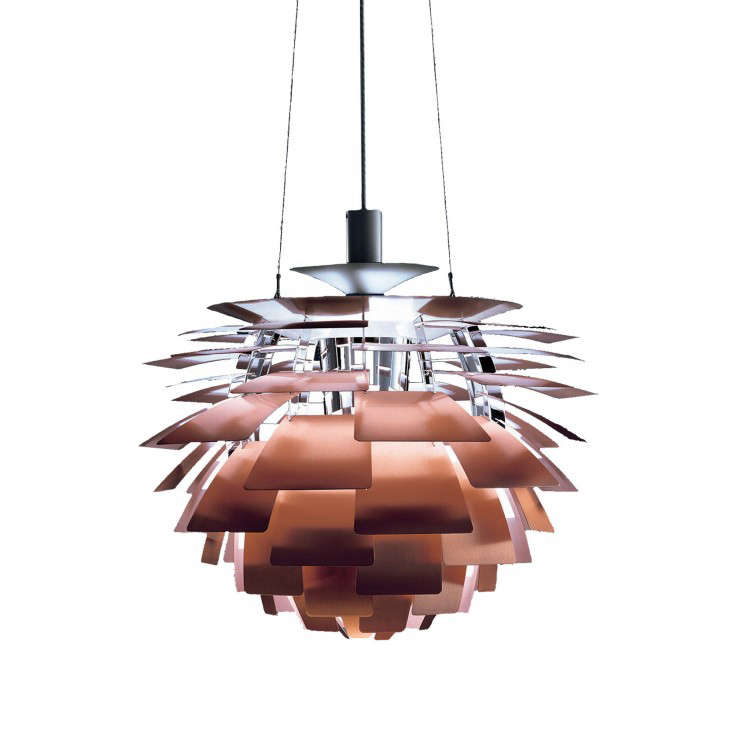
The PH Artichoke Pendant Lamp is not the kind of light fixture that quietly asks for attention. It enters the room like a well-dressed guest at a dinner party: elegant, sculptural, confident, and somehow able to make everyone else look better. Designed by Danish lighting master Poul Henningsen in 1958 for Louis Poulsen, the PH Artichoke remains one of the most recognizable pendant lamps in modern design.
At first glance, it looks like a futuristic flower, a metallic pinecone, or yes, an upside-down artichoke with excellent taste in architecture. But the beauty of this lamp is not only its dramatic shape. The real magic is technical. Its layered leaves hide the light source, soften glare, and spread warm illumination in every direction. In other words, it is not just a pretty lamp; it is a lighting strategy wearing couture.
For homeowners, designers, collectors, and anyone who has ever stared at a ceiling and thought, “This room needs a personality,” the PH Artichoke Pendant Lamp offers a rare combination of history, function, craftsmanship, and visual drama. It is a chandelier alternative, a Scandinavian design icon, and a daily reminder that lighting should do more than prevent you from bumping into the coffee table.
What Is the PH Artichoke Pendant Lamp?
The PH Artichoke Pendant Lamp is a sculptural pendant light designed by Poul Henningsen and produced by Louis Poulsen. Its defining feature is a carefully engineered arrangement of 72 metal leaves placed in 12 rows. Each row contains six leaves, staggered so the bulb or LED source remains hidden from view while the fixture reflects light inward and outward.
This is why the lamp is famous for glare-free lighting. Instead of blasting light downward like an interrogation lamp from a detective movie, the PH Artichoke creates a soft, atmospheric glow. The result is flattering, calm, and architectural. It can illuminate a dining table, living room, entryway, hotel lobby, gallery-style space, or dramatic stairwell without making the room feel harsh.
Why the Name “Artichoke” Fits So Well
The name comes from the lamp’s layered organic form. Like an artichoke, the pendant is built from overlapping “leaves” that open outward. But unlike the vegetable, this one does not require butter, lemon, or patience at dinner. The structure creates depth, shadow, and movement, giving the lamp a different personality from every angle.
That visual complexity is one reason the PH Artichoke works so well in interiors. It is bold without being noisy. It attracts attention without shouting. It has the rare confidence of an object that knows it belongs in design history but still behaves politely over a dining table.
The 1958 Origin Story: Designed for Langelinie Pavilion
The PH Artichoke was originally created for the Langelinie Pavilion in Copenhagen, a modernist waterfront restaurant rebuilt after World War II. Poul Henningsen was asked to design lighting that could feel as impressive as a chandelier while solving a practical problem: how to create comfortable, beautiful light without visible glare.
Henningsen developed the finished design in a remarkably short time, drawing from earlier experiments with layered shade systems, especially his PH Septima ideas from the late 1920s and early 1930s. The lamp’s 72-leaf construction became the perfect answer. It looked spectacular when switched on, but just as importantly, it remained sculptural and handsome when switched off.
That second point matters more than many people realize. A pendant lamp occupies visual space all day. A bad pendant is only useful at night. A great pendant earns its keep at breakfast, lunch, and every random moment when someone walks past and says, “Wow, what is that?”
Poul Henningsen’s Lighting Philosophy
Poul Henningsen was obsessed with the relationship between light, shadow, glare, and human comfort. His work was built around a simple but powerful idea: people should enjoy light, not suffer under it. He believed that a lamp should shape illumination thoughtfully, protecting the eye while improving the atmosphere of a room.
The PH Artichoke Pendant Lamp is one of the clearest expressions of that philosophy. The lamp does not rely on decoration alone. Its design is functional from the inside out. Every leaf has a job. Every angle matters. Every reflection contributes to the experience.
Glare-Free Light Without Boring Design
Many glare-free fixtures are practical but plain. The PH Artichoke proves that visual comfort does not have to look like a ceiling-mounted office appliance. It hides the light source inside a dramatic sculptural shell, creating a warm glow that feels generous rather than aggressive.
This makes the lamp especially valuable over dining tables. Food looks better. Faces look softer. Conversations feel more relaxed. Nobody has to squint across the table as if they are being questioned by airport security. That, in lighting terms, is a victory.
Materials, Finishes, and Craftsmanship
The PH Artichoke Pendant Lamp is available in several finishes, including copper, stainless steel, white, and other modern variations depending on the collection and market. The copper version is especially beloved because it echoes the warmth of early examples and gives the fixture a rich, almost glowing presence even before the light is turned on.
The lamp’s construction is labor-intensive. The leaves must be positioned precisely for the design to work. This is not a random stack of shiny metal petals. It is a carefully balanced optical system. The frame, leaves, suspension, and internal lighting components all need to cooperate so the lamp produces the intended effect.
Why Authenticity Matters
Because the PH Artichoke is famous, many lookalikes exist. Some may capture the general shape, but they often miss the exact proportions, the quality of reflection, the finishing, and the engineering that make the original so special. With a design like this, a few millimeters and angles can change the whole lighting experience.
An authentic Louis Poulsen PH Artichoke is not only a lamp; it is a piece of design heritage. Buyers are paying for craftsmanship, history, material quality, and the confidence that the pendant will perform as intended. A cheap copy may look tempting in a product photo, but in real life it can feel like a tribute band playing the right notes with the wrong soul.
Best Places to Use the PH Artichoke Pendant Lamp
The PH Artichoke Pendant Lamp is highly versatile, but it is not shy. It needs space to breathe. This is a statement piece, so the surrounding room should give it enough visual room to perform.
Dining Rooms
The dining room is one of the best locations for the PH Artichoke. Hung above a table, it creates an intimate pool of light while becoming the visual centerpiece of the room. A copper or warm-toned finish pairs beautifully with wood tables, leather chairs, stone surfaces, and softly painted walls.
For rectangular tables, one larger pendant can create a strong central focus, while two smaller pendants may work better over longer tables. The key is proportion. The lamp should feel generous, not overwhelming. Think “architectural centerpiece,” not “metallic spacecraft preparing to land in the soup.”
Living Rooms
In a living room, the PH Artichoke works best where ceiling height and furniture layout allow it to be admired from multiple angles. It can hang above a seating area, near a fireplace zone, or in a corner where it becomes a sculptural accent. Because the light is diffused, it contributes atmosphere rather than harsh task lighting.
Entryways and Stairwells
For homes with double-height entryways or open staircases, the PH Artichoke can be spectacular. Its layered form rewards upward and downward views, making it ideal for spaces where people see the lamp from different levels. In this setting, it acts almost like suspended art.
Commercial Interiors
The lamp also fits boutique hotels, fine restaurants, design studios, luxury retail spaces, and reception areas. It communicates taste without needing a neon sign that says “we hired an interior designer.” The PH Artichoke instantly adds credibility, warmth, and visual identity.
How to Choose the Right Size
The PH Artichoke is offered in multiple sizes, commonly ranging from smaller residential-friendly versions to larger statement models. Choosing the right size depends on the room, ceiling height, furniture scale, and how bold you want the fixture to feel.
For a standard dining room, a smaller or medium size often works well. For a large open-plan living space, hotel lobby, or high-ceilinged entry, a larger version may be more appropriate. The lamp should feel intentional. Too small, and it loses its drama. Too large, and your guests may wonder whether the ceiling is growing a glamorous metal vegetable.
Hanging Height Tips
Over a dining table, the bottom of the pendant is typically placed low enough to create intimacy but high enough that people can see across the table comfortably. In open spaces, the fixture should be high enough for safe clearance and visual balance. Professional installation is strongly recommended because the PH Artichoke is substantial, valuable, and too important to be treated like a weekend guessing game with a ladder.
Design Styles That Pair Well With the PH Artichoke
The PH Artichoke Pendant Lamp belongs to Danish modern design, but it can work far beyond strictly Scandinavian interiors. Its success comes from the balance between organic form and disciplined geometry.
Scandinavian Modern
In Scandinavian interiors, the lamp feels completely at home. Pair it with pale woods, wool textiles, clean lines, muted colors, and natural materials. The pendant adds sculpture without disturbing the calm simplicity of the space.
Mid-Century Modern
The lamp’s 1958 origin makes it a natural partner for mid-century furniture. It works beautifully with walnut tables, tapered legs, leather lounge chairs, and classic sideboards. The PH Artichoke brings sophistication without feeling overly nostalgic.
Contemporary Luxury
In contemporary interiors, the lamp can soften sharp architecture. Its layered shape adds warmth to glass, concrete, marble, and minimalist cabinetry. A copper or brass-toned version can prevent modern spaces from feeling cold.
Eclectic Interiors
The PH Artichoke also works in eclectic rooms because it has enough personality to stand among art, books, vintage pieces, and collected objects. The trick is to give it breathing room. Let it be the star, not one more loud cousin at the family reunion.
Lighting Quality: Why the Glow Feels Different
The PH Artichoke’s lighting quality comes from reflection and concealment. The leaves are arranged so the direct light source is hidden. Instead, light bounces off surfaces, filters through the layered structure, and spreads into the room with a comfortable softness.
This is especially important in homes where lighting can make or break the mood. A beautiful room with bad lighting is like a great movie shown on a cracked phone screen. The design may be there, but the experience suffers. The PH Artichoke improves not only visibility but emotional atmosphere.
Is the PH Artichoke Pendant Lamp Worth It?
The PH Artichoke is a premium design investment. It is not the lamp you buy because you “just need something for the ceiling.” It is the lamp you buy when you want lighting to become architecture, history, and art at the same time.
For the right buyer, it is absolutely worth considering. It has a strong design legacy, excellent functional performance, and long-term aesthetic relevance. Unlike trend-based lighting that looks dated after a few seasons, the PH Artichoke has already survived more than six decades of changing taste. That is not a trend; that is proof.
Who Should Buy It?
The PH Artichoke Pendant Lamp is ideal for homeowners who value iconic design, collectors of Danish modern furniture, architects, interior designers, boutique hospitality projects, and anyone who wants a statement pendant with genuine functional intelligence.
Who Might Skip It?
It may not be the best choice for very low ceilings, tiny rooms, or spaces where a simple budget pendant would be more practical. It also requires thoughtful installation and care. This is not a casual impulse purchase unless your impulses come with a design consultant and a very understanding credit card.
Care and Maintenance
Because the PH Artichoke has many individual leaves, dusting matters. Use a soft, dry cloth or the manufacturer’s recommended cleaning method for the specific finish. Avoid harsh chemicals, abrasive pads, and enthusiastic over-cleaning. The goal is to preserve the surface, not polish away the personality.
For copper and other warm metal finishes, expect the material to interact beautifully with surrounding colors. Depending on finish and treatment, some surfaces may develop visual character over time. Always follow official care instructions for the exact model and finish.
Real-Life Experiences With the PH Artichoke Pendant Lamp
Living with a PH Artichoke Pendant Lamp is a little different from living with an ordinary ceiling light. An ordinary lamp disappears into the background. The PH Artichoke becomes part of the room’s daily rhythm. You notice it in the morning when sunlight brushes across the leaves. You notice it at dusk when the metal begins to glow softly. You notice it when guests walk in, stop mid-sentence, and suddenly become amateur lighting critics.
One of the most enjoyable experiences is how the lamp changes throughout the day. In bright daylight, it behaves like a sculpture. The overlapping leaves create shadows and highlights even when the lamp is off. It can make a plain dining area feel considered and finished, as if the room finally found its signature accessory. At night, the mood changes. The pendant becomes warmer, quieter, and more intimate. The room feels less like a place with furniture and more like a place where people should sit down, eat slowly, and maybe stop checking their phones every eleven seconds.
In a dining room, the PH Artichoke can transform the way meals feel. The diffused glow flatters faces and makes food look inviting without turning the table into a stage. This is particularly valuable during dinner parties. Guests may not know why the room feels comfortable, but they will feel it. Good lighting often works that way. It does not scream for credit; it simply makes everything around it better.
Another experience worth mentioning is scale awareness. Before installing a PH Artichoke, many people underestimate its presence. Once it is hanging, the lamp has real authority. That is a good thing when planned properly. It gives a room a center of gravity. However, it also teaches a useful design lesson: iconic pieces need space. If the room is cluttered or the ceiling is too low, the lamp can feel crowded. When paired with thoughtful furniture, open sightlines, and balanced proportions, it feels magnificent.
The lamp also has a conversation-starting quality that few fixtures can match. People ask about it. They want to know who designed it, how old the design is, why the bulb is not visible, and whether it is hard to clean. The answers become part of the pleasure of ownership. You are not just explaining a lamp; you are sharing a small piece of Danish design history.
Perhaps the best experience is the quiet confidence it brings to a home. The PH Artichoke does not rely on trend colors, novelty shapes, or decorative gimmicks. It has already proven itself across generations. Owning or specifying one feels less like chasing style and more like choosing something that will continue to make sense years from now. That kind of design maturity is rare. It is also comforting. In a world where home trends change faster than people can repaint a powder room, the PH Artichoke simply hangs there, glowing beautifully, minding its elegant Danish business.
Conclusion
The PH Artichoke Pendant Lamp is one of the great achievements of modern lighting design because it solves a practical problem with unforgettable beauty. Poul Henningsen created a lamp that hides glare, shapes atmosphere, and turns illumination into sculpture. More than six decades after its debut at Copenhagen’s Langelinie Pavilion, it still feels fresh, intelligent, and emotionally warm.
For anyone designing a dining room, living space, entryway, or hospitality interior, the PH Artichoke offers more than decoration. It offers presence, history, and light that behaves with manners. It is dramatic but not rude, technical but not cold, luxurious but not flashy. In short, it is exactly what a design icon should be: useful, beautiful, and nearly impossible to forget.
Note: This publication-ready article is written from synthesized product and design-history research, with no embedded source links or citation placeholders in the HTML body.

