
Skincare
Object Lessons: The Iconic Eames Lounge Chair
Aug
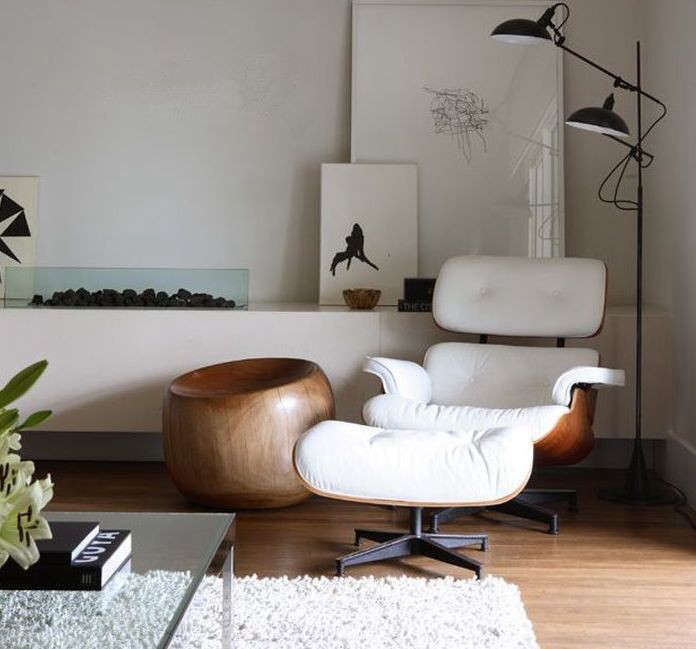
Some chairs are simply places to sit. Others enter the room with the confidence of a movie star who knows the lighting is flattering. The Eames Lounge Chair belongs firmly in the second category. Designed by Charles and Ray Eames and introduced in 1956, the chair has become one of the most recognizable pieces of mid-century modern furniture ever made. It is part sculpture, part engineering lesson, part comfort machine, and part cultural shorthand for “yes, this person owns design books.”
But the Eames Lounge Chair is not iconic merely because it looks good in a magazine spread. Its staying power comes from a rare mix of warmth, technical intelligence, material honesty, and emotional appeal. It takes the old idea of a gentleman’s club chairdeep, padded, protectiveand reimagines it through molded plywood, leather upholstery, die-cast aluminum, and a distinctly American sense of casual elegance. The result is a chair that seems equally at home in a Case Study House, a corner office, a filmmaker’s loft, or a living room where someone insists they bought it “for reading,” then mostly naps in it.
The Origin Story: Comfort Meets Modernism
The Eames Lounge Chair and Ottoman were created by Charles and Ray Eames, the husband-and-wife design team behind some of the most important furniture, films, exhibitions, toys, and architectural ideas of the twentieth century. Their work was never just about making attractive objects. It was about solving problems with curiosity, playfulness, and a deep respect for how people actually live.
Before the lounge chair arrived, the Eameses had already helped reshape modern furniture through molded plywood and molded plastic seating. Their earlier chairs were often designed to be practical, affordable, and adaptable. The lounge chair was different. It was intentionally luxurious. Instead of trying to make the least expensive good chair, Charles and Ray set out to make a deeply comfortable modern chair that still carried the intelligence of industrial production.
The famous design brief was wonderfully human: Charles Eames wanted the chair to have the “warm, receptive look of a well-used first baseman’s mitt.” That phrase explains the whole object better than a dozen museum labels. A baseball glove is structured but soft, shaped by use, protective without being stiff. The Eames Lounge Chair borrows that feeling and translates it into furniture. It is polished but not precious, refined but not cold, modern but not allergic to comfort.
Why the Eames Lounge Chair Was Different
Many modernist chairs look brilliant until you sit in them and realize they were possibly designed for people made of geometry. The Eames Lounge Chair avoided that trap. It brought comfort into modern design without surrendering to overstuffed bulk. Its three molded plywood shellsthe headrest, backrest, and seatcreate a sculptural frame. Thick cushions sit inside those shells like tailored pillows, giving the chair its inviting, sink-in appeal.
The ottoman is not an accessory tossed in as an afterthought. It completes the experience. The chair and ottoman together create a relaxed posture that supports reading, conversation, music listening, or the noble domestic sport of pretending not to fall asleep. The angle of the seat, the swivel base, and the placement of the cushions all work together to create an experience that feels casual but is carefully engineered.
This is one reason the chair continues to matter. It does not simply look like a design classic. It performs like one. A great object earns attention from a distance, then earns affection through use. The Eames Lounge Chair does both.
Materials: Plywood, Leather, Aluminum, and a Bit of Magic
The Eames Lounge Chair is a masterclass in material contrast. The molded plywood shells provide warmth and grain. The upholstery brings softness. The aluminum base adds a crisp industrial note. Rubber shock mounts help connect the pieces while allowing subtle flexibility. Stainless steel glides and carefully shaped hardware complete the composition.
Early versions used molded rosewood, which gave the chair a rich, dramatic appearance. Over time, available wood finishes changed as environmental concerns and production realities evolved. Contemporary authentic versions are offered in a range of veneers and upholstery options, allowing the design to fit different interiors while keeping its essential form intact.
The chair’s construction also reveals why it is expensive. This is not just a “chair-shaped object.” Authentic versions require skilled assembly, high-quality veneers, replaceable cushions, precise hardware, and careful finishing. Every visible curve has to feel effortless, which usually means a lot of invisible labor is hiding behind it. Good design often looks simple because the complicated parts have been politely asked to leave the room.
The Television Debut That Turned a Chair Into a Star
The Eames Lounge Chair made a memorable public debut in 1956 when Charles and Ray Eames presented it on the NBC television program “Home,” hosted by Arlene Francis. That appearance helped introduce the chair to a broad audience at a time when television was becoming a powerful cultural stage. In design terms, it was a launch moment before “launch moments” became a marketing department’s favorite phrase.
Its timing mattered. Postwar American life was changing. More people were thinking about modern homes, open plans, new materials, and relaxed domestic living. The Eames Lounge Chair spoke to that moment. It was modern but not severe. It suggested success without looking like a throne. It was sophisticated, yes, but it also said, “Take your shoes off and stay a while.”
Mid-Century Modern, Without the Museum Chill
The phrase “mid-century modern” is now used so often that it can describe everything from a landmark house to a suspiciously orange sideboard found online at 2 a.m. But the Eames Lounge Chair represents the term at its best. It combines clean lines, honest materials, functional form, and an optimistic belief that design can improve daily life.
Unlike some modern furniture that seems to demand an empty white room and perfect posture, the Eames Lounge Chair welcomes real living. It looks better with books nearby. It likes a side table. It can handle a wool throw. It does not panic in the presence of a dog, although the owner probably will. Its genius is that it can be both an art object and a favorite seat.
Charles and Ray Eames: A Partnership, Not a Solo Act
One of the most important object lessons here is that the chair came from a partnership. Charles Eames has often received more public attention, especially in older design histories, but Ray Eames was essential to the work of the Eames Office. Her background in abstract painting, composition, color, and visual judgment shaped the sensibility of their designs. The lounge chair’s balance of structure and softness reflects that shared intelligence.
The Eames Office was also collaborative by nature. It was a studio where furniture, film, graphics, exhibitions, and education overlapped. This matters because the lounge chair is not just a furniture object. It is part of a larger philosophy: design as communication, design as problem solving, design as delight. The chair explains itself without a manual. You see it, understand it, and want to sit down. That is not an accident. That is design doing its job.
How to Recognize the Real Thing
Because the Eames Lounge Chair is so famous, it has inspired a small universe of lookalikes. Some are honest homages; others are replicas wearing a fake mustache and hoping nobody asks difficult questions. For buyers, authenticity matters because the original design is tied to specific proportions, materials, licensing, and craftsmanship.
Authentic Eames Lounge Chairs in the United States are produced by Herman Miller. In Europe and the Middle East, Vitra is the authorized manufacturer. A genuine chair will usually have correct labeling, refined shell construction, high-quality upholstery, a properly designed base, and proportions that match authorized specifications. It should feel substantial but graceful, not oversized and clumsy.
One quick clue: the original design has a fixed reclining posture rather than a visible adjustable recliner mechanism. The comfort comes from the built-in angle, not from levers and gadgetry. If the chair looks as if it could transform into a dentist’s chair, proceed with caution.
Why Designers Still Study It
The Eames Lounge Chair remains a useful lesson because it solves multiple problems at once. It updates a traditional furniture type without mocking the past. It uses industrial techniques without feeling mechanical. It provides comfort without visual heaviness. It communicates luxury without gold trim, carved lions, or any other furniture behavior that might be described as “doing too much.”
For interior designers, the chair is also a lesson in visual anchoring. A room with an Eames Lounge Chair gains an immediate focal point. The chair’s low, angled profile creates a sense of calm. Its wood shells add warmth, while the leather or alternative upholstery adds texture. It pairs well with modernist architecture, but it can also create contrast in traditional spaces. Put it near a fireplace, a bookshelf, or a large window, and suddenly the room has a destination.
The Chair as a Cultural Symbol
Over the decades, the Eames Lounge Chair has appeared in films, television interiors, offices, design magazines, and carefully staged homes. It has become visual shorthand for taste, intellect, comfort, and success. That kind of fame can be dangerous for an object. Once something becomes iconic, people may stop seeing it clearly. It becomes a logo of itself.
Yet the Eames Lounge Chair survives its own celebrity because the design still works. Strip away the status, the auction prices, the Instagram corners, and the design-school reverence, and you are left with a very comfortable chair. That is the humble truth beneath the glamour. The object became famous because it was good, and it stayed famous because it remained useful.
Sustainability and the Modern Eames Lounge Chair
No design classic is frozen in time. Materials, production standards, and consumer values change. In recent years, Herman Miller has expanded options for the Eames Lounge Chair and Ottoman, including bamboo-based upholstery alternatives designed to reduce the material carbon footprint compared with traditional leather. This update reflects a larger question facing heritage furniture brands: how do you preserve an icon while adapting to contemporary expectations?
The answer is not to redesign the chair into something unrecognizable. The wiser path is to protect the essential form while improving material choices, repairability, and long-term use. A chair built to last for decades can already be more responsible than disposable furniture that collapses emotionally and structurally after one apartment move. The Eames Lounge Chair’s replaceable cushions and durable construction support that long-life philosophy.
Decorating With the Eames Lounge Chair
Let It Breathe
The Eames Lounge Chair does not need a crowded stage. Give it space around the sides and front so its silhouette can be appreciated. The curved plywood shells are part of the beauty, so avoid shoving the chair into a corner where it can only whisper, “I used to be famous.”
Balance It With Texture
Because the chair combines wood, leather or leather-like upholstery, and metal, it pairs well with natural textures. Wool rugs, linen curtains, ceramic lamps, woven baskets, and bookshelves can soften the room and keep the chair from looking like a showroom trophy.
Use It as a Reading Zone
The chair works beautifully in a reading corner. Add a floor lamp, a small side table, and enough space for the ottoman. The ottoman matters. Without it, the chair still looks handsome, but with it, the full lounging experience arrives like a well-timed weekend.
Is the Eames Lounge Chair Worth It?
Worth depends on what you value. If you only need something to sit on while scrolling through your phone, many chairs can complete that mission without asking for a serious financial commitment. But if you care about design history, craftsmanship, long-term durability, and daily comfort, the Eames Lounge Chair occupies a special category.
It is not merely furniture. It is a design object with a documented history, a strong resale market, museum recognition, and practical comfort. That combination is rare. Many beautiful chairs are uncomfortable. Many comfortable chairs are not beautiful. Many historically important chairs are better admired than used. The Eames Lounge Chair manages to be beautiful, comfortable, historically important, and usable. That is why it continues to hold attention nearly seven decades after its debut.
Object Lessons From the Eames Lounge Chair
The first lesson is that comfort and sophistication do not have to be enemies. The chair proves that a relaxed object can still be intelligent. The second lesson is that materials matter. Plywood, leather, aluminum, rubber, and steel are not hidden; they are celebrated. The third lesson is that good proportions age better than trends. The lounge chair has survived because its shape feels inevitable, not fashionable.
The fourth lesson is emotional. The best objects do more than function. They create rituals. The Eames Lounge Chair invites a certain kind of pause: reading after dinner, listening to jazz, taking a quiet call, staring out the window, or pretending to think deeply while actually deciding what to snack on. In a busy world, that invitation still feels luxurious.
Experience Notes: Living With the Idea of the Eames Lounge Chair
The Eames Lounge Chair changes the mood of a room before anyone sits in it. That is one of the first experiences people notice. It has presence, but not the loud, attention-hungry kind. It is more like a calm guest who arrives perfectly dressed and somehow makes everyone else sit up straighter. In a living room, it signals that comfort has been given a proper address. In a study, it suggests that reading is not a task but a ritual. In an office, it softens authority and adds a human note to all the straight lines and glowing screens.
Sitting in one is different from simply looking at one. The visual impression is crisp and composed, but the physical experience is relaxed. The chair tilts the body backward in a way that feels intentional rather than lazy. The ottoman encourages the legs to stretch out, which immediately turns “I will sit for five minutes” into “apparently I live here now.” The cushions do not swallow the sitter; they support. That distinction is important. Some lounge chairs feel like upholstered quicksand. The Eames Lounge Chair feels structured, generous, and civilized.
Another experience is the way the chair rewards slow looking. From the front, the leather or upholstery dominates. From the side, the plywood shells become the story. From the back, the chair is unexpectedly beautiful, which is a major reason designers love placing it in open rooms. Many chairs have a good face and a forgettable back. The Eames Lounge Chair is photogenic from nearly every angle, the furniture equivalent of someone who never has a bad passport photo.
In daily life, the chair also teaches restraint. It does not need a matching room full of mid-century pieces. In fact, too much matching can make a space feel like a museum gift shop with rent. The chair often looks best when paired with personal objects: a stack of worn books, a family photograph, a handmade ceramic cup, a slightly imperfect rug. These human details prevent the design from becoming sterile. The chair’s elegance can handle company.
There is also an emotional experience connected to aspiration. Many people encounter the Eames Lounge Chair long before they can afford one. They see it in a museum, a design store, a film set, or the corner of a beautifully photographed home. Over time, it becomes a symbol not just of wealth, but of taste, patience, and appreciation for objects that last. Whether someone buys an authentic vintage example, saves for a new one, or simply studies it as a design landmark, the chair offers a useful reminder: the best things in a home are not always the newest or flashiest. They are the objects that keep making life feel more considered.
Conclusion: Why This Chair Still Matters
The Eames Lounge Chair endures because it understands a simple but profound truth: people want beauty, but they also want to be comfortable. Charles and Ray Eames did not choose between those desires. They fused them. By combining molded plywood, luxurious upholstery, careful ergonomics, and a modern interpretation of the classic club chair, they created a piece that feels both historically specific and permanently fresh.
Its fame is deserved, but its usefulness is the real achievement. The chair is not an icon because people keep calling it one. It is an icon because it continues to do what great design should do: improve a moment, clarify a room, and make everyday life feel a little more thoughtful. That is the ultimate object lesson. A chair can be more than a chair. Sometimes, it can be an invitation to live betterwith your feet up, naturally.
SEO Metadata

