
Skincare
Moroccan Steamed Sheep’s Head Recipe
Jul
Moroccan steamed sheep’s head is not the kind of recipe that tiptoes into the kitchen wearing slippers. It enters with a drumroll, a cloud of cumin, and a very clear message: Moroccan cooking knows how to honor every part of the animal. Known in Morocco as ras el ghanam m’bakhkhar or simply steamed lamb head, this dish is deeply connected to Eid al-Adha, family gatherings, and the no-waste cooking wisdom that existed long before “nose-to-tail” became a trendy restaurant phrase.
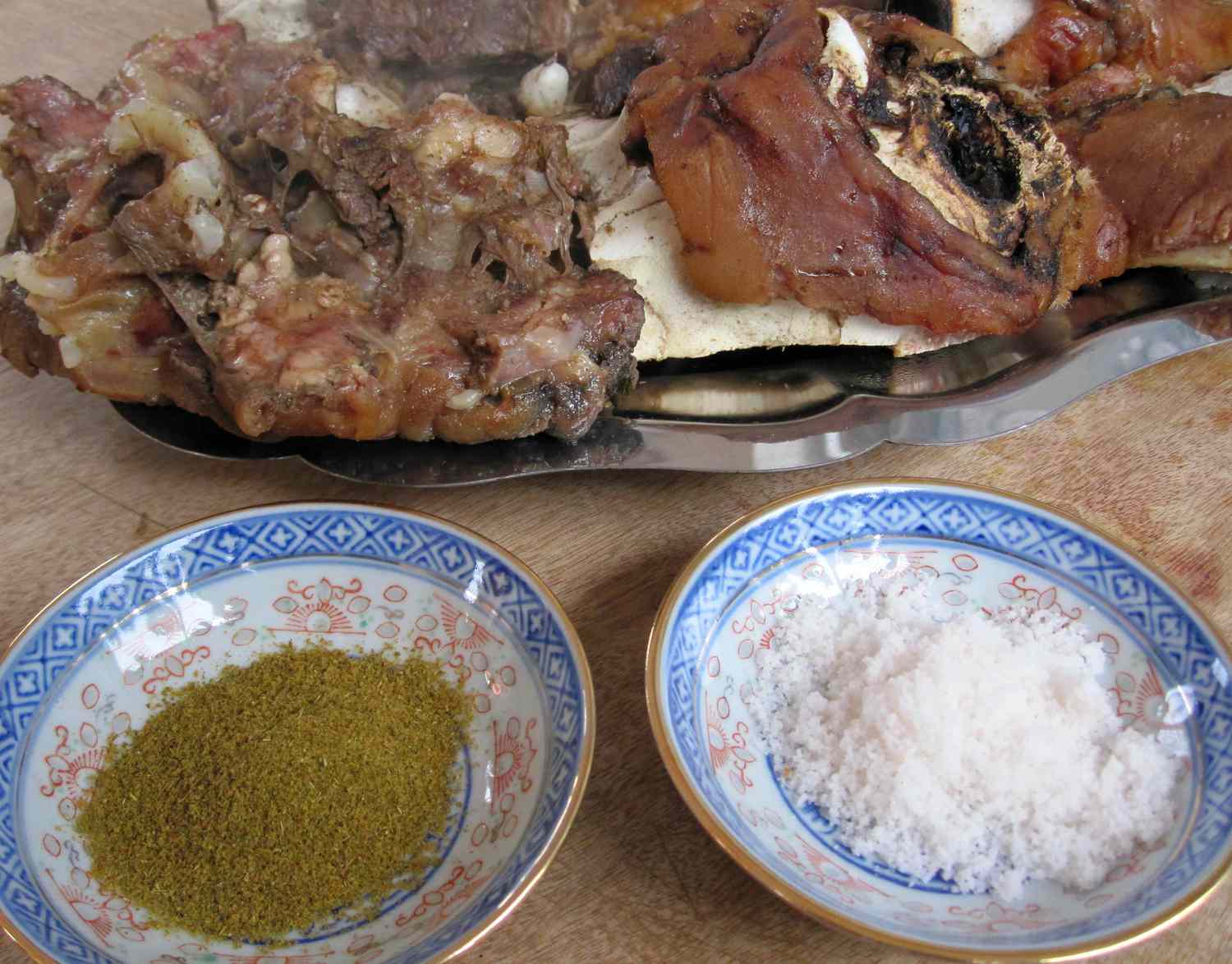
For some home cooks, the idea of preparing a sheep’s head may sound intimidating. Fair enough. It is not exactly Tuesday-night pasta. But when handled properly, steamed sheep’s head becomes tender, savory, aromatic, and surprisingly delicate. The cheeks are rich and soft, the tongue is meaty and satisfying, and the steamed meat absorbs the earthy perfume of cumin, onion, parsley, cilantro, and black pepper. Served with salt, cumin, hot pepper, Moroccan bread, and a pot of mint tea nearby, it becomes a dish that is less about shock value and more about tradition, patience, and flavor.
This Moroccan steamed sheep’s head recipe explains how to clean, season, steam, serve, and enjoy the dish in a practical American home kitchen while respecting its Moroccan roots. Bring your largest pot, your strongest appetite, and possibly one curious friend who keeps saying, “Are we really doing this?” Yes. We really are.
What Is Moroccan Steamed Sheep’s Head?
Moroccan steamed sheep’s head is a traditional dish made by cleaning and cutting a sheep or lamb head, seasoning it simply, and steaming it until the meat becomes tender enough to pull from the bone. The preparation is especially popular around Eid al-Adha, when Moroccan families traditionally prepare different parts of the sacrificial animal over several days. The head is often charred first to remove hair, scraped very clean, cut into pieces, and steamed with onion and herbs.
The seasoning is intentionally simple. Instead of burying the meat under a long list of spices, Moroccan cooks usually rely on salt, cumin, black pepper, onion, parsley, cilantro, and sometimes garlic or chili. This allows the natural flavor of lamb to remain the star. Cumin is essential because it cuts through richness, adds warmth, and gives the dish that unmistakable Moroccan personality. Think of cumin as the friend who arrives early, helps set the table, and somehow makes everyone more interesting.
Why This Recipe Matters in Moroccan Cooking
In Moroccan cuisine, food is rarely just food. It is memory, hospitality, religion, thrift, family, and a little bit of friendly debate over whose spice blend is better. Steamed sheep’s head reflects a culture that values the whole animal. Instead of focusing only on familiar cuts like chops or shoulder, Moroccan home cooks transform the head, feet, liver, stomach, and tail into festive dishes with distinctive textures and flavors.
During Eid al-Adha, families often prepare grilled liver skewers, slow-cooked lamb dishes, couscous with head meat, hergma made with trotters, and steamed sheep’s head. The head may be served as a shared platter, with everyone pulling tender pieces of meat and dipping them into bowls of cumin and salt. It is communal, hands-on, and very much not a “tiny plate with tweezers” situation.
Ingredients for Moroccan Steamed Sheep’s Head
Main Ingredients
- 1 sheep’s head or lamb head, cleaned and cut into 4 to 8 pieces
- 1 large onion, sliced or coarsely chopped
- 1 small bunch fresh parsley, tied with kitchen string
- 1 small bunch fresh cilantro, tied with kitchen string
- 4 garlic cloves, lightly crushed, optional
- 2 tablespoons kosher salt, divided
- 2 tablespoons ground cumin, divided
- 1 teaspoon black pepper
- 1 teaspoon paprika, optional
- 1 small dried chili or 1/2 teaspoon cayenne pepper, optional
- Water, enough for steaming but not touching the meat
For Serving
- Extra ground cumin
- Coarse salt
- Harissa or crushed red pepper
- Lemon wedges, optional
- Moroccan bread, flatbread, or crusty bread
- Steamed vegetables, optional
How to Choose and Prepare the Sheep’s Head
In the United States, sheep’s head may not be available at every supermarket, so check with a halal butcher, local lamb farm, specialty meat market, or international grocery store. Ask for a cleaned lamb or sheep head, preferably split or cut into manageable pieces. A lamb head is usually smaller and milder, while a mature sheep’s head has a stronger flavor and more pronounced richness.
If the head still has hair or wool, it must be charred and scraped thoroughly before cooking. Traditionally, this is done over coals or an open flame. In many American kitchens, the easier route is to ask the butcher to clean, scorch, scrape, and split it for you. This is not laziness. This is strategy. Also, your smoke alarm will thank you.
Once you bring it home, rinse the pieces under cold running water. Use a small knife to scrape away any remaining darkened skin, debris, or tiny bone fragments. Soak the pieces in cold salted water for 20 to 30 minutes, then rinse again and drain well. Cleanliness matters here, both for flavor and food safety.
Step-by-Step Moroccan Steamed Sheep’s Head Recipe
Step 1: Season the Meat
Place the cleaned sheep’s head pieces in a large bowl. Sprinkle with 1 tablespoon salt, 1 tablespoon cumin, black pepper, paprika if using, and cayenne if you like heat. Rub the seasoning into the meat, working it into the crevices. Add the sliced onion, garlic, parsley, and cilantro. Let the mixture rest for 20 to 30 minutes while you prepare the steamer.
Step 2: Set Up the Steamer
Use a couscoussier, large stockpot with a steamer insert, or pressure cooker fitted with a steaming basket. Add several inches of water to the bottom pot, making sure the water sits below the steamer basket. The goal is steam, not soup. Add any extra onion pieces or herb stems to the water for aroma.
Step 3: Arrange the Pieces
Place the seasoned sheep’s head pieces in the steamer basket. Put larger, tougher pieces on the bottom and smaller pieces on top. Scatter the onion and herbs over and around the meat. Cover tightly. If your lid is loose, wrap the rim with foil or a clean kitchen towel to trap steam more effectively.
Step 4: Steam Until Tender
Bring the water to a strong simmer, then reduce the heat to maintain steady steam. Steam for 2 1/2 to 4 hours, depending on the size and age of the animal. Check the water level every 45 minutes and add boiling water as needed. Do not let the pot run dry unless you enjoy the exciting aroma of culinary regret.
The meat is ready when the cheeks are very tender, the tongue can be pierced easily, and the meat pulls from the bone with little resistance. For food safety, lamb should reach a safe internal temperature, and longer steaming also helps tenderize the connective tissue.
Step 5: Rest and Serve
Transfer the steamed pieces to a large platter. Sprinkle lightly with more cumin and salt. Serve hot with small bowls of cumin, salt, harissa, and lemon wedges. Moroccan bread is ideal because it lets diners grab tender bites, mop up juices, and politely pretend they were not just fighting over the cheek meat.
Pressure Cooker Method
A pressure cooker can shorten the cooking time significantly. Place water in the bottom, keep the meat elevated on a steamer basket or trivet, and cook under pressure for about 60 to 90 minutes, depending on the size of the pieces. Allow the pressure to release naturally before opening. If the meat is not tender enough, return it to pressure for another 15 to 20 minutes.
The pressure cooker method is practical for modern kitchens, especially if you want traditional flavor without spending half the day guarding a steamer like a culinary lighthouse keeper. However, traditional slow steaming produces a slightly deeper aroma and a more gradual tenderness.
Flavor Variations
Classic Cumin and Salt
The most traditional version keeps things beautifully simple: salt, cumin, onion, and herbs. This is the best approach if you want the authentic flavor of Moroccan steamed sheep’s head.
Spicy Moroccan Style
Add cayenne pepper, dried chili, or harissa to the seasoning rub. Serve with extra chili paste on the side. The heat balances the richness of the meat and wakes up the palate.
Garlic-Herb Version
Add crushed garlic, extra cilantro, parsley, and a splash of olive oil before steaming. This version is aromatic and friendly for cooks who want a slightly brighter flavor.
Vegetable Steamed Version
Add carrots, potatoes, turnips, or onions to the steamer during the final hour. The vegetables absorb the lamb aroma and become a rustic side dish. Keep them large so they do not collapse into mush.
What Does Steamed Sheep’s Head Taste Like?
The flavor is rich, savory, and unmistakably lamb-like, but the different parts offer different experiences. The cheek meat is tender, juicy, and prized for good reason. The tongue is firm yet silky when cooked properly. Small bits around the jaw and skull have intense flavor because they sit close to bone and connective tissue. The brain, when included and handled safely, is soft and creamy, though not everyone chooses to eat it.
If you enjoy lamb shanks, slow-cooked shoulder, or bone-in stews, you may appreciate this dish more than you expect. If you dislike lamb entirely, this recipe will not magically transform you into a lamb poet. It is honest food, bold food, and definitely not shy food.
Serving Ideas
Moroccan steamed sheep’s head is usually served hot and simply. Place the meat on a large platter and let everyone choose their favorite pieces. On the side, offer cumin, salt, harissa, lemon, and plenty of bread. A fresh tomato and cucumber salad adds brightness. Steamed carrots or potatoes add comfort. Mint tea completes the meal and helps balance the richness.
You can also pull the tender meat from the bones and serve it over couscous, fold it into flatbread, or add it to a simple broth with chickpeas. Leftover meat can be chopped and warmed with onion, cumin, paprika, and a splash of stock for a quick skillet meal.
Food Safety Tips
Because sheep’s head includes bone, skin, tongue, and sometimes brain, careful handling is important. Buy from a trusted butcher. Keep the meat refrigerated until cooking. Wash hands, knives, boards, and counters after contact with raw lamb. Do not cross-contaminate salads, bread, or cooked foods with raw meat juices.
Steam the meat thoroughly until it is tender and safely cooked. Refrigerate leftovers within two hours, store them in airtight containers, and eat within three to four days. Reheat until steaming hot. Traditional food can still follow modern food-safety rules. Grandma may have cooked by instinct, but Grandma also did not have your refrigerator full of oat milk, takeout containers, and mystery sauces.
Common Mistakes to Avoid
Not Cleaning the Head Well Enough
Any remaining hair, soot, or debris can create unpleasant flavors. Rinse, scrape, soak, and rinse again. When in doubt, clean it one more time.
Letting the Pot Run Dry
Steaming takes time. Check the water level regularly and add boiling water as needed. Cold water can slow the cooking process.
Underseasoning
Sheep’s head is rich, so it needs confident seasoning. Cumin and salt are not decorations; they are the backbone of the dish.
Serving It Lukewarm
This dish is best served hot. As it cools, the fat firms up and the texture becomes less appealing.
My Experience With Moroccan Steamed Sheep’s Head
The first time you make Moroccan steamed sheep’s head, the kitchen becomes unusually quiet. Not because the recipe is difficult, but because everyone is trying to act normal around the large pot containing, yes, a head. This is completely understandable. Most people are used to meat arriving as tidy chops, boneless cubes, or shrink-wrapped steaks. A sheep’s head is a reminder that meat comes from an animal, not from a foam tray fairy.
What surprised me most about this dish was not its appearance but its aroma. Once the steam began rising with onion, cilantro, parsley, and cumin, the kitchen smelled deeply Moroccan: warm, earthy, savory, and festive. The cumin did what cumin always does in Moroccan cooking. It made itself useful without shouting. The onion softened into sweetness, the herbs perfumed the steam, and the lamb slowly relaxed into tenderness.
The second surprise was the texture. I expected the meat to be tough or overly strong, but the cheek meat was soft and luxurious, almost like slow-braised short rib. The tongue had a firmer bite, similar to other well-cooked tongue dishes, and it took beautifully to salt and cumin. The small pieces near the bone were the most intense, the kind of bites that make people pause, nod, and then quietly reach for another piece before anyone notices.
This recipe also changes the mood of a meal. You cannot serve steamed sheep’s head and expect people to eat in distracted silence while scrolling their phones. The dish demands conversation. Someone asks which piece is best. Someone else claims the cheek. A brave guest tries the tongue and then pretends they were never nervous. Bread moves around the table. Bowls of cumin and salt get passed back and forth. The meal becomes interactive, rustic, and memorable.
Another lesson is that Moroccan steamed sheep’s head rewards patience. You cannot rush tenderness. The steam needs time to work through skin, bone, cartilage, and meat. The pot needs watching. The water needs replenishing. The cook needs faith. This is not fast food; it is slow food with a very expressive face.
For American home cooks, the biggest hurdle is sourcing and preparation. A good butcher makes all the difference. Ask questions. Request the head cleaned, split, and ready for cooking. If you are new to organ meats or head-to-tail cooking, start with a lamb head rather than a larger sheep’s head. The flavor is usually milder, the size is more manageable, and the cooking feels less like a kitchen engineering project.
Would I make Moroccan steamed sheep’s head for a casual weeknight dinner? Probably not, unless Tuesday has become unusually dramatic. But for a cultural cooking project, Eid-inspired feast, adventurous dinner party, or deep dive into Moroccan cuisine, it is unforgettable. It teaches respect for ingredients, patience in cooking, and the beauty of simple seasoning. It also teaches that the best bite on the table is sometimes the one you were nervous to try.
Conclusion
Moroccan steamed sheep’s head is a bold, traditional, and deeply meaningful recipe that showcases the heart of Moroccan home cooking. It is practical, respectful, flavorful, and festive. With careful cleaning, simple seasoning, steady steaming, and the classic pairing of cumin and salt, this dish turns an overlooked cut into a memorable centerpiece.
Whether you are exploring Moroccan Eid al-Adha recipes, learning nose-to-tail cooking, or simply looking for a dish that will make your dinner table impossible to forget, steamed sheep’s head deserves attention. It may not be everyday cooking, but it is honest cooking. And when the cheek meat falls tenderly from the bone, even the skeptics tend to get very quietfor the best possible reason.
SEO Tags

