
Hair Care
Moroccan Cedar Cutting Boards
May
Moroccan cedar cutting boards have a way of making a kitchen look instantly more thoughtful. Place one on the counter and suddenly your cheese, bread, olives, figs, and “I definitely did not eat half the baguette before guests arrived” energy all seem curated. These boards are loved for their warm wood tone, rustic character, fragrant surface, and artisan feel. They are not just kitchen tools; they are small pieces of functional décor with a story.
But before you start chopping onions with the enthusiasm of a cooking-show finalist, it is worth understanding what Moroccan cedar boards do best. Cedar is aromatic, beautiful, and often softer than traditional hardwood cutting-board materials like maple, walnut, cherry, teak, or acacia. That means Moroccan cedar cutting boards are excellent for serving, light slicing, bread, fruit, cheese, and table presentation. For heavy daily chopping, especially raw meat prep, a harder, easier-to-sanitize workhorse board may be the better choice.
This guide explains what Moroccan cedar cutting boards are, why people love them, how to use them safely, how to care for them, and how to choose one that belongs in your kitchen rather than in the “pretty but confusing things I bought online at midnight” category.
What Are Moroccan Cedar Cutting Boards?
Moroccan cedar cutting boards are typically wooden kitchen boards associated with Moroccan cedar, Moroccan craft style, or cedar wood sourced or shaped in a North African design tradition. They are often described as fragrant, handmade, rustic, and suitable for both kitchen use and tabletop serving. Some versions have organic shapes, trapezoid silhouettes, rounded edges, visible grain, or a simple hand-finished look that feels more soulful than a perfectly rectangular factory board.
The phrase “Moroccan cedar” can be used in a few ways. It may refer to cedar connected to Morocco’s Atlas region, to Moroccan-made cedar objects, or to cedar-style boards marketed for their North African aesthetic. Because wood naming can get loose in the home-goods world, smart buyers should ask about the exact species, finish, and food-contact suitability before purchasing.
Why Moroccan Cedar Boards Are So Appealing
They Look Warm, Natural, and Effortless
The visual appeal is obvious. Moroccan cedar boards bring texture to a kitchen. Their warm brown tones, natural grain, and handmade shapes make them ideal for open shelving, farmhouse kitchens, Mediterranean interiors, boho spaces, and modern homes that need something less shiny than stainless steel. They look like they were discovered in a sunlit market rather than added to cart during a snack break.
They Are Great for Serving
A Moroccan cedar board shines as a serving board. Use it for bread, hard cheeses, dried fruit, olives, nuts, pastries, flatbreads, citrus slices, dates, or a casual mezze spread. The board itself becomes part of the presentation. Instead of putting crackers on a plain plate and calling it “hosting,” you get a layered, relaxed, very “yes, I own linen napkins” effect.
They Have a Distinctive Aroma
Cedar is known for its fragrance. That scent is part of its charm, especially when the board is used for dry foods or display. However, aroma can be a double-edged spatula. Strongly scented wood may transfer a slight flavor or smell to delicate foods, especially soft cheeses, butter, or sliced fruit left sitting too long. For some people, that is charming. For others, it is dinner with a surprise forest note.
Are Moroccan Cedar Cutting Boards Food-Safe?
They can be food-safe when made from appropriate wood, finished with a food-safe treatment, kept smooth, cleaned properly, and used for suitable foods. The key phrase is “when made and maintained properly.” A cutting board should have a smooth, cleanable surface, should not shed splinters, should not be heavily cracked, and should not be finished with unknown varnishes, stains, or decorative coatings that are not intended for food contact.
For home use, wood cutting boards are common and acceptable when cleaned well. Food-safety guidance generally recommends washing cutting boards with hot, soapy water after use, rinsing them, drying them thoroughly, and replacing boards that develop deep grooves or cracks that are difficult to clean. Separate boards for raw meat and ready-to-eat foods are also strongly recommended.
In practical terms, a Moroccan cedar board is best treated as a light-prep and serving board unless the maker clearly states that it is designed for heavy cutting. Use it for bread, fruit, cheese, herbs, and presentation. For raw chicken, fish, and meat, use a dedicated board that can be sanitized thoroughly and retired when it becomes deeply scarred.
Cedar vs. Hardwood: What Makes It Different?
Most premium cutting boards are made from hardwoods such as maple, walnut, cherry, beech, teak, or acacia. These woods are popular because they balance durability, knife-friendliness, density, and moisture resistance. Cedar, by contrast, is generally softer and more aromatic. That makes it beautiful and pleasant to handle, but it also means it can show knife marks more quickly.
A softer board is not automatically bad. In fact, a board that is gentle on knives can be useful. The tradeoff is that deep cuts can trap moisture and food residue if the board is not maintained. Cedar may also be more prone to dents, scratches, and edge wear than denser hardwood boards. If your cooking style involves cleavers, squash, and dramatic chopping, cedar may politely resign from duty.
Best Uses for Moroccan Cedar Cutting Boards
1. Cheese and Charcuterie Boards
Moroccan cedar boards are excellent for cheese service. Pair aged cheddar, manchego, goat cheese, almonds, apricots, honeycomb, crackers, and grapes for a board that looks elegant without requiring tweezers or culinary school. Keep soft cheeses on parchment if you are worried about aroma transfer or oil staining.
2. Bread Boards
Bread is one of the best foods for cedar boards. Slice baguettes, sourdough, pita, or Moroccan-style flatbread on the board and serve directly from it. Bread is relatively dry, so it is less likely to create sanitation headaches than raw proteins or juicy ingredients.
3. Fruit Displays
Figs, dates, oranges, pears, apples, and grapes look gorgeous against cedar. For very juicy fruits, use a small plate or parchment layer to reduce staining and moisture exposure.
4. Light Herb Prep
Need to chop mint for tea, parsley for a salad, or cilantro for tacos? A cedar board can handle occasional light herb work. Just wash and dry it promptly afterward, because wet herbs can leave green marks and lingering aromas.
5. Kitchen Styling
Some boards are honestly better at looking good than surviving a week of meal prep. That is not an insult. A beautiful Moroccan cedar board leaning against a backsplash can warm up a kitchen instantly. Stack it with other boards in different shapes for a collected, designer look.
What Not to Do With a Moroccan Cedar Board
Do not soak it in the sink. Do not run it through the dishwasher unless the maker explicitly says it is dishwasher-safe, which is uncommon for wood. Do not use it as a trivet for screaming-hot pans. Do not leave lemon juice, tomato, raw meat juices, or wet cheese on it overnight. Do not attack it with harsh cleaners, steel wool, or the emotional intensity of someone cleaning after a dinner party at 1 a.m.
Also avoid using unknown vintage or decorative cedar boards for direct food contact unless you know the finish is food-safe. Some decorative boards may be sealed, stained, painted, or treated for display rather than eating. They may look charming, but charm is not a food-safety certification.
How to Clean Moroccan Cedar Cutting Boards
Daily Cleaning
After use, wipe away crumbs and food residue. Wash the board by hand with warm water, mild dish soap, and a soft sponge or cloth. Rinse quickly, then dry immediately with a clean towel. Stand the board upright so air can circulate around both sides.
Odor Control
If the board picks up garlic, onion, or cheese odors, sprinkle coarse salt or baking soda on the surface and gently rub with half a lemon. Rinse lightly and dry thoroughly. Use this method occasionally, not obsessively, because too much acid and moisture can dry the wood.
Sanitizing
For boards used with foods that require extra caution, sanitize according to recognized food-safety methods. A diluted unscented bleach solution is commonly recommended for cutting boards, followed by rinsing and thorough drying. However, repeated sanitizing can be hard on wood, which is another reason to keep Moroccan cedar boards for lower-risk foods and use a dedicated board for raw animal proteins.
How to Oil and Maintain the Board
Wood needs moisture balance. Too much water causes swelling, warping, or cracking. Too little conditioning causes dryness and roughness. The solution is simple: food-grade mineral oil or a board cream made for cutting boards.
Apply a thin coat of food-grade mineral oil to the clean, dry board. Rub it in with a soft cloth, covering the front, back, sides, and edges. Let it absorb for several hours or overnight, then wipe away any excess. If the board looks dull, pale, or thirsty, it probably wants oil. If it feels greasy, you used too much. Congratulations, your board is not a salad.
A beeswax-and-mineral-oil board cream can add extra protection by creating a light moisture barrier. This is especially helpful for boards that are used often or displayed in dry indoor air. Avoid vegetable oils such as olive oil, corn oil, or nut oils because they can become rancid over time.
How to Choose a Good Moroccan Cedar Cutting Board
Check the Finish
Look for a board finished with food-safe mineral oil, beeswax, or another food-contact-safe finish. Avoid boards with glossy mystery coatings unless the seller confirms they are safe for food use.
Inspect the Surface
The board should feel smooth, not splintery. Edges should be comfortable to hold. Natural knots and grain are normal, but deep cracks are not ideal for food prep because they are harder to clean.
Ask About the Wood
Because “cedar” can describe many different woods, ask for the species or origin when possible. If sustainability matters to you, ask whether the wood was legally sourced, reclaimed, or responsibly harvested. Atlas cedar has ecological importance in North Africa, so provenance matters.
Choose the Right Size
Small boards are great for lemons, cheese, or bar snacks. Medium boards work well for bread and casual serving. Large boards make dramatic charcuterie displays but need more storage space. Be honest about your kitchen. A giant board is glamorous until it blocks the toaster, the coffee maker, and your will to cook.
Think About Shape
One of the pleasures of Moroccan cedar boards is their unusual shape. Trapezoids, rounded rectangles, paddle shapes, and organic edges all add character. If you plan to use the board mainly for serving, choose the shape that makes your table look best. If you plan to cut on it, choose something stable and flat.
Moroccan Cedar Cutting Boards as Décor
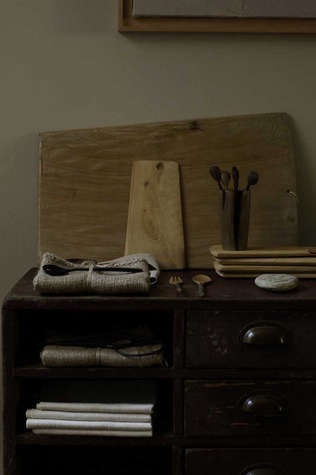
These boards are especially popular in kitchens where tools are part of the design. A Moroccan cedar board can soften white cabinets, marble counters, concrete floors, or stainless appliances. It pairs well with ceramic bowls, linen towels, brass hardware, terracotta, woven baskets, and hand-thrown dishes.
For display, lean one or two boards vertically against the backsplash. Layer different heights and shapes to create depth. Add a small bowl of citrus or garlic nearby and suddenly your kitchen looks like someone might casually make preserved lemons on a Sunday afternoon. Whether you actually do is between you and the lemons.
Are They Worth Buying?
Moroccan cedar cutting boards are worth buying if you want a beautiful, aromatic, artisan-style board for serving and light kitchen use. They are less ideal if you need one rugged board for everything from raw chicken to winter squash. Think of them as the charming dinner guest rather than the construction worker of your cutting-board collection.
A practical kitchen may include both: a durable everyday hardwood or nonporous board for serious prep, plus a Moroccan cedar board for bread, cheese, fruit, and presentation. That combination gives you safety, function, and style without forcing one board to do every job.
Experience-Based Notes: Living With Moroccan Cedar Cutting Boards
The first thing you notice about a Moroccan cedar cutting board is not the shape or even the color. It is the scent. There is a gentle woody fragrance that makes the board feel different from a standard maple or plastic cutting board. Set it on the counter and it gives the kitchen a warmer mood immediately, like someone opened a window near a cedar grove and then decided to serve cheese.
In everyday use, the best role for this board is presentation. It turns simple foods into something that feels intentional. A sliced baguette looks better. A wedge of cheese looks like it has a passport. Dates, almonds, olives, and orange slices suddenly feel like a small Moroccan-inspired spread, even if dinner is actually soup from the freezer. That is the magic of a good serving board: it makes low-effort food look socially acceptable.
For cutting, the experience is more delicate. A knife feels soft against cedar, which can be pleasant, but you quickly understand why harder woods dominate serious cutting boards. Press too firmly and marks appear. Chop aggressively and the board will remember. This is not necessarily a flaw; it is a reminder to use the board for the right tasks. Gentle slicing, bread service, fruit trimming, and cheese portioning are perfect. Breaking down a chicken is not.
Cleaning teaches another lesson. Moroccan cedar rewards quick care. Wash it, dry it, stand it upright, and it stays handsome. Leave it wet and it becomes dramatic. Wood does not enjoy being treated like a dinner plate, and cedar especially prefers a calmer life. A light coat of mineral oil every few weeks keeps the surface from looking pale or rough. The transformation after oiling is satisfying: the grain deepens, the color warms, and the board looks refreshed, like it just returned from a tiny spa vacation.
The aroma can influence how you use it. Dry foods work beautifully. Bread, crackers, nuts, and dried fruit are easy wins. Strong cheeses are usually fine, but very mild cheeses can pick up a whisper of cedar if left too long. This is not unpleasant for everyone, but it is noticeable. A piece of parchment solves the problem while keeping the visual effect intact.
As a hosting piece, the board earns its keep. Guests notice it. It photographs well. It brings texture to the table without looking overly polished. It also encourages a more relaxed serving style: a little bread here, olives there, fruit in the corner, cheese in the middle, and suddenly people are gathering around the board instead of waiting for a formal appetizer. That casual abundance is exactly where Moroccan cedar boards feel at home.
The best experience comes from treating the board as both useful and special. Do not save it forever in a cabinet, but do not abuse it either. Let it serve beautiful things. Let it collect small marks from good meals. Oil it when it looks dry. Keep it away from the dishwasher. Over time, a Moroccan cedar cutting board can become one of those kitchen objects that feels personal: not flawless, but full of use, warmth, and quiet charm.
Conclusion
Moroccan cedar cutting boards are beautiful, fragrant, and wonderfully suited to serving bread, cheese, fruit, and casual mezze-style spreads. They bring warmth and character to the kitchen while doubling as functional décor. The key is using them wisely. Cedar is generally softer and more aromatic than classic hardwood cutting-board materials, so it is best for light prep and presentation rather than heavy chopping or raw meat work.
Choose a smooth, food-safe board from a trustworthy seller, clean it by hand, dry it promptly, and maintain it with food-grade mineral oil or board cream. With the right care, a Moroccan cedar cutting board can become more than a kitchen accessory. It can become the board you reach for when you want food to feel a little more beautiful, a little more relaxed, and maybe just a little more interesting than another plate from the cabinet.
Note: This body-only HTML article is written for web publishing and excludes unnecessary citation placeholders or source-code explanations.

