
Body Care
Modern Maritime: Skeppsholmen Hotel in Stockholm
May
Some hotels shout for attention. Hotel Skeppsholmen in Stockholm does something far more Swedish: it raises one elegant eyebrow, pours you coffee, and lets the harbor do the talking. Set on the leafy island of Skeppsholmen, this boutique hotel blends maritime history, Scandinavian design, and city-center convenience without behaving like a hotel that needs a neon sign to prove it exists.
The title “Modern Maritime” fits because Hotel Skeppsholmen is not a themed hotel with rope décor and decorative anchors lurking in every corner. Its nautical identity is deeper, calmer, and more authentic. The property occupies two long historic buildings dating back to 1699, originally connected to Sweden’s naval past. Today, those centuries-old structures have been thoughtfully transformed into a 78-room design hotel where soft colors, clean lines, historic fabric, and Stockholm’s watery skyline meet in a quietly luxurious handshake.
For travelers searching for a boutique hotel in Stockholm, a design hotel in Sweden, or a peaceful place to stay near Gamla Stan, Hotel Skeppsholmen offers a rare combination: central location, island serenity, heritage architecture, modern comfort, and easy access to some of the city’s best museums. In other words, it is close enough to the action that you can be spontaneous, yet far enough from it that your sleep does not require diplomatic negotiations with nightlife.
A Historic Island Hideaway in the Middle of Stockholm
Skeppsholmen is one of Stockholm’s most charming contradictions. It sits in the center of the city, yet it feels like a private pause button. Cross the bridge from the mainland, and the rhythm changes almost instantly. Traffic softens, water appears on both sides, and the skyline opens into a cinematic mix of church towers, museum roofs, ferries, sailboats, and palace silhouettes.
This island has long been associated with ships, naval life, culture, and creativity. Today, it is home to Moderna Museet, ArkDes, the Museum of Far Eastern Antiquities, waterfront walking paths, historic buildings, and quiet green pockets where visitors can sit and pretend they are starring in a Nordic lifestyle magazine. Hotel Skeppsholmen fits into this landscape naturally because it does not try to dominate the island. Instead, it behaves like a respectful guest who also happens to have excellent taste in furniture.
The hotel’s location is especially valuable for travelers who want to explore Stockholm on foot. Gamla Stan, the city’s old town, is within comfortable walking distance. Ferries connect nearby waterfront areas. Cultural attractions sit practically next door. Yet the island itself remains relaxed, more whisper than megaphone. That balance is one of the hotel’s strongest selling points.
From Naval Barracks to Boutique Design Hotel
The story of Hotel Skeppsholmen begins long before check-in apps, rainfall showers, or the phrase “locally sourced breakfast” became hospitality poetry. The two long buildings that form the hotel were built in 1699 and are tied to Sweden’s Royal Marines under King Charles XII. Over time, they became part of Stockholm’s protected architectural heritage, which means any modern transformation required care, patience, and a very respectful relationship with old walls.
The restoration was led with a philosophy that feels both practical and poetic: preserve the soul, modernize the experience. Instead of bulldozing history into a generic luxury box, the designers worked with the buildings’ proportions, corridors, windows, staircases, and materials. The result is not a museum where you are afraid to touch anything. It is a living hotel where history provides character, not inconvenience.
Inside, the atmosphere is minimalist but not cold. There are pale tones, clean shapes, warm wood, and a sense of visual calm that makes the hotel feel deeply Scandinavian. The historic envelope gives the spaces weight, while the interiors bring lightness. It is the kind of design that looks effortless, which usually means a great many people worked very hard to make it seem that way.
Scandinavian Design Without the Showboating
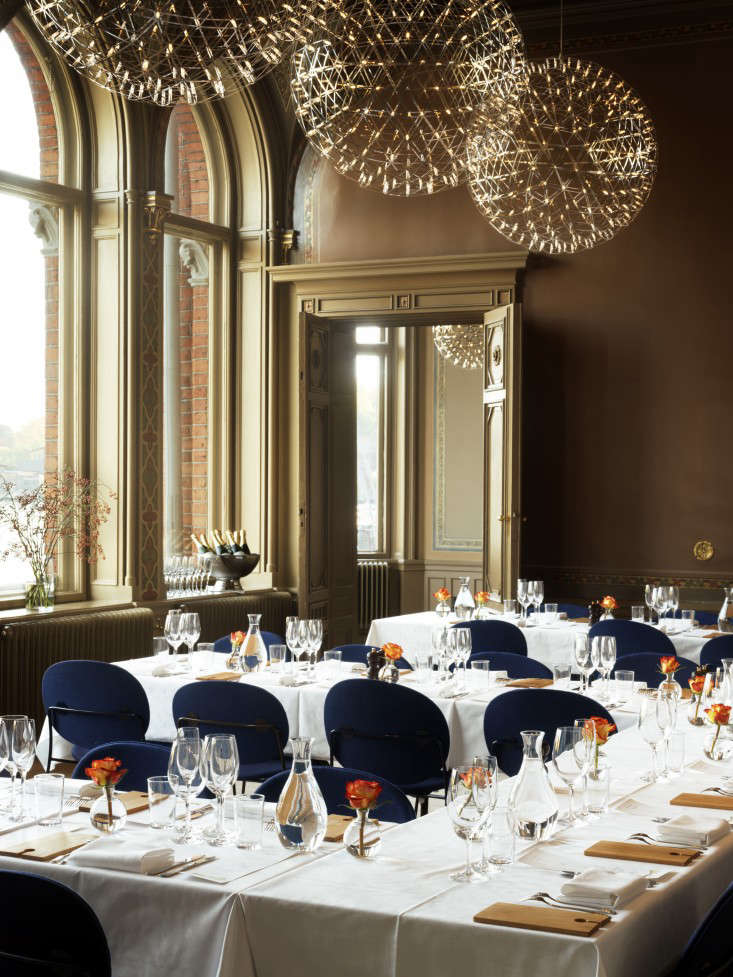
Hotel Skeppsholmen’s interiors are often associated with Swedish design studio Claesson Koivisto Rune, whose approach respects the old buildings while creating a contemporary guest experience. The design language avoids theatrical luxury. No gold-plated drama. No lobby chandelier large enough to have its own postal code. Instead, the mood is restrained, tactile, and confident.
Rooms typically use soft shades, natural materials, and simple forms. Many spaces feel bright and calming, helped by generous windows and the island setting. Bathrooms bring modern functionality into the historic shell, while beds and linens focus on comfort rather than decorative fuss. The best rooms are not about excess; they are about balance. You notice the quiet, the light, the proportions, and the way everything seems to have been chosen for a reason.
This makes the hotel especially appealing to travelers who appreciate design but do not want to sleep inside a showroom. The spaces feel curated, yet usable. Sophisticated, yet friendly. Stylish, but not allergic to real life. You can arrive with museum tickets, a laptop, a toddler, or a suitcase that somehow gained three pounds between airports, and the hotel still feels welcoming.
Rooms and Suites: Calm, Compact, and Character-Rich
Hotel Skeppsholmen offers a range of rooms and suites, including standard rooms, superior rooms, sea and garden view categories, junior suites, and the Officer’s Suite. The room names reflect the hotel’s balance of heritage and modern hospitality. This is not a mega-resort where every corridor looks cloned by a committee. Because the buildings are historic, rooms can vary in layout and personality, which adds to the charm.
Guests should expect a design-forward stay rather than oversized resort-style accommodations. In Stockholm, where historic buildings and central locations often come with architectural constraints, smart layout matters more than raw square footage. At Hotel Skeppsholmen, the appeal lies in the combination of calm interiors, thoughtful amenities, and the rare pleasure of staying on an island while still being in the city center.
For couples, the hotel offers a romantic but understated mood. For solo travelers, it provides quiet and safety without isolation. For business travelers, the setting can make work feel less punishing. For families, the island location gives children space to walk and explore while keeping major attractions accessible. Basically, it is the kind of hotel that makes different types of travelers say, “This was a good idea,” which is the highest form of vacation diplomacy.
Långa Raden: Swedish Food With a Sense of Place
A hotel this rooted in place needs a restaurant that understands where it is. Långa Raden, Hotel Skeppsholmen’s restaurant, focuses on Swedish culinary traditions with a modern, seasonal approach. The dining room is cozy rather than flashy, and the food leans into familiar Nordic flavors, quality ingredients, and relaxed hospitality.
The restaurant’s appeal is that it is not only for guests. It has the feel of a local gathering place, where Stockholmers, travelers, meeting guests, and museum wanderers can overlap. Breakfast may include breads, eggs, coffee, tea, cold cuts, and other morning staples, while lunch and dinner often draw from Swedish home cooking and seasonal produce. The hotel also highlights ingredients sourced locally and, when possible, from its own garden.
This matters because food is one of the easiest ways for a hotel to become either memorable or completely forgettable. At Långa Raden, the food supports the wider experience: simple, well-made, grounded in Swedish tradition, and relaxed enough that nobody needs to whisper the word “fork.”
Why Skeppsholmen Is Perfect for Culture Lovers
One of the strongest reasons to stay at Hotel Skeppsholmen is its proximity to culture. Moderna Museet, Stockholm’s major modern and contemporary art museum, is a short walk away. ArkDes, Sweden’s national center for architecture and design, is nearby as well. The Museum of Far Eastern Antiquities is also on the island, overlooking the harbor and the Royal Palace.
This creates an unusually rich neighborhood for travelers who want more than shopping and selfies. You can begin the morning with breakfast at the hotel, spend late morning with modern art, cross into architecture and design after lunch, then walk along the water before dinner. That is a full cultural itinerary without the subway gymnastics that sometimes turn city breaks into urban obstacle courses.
The island’s cultural identity also deepens the hotel’s design story. Skeppsholmen is not just pretty scenery; it is a place where Stockholm’s maritime past, artistic present, and design-minded future sit side by side. Hotel Skeppsholmen becomes a natural base for exploring that layered identity.
The Maritime Mood: Water, Light, and Quiet Drama
Stockholm is built across islands, and water is not a background feature here. It is the city’s personality. At Hotel Skeppsholmen, the maritime atmosphere is especially strong because the hotel is surrounded by harbors, ferries, bridges, and waterfront promenades. You can walk outside and immediately understand why Stockholm is often described as one of Europe’s most beautiful capitals.
The best moments may be the simplest. Morning light over the water. Boats sliding past without hurry. The view toward Gamla Stan. A walk across Skeppsholmsbron. The soft sound of wind in the trees. None of this requires an itinerary. In fact, the island rewards travelers who leave a little white space in the schedule.
That is the genius of Hotel Skeppsholmen: it gives visitors access to Stockholm without forcing them into the constant motion of the city. It is maritime, but not kitschy. Modern, but not sterile. Historic, but not dusty. Calm, but never boring.
Who Should Stay at Hotel Skeppsholmen?
Design Travelers
If you care about interiors, architecture, and the way a space makes you feel, Hotel Skeppsholmen belongs on your Stockholm shortlist. The renovation respects the heritage of the buildings while delivering modern comfort. It is ideal for travelers who appreciate restraint, material quality, and thoughtful details.
Couples
The island setting gives the hotel a romantic quality without leaning into cliché. There are no rose petals required. A quiet walk by the water, dinner at Långa Raden, and a room in a 17th-century building do the job perfectly well.
Culture Seekers
With Moderna Museet, ArkDes, and the Museum of Far Eastern Antiquities nearby, the hotel is excellent for travelers who plan their days around exhibitions, galleries, design shops, and long conversations about whether a chair can be emotionally moving. In Sweden, the answer is often yes.
Business Travelers
The hotel offers meeting spaces and a central location, but its peaceful setting makes it more appealing than a standard business hotel. After a long day, walking back to a quiet island feels like a reward for surviving your inbox.
Slow Travelers
If your idea of travel includes wandering, observing, eating well, and not turning every hour into a productivity challenge, Skeppsholmen is a gift. The hotel encourages a slower rhythm, which may be the most luxurious thing of all.
Practical Travel Tips for Staying at Hotel Skeppsholmen
Book early if you are traveling during peak summer, major events, or popular holiday periods. Stockholm’s best boutique hotels can fill quickly, especially those with distinctive locations. If views matter to you, compare sea and garden view categories carefully before reserving.
Pack comfortable walking shoes. Skeppsholmen is made for strolling, and much of central Stockholm is best enjoyed on foot. Bring layers, even in warmer months, because waterfront weather can change its mind faster than a traveler choosing between cardamom buns and cinnamon buns.
Plan at least one unstructured morning on the island. Many visitors over-schedule Stockholm because there is so much to see. But Hotel Skeppsholmen works best when you allow time for breakfast, a harbor walk, museum browsing, and a coffee break that accidentally lasts longer than planned.
Use the hotel as a base for both classic and contemporary Stockholm. Gamla Stan offers medieval streets and royal history. Östermalm provides shopping and polished city energy. Djurgården has major museums and family attractions. Södermalm brings cafés, vintage shops, viewpoints, and nightlife. Skeppsholmen sits gracefully between these worlds.
Modern Maritime Style: Why the Hotel Feels So Stockholm
Hotel Skeppsholmen succeeds because it expresses Stockholm rather than merely occupying it. The city itself is a blend of water, design, history, restraint, practicality, and beauty. The hotel reflects all of that. It does not import a generic luxury identity; it translates its surroundings into hospitality.
The maritime element comes from the island, the buildings, the harbor, and the naval past. The modern element comes from the interiors, the service style, and the updated guest experience. The result is a hotel that feels specific. You could not easily move it to another city and have it make the same sense.
This sense of belonging is what makes great boutique hotels memorable. Travelers may forget the exact thread count or the brand of the bathroom fixtures, but they remember how a place felt. Hotel Skeppsholmen feels calm, intelligent, historic, and quietly cool. It is the hotel equivalent of someone who knows excellent restaurants but does not need to announce it at dinner.
Conclusion: A Quiet Luxury Hotel With a Strong Sense of Place
Hotel Skeppsholmen is one of Stockholm’s most compelling stays for travelers who want more than a convenient bed. It offers history without heaviness, design without arrogance, and central access without urban overload. Its 1699 buildings, island location, Swedish interiors, and cultural surroundings create a hotel experience that feels both deeply rooted and refreshingly modern.
For anyone searching for a modern maritime hotel in Stockholm, a boutique hotel near Gamla Stan, or a Scandinavian design hotel with genuine character, Hotel Skeppsholmen is an easy recommendation. It is peaceful but not remote, stylish but not stiff, historic but not trapped in the past. In a city famous for water and design, it manages to honor both beautifully.
Extended Experience Guide: Living the Modern Maritime Mood at Skeppsholmen
The best way to experience Hotel Skeppsholmen is to treat it not simply as accommodation, but as the beginning of a Stockholm rhythm. Wake up slowly. Open the curtains. Notice how the light changes across the water. If the weather is crisp, congratulations: you have received the authentic Nordic atmosphere package at no extra charge.
Start with breakfast at Långa Raden and give yourself permission not to rush. Stockholm rewards early explorers, but Skeppsholmen rewards attentive ones. A good morning here might include coffee, bread, eggs, fruit, and a second cup of coffee because you are on an island and adulthood should occasionally have benefits. After breakfast, walk outside and follow the water. The island path offers views toward Djurgården, Gamla Stan, and the broader harbor, making it a gentle introduction to the city’s geography.
For a culture-focused day, begin at Moderna Museet. Even travelers who do not usually plan vacations around art museums may find the setting persuasive. The museum’s modern and contemporary collections, changing exhibitions, and waterfront context make it more than a rainy-day backup plan. Nearby ArkDes adds a strong architecture and design layer, ideal for visitors interested in Swedish functionalism, urban planning, interiors, and the design principles that make Scandinavian spaces feel so calm and annoyingly good-looking.
After a museum visit, return to the hotel for a pause rather than charging immediately into the next attraction. This is where staying on Skeppsholmen makes a difference. In many city hotels, a midday break feels like retreating into a traffic sandwich. Here, it feels like stepping into a quieter chapter. Read in your room, sit outside if the season allows, or take a short walk with no purpose except enjoying the harbor. Purpose is overrated; good views are not.
In the afternoon, cross toward Gamla Stan for historic streets, royal landmarks, and cafés tucked into old buildings. The contrast is satisfying: medieval lanes on one side, modern maritime calm on the other. Later, return to Skeppsholmen as the light softens. Stockholm evenings can feel especially cinematic from the water, with boats moving through the harbor and the city glowing in layers.
Dinner at Långa Raden completes the experience neatly. Choose Swedish flavors, seasonal dishes, and something that matches the mood of the island. The restaurant works because it does not try too hard. It feels relaxed, local, and connected to the building. After dinner, skip the taxi for a moment and walk outside. The city is there, sparkling across the water, but the island remains calm. That small distance is the magic.
For couples, this experience can become a romantic Stockholm weekend without forced drama. For solo travelers, it offers clarity and comfort. For design lovers, every detail becomes part of the story: the old corridors, soft palettes, restrained furniture, garden views, and maritime setting. For first-time visitors, the hotel provides an elegant base that makes Stockholm feel understandable. For returning travelers, it reveals a quieter side of the city that is easy to miss when staying in busier districts.
The true luxury of Hotel Skeppsholmen is not extravagance. It is atmosphere. It is waking up in a historic building, walking beside the harbor, seeing world-class art before lunch, eating Swedish food in a relaxed dining room, and ending the day somewhere that feels removed from the noise but never disconnected from the city. That is modern maritime Stockholm at its best: composed, beautiful, useful, and just a little smug in the way only truly well-designed places can be.
Note: This article is written for web publication in original American English, based on verified public information about Hotel Skeppsholmen, Skeppsholmen island, Stockholm cultural attractions, and the hotel’s design and dining concept.

