
Skincare
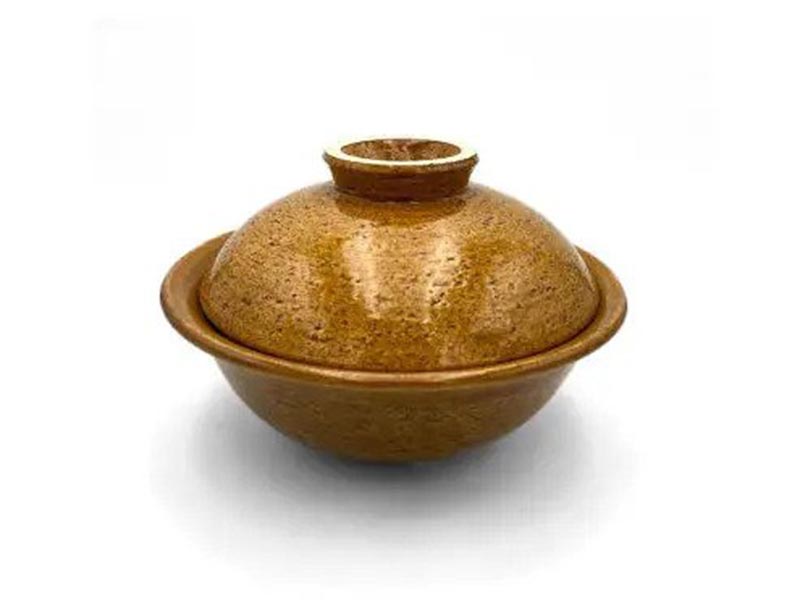
Mini Donabe Steamer
Jun
A Mini Donabe Steamer looks like the kind of kitchen tool that politely whispers, “I am small, but I have plans.” At first glance, it is compact, charming, and almost too pretty to use. Then you put it on the stove, let the steam rise, and suddenly this little Japanese clay pot becomes the MVP of dinner. Vegetables taste brighter. Tofu turns silky. Fish cooks gently instead of getting bullied by a frying pan. Dumplings come out soft, hot, and smugly restaurant-adjacent.
In a world full of oversized gadgets that need apps, passwords, and emotional support, the mini donabe is refreshingly simple. It is a traditional Japanese earthenware vessel designed for small-batch steaming, simmering, soups, noodles, and tabletop serving. The “mini” part makes it especially useful for solo meals, small kitchens, quick lunches, and anyone who wants a cozy cooking ritual without committing to a giant pot of food.
This guide explains what a mini donabe steamer is, how it works, what to cook in it, how to choose one, and how to care for it so it does not crack, sulk, or retire early. Think of it as a love letter to tiny cookware with unusually big flavor energy.
What Is a Mini Donabe Steamer?
A donabe is a Japanese clay pot traditionally used for hot pot, rice, soups, stews, and other comforting meals. The word “donabe” literally refers to an earthenware pot, and many high-quality versions are made from heat-resistant clay. A mini donabe steamer takes that classic idea and shrinks it into a personal-size vessel, usually paired with a removable ceramic steam grate.
The result is a compact cooking system that can steam ingredients above water, simmer broth without the grate, and go straight from stove to table. Some models can also double as a serving bowl, which is excellent news for anyone who believes fewer dishes equals a better life.
Why the Steam Grate Matters
The steam grate is the little platform that turns the donabe from “cute bowl with a lid” into a working steamer. You add water to the bottom, set the grate inside, heat the pot, and place ingredients on top. Steam circulates around the food, cooking it gently and evenly while helping preserve texture and moisture.
This makes the mini donabe especially good for ingredients that do not appreciate aggressive heat. Broccoli stays crisp-tender. Mushrooms become juicy. Dumplings heat through without drying out. Fish cooks softly, which is basically the culinary equivalent of being tucked into a warm blanket.
Why Mini Donabe Steamers Are Becoming So Popular
The appeal of a mini donabe steamer comes from a mix of practicality, beauty, and quiet kitchen drama. It is not just cookware; it is part cooking vessel, part serving piece, and part mood-setting device. When a lidded clay pot arrives at the table with steam escaping from the edges, dinner instantly feels more intentional.
It Is Perfect for One-Person Meals
Many kitchen tools are built for families, dinner parties, or people who apparently meal-prep for a football team. A mini donabe steamer is different. It is designed for single servings or small portions, making it ideal for students, apartment dwellers, busy professionals, and anyone who wants a real meal without creating leftovers that stare accusingly from the fridge.
It Encourages Healthier Cooking Without Being Annoying About It
Steaming requires little or no added oil, yet it can produce deeply satisfying food when paired with good sauces, dashi, soy sauce, ponzu, sesame dressing, miso, ginger, scallions, or chili crisp. The mini donabe does not lecture you about wellness. It simply makes vegetables and proteins taste good enough that you willingly eat them.
It Looks Good on the Table
Unlike some cookware that should remain hidden from guests and possibly from sunlight, a donabe is meant to be seen. Its rustic clay texture, rounded shape, and simple lid make it feel warm and handmade. You can serve directly from it, which keeps food hot longer and adds a small ceremony to ordinary meals.
How a Mini Donabe Steamer Works
A mini donabe steamer works by combining the heat-retaining qualities of clay with trapped steam. Clay warms gradually, holds heat well, and creates a gentle cooking environment. When the lid is closed, steam circulates inside the pot, surrounding the ingredients rather than blasting them from one direction.
Basic steaming is simple:
- Add water to the base of the donabe.
- Place the steam grate inside.
- Cover with the lid and bring the water to a boil.
- Add ingredients carefully once steam is active.
- Cover again and cook until done.
The exact water level and heating method depend on the model, so always follow the manufacturer’s instructions. Some donabe steamers are made for gas stovetops only, while certain mini models may also be safe for microwave or oven use. Do not assume compatibility. Clay cookware is charming, not magically indestructible.
Best Foods to Cook in a Mini Donabe Steamer
The mini donabe steamer shines with foods that benefit from moist heat and gentle cooking. It is not trying to replace every pan in your kitchen. It is trying to be extremely good at cozy, delicate, small-batch meals.
Vegetables
Asparagus, broccoli, baby bok choy, napa cabbage, carrots, sweet potato slices, kabocha squash, green beans, and mushrooms all work beautifully. The trick is cutting dense vegetables smaller so they cook at the same pace as tender ones. A mix of mushrooms, cabbage, and carrots with ponzu sauce can become a five-minute side dish that tastes far more thoughtful than the effort involved.
Tofu
Silken tofu warms gently in a donabe steamer and pairs well with grated ginger, scallions, soy sauce, sesame oil, or a light dashi-based sauce. Firm tofu can also be steamed with mushrooms and greens for a protein-rich meal that feels clean but not boring.
Fish and Seafood
Small fillets of salmon, cod, halibut, or sea bass steam nicely in a mini donabe. Add ginger, scallion, a splash of sake, or a few lemon slices for aroma. Shrimp and scallops also cook quickly, though they require attention because seafood can go from tender to rubbery faster than a group chat changes topics.
Dumplings and Dim Sum
Frozen dumplings, shumai, and small buns are excellent candidates. The donabe’s compact size makes it convenient for a small snack or lunch. Use parchment, cabbage leaves, or lettuce under sticky items if needed to prevent them from clinging to the grate like they signed a long-term lease.
Noodles, Soup, and Mini Hot Pot
Remove the steam grate and the mini donabe becomes a small soup pot. You can make miso soup, ramen, soba, udon, rice porridge, or a personal hot pot with broth, greens, mushrooms, tofu, seafood, or thinly sliced meat. It is especially satisfying in cold weather, rainy weather, or emotionally dramatic weather, which can happen indoors too.
Mini Donabe Steamer vs. Bamboo Steamer
A bamboo steamer is lightweight, affordable, and excellent for dumplings, buns, fish, and vegetables. It stacks easily and brings its own traditional charm. A mini donabe steamer, however, offers a different experience. It holds heat, serves beautifully at the table, and can often be used without the grate for soups and simmered dishes.
The bamboo steamer is the efficient specialist. The mini donabe is the cozy multitasker. If your goal is large batches of dumplings, bamboo wins. If your goal is a personal meal that goes from stove to table in one handsome pot, the mini donabe makes a strong case.
Mini Donabe Steamer vs. Metal Steamer Basket
A metal steamer basket is cheap, practical, and easy to store. It gets the job done. But it does not bring much atmosphere unless your idea of atmosphere is “collapsible stainless steel flower.” A mini donabe steamer offers better table presence and a more complete cooking-and-serving experience.
That said, metal baskets are less fragile and usually dishwasher-safe. Donabe requires more care. You trade convenience for texture, heat retention, and style. In other words, the donabe is not the lowest-maintenance friend, but it is the one who brings homemade broth when you are tired.
How to Choose the Best Mini Donabe Steamer
Before buying a mini donabe steamer, consider how you cook, what stove you have, and whether you want it mainly for steaming, soup, or both.
Check the Size and Capacity
Mini donabe steamers are usually designed for one serving or small side dishes. This is perfect for solo meals but not ideal if you regularly cook for four people. Look at the diameter, height, and capacity before buying. A very small pot is adorable, but if it cannot fit your lunch, it becomes a decorative emotional support bowl.
Confirm Stovetop Compatibility
Many traditional donabe pots are best suited for gas stovetops. Some are not compatible with electric or induction cooktops unless specifically designed for them. If you use induction, read the product page carefully. Do not guess. Guessing with clay cookware is how kitchen tragedies begin.
Look for a Removable Ceramic Grate
A removable grate gives you flexibility. With the grate, you can steam vegetables, seafood, dumplings, and tofu. Without it, you can simmer soup, noodles, stew, or hot pot. Some sets include tongs for lifting the hot grate, which is a small but very welcome detail.
Review Oven and Microwave Safety
Some mini donabe products may be oven-safe or microwave-safe, while others are not. Always follow the specific instructions for your model. “It looks sturdy” is not a safety rating. Neither is “my cousin tried it once.”
How to Season and Care for a Donabe
Many clay donabe pots need seasoning before first use. A common method is cooking rice porridge or starchy water in the pot. The starch helps seal tiny pores in the clay and prepares the surface for cooking. However, not every donabe requires the same treatment, so the instruction sheet should always be your first authority.
Basic Care Tips
- Let the donabe cool before washing.
- Avoid sudden temperature changes.
- Do not place a hot donabe on a cold or wet surface.
- Use mild cleaning methods and avoid long soaking unless the manufacturer allows it.
- Dry it completely before storing.
- Do not deep-fry in a donabe.
Clay cookware rewards patience. Heat it gradually, clean it gently, and store it dry. Treat it like a kitchen heirloom, even if you bought it last Tuesday.
Common Mistakes to Avoid
Using High Heat Too Aggressively
Some donabe steamers can handle strong heat, but clay still benefits from gradual heating. Follow the recommended heat setting. If you blast it like a wok, you may shorten its life or create cracks.
Letting It Boil Dry
When steaming, make sure there is enough water in the base. A dry pot over heat can damage the clay or scorch food. The mini size means water can evaporate faster than you expect.
Ignoring Manufacturer Instructions
Not all donabe pots are identical. Some can be heated empty; others cannot. Some are oven-safe; others are stovetop-only. Some are microwave-safe; others should never meet a microwave unless they are passing each other in a hallway.
Simple Mini Donabe Meal Ideas
Ginger Fish and Bok Choy
Add water to the base, steam bok choy for a few minutes, then add a small fish fillet with ginger and scallions. Finish with soy sauce and a tiny drizzle of sesame oil. Serve with rice.
Mushroom Tofu Steam Bowl
Steam tofu, shiitake mushrooms, napa cabbage, and carrots. Add ponzu, grated daikon, or miso-sesame sauce. It is light, savory, and deeply comforting.
Mini Dumpling Lunch
Steam six to eight frozen dumplings over cabbage leaves. Serve with soy sauce, rice vinegar, chili oil, and scallions. This is the kind of lunch that makes leftovers feel unnecessary.
One-Pot Udon
Remove the grate and simmer dashi, soy sauce, mirin, mushrooms, greens, and udon noodles. Add tofu, egg, or seafood if desired. Eat directly from the pot after it cools slightly.
Who Should Buy a Mini Donabe Steamer?
A mini donabe steamer is best for people who enjoy small, thoughtful meals and do not mind caring for clay cookware. It is excellent for solo cooks, Japanese food lovers, tiny-apartment chefs, healthy eaters, and anyone who wants to make weeknight food feel calmer and more beautiful.
It may not be the best choice for someone who wants dishwasher-safe cookware, cooks large portions every day, or uses only induction without checking compatibility. It is also not ideal for impatient cooks who believe every burner has two settings: off and volcano.
Real-Life Experience: Cooking With a Mini Donabe Steamer
The first thing you notice when using a mini donabe steamer is that it changes the pace of cooking. Not dramatically, and not in a “move to the mountains and write poetry” way. It simply asks you to slow down for a few minutes. You add water, set the grate, close the lid, and wait for steam. That short pause makes dinner feel less like a task and more like a ritual.
One of the easiest first meals is steamed vegetables with tofu. Slice carrots thinly, add mushrooms, tuck in a few pieces of tofu, and let the steam do the work. The vegetables come out tender but not tired. The tofu warms through without falling apart. Add ponzu and scallions, and suddenly you have a meal that tastes clean, warm, and complete. It is not flashy, but it is the kind of food that makes your body quietly say, “Thank you for not feeding me chips over the sink again.”
Dumplings are another confidence-building dish. Frozen dumplings go into the donabe looking like backup dinner and come out like you had a plan all along. The lid traps steam efficiently, and the clay keeps everything hot at the table. If you line the grate with cabbage leaves, cleanup becomes easier and the cabbage absorbs a little dumpling flavor, which feels like a bonus prize.
Fish is where the mini donabe starts showing off. A small fillet with ginger, scallion, and a splash of sake can cook gently in minutes. Unlike pan-searing, steaming does not demand flipping, poking, or nervous hovering. You lift the lid carefully, the steam clears, and the fish is soft and fragrant. Add rice and a quick cucumber salad, and the meal looks far more impressive than the effort involved.
The mini size also helps with portion control in a natural way. You cook what fits. That sounds obvious, but it matters. Instead of making too much food and negotiating with leftovers for three days, you prepare one satisfying serving. It is especially useful for lunch, late dinner, or nights when you want something warm but not heavy.
There is also a small emotional benefit: the mini donabe makes ordinary ingredients feel special. A few mushrooms, half a block of tofu, leftover greens, and a simple broth can become a personal hot pot. The pot sits on the table like it has been waiting for this moment. You eat slowly because the food stays hot. You pay attention because the steam smells good. It is a tiny reminder that convenience and care do not have to be enemies.
The learning curve is mostly about heat and water. Add enough water so the pot does not run dry. Avoid sudden temperature changes. Let the clay cool before washing. Dry it fully. Once those habits become automatic, using the mini donabe feels easy. It may not replace your skillet, saucepan, rice cooker, or sheet pan, but it earns its spot by doing something different: turning small meals into cozy events.
Final Thoughts
The Mini Donabe Steamer is a small Japanese clay pot with a surprisingly wide range. It can steam vegetables, tofu, seafood, and dumplings; simmer noodles and soup; serve food beautifully at the table; and make solo cooking feel less like a compromise. Its charm is not just in what it cooks, but in how it cooks: gently, warmly, and with a little ceremony.
For the right cook, it is more than a steamer. It is a compact kitchen ritual, a serving bowl, a comfort-food machine, and a quiet reminder that dinner does not have to be complicated to feel special. Just respect the clay, follow the care instructions, and do not ask it to deep-fry anything. Even tiny legends have boundaries.

