
Makeup
Men Share 30 Annoying Things They Experience Because Of Their Gender
Jun
Being a man comes with certain perks, sure. Pockets that can hold a sandwich. Usually shorter bathroom lines. The social freedom to wear the same hoodie for seven winters and call it “broken in.” But it also comes with a long list of expectations that nobody signed, laminated, or agreed to during orientation.
Across everyday conversations, workplace stories, parenting forums, dating complaints, and mental health research, many men describe the same quiet irritation: people assume they are tough, unemotional, financially responsible, physically capable, romantically confident, technically handy, and somehow born knowing how to grill meat in a thunderstorm. When they do not fit those assumptions, the world often reacts like a printer that has seen an unsupported file type.
This article explores 30 annoying things men experience because of their gender. It is not a contest over who has it harder. Women, nonbinary people, and transgender people face serious gender-based pressures too. The point here is more specific: male stereotypes can be restrictive, lonely, awkward, and sometimes harmful. Many of them look small from the outside, but they add up like unread emails from a store you bought socks from once in 2018.
Why Male Gender Expectations Still Matter
Modern American culture has changed dramatically, but many ideas about masculinity remain stubborn. Men are still often expected to be providers, protectors, initiators, problem-solvers, emotional shock absorbers, and human furniture movers. If a man is gentle, anxious, nurturing, short, broke, shy, stylish, uninterested in sports, or simply tired, people may treat him as if he forgot to download the latest masculinity update.
These expectations can affect relationships, parenting, work, health, friendships, education, and personal identity. Sometimes the result is comedy. Sometimes it is stress. Often, it is both. A man may laugh about being asked to open every jar in the house, but he may not laugh as much when he feels unable to ask for emotional support, take paternity leave, report abuse, or admit he is struggling.
30 Annoying Things Men Experience Because Of Their Gender
1. Being Expected to Be the Provider No Matter What
Many men still feel judged by their income before anyone learns their values, humor, kindness, or ability to assemble furniture without starting a family argument. The provider role can be meaningful when chosen freely, but exhausting when treated as a requirement. Losing a job, earning less than a partner, or needing financial help can feel like a personal failure rather than a normal life event.
2. Being Told to “Man Up” Instead of Being Asked What Is Wrong
Few phrases have done more emotional damage while pretending to be motivational. “Man up” usually means suppress the feeling, hide the fear, swallow the pain, and return to productivity. It teaches boys and men that vulnerability is defective, when in reality, naming a problem is often the first step toward solving it.
3. Having Their Mental Health Minimized
Men often report feeling that sadness, anxiety, grief, or burnout will be seen as weakness. Some learn to translate emotional pain into irritability, overwork, silence, drinking, or jokes. The joke may be funny. The isolation underneath it is not.
4. Being Expected to Make the First Move
Dating culture still often assumes men should approach, text first, plan the date, risk rejection, pay the bill, and then somehow be confident but not arrogant, persistent but not pushy, charming but not rehearsed. That is a narrow tightrope, and the rope is apparently suspended over a pit of screenshots.
5. Being Treated as Suspicious Around Children
Many fathers, uncles, teachers, coaches, and caregivers describe feeling watched when they are simply being kind to children. A mother at the playground is often seen as nurturing. A man at the playground may feel he has to prove he belongs there. That suspicion hurts good men and reinforces the false idea that caregiving is not masculine.
6. Getting Applauded for Basic Parenting
On the opposite side, men sometimes get treated like heroes for doing ordinary parenting tasks. A dad taking his child grocery shopping may hear, “Giving Mom a break?” as if he is a substitute teacher in his own family. Praise can feel nice, but the low bar is insulting.
7. Being Expected to Know How to Fix Everything
A leaky sink, a dead car battery, a mysterious Wi-Fi outage, a shelf that came with 427 screws and one drawing of a smiling hex keymany men are expected to handle it all. Some do. Some do not. Not every man is born with a socket wrench in one hand and a YouTube tutorial in the other.
8. Having Their Friendships Mocked for Being Emotionally Close
Male friendship can be deep, loyal, and life-saving. Yet men are often teased if they openly express affection for friends. They may say “bro” 14 times to make a sincere statement sound less sincere. The result is a culture where some men care deeply but communicate like encrypted walkie-talkies.
9. Being Told Their Body Should Be Tall, Strong, and Muscular
Male body image pressure is real. Men may be judged for being short, thin, soft, bald, too hairy, not hairy enough, or not shaped like an action figure designed by a protein powder company. The pressure to look strong can become especially difficult because it is often disguised as “fitness motivation.”
10. Being Expected to Handle Physical Danger
If there is a strange noise downstairs, a bug the size of a postage stamp, or a sketchy walk to the parking lot, men are often expected to go first. Protectiveness can be honorable, but automatic disposability is not. Men can be scared too, even if they have been socially trained to call fear “being alert.”
11. Being Shamed for Not Wanting to Fight
Some men grow up hearing that real men defend themselves physically. In adulthood, this can become absurd. A man who walks away from conflict may be called weak, even though avoiding violence is usually the smarter, safer, and more legally convenient option.
12. Having Pain Dismissed as Something They Should Endure
Men are often expected to push through injuries, illness, exhaustion, and stress. This creates a strange contradiction: society mocks men for not going to the doctor, but also teaches them from childhood not to complain. That is like hiding the fire extinguisher and then criticizing someone for not using it.
13. Being Expected to Pay
Many couples happily split expenses or make arrangements that work for them. Still, the old rule that men should pay for dates, trips, repairs, gifts, and emergencies remains powerful. The issue is not generosity. The issue is when generosity becomes a gender invoice.
14. Being Seen as Emotionally Simple
Men are often portrayed as having three settings: hungry, angry, and asleep. In real life, men experience complicated emotions, but many are not encouraged to develop the vocabulary for them. The result can be emotional traffic jams where everything exits through sarcasm.
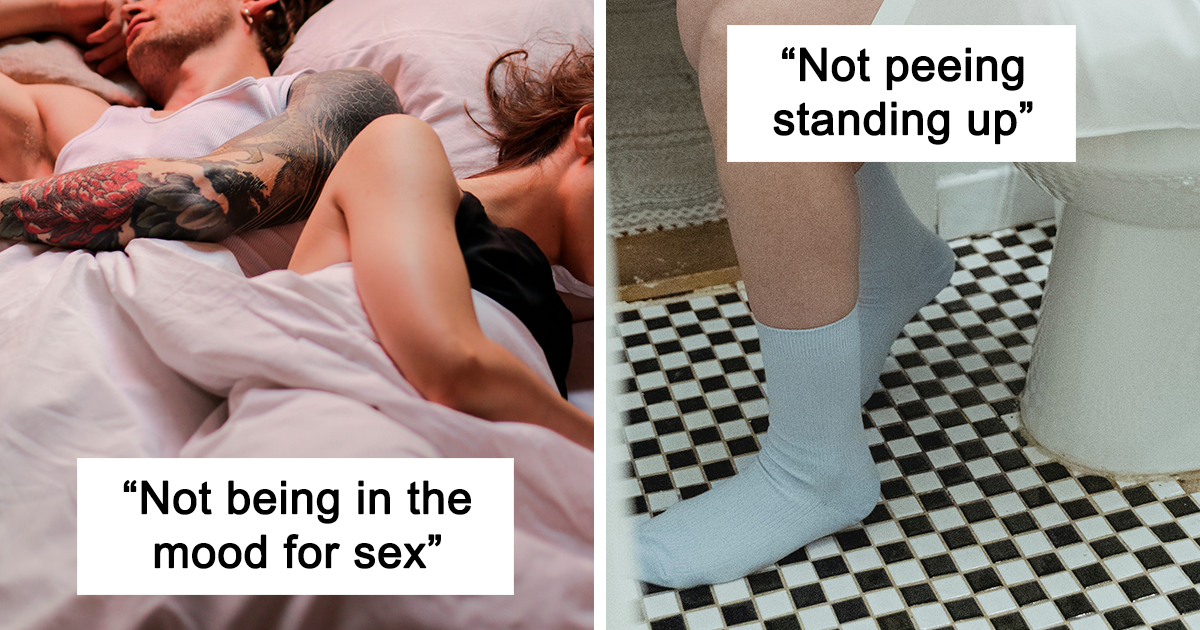
15. Being Assumed to Want Sex All the Time
This stereotype harms everyone. It pressures men to perform desire even when they are tired, anxious, grieving, uninterested, or uncomfortable. It can also make male victims of coercion or abuse feel invisible because people assume men always welcome sexual attention.
16. Being Ridiculed for Hobbies Considered “Unmanly”
A man who likes baking, skincare, poetry, fashion, gardening, dance, romance novels, or elaborate scented candles may face jokes about his masculinity. This is tragic, especially because banana bread and moisturized skin are not threats to civilization.
17. Being Expected to Be Naturally Confident
Confidence is treated as a male default setting, but many men feel shy, uncertain, socially anxious, or awkward. They may avoid admitting it because confidence is often linked to attractiveness, leadership, and respect. So they fake it, sweat quietly, and hope nobody asks a follow-up question.
18. Being Treated Like Their Problems Are Less Serious
Some men hesitate to talk about loneliness, family stress, workplace pressure, or relationship pain because they worry the response will be, “You’ll be fine.” Maybe they will be fine. But “fine” is not support; it is a verbal shrug wearing a tiny hat.
19. Being Pushed Toward Risky Jobs
Men make up a large share of workers in dangerous fields such as construction, transportation, agriculture, extraction, and maintenance. These jobs are essential and often honorable, but cultural expectations around toughness and physical labor can normalize risk in ways that deserve more attention.
20. Being Expected to Carry Heavy Things
Every office move, family trip, or apartment relocation eventually produces the sentence, “Can you grab the heavy one?” Sometimes the man can. Sometimes his back sends a memo saying, “Absolutely not.” Strength should be appreciated, not automatically assigned.
21. Being Judged for Earning Less Than a Partner
As more couples share or reverse traditional income roles, some men still feel embarrassed when their partner earns more. The awkwardness does not come from the paycheck itself. It comes from the outdated belief that a man’s worth is printed on a direct deposit statement.
22. Being Mocked for Caring About Appearance
Men are told to look good but not to try too hard. Have style, but not too much style. Use skincare, but do not talk about it. Own a nice shirt, but pretend it magically appeared. This is why many men describe their grooming routine as “soap” even when there are six bottles involved.
23. Being Expected to Suppress Fear
Fear is a normal human emotion, but men are often rewarded for hiding it. They may be afraid of failure, rejection, illness, violence, aging, fatherhood, or being alone. Pretending fear does not exist does not make it disappear. It just gives it a basement apartment.
24. Being Seen as Less Nurturing
Men who are gentle caregivers sometimes have to overcome assumptions that they are less patient, less emotionally available, or less naturally suited to nurturing roles. That stereotype hurts fathers, male nurses, teachers, therapists, and any man who has ever successfully calmed a crying baby through the ancient art of walking in circles.
25. Being Expected to Be Good at Sports
Not every man follows football, understands basketball strategy, or can throw a ball without apologizing to nearby architecture. Yet sports knowledge is often treated as basic male literacy. For some men, the Super Bowl is less a sporting event and more an annual exam they forgot to study for.
26. Being Pressured to Hide Loneliness
Male loneliness is often quiet because men may not have been taught to maintain emotionally open friendships. They might have friends for gaming, work, sports, or memes, but fewer people they can call at midnight and say, “I am not doing okay.” That gap matters.
27. Being Expected to Be the Calm One in a Crisis
When something goes wrong, men are often expected to stay composed, make decisions, carry bags, check the car, talk to authorities, and reassure everyone. Leadership can be admirable, but constant emotional containment gets heavy. Even the calm person needs someone to ask if he is okay.
28. Being Treated Like They Cannot Be Victims
Men can experience domestic violence, sexual assault, stalking, harassment, coercion, and emotional abuse. Yet male victims may fear they will be laughed at, doubted, or told they should have prevented it. That disbelief can keep men silent and unsafe.
29. Being Shamed for Needing Help
Asking for directions, therapy, financial advice, parenting support, or medical care should be normal. Instead, many men learn that needing help is embarrassing. Independence is useful. Isolation is not. Nobody gets a trophy for suffering with poor Wi-Fi and untreated back pain.
30. Being Put Into a Box Called “Real Man”
The most annoying thing may be the phrase “real man” itself. Real men are not one type. They are loud, quiet, strong, sensitive, ambitious, domestic, athletic, artistic, straight, gay, trans, disabled, wealthy, struggling, confident, anxious, fathers, sons, husbands, friends, and works in progress. The box is too small. Also, it probably needs someone to carry it.
What These Annoyances Reveal About Masculinity
Most of these complaints are not about men wanting applause for ordinary life. They are about wanting permission to be fully human. A man can be strong and still need comfort. He can provide and still need support. He can be protective and still be afraid. He can love his children without being treated like a babysitter. He can be masculine without performing masculinity like a customer service script.
The pressure is especially tricky because many male expectations are disguised as compliments. “You’re so strong.” “You’re the man of the house.” “You can handle it.” “You don’t need help.” These lines sound respectful until they become cages. Compliments become problems when they remove choice.
Better masculinity does not mean rejecting everything traditionally associated with men. Responsibility, courage, loyalty, humor, skill, leadership, and physical strength can be wonderful traits. The problem begins when those traits become mandatory, narrow, and emotionally expensive. A healthy version of masculinity has room for toughness and tenderness, ambition and rest, confidence and uncertainty.
How People Can Make Life Less Annoying for Men
Start by retiring lazy assumptions. Do not assume a man wants to pay, fight, lead, fix, lift, initiate, or stay silent. Ask. Listen. Let fathers parent without treating them like interns. Let male friends say “I love you” without turning it into a comedy sketch. Take male pain seriously, including emotional pain. Encourage boys to name feelings before those feelings harden into habits they cannot explain.
At work, support men who take parental leave, seek flexible schedules, or choose caregiving responsibilities. In relationships, separate love from income. In families, stop making sons the default movers, protectors, and emotional concrete walls. In friendships, normalize checking in directly: “How are you really?” is a small sentence with enormous power.
Additional Experiences Men Often Describe
Beyond the big list, many men describe smaller daily experiences that are difficult to explain because they sound minor one at a time. A man may feel pressure to walk on the street side of the sidewalk, handle confrontation with strangers, or pretend he is not worried when money gets tight. He may be expected to know what to do during car trouble, home repairs, bad weather, family emergencies, and uncomfortable restaurant interactions. If he admits he has no idea, someone may joke that his “man card” has been revoked, as if adulthood came with laminated membership credentials.
Men also talk about emotional translation. Because many were not encouraged to speak openly as boys, they may struggle to explain complicated feelings without sounding angry, cold, or vague. A man might say “I’m tired” when he means “I feel unsupported.” He might say “It’s whatever” when he means “That hurt more than I expected.” He might go quiet not because he does not care, but because the language for caring was never handed to him. This can create misunderstandings in relationships, where partners may interpret silence as indifference rather than overload.
Another common experience is the suspicion that male kindness has an agenda. Some men say they hesitate to compliment people, offer help, or be warm with strangers because they fear being misunderstood. This is not an argument against reasonable caution; people deserve safety and boundaries. But it does show how broad stereotypes can make sincere social behavior feel risky. A decent man may overcorrect by becoming distant, which then feeds the stereotype that men are emotionally unavailable. Congratulations, society: you built a loop.
Men also report feeling replaceable in ways that rarely get named. In dangerous jobs, in family protection roles, and even in social expectations around sacrifice, some men absorb the idea that their value comes from what they can endure or provide. That can make rest feel selfish and self-care feel embarrassing. Even when a man has supportive people around him, he may still carry an old internal rule that says, “Do not become a burden.” That rule can be powerful enough to keep him from asking for help until the problem is enormous.
Finally, many men describe the frustration of being discussed as a category rather than understood as individuals. Public conversations about men can swing between praise, blame, mockery, and panic. One minute men are told they have all the power; the next minute they are told they are falling behind, lonely, unhealthy, emotionally unavailable, and impossible to shop for. The truth is more human. Men are not a monolith. They are people navigating mixed messages, personal histories, cultural pressure, and changing expectations. The best response is not pity or defensiveness. It is curiosity, accountability, humor, and more room for men to be honest without being punished for it.
Conclusion
The annoying things men experience because of their gender are not always dramatic, but they are revealing. They show how old ideas about masculinity still shape ordinary life: who pays, who protects, who cries, who cares, who asks for help, and who gets believed. Some expectations may look harmless until they become constant. Then they become pressure.
A better culture would not ask men to become less masculine. It would let them become more complete. That means making space for men who are strong and soft, ambitious and tired, funny and sad, capable and confused, brave and scared. It means replacing the tiny box of “real man” with something bigger, healthier, and far more interesting.
And if nothing else, maybe it means we stop assuming every man knows how to fix the sink. Some of them do. Some of them are watching the same tutorial as everyone else, praying the water main forgives them.

