
Body Care
Lemon Mint Stove Top Potpourri
Sep
Some homes smell like fresh laundry, some smell like vanilla candles, and some smell suspiciously like last night’s garlic bread. When you want ing half a can of artificial air freshener, lemon mint stove top potpourri is a delightfully simple solution.
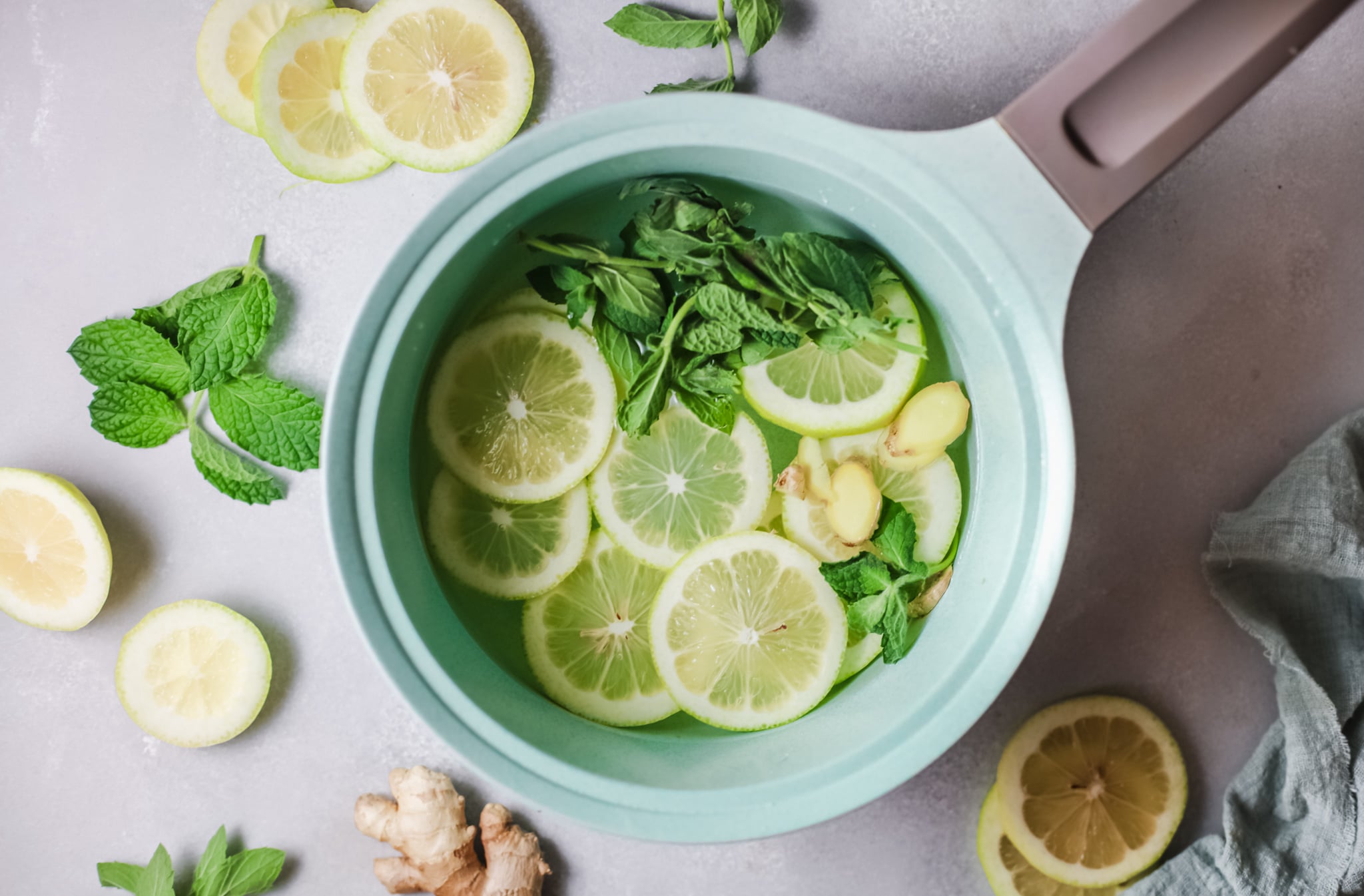
Also known as a lemon mint simmer pot, this homemade fragrance combines sliced lemon, fresh mint, and water over gentle heat. As the water warms, aromatic steam carries the crisp citrus and herbal notes through the kitchen and nearby rooms. The result smells fresh and invitingsomewhere between a sunny herb garden, a pitcher of lemonade, and a very expensive spa lobby.
Better still, the basic recipe takes only a few minutes to assemble. You can use whole lemon slices, leftover citrus peels, mint stems, or herbs that are beginning to wilt. That makes stovetop potpourri an easy way to give useful kitchen scraps one final performance before composting them. Home and lifestyle sources commonly recommend citrus, mint, rosemary, ginger, vanilla, and similar kitchen ingredients for customizable simmer pots. hat Is Lemon Mint Stove Top Potpourri?
Stove top potpourri is a mixture of fragrant fruits, herbs, spices, and water heated in an uncovered saucepan. Unlike dry potpourri displayed in a bowl, a simmer pot relies on warm water and steam to distribute fragrance through the air.
The process is wonderfully low-tech. There are no special machines, mystery cartridges, or phone apps demanding permission to access your lemon. You add aromatic ingredients to water, bring the mixture just to a gentle simmer, reduce the heat, and monitor the water level.
Lemon and mint make an especially appealing combination because they create a light, clean scent rather than a heavy seasonal fragrance. Cinnamon, cloves, apples, and oranges may remind you of December, while lemon and mint can work comfortably in spring, summer, or anytime the house needs a fragrant reset.
Why Lemon and Mint Work So Well Together
Lemon Adds a Bright Citrus Note
Lemon peels contain fragrant oils that are released when warmed. Using slices exposes both the peel and the juicy interior, producing a lively scent that quickly becomes noticeable near the stove. Peels alone also work, making the recipe useful after you have squeezed lemons for salad dressing, iced tea, or a heroic attempt at homemade lemonade.
Lemon is sharp enough to freshen a room but familiar enough that it does not make the kitchen smell like a perfume counter. It pairs easily with mint, rosemary, basil, ginger, lavender, thyme, and vanilla.
Mint Supplies a Cool Herbal Aroma
Fresh mint contributes the clean, green note that distinguishes this recipe from an ordinary citrus simmer pot. Spearmint usually smells sweet and mild, while peppermint has a cooler, more intense character. Either variety works, although spearmint is often the gentler choice for everyday use.
The stems are aromatic too, so there is no need to pluck every leaf with surgical precision. Lightly bruising the mint between your fingers before adding it to the water helps release more fragrance.
The Combination Feels Fresh Without Smelling Medicinal
Lemon by itself can smell slightly sharp. Mint alone may become dominant or remind some people of toothpaste. Together, they balance each other: lemon brings brightness, while mint adds softness and depth.
Several established home publications recommend citrus-and-mint combinations for warm-weather simmer pots because the blend is lighter than traditional spice-heavy potpourri. asy Lemon Mint Stove Top Potpourri Recipe
Ingredients
- 4 to 6 cups water, plus more as needed
- 1 medium lemon, sliced
- 8 to 12 sprigs fresh mint, or approximately 1 loosely packed cup mint leaves and stems
- 1 teaspoon vanilla extract, optional
- 3 to 5 thin slices fresh ginger, optional
- 1 additional strip of lemon peel, optional for a stronger citrus scent
Instructions
- Place the lemon slices and fresh mint in a medium saucepan.
- Add 4 to 6 cups of water, leaving several inches of space at the top of the pan.
- Bring the water to a very gentle simmer over medium heat.
- Immediately reduce the burner to the lowest setting once small bubbles appear.
- Leave the saucepan uncovered so the fragrant steam can circulate.
- Simmer for 30 minutes to 2 hours, checking the pan frequently.
- Add warm water whenever the liquid level begins to drop.
- Turn off the burner before leaving the kitchen or home.
The fragrance should begin to travel beyond the kitchen within approximately 10 to 20 minutes, although the timing depends on the size and layout of the home. Open interior doors to encourage circulation. A ceiling fan set on low can help move the aroma, but avoid directing a strong fan toward a gas flame.
Simmer-pot guides consistently recommend gentle heat, an uncovered container, and regular additions of water as evaporation occurs. ow to Make the Fragrance Stronger
Use More Peel Instead of More Juice
Much of the lemon’s fragrance comes from its outer peel. Add several strips of zest or the peel from a second lemon when you want a stronger citrus aroma. Avoid using only lemon juice; it adds acidity to the water but contributes less lasting fragrance than the peel.
Bruise the Mint
Gently squeeze or tear the mint leaves before placing them in the pot. The goal is to release their aroma, not pulverize them into green confetti. A few firm presses with the back of a spoon are enough.
Begin With Hot Water
Starting with hot tap water reduces the time required to reach a simmer. Once the mixture begins steaming, lower the burner immediately. Vigorous boiling evaporates the water too quickly and may cook the ingredients into a tired-looking botanical stew.
Choose the Right Pan
A medium saucepan generally works better than a very deep stockpot. It provides enough water for safe simmering while allowing more aromatic steam to escape. A small slow cooker can also work: heat the mixture with the lid on until warm, remove the lid, switch to low, and continue monitoring the water level. emon Mint Simmer Pot Variations
Spa-Inspired Lemon Mint Potpourri
Combine one sliced lemon, fresh mint, half a sliced cucumber, and a few sprigs of rosemary. The cucumber fragrance is subtle, but it softens the sharper herbal notes and gives the blend that unmistakable “someone is about to hand me a fluffy robe” personality.
Lemon Mint and Ginger Simmer Pot
Add five or six slices of fresh ginger. Ginger provides a warm, lightly spicy base beneath the cool mint and bright lemon. This version is especially pleasant on rainy days when plain citrus feels a little too summery.
Soft Lemon Mint Vanilla Blend
Add one teaspoon of vanilla extract after reducing the heat. Vanilla rounds out the lemon and mint, creating a sweeter and more comforting scent. Begin with a small amount; too much vanilla can overpower the herbs and make the room smell like a bakery wearing mint-flavored lip balm.
Garden Herb Version
Combine lemon, mint, rosemary, and a few basil leaves. This blend has a fresh garden character and is a practical way to use herb stems or slightly wilted leaves that are no longer attractive enough for garnishing dinner.
Extra-Citrus Summer Version
Add several lime or orange slices to the basic recipe. Lime emphasizes the cool, sharp qualities of mint, while orange makes the mixture sweeter and more rounded. Citrus-and-mint recipes appear frequently in seasonal simmer-pot collections because the ingredients can be adjusted without complicated measurements. hen to Use Lemon Mint Stove Top Potpourri
This natural home fragrance is useful when guests are arriving, after preparing strongly scented food, during routine cleaning, or whenever a room feels stale. It can create an inviting background fragrance for a brunch, bridal shower, open house, summer party, or quiet afternoon at home.
However, a simmer pot should complement cleaning rather than replace it. If the trash needs to go out or a damp towel is hiding behind the bathroom door, lemon and mint cannot negotiate a permanent peace treaty with the odor. Remove the source of unpleasant smells first, ventilate the room, and then use the simmer pot to add a fresh finishing aroma. The Spruce and Good Housekeeping similarly note that fragrance works best after unwanted odors have been addressed. mportant Stove Top Potpourri Safety Tips
A simmer pot is simple, but it is still a saucepan sitting on an active burner. Treat it with the same attention you would give cooking food.
- Use the lowest heat that maintains gentle steam.
- Check the water level frequently and never allow the pan to boil dry.
- Set a timer for every 20 to 30 minutes as a reminder.
- Remain at home and check the pan regularly while it is simmering.
- Turn the burner off whenever you leave the kitchen for an extended period.
- Keep towels, paper packaging, oven mitts, and other combustible materials away from the stove.
- Turn the saucepan handle toward the back of the range.
- Maintain a child-free and pet-free area around the hot stove.
The United States Fire Administration advises turning off a burner when leaving the kitchen and keeping pot handles positioned so they cannot be bumped or pulled. The National Fire Protection Association recommends checking simmering items regularly, remaining at home, and using a timer as a reminder. e Careful With Essential Oils
This recipe does not require lemon or peppermint essential oil. Fresh fruit and herbs provide plenty of fragrance for most rooms. Concentrated oils can cause irritation or toxicity if swallowed, spilled, or improperly used, and some may pose additional risks around pets.
Keep the pot and discarded ingredients away from animals. The ASPCA identifies large ingestions of garden mint as a potential cause of vomiting or diarrhea in dogs and cats, and it advises caution with concentrated essential oils around pets. Poison Control also notes that peppermint oil can cause irritation and serious effects in sufficiently large exposures. not serve or drink a simmer pot. Although the original ingredients may be edible, the mixture is being used as household fragrance, may simmer for an extended period, and may collect dust or accidental contaminants.
Can You Reuse Lemon Mint Stove Top Potpourri?
You can sometimes reheat the mixture later the same day. Turn off the burner, let the pan cool, cover it, and keep it away from children and pets. Add fresh water before reheating.
For the freshest scent, prepare a new batch the next day. Lemon and mint lose much of their fragrance after repeated heating, and old ingredients can develop a dull, cooked odor. Some stovetop potpourri mixtures are refrigerated and reused, but fresh citrus blends are often best discarded after use. ce completely cool, strain the liquid and place suitable fruit and herb scraps in a compost bin. Do not pour large pieces down a garbage disposal. Wash the saucepan with dish soap to remove any residue from citrus peel or extracts.
Troubleshooting Common Simmer Pot Problems
The Fragrance Is Too Weak
Add more lemon peel, bruise the mint, or move the saucepan to a more central kitchen burner. Make sure the mixture is producing visible steam. Closed doors and strong exhaust fans can prevent the aroma from spreading.
The Mint Smells Cooked
The temperature is probably too high, or the mixture has been simmering for too long. Reduce the heat and add a few fresh mint sprigs during the final 15 minutes.
The Water Disappears Quickly
Lower the heat and use a deeper saucepan. A simmer requires only gentle movement in the water. A rolling boil may look productive, but it is mostly racing toward an empty pan.
The Fragrance Is Too Sharp
Add more water and a small splash of vanilla. A few orange slices can also soften an aggressively lemony blend.
Conclusion
Lemon mint stove top potpourri proves that an inviting home fragrance does not need to be complicated. With one lemon, a handful of mint, water, and a few minutes of preparation, you can create a crisp aroma that feels cheerful, clean, and appropriate throughout the year.
The recipe is flexible enough to accommodate leftover peels, herb stems, ginger slices, vanilla, or whatever fragrant ingredients are waiting in the refrigerator. Just remember that the pot requires active supervision. Keep the heat low, add water regularly, use a timer, and turn off the stove before walking away.
A Practical Experience: One Week With Lemon Mint Simmer Pots
The following composite experience reflects common household observations from preparing lemon mint simmer pots in different ways. It is not a scientific fragrance test, but it illustrates what people can reasonably expect when experimenting with the recipe at home.
On the first day, the most noticeable surprise is how little mint is required. A large, dramatic bunch looks beautiful in the saucepan, but eight or ten healthy sprigs are generally enough for an average kitchen. After the pot begins steaming, the lemon appears first. Its aroma is bright and recognizable within several minutes. The mint follows more slowly, creating a cooler background note rather than announcing itself like a pack of chewing gum.
A basic mixture of lemon, mint, and water feels especially successful after routine kitchen cleaning. It does not erase odors instantly, but once the trash is removed and cooking surfaces are wiped down, the fragrance gives the room a convincing final polish. The kitchen smells finished, as though it has put on a clean shirt before company arrives.
On the second attempt, lightly bruising the mint makes a clear difference. Whole, untouched sprigs release a mild scent, while leaves gently pressed between the fingers become noticeable sooner. Crushing them too aggressively, however, fills the water with small green particles and creates extra cleanup without adding much benefit.
Adding ginger on another day produces a warmer result. The ginger does not dominate, but it prevents the combination from feeling too cool during cloudy or rainy weather. This variation works well in the afternoon, particularly when the house needs a refreshing scent that still feels cozy.
The vanilla variation requires restraint. One teaspoon softens the citrus and gives the fragrance a smooth finish. A generous freehand pour can take over the entire blend. The lesson arrives quickly: vanilla is a supporting actor with a tendency to rewrite the script.
Room layout also changes the experience. In an open kitchen and living area, the scent travels easily. In a home divided by hallways and closed doors, it remains concentrated near the stove. Opening interior doors helps, as does allowing the pot to simmer before guests arrive. The fragrance is usually strongest in the kitchen, pleasantly noticeable in adjoining spaces, and faint in distant bedrooms.
Water management becomes the most important habit. A pan that appears comfortably full at the beginning can lose a surprising amount of water over an hour. Setting a repeating timer removes the need to remember. Each alert becomes a cue to check the burner, top up the pan, and confirm that towels or utensils have not migrated too close to the heat.
Reheating the mixture later the same day works reasonably well, especially after adding a few fresh mint leaves and another strip of lemon peel. By the next day, however, the scent is noticeably flatter. A new batch smells brighter and looks more appealing, while the old lemon slices begin resembling tiny yellow life rafts that have endured a difficult voyage.
The best overall experience comes from keeping the recipe simple. Lemon, mint, water, and perhaps one optional ingredient create a clear, recognizable fragrance. Adding orange, rosemary, lavender, ginger, vanilla, and five different spices at once may sound luxurious, but the final aroma can become confused. A simmer pot is more like assembling a small bouquet than emptying the entire pantry into a saucepan.
After a week of variations, the basic lemon-and-mint combination remains the most versatile. It is inexpensive, quick to prepare, visually attractive, and easy to adjust. It works before guests arrive, after a cleaning session, or during an ordinary afternoon when the home could use a little lift. Most importantly, it creates atmosphere without demanding that the house smell permanently like a holiday cookie.
Research note: This article synthesizes preparation ideas and safety guidance from Better Homes & Gardens, Real Simple, Good Housekeeping, The Spruce, Southern Living, Martha Stewart, Apartment Therapy, The Kitchn, the National Fire Protection Association, the United States Fire Administration, Poison Control, and the ASPCA.

