
Skincare
Laundry Detergent Pod ‘Challenge’ Risks to Teens
Jul
Laundry detergent pods are designed to make laundry easier: toss one in, start the wash, move on with your life.
Unfortunately, they’ve also been dragged into the internet’s long-running tradition of turning “don’t do that” into
a trending hashtag. The so-called laundry detergent pod “challenge” (where people bite or swallow pods for views)
is not a prank, not a dare, and definitely not a personality test. It’s a fast track to a medical emergency.
If you’re a parent, educator, or teen reading this, here’s the headline: detergent pods contain highly concentrated
chemicals meant for clothes, not bodies. Exposure can cause serious injuriesespecially to the mouth, throat, lungs,
and eyesand it can happen quickly. Let’s break down what the real risks are, why teens may be pulled into it,
and how to prevent harm without turning your home into a “no fun allowed” zone.
What Is the Laundry Pod “Challenge” (and Why It’s a Big Deal)?
The “challenge” is a social media trend where someone intentionally puts a laundry detergent pod in their mouth
(or appears to) to shock people, get laughs, or rack up engagement. It’s the same old formula: a risky act +
an audience + peer pressure = trouble. The problem is that detergent pods aren’t harmless. They’re concentrated
cleaning agents wrapped in a film that dissolves with moisturelike, say, saliva.
In other words: the packaging is literally engineered to fall apart in a wet environment. Your mouth is a wet environment.
That’s not a “fun fact.” That’s the entire problem.
Why Laundry Detergent Pods Are More Dangerous Than They Look
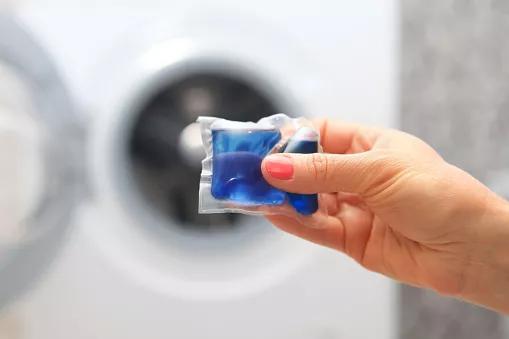
Pods can look like candybright colors, squishy shape, shiny surface. But inside is a concentrated mix of cleaning
chemicals meant to break down grease and stains. Concentration matters: the smaller the package, the more powerful
the contents need to be to do the job.
Concentrated chemicals + fast release
Unlike traditional liquid detergent (where a spill might be messy and irritating), pods can burst or leak suddenly.
When that happens in someone’s mouth, the detergent can spread across sensitive tissues in seconds. If it’s inhaled
(even by accident), it can irritate the airways and cause breathing problems.
Multiple exposure routes
- Ingestion: Swallowing or biting can irritate or burn the mouth, throat, and digestive tract.
- Aspiration: Detergent can enter the lungs, potentially leading to coughing, wheezing, or respiratory distress.
- Eye exposure: A burst pod can splash detergent into the eyes and cause painful injury.
- Skin contact: Detergent can irritate skin and cause chemical burns in more severe cases.
Health Risks to Teens: What Can Actually Happen
A lot of teens hear “poisoning” and imagine a slow, dramatic movie scene. Real life is less cinematic and more urgent:
symptoms can hit fast, and the most serious risks involve the airway (breathing) and caustic injury (chemical burns).
Mouth, throat, and stomach injuries
Chewing or swallowing detergent can cause intense irritation and burning of the mouth and throat. It can also trigger
severe vomiting. Besides being miserable, repeated vomiting can increase the risk of detergent getting into the lungs
(aspiration), which is where things can become dangerous quickly.
Breathing trouble (the “not okay” symptom)
If detergent is inhaled or aspirated, it can inflame the airways. Coughing, choking, wheezing, shortness of breath,
and unusual sleepiness are all red flags. Breathing problems are a major reason detergent pod exposures can require
emergency care.
Eye injuries
Pods can burst with pressure. If detergent hits the eyes, it can cause immediate pain, redness, tearing, and potential
damage that needs urgent treatment. Eye exposures are one of those “don’t wait and see” situations.
Neurologic effects and severe outcomes
Poison control and medical reports have described cases of significant drowsiness and altered mental status. Severe outcomes
are uncommon but possible, especially if breathing is compromised or exposures are large. The point isn’t to scare people
with rare scenariosit’s to be honest that this is not a harmless stunt.
Why Teens Might Try It Anyway
Knowing something is dangerous doesn’t always stop a teen from doing it. That’s not because teens are “irrational.”
It’s because teen brains are still developing the systems that govern impulse control and risk assessmentwhile the
reward system (social approval, dopamine hits from likes/comments) is running at full volume.
Common drivers behind risky “challenge” behavior
- Social proof: “Everyone’s doing it” (even if it’s a tiny number of people, repeated videos make it feel common).
- Peer pressure: Direct dares, group chats, or fear of being labeled “soft.”
- Online attention: Shock content spreads fast, and some platforms reward it with visibility.
- Curiosity + overconfidence: “I’ll be fine” is a classic teen (and adult) brain shortcut.
- Stress and coping: Sometimes risky behavior is a distraction from anxiety, conflict, or feeling out of control.
The best prevention isn’t just yelling “DON’T.” It’s pairing clear facts with realistic strategies:
how to say no, how to exit a situation, and how to avoid being pulled into someone else’s content plan.
Warning Signs and What to Do If Exposure Happens
If a teen has been exposed to detergentwhether by swallowing, biting, or getting it in the eyestreat it like a real
medical issue. The right response depends on what happened and what symptoms are present.
Call the right help fast
- In the U.S., call Poison Control at 1-800-222-1222 for immediate, expert guidance.
- Call 911 if someone has trouble breathing, collapses, has a seizure, can’t be awakened, or has severe symptoms.
Symptoms that deserve urgent attention
- Difficulty breathing, wheezing, persistent coughing, or choking
- Extreme drowsiness, confusion, or unusual behavior
- Repeated vomiting or severe abdominal pain
- Eye pain, vision changes, or chemical exposure to the eyes
- Severe mouth/throat pain or drooling (suggesting significant irritation)
What not to do
Don’t treat this like a “DIY detox.” Do not make someone vomit and do not offer random internet remedies.
The safest move is to contact Poison Control or emergency services and follow their instructions.
Prevention That Actually Works (Without Turning Into a Lecture Machine)
1) Talk to teens like they’re smart (because they are)
The most effective conversations are calm and specific:
“Detergent pods can burn your mouth and throat and can hurt your lungs if inhaled. If you ever see a video pushing that,
it’s not a jokeit’s a poison exposure.”
Then add the part teens need: an exit strategy.
“If someone dares you, you can blame me: ‘My parent will drug-test me for laundry soap’ (kiddingsort of).
Or just say, ‘I’m not doing anything that sends me to the ER for someone else’s likes.’”
2) Make access boring and difficult
Store pods in their original container, keep them up and away, and use child-resistant packaging correctly
(fully closed every time). Teens are taller than toddlers, but friction still works: if pods aren’t sitting out,
impulsive decisions are less likely.
3) Schools and youth programs can “pre-bunk” the trend
A short, factual message from a trusted adultcoach, counselor, nursecan outperform a dramatic assembly.
The goal is to inoculate students against the idea that it’s funny or impressive.
4) Report harmful content
If teens see “challenge” videos encouraging dangerous behavior, reporting them can reduce spread.
Platforms change policies, but community reporting is still one of the quickest ways to slow a harmful trend.
Myths vs. Facts
- Myth: “It’s just soap.”
Fact: It’s concentrated chemicals designed for fabric, not human tissue. - Myth: “It’s safe if you only bite it.”
Fact: Biting can burst the pod and spread detergent into the mouth and airway. - Myth: “If you’re older, you’ll be fine.”
Fact: Teens may be less vulnerable than toddlers, but serious injury is still possibleespecially with aspiration or eye exposure. - Myth: “Everyone did it and lived.”
Fact: Survivorship bias is loud online; ER visits don’t come with a fun soundtrack.
If You’re a Teen Reading This
You don’t owe anyone a dare. You don’t owe the group chat proof. You don’t owe the internet a clip.
The coolest skill in a “challenge” culture is being able to step back and say, “Nope.”
If you’re ever in a situation where someone is pushing this, the best move is to leave and get an adult involved.
And if you or a friend has already been exposedtell someone immediately. Getting help fast is not “snitching.”
It’s basic human maintenance.
Real-World Experiences: What People Actually See When This Goes Wrong (Extra )
Talk to almost any poison center specialist or emergency clinician and you’ll hear a pattern: detergent pod exposures are
the definition of “it escalated quickly.” One moment it’s a joke; the next moment someone is coughing, gagging, or complaining
that their mouth and throat feel like they’re on fire. The most unsettling part for adults is how fast a teen can go from
embarrassed laughter to real distressbecause concentrated detergent doesn’t negotiate.
In emergency departments, clinicians often describe these cases as a mix of medical care and emotional whiplash. A teen might
come in insisting, “It was a prank,” while simultaneously dealing with repeated vomiting or painful swallowing. Parents arrive
stunned, not only because of the symptoms, but because the decision seems so out of character: honors student, athlete, kid who
normally rolls their eyes at “cringe” internet stuff. That’s a key lesson for preventionthis isn’t limited to one “type” of teen.
Trend-based risk can pull in anyone who wants to fit in, look fearless, or avoid being the only one who said no.
Poison Control calls add another layer of reality. Specialists field frantic questions that sound like: “They only took a small
bitedo we really need to go in?” or “They’re coughing but they say they’re fine.” What those specialists do (and what families
learn the hard way) is that symptoms matter more than the story. Coughing, choking, wheezing, severe sleepiness, or persistent
vomiting are not “wait it out” problems when chemicals are involved. Poison center experts guide families step-by-step based on
exposure type and symptoms, and that guidance can prevent complicationsespecially when someone is tempted to try a home remedy
or delay care to avoid embarrassment.
Schools have their own version of these stories. Counselors and nurses report that after a “challenge” pops up, the best
intervention is often early and low-drama: a quick announcement, a health class discussion, or a coach saying, “Don’t do anything
that ruins your season.” Students respond better to credibility than panic. When a trusted adult explains, “This can burn your mouth,
damage your eyes, and mess up your breathing,” teens tend to take it more seriously than when adults frame it as a moral failure.
Families also learn a practical prevention truth: environment shapes behavior. Pods left on top of the washer, a container that
doesn’t fully close, or supplies stored openly in a hallway closet can turn a dumb impulse into easy access. In contrast, when pods
are stored out of sight in a closed cabinet (and the household has a “Poison Control is who we call first” plan), the odds of a
momentary dare turning into an emergency drop. It’s not about distrustit’s about reducing opportunity for a split-second decision.
The bottom line from real-world experience is simple: the “challenge” isn’t funny to the people cleaning detergent out of someone’s
eyes, listening to a teen struggle to stop coughing, or watching a parent’s face change when they realize this wasn’t just a joke.
The good news is that prevention is straightforward: honest conversations, safe storage, quick reporting of dangerous content, and
immediate action if exposure occurs.
Conclusion
Laundry detergent pods are a household product with real hazardsespecially when misused for a viral stunt. The “pod challenge” is
dangerous because pods can burst, release concentrated chemicals, and cause rapid symptoms affecting the mouth, throat, lungs, and eyes.
Prevention works best when it’s practical: store pods safely, talk to teens without shaming, and make it easy for them to opt out of dares.
If exposure happens, don’t guesscontact Poison Control (1-800-222-1222) or call 911 for severe symptoms.

