
Beauty Tools & Accessories
Konjac Sponge: What It Is, Benefits, How to Use
Jul
If your skincare routine has started to feel like a part-time job with no dental plan, a konjac sponge might be the refreshingly simple tool you’ve been missing. It is soft, squishy, oddly adorable, and far less intimidating than a shelf full of acids with names that sound like they belong in a chemistry final. A konjac sponge is one of those rare beauty tools that manages to be trendy and practical. It can cleanse, lightly exfoliate, and make your face feel fresh without acting like it is trying to sand a coffee table.
That said, a konjac sponge is not magic. It will not erase every clogged pore, solve every breakout, or turn your skin into a perfectly lit social media filter. What it can do is offer a gentle way to wash away dirt, oil, sunscreen, and flaky buildup while fitting nicely into a simple, skin-friendly routine. For many people, that is more than enough.
In this guide, we’ll break down what a konjac sponge is, the benefits people actually care about, how to use it the right way, and the common mistakes that can make a good thing less helpful. We’ll also cover who should be cautious, how often to use one, and what real-life experiences with konjac sponges tend to look like after the novelty wears off.
What Is a Konjac Sponge?
A konjac sponge is a soft cleansing sponge traditionally made from the root of the konjac plant, also known as Amorphophallus konjac. The plant has long been used in food and wellness products, but in skincare, the root is turned into a porous, lightweight sponge that becomes pillowy when soaked in water.
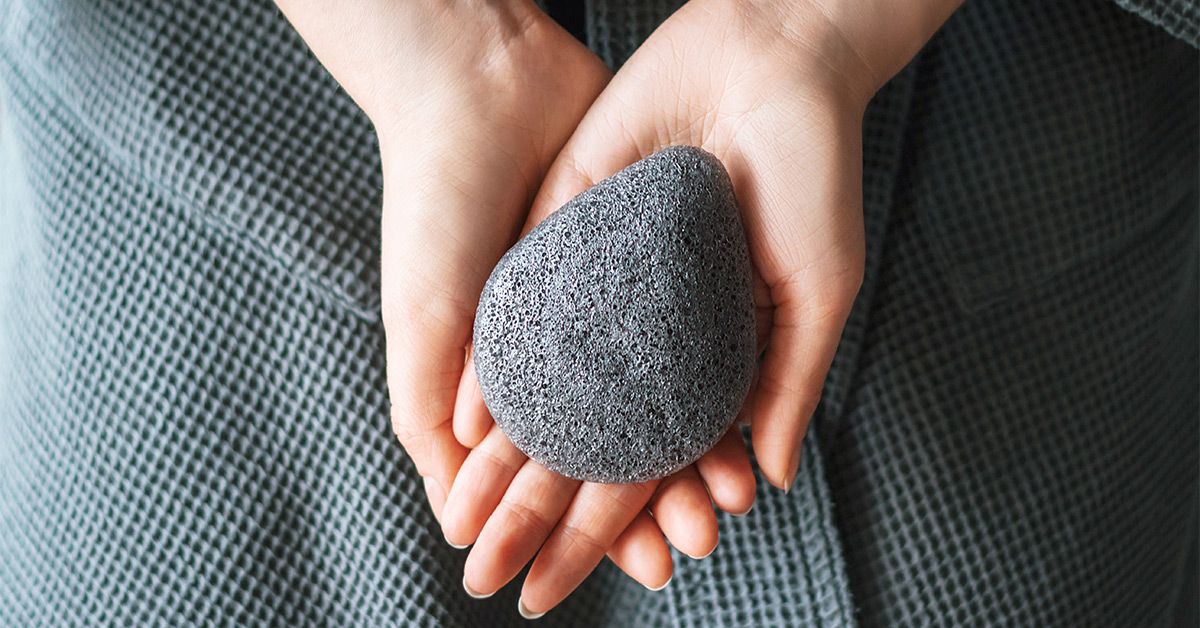
When dry, a konjac sponge usually looks like a tiny, slightly sad rock. Once you soak it, though, it transforms into a soft, cushiony tool that glides over the skin. That texture is the entire appeal. Instead of using rough grains or stiff brushes, the sponge offers very mild physical exfoliation. Think “polite nudge” rather than “aggressive life coach.”
Some konjac sponges are plain, while others are blended with ingredients such as charcoal, clay, green tea, turmeric, or aloe. These versions are marketed for different skin goals, but the main star is still the sponge itself. In real-world use, the biggest difference comes from how gentle the texture feels, not from a dramatic transformation caused by add-ins.
Why Konjac Sponges Are Popular
Skincare tools come and go, but konjac sponges have stuck around because they meet a sweet spot many people want: they feel effective without feeling harsh. That matters if your skin dislikes gritty scrubs, spinning brushes, or any product that leaves your face feeling squeaky in a concerning way.
They are especially appealing to people who want:
- a softer way to physically exfoliate
- a cleansing tool that works with or without face wash
- help removing flaky patches around the nose or chin
- a low-cost skincare tool that does not require batteries, charging cables, or an instruction manual longer than a lease agreement
Benefits of a Konjac Sponge
1. Gentle exfoliation
The main benefit of a konjac sponge is mild physical exfoliation. As you move it over damp skin, it helps lift away dead surface cells, leftover makeup, sunscreen residue, and everyday grime. This can make skin look a bit brighter and feel smoother, especially if your face has been dealing with dullness or dry flakes.
2. A softer cleansing experience
Some people find that using a konjac sponge makes their cleanser feel more effective without needing to use more product. The sponge creates a gentle massaging action that can help cleanse areas where buildup tends to hang around, such as around the nose, jawline, or hairline.
3. Useful for dry, rough patches
If your skin gets that “why is my forehead auditioning for sandpaper” feeling, a konjac sponge can help smooth those flaky spots without the scratchy feel of traditional facial scrubs. It is not a replacement for moisturizer, but it can help prep the skin so hydrating products apply more evenly.
4. Can support a simpler routine
For people who feel overwhelmed by too many exfoliating products, a konjac sponge can be a straightforward alternative. You wet it, cleanse gently, rinse it out, and move on with your life. No timers. No tingling that makes you wonder whether your skin barrier just filed a formal complaint.
5. Often suitable for many skin types
Because the texture is soft, many people with normal, combination, or mildly oily skin enjoy konjac sponges. Some people with sensitive skin like them too, especially when used lightly and not every day. But “gentle” does not mean “for absolutely everyone,” which is why technique matters.
What a Konjac Sponge Cannot Do
Let’s keep expectations realistic. A konjac sponge can help your skin feel cleaner and smoother, but it is not a treatment for acne, rosacea, eczema, melasma, or serious texture concerns. It does not replace active ingredients like salicylic acid, benzoyl peroxide, retinoids, or prescription treatments when those are actually needed.
If a product promises that a sponge alone will detox your pores, cure breakouts, erase dark spots, and spiritually realign your bathroom shelf, take a breath. A konjac sponge is best thought of as a gentle cleansing tool, not a miracle worker in a squishy disguise.
How to Use a Konjac Sponge Correctly
Step 1: Soak it until soft
Never use a konjac sponge when it is hard and dry. Soak it in warm water for several minutes until it fully softens. A properly soaked sponge should feel plush and flexible, not stiff.
Step 2: Squeeze out extra water
Gently press out excess water. Do not twist it like you are trying to win an argument with it. Konjac sponges are delicate, and rough handling can shorten their life.
Step 3: Use with water or cleanser
You can use a konjac sponge on its own with water, or add a small amount of gentle cleanser. If you wear sunscreen or makeup, pairing it with cleanser usually makes the most sense. If your skin is dry or easily irritated, plain water may be enough on some mornings.
Step 4: Massage lightly
Move the sponge over your face using small circular motions or gentle sweeping strokes. Keep the pressure light. The goal is to guide the sponge across your skin, not scrub it like a casserole dish. Spend about 30 to 60 seconds total, focusing on areas with visible dry flakes or buildup.
Step 5: Rinse and follow with skincare
Rinse your skin, pat it dry, and apply the rest of your routine. A basic post-cleansing lineup could include a hydrating serum, moisturizer, and sunscreen in the daytime. If you exfoliate at night, moisturizer becomes even more important.
How Often Should You Use a Konjac Sponge?
This depends on your skin type and how reactive your skin is.
- Normal or combination skin: 3 to 5 times a week may feel comfortable.
- Oily skin: You may tolerate more frequent use, but gentleness still matters.
- Dry or sensitive skin: Start with 1 to 3 times a week.
- Very reactive skin: Use cautiously or skip it unless your dermatologist says otherwise.
If your skin becomes tight, red, stingy, or flaky in a bad way, back off. A little exfoliation can be helpful. Too much exfoliation can make your skin grumpy, shiny, and uncomfortable all at once, which is a terrible personality combo for a face.
Who Might Like a Konjac Sponge Most?
A konjac sponge may be a nice fit if you:
- dislike gritty facial scrubs
- want gentle physical exfoliation
- need help loosening dry flakes around the nose or mouth
- prefer a simple cleansing tool instead of a cleansing brush
- like a softer, more massaging face-wash experience
It can also be useful for people who want a “middle ground” between doing nothing and using stronger exfoliants. For example, someone who finds scrubs too rough and acids too irritating might enjoy a konjac sponge a few times a week as a low-key option.
Who Should Be Careful or Skip It?
Even gentle tools are not a match for every face. Use caution if you have:
- eczema flare-ups
- rosacea that reacts to friction
- open pimples, cuts, or broken skin
- sunburned or freshly treated skin
- a damaged skin barrier from over-exfoliation
- very sensitive skin that stings with basic cleansing
If you use retinoids, benzoyl peroxide, exfoliating acids, or acne treatments regularly, you may still be able to use a konjac sponge, but go easy. On active-treatment nights, your skin may prefer a plain gentle cleanser and no extra friction at all.
How to Clean and Store a Konjac Sponge
This is the part many people ignore, and then they wonder why the sponge starts feeling questionable. A damp skincare tool needs good hygiene.
Basic care tips
- Rinse it thoroughly after every use.
- Gently squeeze out excess water.
- Hang it or place it somewhere it can air-dry well.
- Do not store it in a sealed, wet container.
- Do not share it with anyone else.
If your sponge smells odd, looks discolored, starts crumbling, or develops mold, throw it out immediately. Most konjac sponges need regular replacement, often every few weeks to a couple of months depending on the product and how often you use it. When in doubt, replace it sooner rather than later. Your face does not need a science experiment.
Common Mistakes to Avoid
Using it dry
This is the fastest route to a bad experience. A dry konjac sponge is too firm and can irritate the skin.
Pressing too hard
Gentle contact is enough. More pressure does not equal better exfoliation; it usually just equals more irritation.
Using it on angry skin
If your skin is inflamed, peeling, burned, or broken out in a painful way, skip the sponge until things calm down.
Combining it with every exfoliant you own
You do not need a konjac sponge, an acid toner, a scrub, a retinoid, and a peeling mask all in one evening. That is not a skincare routine. That is a plot twist.
Forgetting to moisturize
Exfoliation works best when followed by hydration. If you remove dull surface buildup and then leave your skin dry, you are missing half the point.
Konjac Sponge vs. Washcloth vs. Scrub
If you are deciding between cleansing tools, here is the quick version:
- Washcloth: simple, familiar, and can be very gentle depending on the fabric.
- Konjac sponge: softer, bouncier, and often more pleasant for light facial exfoliation.
- Facial scrub: can be effective, but some formulas are too abrasive for regular use.
For many people, the konjac sponge wins on comfort. It feels mild, easy, and consistent. It is not necessarily more powerful than other tools, but it can be easier to use without overdoing it.
Best Tips for Getting Good Results
- Use a gentle, non-stripping cleanser.
- Start slow and increase only if your skin is happy.
- Let the sponge glide; do not scrub aggressively.
- Use moisturizer afterward.
- Keep the sponge clean and replace it regularly.
- Pay attention to how your skin responds instead of forcing daily use.
Final Thoughts
A konjac sponge is one of the nicest examples of skincare not needing to be dramatic to be useful. It is soft, gentle, and pleasantly low-maintenance. It can help remove surface buildup, make cleansing feel more effective, and leave skin smoother without the scratchy feel of harsher exfoliants.
The key is to treat it like a helpful tool, not a miracle cure. Use it gently, keep it clean, and do not force it on skin that is irritated or overworked. If your face likes mild physical exfoliation, a konjac sponge can earn a solid place in your routine. If your skin says “absolutely not,” that is valuable information too. Your best skincare products are the ones your face does not immediately write a complaint letter about.
Experiences With Konjac Sponges: What Real Use Often Feels Like
People’s experiences with konjac sponges tend to be surprisingly similar. The first reaction is often confusion. Out of the package, the sponge feels dry and firm, and not in an inspiring way. It does not exactly scream luxury. Then you soak it, and suddenly it turns into a soft jelly-like puff that feels much better than it looks. That transformation alone is part of the charm.
For beginners, the biggest benefit is usually not some dramatic change in the mirror. It is the way skin feels right after cleansing. Many users describe that post-wash feeling as smoother, cleaner, and a little more polished, especially around the nose, chin, and forehead. Dry flakes can look less obvious, and makeup often sits more evenly afterward. It is one of those subtle upgrades that you notice most when you stop using it for a while.
Another common experience is realizing that less effort works better. A lot of people assume they need to scrub to get results. With a konjac sponge, that is usually the wrong move. The people who end up liking it most are often the ones who learn to use barely any pressure at all. Once they do, the sponge feels soothing instead of irritating, and it becomes a relaxing part of a morning or evening routine rather than a mini battle with their own face.
People with dry or combination skin often say the sponge helps most during weather changes, especially in colder months when flaky patches show up around the nose or mouth. Used a few times a week, it can make skin feel more even without pushing it into that dreaded tight, shiny, over-cleansed zone. Oily skin users sometimes enjoy it for helping skin feel fresher at the end of the day, particularly when paired with a gentle cleanser after sunscreen or makeup.
Not every experience is glowing, of course. Some users with very sensitive or rosacea-prone skin find that even this level of friction is too much. Others love the feel of the sponge but hate the maintenance. You have to rinse it well, let it dry properly, and replace it before it gets weird. Ignore that part, and the relationship can go downhill fast. A skincare tool should never have a mystery smell.
There is also a funny phase many people go through where they become wildly loyal to the sponge for two weeks, tell everyone they have discovered the future of cleansing, and then realize the future still requires moisturizer, sunscreen, sleep, and drinking water like a functioning human. In other words, a konjac sponge works best as a supporting character, not the star of the whole show.
In long-term use, the people who stick with konjac sponges usually do so because they enjoy the experience as much as the result. It feels soft, calming, and easy. It makes cleansing feel a bit more intentional without making the routine complicated. That is probably the most realistic reason to try one. If it helps your skin feel cleaner and your routine feel nicer, that is a win. If not, at least you gave a tiny vegetable sponge its moment.

