
Beauty Tools & Accessories
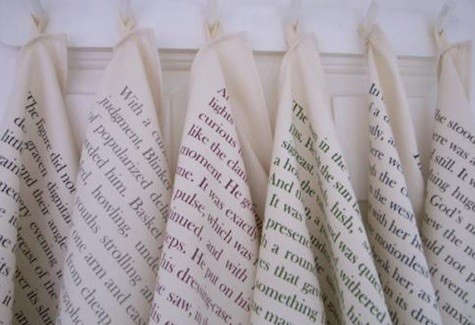
Kitchen Sink Dramas Towels
Jun
Some kitchen towels simply dry dishes. Others enter the room like a tiny domestic stage production, ready to mop up coffee, judge your pasta sauce, and look charming while doing it. That is the delight behind Kitchen Sink Dramas Towels: they turn an everyday kitchen linen into something with personality, wit, and purpose.
The original Kitchen Sink Dramas Towels were known as cotton tea towels with a literary, story-forward spirit. They were not just “grab-and-wipe” cloths; they were decorative kitchen towels with a sense of theater. Today, even if the original product is hard to find or discontinued in many retail listings, the idea behind it is still wonderfully useful: a kitchen towel can be functional, beautiful, memorable, and just dramatic enough to make dish duty less tragic.
This guide explores what makes Kitchen Sink Dramas Towels special, how to choose similar literary tea towels or cotton kitchen towels, how to use them safely, and how to keep them fresh instead of turning your sink area into a moist little soap opera.
What Are Kitchen Sink Dramas Towels?
Kitchen Sink Dramas Towels refer to a style of tea towel that blends practical kitchen use with storytelling and design. The phrase “kitchen sink drama” already suggests everyday life with big feelings: bills on the counter, toast slightly burned, a family argument over who left the sponge in the sink, and one heroic towel absorbing the evidence.
As a product concept, these towels fit into the larger category of decorative kitchen towels, tea towels, and cotton dish towels. They are often appreciated not only for drying hands and dishes but also for adding character to the kitchen. Think of them as small pieces of textile art that happen to be willing to clean up olive oil.
A Towel With a Personality
Most kitchen towels are bought in bulk, shoved into a drawer, and summoned only during emergencies involving soup. Kitchen Sink Dramas Towels, however, invite a second look. Their charm comes from the idea that a towel can say something. It can be literary, nostalgic, funny, graphic, or quietly elegant.
That makes them especially appealing for people who like kitchens that feel lived-in rather than showroom-perfect. A marble countertop is lovely, but a clever tea towel hanging near the sink says, “Yes, humans live here, and at least one of them has opinions about biscuits.”
Why Kitchen Towels Matter More Than You Think
A kitchen towel may be one of the hardest-working items in the home. It dries hands, polishes glasses, protects counters from warm pans, wipes up splashes, covers rising dough, lines a bread basket, and occasionally rescues a cook from a bubbling pot lid. It is the multitool of kitchen linens.
That multitasking ability is exactly why choosing the right towel matters. The best kitchen towels balance absorbency, quick drying, durability, lint control, and style. A beautiful towel that smears water around like a tiny windshield wiper is not doing its job. A highly absorbent towel that never dries is also a problem, because damp fabric can develop odors and invite bacteria.
Function Comes First, Drama Comes Second
The best version of Kitchen Sink Dramas Towels is not merely decorative. It should still perform like a proper kitchen workhorse. Cotton is a classic choice because it absorbs well, washes easily, and feels natural in the hand. Linen can be elegant and quick-drying, though it wrinkles more. Microfiber can be excellent for glass and stainless steel, but it does not have the same traditional tea-towel charm. Swedish dishcloths and reusable paper towel alternatives are great for cleaning counters, but they serve a slightly different role than a hanging cotton towel.
In other words, do not ask one towel to do every job. That is how towels become exhausted, damp, and resentful. Build a small towel system instead.
The Best Materials for Kitchen Sink Dramas Towels
Cotton Kitchen Towels
Cotton is the everyday champion. It is soft, absorbent, washable, and widely available. For a Kitchen Sink Dramas-style towel, cotton also provides a good printing surface, which makes it ideal for text, illustrations, and graphic designs. A cotton tea towel can look polished while still being ready to clean up a splash of marinara.
Look for tightly woven cotton if you want less lint and better durability. Flour sack cotton is lightweight and useful for drying delicate glassware, while waffle-weave cotton offers texture and airflow. A nubby or waffle surface can help with absorbency and drying speed, which is important if your kitchen towel spends its life near the sink.
Linen Tea Towels
Linen has that effortless “I own handmade ceramics and probably know where my herbs are” energy. It is durable, naturally elegant, and often quick to dry. Linen tea towels can be beautiful for display, especially in minimalist, farmhouse, coastal, or European-inspired kitchens.
The tradeoff is that linen wrinkles easily. Some people find this charming. Others look at a wrinkled linen towel and feel personally attacked. If you want a refined but relaxed kitchen towel, a cotton-linen blend may be the sweet spot.
Microfiber Cloths
Microfiber is useful for practical cleaning, especially on stainless steel appliances, glass, and glossy counters. It can pick up moisture and dust effectively, often without leaving streaks. However, microfiber does not usually deliver the warm, literary, decorative feeling associated with Kitchen Sink Dramas Towels.
The smart approach is to keep microfiber cloths for cleaning tasks and cotton or linen tea towels for hands, dishes, display, and gentle kitchen work. That way, your pretty towel does not end up scrubbing tomato paste out of a grout line like it lost a bet.
Swedish Dishcloths and Reusable Paper Towels
Reusable paper towel alternatives are popular because they reduce single-use waste and handle counter spills well. Swedish dishcloths, often made from cellulose and cotton, can be absorbent and quick-drying. They are excellent for wiping surfaces, but they are usually smaller and less decorative than traditional tea towels.
Use them as the cleaning crew. Let your Kitchen Sink Dramas Towels be the charming lead actor.
How to Use Kitchen Towels Without Creating a Hygiene Plot Twist
The kitchen is a busy place. Raw ingredients, water, crumbs, heat, hands, and surfaces all meet there. That means kitchen towels need a little discipline. A towel used for drying clean hands should not also wipe raw poultry juice, dry a plate, and polish a wine glass. That is not multitasking; that is chaos in fabric form.
Create a Three-Towel System
The simplest method is to assign each towel a job:
- Hand towel: For clean, washed hands only.
- Dish towel: For drying clean dishes, glassware, and cookware.
- Cleaning cloth: For counters, spills, and messier jobs.
For raw meat, poultry, seafood, eggs, or sticky food spills, it is often smarter to use a paper towel or a dedicated cleaning cloth that goes directly into the wash. This keeps your decorative kitchen towels from becoming accidental germ taxis.
Hang Towels So They Actually Dry
A damp towel balled up beside the sink is basically a tiny swamp with branding. Always hang kitchen towels open enough to allow airflow. Use a towel bar, hook, cabinet rail, or over-the-door holder. Avoid stuffing damp towels into a drawer or laundry basket unless they are headed straight to the washing machine.
If a towel smells musty even after washing, it may have detergent buildup, fabric softener residue, or lingering bacteria. At that point, the towel is not being mysterious; it is asking for a proper laundry reset.
How Often Should You Wash Kitchen Towels?
For everyday use, wash dish towels every few days, and sooner if they are used for spills, heavy cooking, or messy cleanup. Towels that touch raw-food messes should be washed immediately. Hand towels in a busy household may need daily replacement, especially if several people are cooking, snacking, and performing the classic “quick rinse” that somehow leaves water everywhere.
Wash kitchen towels in warm or hot water when appropriate for the fabric. Dry them completely before folding or storing. Skip fabric softener, which can reduce absorbency over time. If towels become stiff or musty, an occasional wash with white vinegar or oxygen bleach can help refresh them, depending on the care label.
When to Retire a Kitchen Towel
A towel does not need to be perfect to be useful, but there is a point where “vintage charm” becomes “evidence.” Retire or repurpose towels when they are badly stained, thinning, frayed, sour-smelling, or no longer absorbent. Old towels can become cleaning rags, garage cloths, or pet-area wipes before they leave the house entirely.
Styling Ideas for Kitchen Sink Dramas Towels
Because Kitchen Sink Dramas Towels are design-forward, they deserve better than being hidden under the sink with a confused measuring cup. Display them where they add life to the room.
Hang One Near the Sink
This is the classic spot. A towel near the sink is practical and visible. Choose a design that complements your kitchen colors. In a white kitchen, a graphic black-and-white towel can create contrast. In a warm wood kitchen, cream, rust, olive, or navy tones can feel cozy and grounded.
Use Towels as Seasonal Decor
Tea towels are an easy way to update a kitchen without buying new furniture or repainting cabinets. A spring towel with botanical artwork, a summer stripe, an autumn literary print, or a winter holiday design can shift the mood instantly. It is decorating for people who do not want to commit to wallpaper or explain a rooster sculpture.
Frame a Favorite Tea Towel
If you find a Kitchen Sink Dramas-style towel with a great illustration or text, consider framing it. Many decorative tea towels are too beautiful to sacrifice to spaghetti night. Framed textile art works well in breakfast nooks, pantry walls, laundry rooms, and small kitchens where traditional art may feel too formal.
Buying Guide: What to Look For
When shopping for Kitchen Sink Dramas Towels or similar literary tea towels, consider both the performance and the personality.
Choose the Right Size
A useful kitchen towel should be large enough to dry dishes and hands comfortably but not so huge that it drags into the sink like a Victorian gown. Many practical tea towels fall around the 16-by-28-inch to 20-by-30-inch range. Smaller towels can work for display, but bigger towels are usually better for real kitchen duty.
Check the Weave
Flat-weave towels are good for drying glassware because they can be smooth and low-lint. Waffle and basket weaves offer texture, airflow, and absorbency. Terry-style towels can soak up a lot, but they may leave lint and feel more casual. For a balance of beauty and performance, cotton flat-weave or cotton waffle-weave towels are excellent options.
Look for Washability
A kitchen towel should survive frequent laundering. If the care label requires delicate handling, air kisses, and a moonlit apology, it may not be ideal for daily use. Machine-washable cotton or cotton-linen towels are usually the most practical for busy homes.
Pick a Design You Will Enjoy Seeing Every Day
The best decorative kitchen towel is one you like enough to leave out. Text-based designs, literary references, vintage illustrations, botanical prints, café stripes, and witty phrases all work well. The key is choosing a towel that feels like your kitchen’s personality, not a random souvenir from a store you entered because it was raining.
Specific Examples of Kitchen Towel Setups
For a Small Apartment Kitchen
Use two hanging towels and one stack of cleaning cloths. Keep one attractive cotton tea towel on a cabinet handle for hands and one plain absorbent towel for dishes. Store reusable cleaning cloths in a small basket under the sink. This setup saves space and keeps the pretty towel away from the scary spills.
For a Family Kitchen
Use color coding. Blue towels for hands, white towels for dishes, gray cloths for counters. Kids, roommates, and sleepy adults understand colors faster than labels. Keep a laundry bin nearby for used towels so damp cloths do not migrate around the house like lost socks with ambition.
For a Gift Basket
A Kitchen Sink Dramas-style towel makes a thoughtful gift when paired with coffee beans, a wooden spoon, jam, olive oil, or a small cookbook. It feels personal without being overly expensive. It is also much safer than gifting someone a kitchen gadget that requires three attachments and emotional support.
Experience Section: Living With Kitchen Sink Dramas Towels
My favorite experience with Kitchen Sink Dramas-style towels is that they make ordinary kitchen routines feel less ordinary. A towel may sound like a small thing, but in real life, the small things are what we touch all day. We reach for a towel after washing lettuce, while pouring coffee, after rinsing a knife, while rescuing a spoon from the floor, and during that tense moment when pasta water threatens to boil over. A good towel is always there, like a quiet kitchen assistant who does not ask for a raise.
The first time I used a decorative literary tea towel, I treated it too carefully. I hung it by the sink and admired it like museum art. For several days, I avoided using it, which is ridiculous because a towel that cannot be used is basically a very flat guest. Eventually, I dried a mixing bowl with it. Then a plate. Then my hands. Soon it became part of the kitchen rhythm. The design still made me smile, but the towel also earned its keep.
That is the real appeal of Kitchen Sink Dramas Towels. They sit between beauty and utility. They are not precious, but they are not boring. When friends come over, a clever towel near the sink is one of those details people notice without being told to notice it. It suggests that the kitchen has a sense of humor. It also quietly covers the fact that there are three pans soaking in the sink and someone forgot to buy lemons.
In daily use, I have learned that the best towel routine is boring in the most helpful way. I keep one towel for clean hands and one for dishes. If I am cooking something messy, I bring out a separate cleaning cloth. At the end of a big cooking session, towels go straight into the laundry. This keeps the nice towels nicer and prevents the dreaded mystery smell that appears when damp fabric has been ignored too long.
I also like rotating towels by mood. A graphic cotton towel makes a modern kitchen feel warmer. A linen towel softens stainless steel and stone. A funny tea towel can make weeknight cleanup feel less like punishment. Around holidays, changing the towel is the easiest decoration in the world. No ladder, no glitter, no storage bin labeled “festive chaos.”
The most practical lesson is this: do not save your best towels forever. Use them. Wash them. Let them fade a little. A kitchen towel with a few signs of life has more charm than one trapped in a drawer waiting for a perfect occasion. Kitchens are not perfect places. They are full of steam, crumbs, stories, splashes, and people asking what time dinner is. Kitchen Sink Dramas Towels belong exactly there, in the middle of the action, looking good while handling the mess.
Conclusion
Kitchen Sink Dramas Towels prove that even the most ordinary kitchen item can have charm, humor, and a useful job to do. Whether you are drawn to the original cotton tea-towel concept, literary kitchen towels, or simply decorative dish towels with personality, the goal is the same: choose towels that work hard, wash well, dry quickly, and make your kitchen feel more like you.
The best kitchen towel is not the fanciest one. It is the one you reach for constantly, clean properly, hang to dry, and enjoy seeing by the sink. Add a little drama if you like. Just keep the bacteria out of the plot.
SEO Tags
Note: This article is written as original, publication-ready HTML content based on real kitchen towel care, material, hygiene, and home styling information.

