
Beauty Tools & Accessories
John Pawson White Serving Bowl
Jun
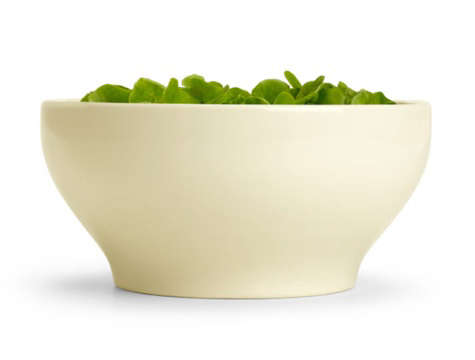
The John Pawson White Serving Bowl is the kind of object that looks quiet until you put it on the table and realize it has politely taken charge of the entire room. It does not shout. It does not sparkle. It does not wear a pattern loud enough to frighten the salad. Instead, it does something much rarer: it makes everyday serving feel intentional.
Designed by British architectural designer John Pawson for When Objects Work, the bowl belongs to a tableware language built around proportion, restraint, and usefulness. In plain English, it is a white serving bowl for people who like their dinnerware calm, elegant, and not trying to audition for a reality show. Its off-white stoneware surface, clean geometry, and practical construction make it equally suitable for a minimalist dining room, a warm farmhouse kitchen, or a modern apartment where the dining table also occasionally serves as a laptop zone.
This article explores what makes the John Pawson White Serving Bowl special, how it fits into Pawson’s design philosophy, why its simple shape is more thoughtful than it first appears, and how to use it beautifully in real life.
What Is the John Pawson White Serving Bowl?
The John Pawson White Serving Bowl is a minimalist stoneware bowl created as part of Pawson’s tableware collection for When Objects Work. It is commonly described in pale cream, off-white, or white stoneware, depending on the retailer and listing. The design is intentionally reduced: no decorative rim, no fussy pattern, no “look at me” flourish. Just pure form, useful scale, and a surface that gives food the stage.
Available in multiple sizes, including large, medium, and small formats, the bowl is designed for both individual and shared use. The large size works well for serving pasta, roasted vegetables, fruit, salads, or rice dishes. The medium and small versions are better suited for side dishes, soups, breakfast bowls, snacks, or sauces. In other words, it is not one of those beautiful objects that can only hold three decorative lemons and your unrealistic expectations.
John Pawson’s Minimalist Design Philosophy
John Pawson is widely associated with minimalism, but his approach is not about emptiness for the sake of emptiness. His work focuses on essentials: light, material, proportion, space, and the emotional comfort created by removing visual noise. In architecture, this can mean a serene room with pale surfaces and carefully controlled detail. In tableware, it means a serving bowl that feels balanced, quiet, and complete.
The genius of the John Pawson White Serving Bowl is that it translates architectural thinking into a domestic object. The bowl is small enough to sit in your hands, yet it carries the same concerns found in Pawson’s larger work: clarity, calm, and the idea that an object can be practical without becoming visually busy.
Minimal Does Not Mean Boring
Minimalist design is sometimes accused of being cold, but the best minimalism has warmth. The John Pawson bowl achieves this through its off-white stoneware, rounded form, and approachable scale. It is not a sterile white cube pretending dinner is a museum exhibit. It is softer than that. The pale tone brings a gentle warmth to the table, while the stoneware gives it a grounded, tactile character.
Think of it as the dinnerware equivalent of a perfectly tailored white shirt: simple, versatile, and quietly powerful. Also, unlike a white shirt, it will not betray you with a tomato sauce stain quite as dramatically if cleaned properly.
Material: Why Off-White Stoneware Works So Well
The John Pawson White Serving Bowl is valued not only for its shape but also for its material. Stoneware is a strong ceramic fired at high temperatures, giving it durability and a satisfying weight. The off-white glaze softens the appearance and makes the bowl easy to pair with other tableware. It can sit comfortably next to linen napkins, stainless steel cutlery, wood boards, glassware, or darker ceramic pieces.
White and off-white serving bowls are especially useful because they make food look fresh. A green salad appears greener. Pasta looks richer. Citrus fruit looks brighter. Even leftover roasted potatoes gain a small public relations department. The neutral surface does not compete with color, texture, or plating. It simply supports them.
Practical Strength With Visual Lightness
One reason the bowl works so well is the contrast between practical strength and visual lightness. Stoneware has substance, yet the bowl’s clean profile keeps it from feeling heavy on the table. It feels designed, but not precious. That matters because the best serving pieces are the ones you actually use, not the ones that live in a cabinet like retired royalty.
Shape and Proportion: The Quiet Drama of Geometry
The serving bowl is part of Pawson’s wider exploration of cylindrical and hemispherical forms. In simple terms, it uses basic geometry to create a refined everyday vessel. The design does not rely on decoration because the proportion itself is the decoration.
The curve of a bowl is one of the oldest and most useful shapes in human life. It gathers, holds, presents, and shares. Pawson’s version strips that idea down to its essentials, giving the bowl a sculptural presence without making it difficult to use. This is important: a serving bowl still has a job. It must not be so artistic that guests are afraid to put salad tongs in it.
Why the Bowl Looks Good Empty
A useful test of good tableware is whether it looks appealing before anything is added. The John Pawson White Serving Bowl passes that test. Empty, it reads like a calm sculptural object. Filled, it becomes a generous serving piece. That dual identity is part of its appeal for design lovers: it can be both tableware and visual anchor.
How to Use the John Pawson White Serving Bowl
The most obvious use is serving food, but the bowl is more versatile than that. Because of its restrained appearance, it can move from casual breakfast to formal dinner without looking out of place.
For Everyday Meals
Use the large bowl for grain salads, pasta, roasted vegetables, fruit, or family-style sides. The off-white interior allows food to stand out naturally, which means you do not need complicated plating tricks. Toss warm farro with herbs, roasted squash, and feta, and the bowl will make the whole thing look like you casually live inside a design magazine.
For Entertaining
At a dinner party, the John Pawson White Serving Bowl works beautifully as the quiet center of the table. Pair it with neutral linen, simple glassware, matte flatware, and a few low candles. The goal is not to create a table that looks untouched by human life. The goal is relaxed refinement: good food, enough room for conversation, and no centerpiece so tall that guests have to discuss dessert through a forest.
For Display
When not in use, the bowl can hold lemons, pears, walnuts, folded napkins, or nothing at all. On an open shelf, it adds a soft architectural shape. On a kitchen island, it can serve as a catchall for seasonal fruit. On a dining table, it creates a focal point without demanding flowers, ribbons, or a complicated relationship with glitter.
Styling Ideas for a Minimalist Table
The John Pawson White Serving Bowl is easy to style because it does not fight with other objects. That said, it looks best when the surrounding table setting respects its calm character.
Pair It With Natural Materials
Wood, linen, stone, glass, and stainless steel all complement the bowl’s restrained design. A pale wood table will emphasize warmth, while a dark wood table creates contrast. Linen napkins add softness. Clear glassware keeps the table light. If you want more texture, add a woven placemat or a rough ceramic pitcher.
Use Color Through Food
Because the bowl is neutral, food becomes the color story. Try a tomato and basil salad, roasted carrots with yogurt, citrus segments with mint, or green beans with toasted almonds. The bowl gives these colors space to breathe. This is the rare design object that improves when you add dinner.
Mix With Other Tableware
You do not need a fully matching John Pawson tableware collection to use the bowl well. It can mix with handmade ceramics, classic porcelain, modern flatware, or rustic serving boards. The trick is to keep the palette controlled. White, cream, gray, black, wood, and one accent color usually work beautifully.
Who Should Buy the John Pawson White Serving Bowl?
This bowl is ideal for people who appreciate minimalist design, architectural objects, and tableware that feels both refined and useful. It is especially appealing if you like pieces that do not date quickly. Trends come and go, but a clean off-white stoneware bowl with balanced proportions has staying power.
It is also a good choice for anyone who wants fewer, better things in the kitchen. Instead of owning ten novelty bowls shaped like vegetables, animals, or seasonal emotions, you can own one strong serving bowl that works all year. Your cabinet may even breathe a sigh of relief.
Best For
- Minimalist and modern interiors
- Design-conscious home cooks
- Neutral table settings
- Family-style serving
- Open shelving and kitchen display
- People who want practical tableware with quiet elegance
Care and Maintenance
Because the bowl is made from stoneware and is commonly listed as dishwasher safe, it is suitable for real household use. Still, thoughtful care will keep it looking better over time. Avoid sudden temperature shocks, such as moving a very cold bowl directly into a hot oven. Use gentle cleaning tools rather than abrasive pads. If metal marks appear from cutlery, a ceramic-safe cleaner may help remove them.
For daily use, wash promptly after serving strongly colored foods such as tomato sauce, turmeric, or beet salad. The glaze is designed for use, but prompt cleaning is always a wise habit. Good design deserves respect, but not fear. Use the bowl. Feed people. Let it earn its place.
Design Analysis: Why This Bowl Feels Timeless
The John Pawson White Serving Bowl feels timeless because it avoids the traps of trend-driven design. It does not rely on a fashionable color, a seasonal motif, or a decorative gimmick. Instead, it depends on proportion, material, and function. These are slower values, and slow values tend to age well.
Its whiteness is not merely an aesthetic choice; it supports the function of serving. Its shape is not merely sculptural; it helps gather and present food. Its simplicity is not empty; it creates room for use, touch, light, and context. That is why the bowl can belong in a monastery-inspired tableware story and still look completely natural in a modern American kitchen.
Experience: Living With a John Pawson White Serving Bowl
The first thing you notice when using a John Pawson White Serving Bowl is not drama. It is ease. The bowl does not ask you to redesign your entire home around it. It simply arrives, sits on the table, and makes everything look slightly more considered. Put a simple salad in it and suddenly dinner feels calmer. Add pasta with olive oil, lemon, and herbs, and the bowl frames the food like it had been waiting for that exact moment. Even a pile of apples looks less like “forgot to meal prep” and more like “intentional still life.”
In everyday use, the bowl encourages a slower kind of table setting. You may find yourself reaching for linen instead of paper towels, a wooden spoon instead of a plastic one, or a smaller number of better objects instead of a cluttered spread. This is the funny thing about minimalist design: when it works, it does not make life feel empty. It makes the good parts easier to notice.
For breakfast, the smaller sizes are useful for yogurt, berries, oatmeal, or cut fruit. The white surface makes simple food feel clean and fresh. For lunch, the medium bowl can handle a grain bowl, soup, or leftovers that deserve a second chance at dignity. For dinner, the large serving bowl becomes the piece everyone reaches toward. It is especially good for dishes with natural color: roasted carrots, pesto pasta, tomato salad, citrus, or greens. The bowl does not decorate the food; it gives the food confidence.
One of the most enjoyable experiences is using it for family-style meals. There is something generous about placing one beautiful bowl in the middle of the table and letting people serve themselves. It changes the mood from “individual plates assembled in a hurry” to “we are sharing this.” That feeling matters. A serving bowl is not just a container; it is a small social tool. It gathers food, but it also gathers attention.
The bowl also works well in smaller homes because it performs double duty. On Monday, it can hold pasta. On Tuesday, it can sit on a shelf as a sculptural object. On Wednesday, it can hold oranges, keys, or a heroic quantity of snacks during movie night. The design is serious, but your life does not have to be. Minimalism should survive popcorn.
Over time, the best part of the John Pawson White Serving Bowl is that it becomes familiar without becoming boring. Its simplicity lets it adapt to seasons, meals, and moods. In spring, it looks beautiful with asparagus and peas. In summer, it loves tomatoes and peaches. In fall, it suits squash, grains, and pears. In winter, it handles soup, potatoes, and the kind of comfort food that politely ignores your calendar goals.
That is the real experience of owning a well-designed bowl: it disappears just enough to let life happen around it, but it remains present enough to make those ordinary moments feel better.
Conclusion
The John Pawson White Serving Bowl is a refined example of minimalist tableware done properly. It is simple without being dull, elegant without being fragile, and practical without looking ordinary. Its off-white stoneware, clean geometry, and versatile sizes make it a strong choice for anyone who wants a serving bowl that works hard while appearing effortlessly calm.
More than a bowl, it is a lesson in restraint. It shows that beauty does not always need decoration. Sometimes, all it needs is proportion, material, and the confidence to leave well enough alone. Which, frankly, is advice many kitchen cabinets could use.

