
Beauty Tools & Accessories
It’s So Cold In America And Canada That People Are Posting Photos Of Their Windows Breaking
May
There is cold, and then there is “my window just made a sound like a haunted violin and now I can see a crack running across the glass” cold. Across America and Canada, brutal winter outbreaks have a way of turning ordinary homes into science experiments. One day you are sipping coffee beside the window, admiring a snow-dusted street. The next day, the glass has developed a dramatic zigzag scar, your dog is judging the furnace, and the internet is full of people posting photos of cracked windows like they are collecting badges from an Arctic survival club.
The viral fascination is easy to understand. A broken window during extreme cold looks bizarre, sudden, and almost impossible. Glass feels solid. Houses feel permanent. Windows are supposed to keep winter outside, not become winter’s personal announcement board. But when temperatures plunge across North America, especially during Arctic blasts, polar vortex outbreaks, bomb cyclones, and wind chills that sound like math homework from a villain, glass can crack under pressure.
This is not because cold air is secretly punching your windows. The real story is more interesting: thermal stress, aging materials, tiny flaws, uneven heating, insulation problems, and a dramatic temperature tug-of-war between your cozy living room and the frozen world outside. In other words, your window is not being dramatic. It is doing physics, badly.
Why Are People Posting Photos of Broken Windows in Extreme Cold?
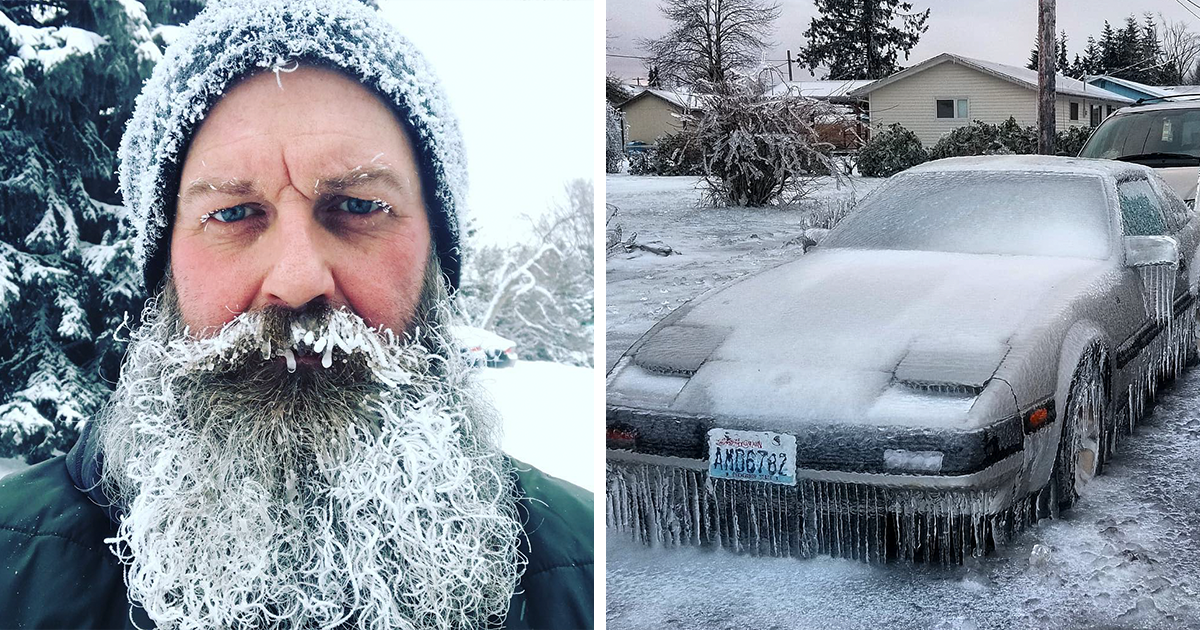
During major cold snaps in the United States and Canada, social media often becomes a gallery of winter chaos. People share frozen car doors, snowdrifts taller than porch railings, frost-covered eyelashes, and, yes, cracked windows. Some of the most widely shared examples came during severe North American cold spells, when residents in places such as Ontario, Alberta, Michigan, the Midwest, the Plains, and parts of the Northeast reported sudden cracks in home windows.
These photos spread because they capture the weirdness of extreme cold better than a weather map can. A forecast saying “dangerous wind chills” is serious, but a photo of a cracked bedroom window says, “The air outside has chosen violence.” It turns an invisible temperature drop into something visual, personal, and shareable.
The trend also reveals something important: winter weather is not just inconvenient. It affects buildings, infrastructure, transportation, plumbing, energy use, and personal safety. When temperatures fall far below normal, homes that are perfectly fine during ordinary winter days can suddenly show weak spots. Drafty frames leak air. Old seals fail. Condensation freezes. Pipes complain. Glass cracks. Furnaces work overtime like they are training for the Olympics.
Can Cold Weather Really Break a Window?
Yes, but usually not in the simple way people imagine. A window does not typically crack just because it is cold outside. If that were true, half of Canada would be living behind plywood by February. The bigger risk comes from rapid temperature changes or uneven temperatures across the glass.
Glass expands when it warms and contracts when it cools. That movement is tiny, but it matters. In winter, the outside surface of a window may be exposed to bitterly cold air while the inside surface is warmed by indoor heating. If sunlight hits one part of the glass while another part remains shaded, or if a furnace vent blasts warm air directly onto one area, the pane can experience uneven expansion and contraction. That difference creates thermal stress.
When the stress becomes stronger than the glass can handle, a crack can begin. It often starts at the edge of the pane, where glass may already have microscopic chips, scratches, or pressure from the frame. From there, the crack may travel inward in a long line. It can look as if the window randomly split overnight, but the cause may have been building quietly for years.
What Is Thermal Stress?
Thermal stress is the pressure created when different parts of the same material change temperature at different rates. Imagine pouring boiling water into an ice-cold glass. Sometimes it cracks because the inner surface expands quickly while the outer surface remains cooler. A house window can experience a similar problem during extreme winter weather, although the process is usually less dramatic and more sneaky.
In a cold snap, the edges of a window may remain very cold because they are held inside the frame. Meanwhile, the center of the pane may warm from sunlight or indoor heat. One part wants to expand. Another part wants to stay contracted. The pane becomes a tiny battlefield of temperature zones.
Several conditions make thermal stress cracks more likely:
- Large windows with wide exposed glass areas
- Older single-pane windows
- Small chips or scratches near the glass edge
- Windows installed too tightly in the frame
- Dark blinds, curtains, or objects trapping heat against the glass
- Heat vents blowing directly on a cold window
- Sudden outdoor temperature drops after a sunny winter day
- Partially shaded windows where one area warms faster than another
That is why two houses on the same street can experience the same temperature while only one gets a cracked window. The difference may be window age, installation, sun exposure, frame pressure, or one very enthusiastic heating vent doing its best impression of a dragon.
Why Extreme Cold in America and Canada Gets So Intense
North America is uniquely talented at producing dramatic winter weather. Canada contains vast northern regions that can hold very cold Arctic air. The United States stretches from the Gulf Coast to the northern Plains, giving weather systems plenty of room to cause mischief. When the jet stream dips south or the polar vortex becomes disrupted, Arctic air can spill into areas that are not always prepared for it.
The polar vortex is not a monster that escapes once a year, despite how headlines sometimes treat it. It is a large zone of low pressure and cold air around the poles. In winter, it can expand or shift, helping send frigid air southward. When that cold air combines with strong winds, the wind chill can make exposed skin lose heat dangerously fast.
That is why winter alerts matter. An air temperature of 5 degrees Fahrenheit is already cold. Add wind, and it can feel much colder to the body. Wind chill does not change the actual temperature of glass or metal, but it does increase danger for people and pets. It also signals that a serious cold outbreak is underway, the kind that can stress heating systems, freeze pipes, and reveal every draft your house has been hiding since Thanksgiving.
The Difference Between Cracked Glass, Failed Seals, and Condensation
Not every winter window problem is a broken pane. Homeowners often confuse cracked glass, failed window seals, frost buildup, and condensation. They are related to cold weather, but they are not the same issue.
Cracked Glass
A crack is a visible break in the pane. It may run from the edge inward, form a long diagonal line, or spread into branches. If the crack appeared without impact, thermal stress may be the cause.
Failed Window Seal
Modern insulated glass units often have two or three panes with sealed space between them. When the seal fails, moisture can enter that space. You may notice fog, haze, or droplets between panes. This does not always mean the glass is cracked, but it means the insulating unit is no longer performing as designed.
Interior Condensation
Condensation on the inside surface usually happens when warm indoor air meets cold glass. It can be a sign of high indoor humidity, poor ventilation, or older windows. If that moisture freezes, you may get frost patterns that look pretty until you realize your windows are basically writing poetry about poor insulation.
Why Some Windows Crack and Others Survive
Window survival during extreme cold depends on more than the temperature outside. A newer, properly installed double-pane or triple-pane window may handle cold weather much better than an older single-pane unit. Tempered or heat-strengthened glass may resist thermal stress better than standard annealed glass. A frame that allows slight movement may reduce pressure on the pane.
Location also matters. A south-facing window might get strong winter sun, warming the center of the glass while the edges remain cold. A recessed window may stay partly shaded, creating uneven temperatures. A window behind heavy curtains may trap warm air against the glass, increasing the difference between covered and uncovered areas.
Even furniture placement can play a role. A dark sofa, bookshelf, sign, or decorative panel placed close to a window can change how heat moves around the glass. Your interior design may be cozy, but your window may be whispering, “Please move the giant black bookcase before I become modern art.”
What to Do If Your Window Cracks During a Cold Snap
If a window cracks during extreme cold, treat it seriously. A cracked pane may still be standing, but it has lost strength. Do not press on it to “test” it. Glass does not appreciate curiosity.
First, Keep People and Pets Away
Move children, pets, and furniture away from the damaged window. If the crack spreads or the pane breaks, you want the area clear.
Second, Reduce Drafts Carefully
If the glass is intact but cracked, you may be able to temporarily cover the area with heavy plastic sheeting, cardboard, or a window insulation film from the inside. Avoid pushing hard against the pane. The goal is to reduce air leakage until a professional repair can be arranged.
Third, Do Not Use Hot Water
Never pour hot water on a frozen or cracked window. The sudden temperature change can make cracking worse. This is the home-maintenance version of poking a bear with a fondue fork.
Fourth, Call a Window or Glass Professional
During severe cold, emergency repair services may be busy, but cracked glass should be inspected. Depending on the window type, the fix may involve replacing a pane, replacing an insulated glass unit, or addressing frame problems.
How to Reduce the Risk of Cold Weather Window Damage
You cannot control Arctic air, but you can make your windows less vulnerable. The best prevention is boring in the way all good home maintenance is boring: inspect, seal, repair, repeat, then reward yourself with hot chocolate.
Seal Drafts Before Winter
Check around windows for air leaks. Weatherstripping, caulk, and window insulation kits can help reduce cold air infiltration. Drafts make rooms uncomfortable and can force heating systems to work harder.
Manage Indoor Humidity
Too much indoor humidity can cause condensation on cold glass. Use bathroom fans, kitchen vents, and dehumidifiers when needed. Keep air moving so moisture does not collect around windows.
Keep Heat Even
Avoid pointing space heaters or furnace vents directly at cold glass. Heat the room, not one dramatic square of window. Sudden hot spots increase thermal stress.
Open Curtains During Sunny Cold Days
Heavy curtains can trap heat against glass, especially if sunlight is involved. Opening them during the day can help temperatures stay more even across the pane.
Fix Chips Early
Small glass damage can become big glass damage during a freeze. If you notice chips or edge cracks before winter, have them evaluated.
Consider Upgrading Old Windows
If your windows are old, drafty, foggy between panes, or constantly frosted, replacement may improve comfort and energy efficiency. It may also reduce the odds of winter glass drama, which is the least charming kind of drama after group texts and airline boarding zones.
Extreme Cold Is Also a Safety Issue
The broken-window photos may be fascinating, but the bigger story is safety. Extreme cold can cause frostbite, hypothermia, carbon monoxide poisoning, frozen pipes, power outages, and dangerous travel conditions. When officials issue extreme cold warnings or winter storm alerts, take them seriously.
Dress in layers if you must go outside. Cover exposed skin. Bring pets indoors. Check on older neighbors, relatives, and anyone who may have limited mobility or unreliable heat. Keep phones charged, flashlights ready, and emergency supplies available.
Be especially careful with backup heat. Generators, grills, camp stoves, and charcoal burners should never be used indoors or near windows, doors, or vents. Carbon monoxide is invisible and deadly. A cracked window is bad; a generator in the garage is worse.
Also protect pipes. Open cabinet doors under sinks, let vulnerable faucets drip slightly, insulate exposed pipes, and keep indoor temperatures steady. Frozen pipes can burst and cause water damage that makes a cracked window look like a polite inconvenience.
Why These Photos Go Viral
Photos of cracked windows during cold snaps go viral because they combine fear, surprise, beauty, and a little bit of “I told you winter was out of pocket.” They are relatable even to people who have never seen minus-30 temperatures. Everyone understands that a house is supposed to protect you from the outside. When the outside starts leaving visible marks, it feels personal.
There is also a strange beauty to extreme cold. Frost feathers across glass. Snow turns streets quiet. Steam rises from vents like tiny urban volcanoes. Icicles hang from roofs in shiny rows. Then a window cracks, and suddenly the beauty has a warning label.
The best winter photos remind us that nature is powerful, architecture has limits, and people will absolutely document everything. Somewhere, in the middle of a brutal cold snap, a homeowner hears a pop, sees a crack, grabs a phone, and thinks, “Well, at least the internet will appreciate this.”
Real-Life Experiences: What It Feels Like When the Cold Starts Winning
There is a particular silence that comes with extreme cold. It is not peaceful in the soft, snowy greeting-card way. It is sharper than that. The street sounds different. Car tires crunch like they are driving over cereal. Doors resist opening. The air seems to bite before you even finish stepping outside. In the house, the furnace clicks on again and again, like a tired drummer trying to keep the band together.
People who have lived through severe cold snaps in the northern United States and Canada often describe the same little rituals. Towels get shoved against drafty doors. Curtains are opened, closed, and adjusted like stage equipment. Everyone becomes weirdly interested in the thermostat. Someone says, “Do not touch the windows,” as if the glass has become a museum artifact.
Then comes the noise. A crack in a cold window does not always sound like a movie explosion. Sometimes it is a small pop. Sometimes it is a sharp tick. Sometimes it is a sound you cannot identify at first, so you pause with a mug in your hand and stare around the room like the house just cleared its throat. When you finally notice the line across the glass, it feels unreal. A window that looked normal ten minutes ago now has a crack running through it like a frozen lightning bolt.
For renters, the first reaction is usually panic mixed with paperwork dread. “Is this my fault?” “Will the landlord believe me?” “How do I explain that winter broke the window?” For homeowners, the reaction is more practical but equally emotional: “How much is this going to cost?” “Can I tape it?” “Why did this happen on a Sunday night during a weather warning?” Because of course it happens when repair companies are closed, roads are icy, and everyone in a 40-mile radius is also having a home emergency.
Families in cold regions learn to respect windows as part of the home’s survival system. A window is not just a view. It is a barrier, an insulator, a weak point, and sometimes a weather reporter. Frost at the edges may reveal air leakage. Condensation may reveal humidity problems. A draft may reveal worn weatherstripping. A crack may reveal years of stress that finally met one spectacular cold night.
One common experience during extreme cold is the sudden awareness of every small flaw in a house. That tiny gap near the kitchen window that seemed harmless in October becomes a cold-air trumpet in January. The bedroom window that “always fogs a little” becomes a sheet of ice. The patio door becomes a frosty mural. The basement feels like a walk-in freezer with laundry machines.
And yet, communities often respond with humor. People post photos of frozen doorknobs, iced-over windows, snow tunnels, and cracked panes with captions that turn misery into comedy. That humor matters. It helps people compare notes, share warnings, and feel less alone when the weather becomes ridiculous. A photo of a broken window is not just a complaint; it is a tiny survival postcard from the cold front.
The experience also teaches practical lessons. Keep emergency plastic sheeting in the house. Know where the main water shutoff is. Do not ignore drafts. Do not aim a space heater at glass. Keep a carbon monoxide detector working. Have a repair contact saved before winter turns your window into abstract art. Extreme cold is easier to handle when preparation has already happened.
Most of all, these experiences remind us that winter is not only a season. In parts of America and Canada, winter is a full-contact sport with weather alerts, frozen eyelashes, stubborn cars, heroic furnaces, and occasionally windows that decide they have had enough. The photos may be funny online, but behind each one is a real household trying to stay warm, safe, and slightly less annoyed at physics.
Conclusion
When people post photos of windows breaking during extreme cold in America and Canada, they are not just sharing strange winter content. They are showing what happens when intense weather meets real homes, aging materials, and the invisible forces of thermal stress. A cracked window may look sudden, but it often comes from uneven heating, tiny flaws, installation pressure, failed seals, or old glass pushed past its limit.
The good news is that many cold-weather window problems can be reduced with smart preparation: seal drafts, manage humidity, keep heat even, inspect old windows, and avoid sudden temperature shocks. The even better news is that every winter disaster story gives the rest of us a chance to learn before our own living room window starts making suspicious noises.
Note: This article is for general informational and editorial use. For cracked glass, structural window damage, failed insulated glass units, or emergency winter repairs, contact a qualified window professional or local safety authority.

