
Beauty Tools & Accessories
Is Ketamine Addictive When Used for Depression? What to Know
Jul
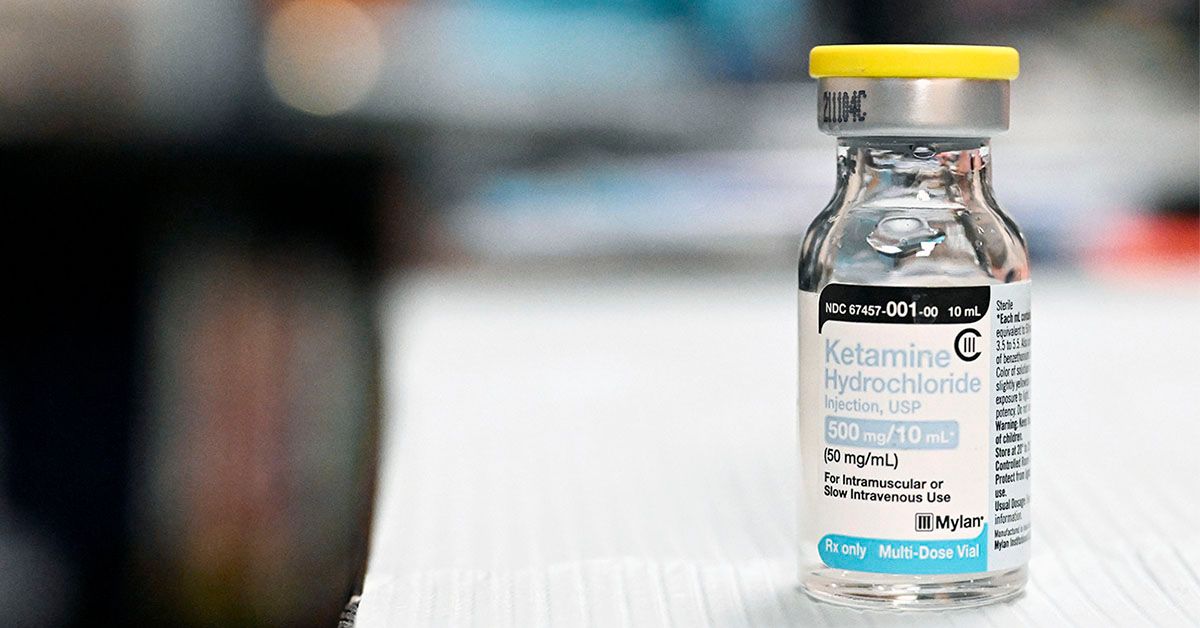
Ketamine can be addictive, but that does not mean every person receiving ketamine for depression will develop an addiction. Research to date suggests that the risk is relatively low when carefully selected patients receive controlled doses in a supervised medical program. The risk is not zero, however, especially with frequent dosing, unsupervised at-home use, dose escalation, or a history of substance misuse.
In other words, ketamine is neither a miracle mist with no downside nor a guaranteed express train to addiction. It is a powerful controlled medication that requires sensible screening, monitoring, and follow-up.
Can Ketamine Used for Depression Be Addictive?
Yes. Ketamine has recognized abuse and dependence potential. It can produce pleasurable or unusual effects, including euphoria, relaxation, altered perception, emotional detachment, and dissociation. Some people may begin craving those effects or using the drug more often than prescribed.
However, addiction during professionally supervised depression treatment appears to be uncommon in the clinical research conducted so far. Most studies have involved limited doses, structured schedules, medical observation, and patients who were screened for substance-related risks. Those conditions are very different from repeatedly using high doses without medical oversight.
The most accurate answer is therefore: ketamine can be addictive, but addiction is not an expected or inevitable result of properly managed ketamine treatment.
Ketamine and Esketamine Are Related but Not Identical
Discussions about ketamine treatment can become confusing because people often use the word “ketamine” to describe two related medications.
Racemic ketamine
Traditional ketamine contains two mirror-image forms of the molecule. The FDA has approved this medication as an anesthetic, not as an antidepressant. Doctors may nevertheless prescribe it off-label for treatment-resistant depression, most commonly through an intravenous infusion. Some clinics also use injections, compounded nasal sprays, lozenges, or tablets.
Esketamine nasal spray
Esketamine contains one part of the ketamine molecule and is sold under the brand name Spravato. The FDA has approved it for treatment-resistant depression in adults, either by itself or with an oral antidepressant. It is also approved with an oral antidepressant for depressive symptoms in adults with major depressive disorder and acute suicidal thoughts or behavior.
Esketamine must be administered in a certified healthcare setting. Patients use the spray under direct observation and are monitored for at least two hours because of possible sedation, dissociation, breathing problems, blood pressure changes, abuse, and misuse. The medication is not handed over like an ordinary bottle of allergy spray for casual use at home.
What Does “Addictive” Actually Mean?
Several related terms are often tossed into the same vocabulary blender. Understanding the differences can make the risk easier to evaluate.
Misuse
Misuse means taking ketamine in a way that differs from the treatment plan. Examples include taking extra doses, using someone else’s medication, combining it with other intoxicating substances, or using it mainly to experience dissociation or euphoria.
Tolerance
Tolerance occurs when a person needs a larger amount to obtain the same effect. A change in clinical response does not automatically prove addiction, but repeatedly requesting higher doses deserves careful evaluation.
Physical dependence
Physical dependence means the body has adapted to repeated exposure. Stopping heavy or frequent use may produce symptoms such as anxiety, insomnia, low mood, restlessness, sweating, or craving. Physical dependence can occur without compulsive addiction, although the two may overlap.
Ketamine use disorder
Ketamine use disorder involves a pattern of compulsive use despite physical, psychological, financial, social, or occupational consequences. The person may feel unable to control how much they use, spend significant time obtaining the drug, or continue despite knowing it is causing harm.
Why Supervised Depression Treatment May Carry Less Risk
The setting matters enormously. A medication administered according to a structured medical protocol is not equivalent to unrestricted recreational use.
Several safeguards can reduce the likelihood of addiction:
- Controlled dosing: Depression protocols generally use doses below those used for surgical anesthesia.
- Scheduled sessions: Treatment occurs according to a planned induction and maintenance schedule rather than whenever a patient feels like using the drug.
- Clinical screening: Providers should review substance use history, current medications, cardiovascular health, psychiatric diagnoses, and previous reactions to ketamine.
- On-site observation: Blood pressure, alertness, breathing, perception, and behavior can be monitored during and after treatment.
- Limited access: FDA-approved esketamine remains in the certified healthcare system rather than being stored in a patient’s medicine cabinet.
- Outcome tracking: Depression rating scales and regular appointments help determine whether treatment is actually improving daily function.
These protections do not magically erase the drug’s abuse potential. They simply make unnoticed escalation considerably more difficult.
What Factors Can Increase the Risk of Ketamine Addiction?
No single checklist can perfectly predict who will develop a problem. Still, clinicians pay special attention to several warning factors.
A history of substance use disorder
Past addiction does not automatically disqualify every person from treatment, but it calls for a detailed assessment. Current ketamine misuse, active substance misuse, or a moderate to severe substance use disorder may make ketamine treatment inappropriate in some programs.
Unsupervised or loosely monitored use
At-home compounded ketamine may offer convenience, but it also reduces direct observation. There can be greater opportunities to take extra doses, use the medicine too frequently, combine it with alcohol or sedatives, or share it with someone else.
Escalating dose or frequency
Needing an occasional treatment adjustment is not automatically suspicious. Repeatedly using more than directed, shortening the interval between sessions, or visiting multiple prescribers is more concerning.
Chasing the experience rather than recovery
A patient may appreciate feeling relaxed during a session without being addicted. Concern rises when obtaining the “floaty,” detached, or euphoric experience becomes more important than improving sleep, relationships, work, self-care, and depressive symptoms.
Poor coordination of care
Ketamine should ideally be one part of a comprehensive mental health plan. Risk may increase when a clinic does not communicate with the patient’s psychiatrist, does not verify the diagnosis, and offers medication without meaningful follow-up.
Warning Signs of Ketamine Misuse or Addiction
Patients and family members should report concerning changes early. Warning signs may include:
- Thinking about ketamine constantly between appointments
- Strong cravings or feeling unable to wait for the next scheduled treatment
- Taking more than prescribed or using it on unapproved days
- Seeking additional prescriptions from multiple clinics
- Using ketamine mainly to become intoxicated or escape ordinary emotions
- Combining it with alcohol, opioids, benzodiazepines, or other sedatives without medical approval
- Hiding use, lying about doses, or becoming defensive when questioned
- Continuing despite memory, urinary, financial, relationship, or work problems
- Feeling that normal activities are dull unless ketamine is involved
Wanting depression relief is not itself evidence of addiction. A person whose symptoms return may understandably ask when another treatment is due. The important questions are whether use remains controlled and whether the person is pursuing symptom recovery rather than intoxication.
Other Risks of Repeated Ketamine Use
Addiction is only one part of the safety picture. Short-term side effects can include dizziness, nausea, vomiting, anxiety, blurred vision, sedation, impaired judgment, increased blood pressure, and dissociation. Some patients describe feeling separated from their body or as though time has temporarily misplaced its wristwatch.
Because thinking, coordination, and reaction time may remain impaired, patients need transportation home. People receiving esketamine are instructed not to drive or operate machinery until the following day after a restful night of sleep.
Frequent or heavy misuse has also been associated with serious urinary tract and bladder problems, sometimes called ketamine cystitis. Warning symptoms include painful urination, urgency, frequent urination, pelvic pain, or blood in the urine. Long-term heavy exposure may also affect memory, cognition, the liver, or bile ducts.
The long-term safety of ongoing psychiatric ketamine treatment remains less certain than its short-term effects. This uncertainty is one reason responsible programs use the lowest effective frequency and regularly reconsider whether continued treatment is justified.
How to Find a Safer Ketamine Treatment Program
Before beginning treatment, patients should receive clear answers to practical questions rather than a sales pitch decorated with words such as “breakthrough” and “transformation.” Useful questions include:
- Who evaluates whether I have treatment-resistant depression?
- Will you review my substance use history and current medications?
- Who will monitor me during treatment, and what emergency equipment is available?
- How are blood pressure, breathing, sedation, and dissociation assessed?
- Will you communicate with my psychiatrist or primary mental health provider?
- How will you measure whether my depression and daily functioning improve?
- What is the plan if I develop cravings, tolerance, side effects, or misuse?
- When will treatment be reduced or discontinued if it is not helping?
A cautious provider should be willing to discuss limitations, alternatives, and uncertainties. A clinic that guarantees a cure, minimizes all addiction risk, or distributes large quantities with little monitoring deserves skepticism.
What to Do If You Are Worried About Dependence
Tell the prescribing clinician directly if you are using more than planned, thinking about ketamine frequently, or feeling drawn to its intoxicating effects. Honest disclosure allows the treatment team to change the dosing schedule, tighten dispensing controls, involve an addiction specialist, or choose another depression treatment.
Do not attempt to manage escalating use by purchasing ketamine from an unregulated source. Illicit products may contain an unpredictable dose or an entirely different substance.
Seek urgent medical help for severe breathing difficulty, loss of consciousness, chest pain, extreme confusion, dangerous behavior, or symptoms of a hypertensive emergency. New or worsening suicidal thoughts require immediate professional support. In the United States, call or text 988 for the Suicide & Crisis Lifeline, or call 911 when there is immediate danger.
Experiences Related to Ketamine Treatment and Addiction Concerns
The following scenarios are composites based on commonly discussed treatment experiences. They are not quotations from specific patients and should not be treated as predictions of how any individual will respond.
Experience 1: Rapid relief without craving
One common treatment story begins with a patient who has spent years cycling through antidepressants. After a medically supervised infusion, the person notices that ordinary tasks feel possible again. Taking a shower does not seem like an expedition across Antarctica. Music sounds interesting, food has flavor, and answering a friend’s text no longer requires a committee meeting.
The patient may also experience temporary dissociation during the session but does not particularly enjoy it or seek to repeat it. What matters is the improvement afterward. The person follows the dosing schedule, attends therapy, and does not think about ketamine between visits. This pattern suggests therapeutic use rather than addiction.
Experience 2: Wanting another session because symptoms return
Another patient feels better for several days, then notices depression gradually returning. The person becomes eager for the next appointment and worries that this eagerness means addiction.
It may not. Wanting an effective treatment when symptoms reappear is similar to wanting a migraine medication when another migraine begins. Clinicians examine the full pattern: Is the patient requesting treatment according to the agreed schedule? Is daily functioning improving? Is there craving for intoxication, secret use, or dose escalation?
The distinction is not always obvious, which is why an honest conversation is more useful than either panic or denial. The treatment team may adjust maintenance intervals, strengthen psychotherapy, reconsider conventional medication, or explore alternatives such as transcranial magnetic stimulation.
Experience 3: The treatment experience becomes the main attraction
A more concerning pattern develops when a person begins focusing less on depression recovery and more on the dissociative session itself. The patient asks for stronger doses despite acceptable symptom control, spends hours anticipating the altered state, or becomes disappointed when a treatment feels less intense.
Later, the person takes an extra at-home dose following a difficult day. The additional use is hidden from the clinician because “it was only once.” Then once becomes twice, and the dosing calendar starts looking less like medical treatment and more like creative accounting.
This does not prove severe addiction, but it is an important early warning. Rapid intervention may prevent a more entrenched pattern. Options can include stopping take-home access, increasing monitoring, involving a substance use specialist, and switching depression treatments.
Experience 4: Improvement requires work after the session
Some patients describe ketamine as opening a window rather than rebuilding the entire house. The medication may briefly reduce hopelessness or rigid negative thinking, but lasting recovery still requires practical changes.
Patients often benefit from using periods of symptom relief to reestablish sleep routines, reconnect with supportive people, attend psychotherapy, exercise when medically appropriate, and address stressful conditions that medication cannot solve. A treatment plan focused only on the next dose can become fragile, even when no addiction is present.
The healthiest experience is usually one in which ketamine supports broader recovery. The goal is not to become excellent at attending ketamine appointments. The goal is to build a life in which depression has less control.
The Bottom Line
Ketamine has genuine addictive potential, particularly when it is used frequently, taken in escalating doses, or consumed without close medical supervision. Nevertheless, available evidence suggests that addiction is relatively uncommon in carefully screened adults receiving structured ketamine or esketamine treatment for depression.
Patients should not interpret “relatively uncommon” as “impossible.” Safe treatment requires appropriate diagnosis, controlled access, substance use screening, monitoring, honest reporting, and a long-term mental health plan. Ketamine may provide rapid and meaningful relief for some people with treatment-resistant depression, but it works best when treated as serious medicinenot a wellness souvenir with mood lighting.

