
Skincare
IKEA’s First-Ever Style Guide Predicts 4 New Design Movements
Jul
If home design trends had a family reunion, IKEA would be the relative who shows up with practical shoes, a clever storage basket, and unexpectedly strong opinions about your throw pillows. So when the brand released its first-ever style guide and pointed to four design movements worth watching, people paid attention. Not because IKEA suddenly became a fortune teller with an Allen wrench, but because the company has always been unusually good at translating big design moods into real homes, real budgets, and real people who still need somewhere to put the laundry hamper.
The headline from the guide is simple: four distinct looks were rising to the surfacewarm minimalism, Swedish roots, modern playfulness, and Scandinavian folklore. On paper, these sound like trendy labels cooked up in a branding lab. In reality, they reflect something more useful: how people want their homes to feel. Less cold. Less performative. More personal. More comforting. More alive.
That is why this guide matters beyond IKEA shopping carts and meatball breaks. These four design movements do not just predict what a stylish room may look like. They explain why so many homeowners are moving away from stark, sterile spaces and toward rooms with texture, memory, humor, and warmth. In other words, the era of homes that look like nobody actually lives in them is starting to lose its grip. And honestly, about time.
Why IKEA’s Style Guide Caught So Much Attention
IKEA sits in a unique place in the design world. It is not a boutique showroom selling a single sculptural chair for the price of a used car. It is a mass retailer with an unusually good pulse on how everyday people live. That makes its trend predictions interesting because they are not just about runway aesthetics for your living room. They are about function, affordability, comfort, and mood.
What makes the guide especially smart is that these four design movements are not opposites fighting for your attention. They overlap. Warm minimalism can borrow from Swedish roots. Modern playfulness can sit beside Scandinavian folklore. The whole point is not to pledge loyalty to one style like it is a sports team. The point is to build a home that feels layered, adaptable, and human.
That blend-first mindset is also why the guide resonates. People are increasingly less interested in decorating by strict rulebook. They want rooms that look curated, not copied. They want style with a pulse. IKEA’s predictions work because they acknowledge a bigger truth: the best homes are rarely one-note.
Design Movement #1: Warm Minimalism
Warm minimalism is what happens when minimalism finally drinks a cup of tea, relaxes its shoulders, and admits that beige alone cannot carry an entire personality. This movement keeps the clean lines and uncluttered structure associated with minimalist design, but softens the look with richer neutrals, tactile materials, and a more inviting atmosphere.
Think warm woods, muted pinks, earthy browns, soft blues, woven baskets, linen upholstery, ribbed glass, velvet accents, and lighting that says “stay awhile” instead of “welcome to the dentist’s office.” The mood is edited, but not severe. Calm, but not boring. Organized, but not robotic.
The appeal is obvious. People still want less visual chaos, especially in homes that do double or triple duty as office, refuge, family zone, and weekend crash pad. But they also want softness. Texture. A sense that the room is hugging them back. Warm minimalism answers that need beautifully.
How to bring warm minimalism home
Start with a quiet base: creamy whites, mushroom tones, soft taupes, or muted clay shades. Add natural materials that keep the room from feeling flatoak, ash, jute, boucle, linen, ceramic, stone. Then layer in subtle contrast through shape and touch. A sleek sofa can live happily beside a chunky knit throw. A simple shelf looks better with handmade pottery than with a parade of identical decor objects pretending to be spontaneous.
The trick is restraint with personality. Warm minimalism is not anti-decoration. It is anti-random clutter. Every piece should earn its place, either by being useful, beautiful, or both. If it does all three, congratulations: that item is the teacher’s pet.
Design Movement #2: Swedish Roots
Swedish roots takes the familiar DNA of Scandinavian design and reconnects it to daily life. It leans into natural tones, blonde wood, practical layouts, and casual spaces made for gathering. But unlike ultra-sleek interpretations of Nordic style, this movement feels a little more relaxed, lived-in, and family-centered.
There is something refreshingly grounded about it. Swedish roots is not trying to impress your guests with design jargon. It wants the room to work. It wants people to sit down, have coffee, stay for dinner, and maybe accidentally remain until dessert appears. It balances order and coziness without turning into visual mush.
This is where IKEA’s heritage shows up most clearly. Swedish roots is democratic design at its best: simple forms, useful furniture, approachable colors, and an emphasis on everyday comfort. It proves that a room can feel elevated without acting snobby about it.
How to make Swedish roots feel real
Use light woods generously, then ground them with soft whites, dusty greens, muted blues, and warm neutrals. Add stripes, checks, or small-scale patterns for quiet energy. Choose pieces that do something: benches with storage, sideboards that hide clutter, tables that can survive both homework and pasta night.
Most important, leave room for life. Swedish roots is not about arranging a room like a museum display. It is about making a home feel ready for company, kids, pets, hobbies, and all the charming chaos that comes with actual living.
Design Movement #3: Modern Playfulness
If warm minimalism is the calm friend who always remembers to charge their phone, modern playfulness is the one who shows up in colorful socks and somehow makes the whole room more fun. This movement embraces contrast, curves, bright accents, unexpected materials, and bold patterns without losing functionality.
It is not chaotic maximalism for maximalism’s sake. It is more thoughtful than that. Modern playfulness mixes soft textiles with metal, organic shapes with crisp lines, and natural woods with plastics or glossy finishes. The result feels urban, upbeat, and creativelike a room that knows how to host a dinner party without taking itself too seriously.
This design movement also reflects a broader shift in interiors: people are less afraid of joy. After years of highly controlled neutral spaces, color and whimsy are making a comeback. Not because everyone suddenly wants a clown house, but because expressive design feels emotionally honest. A home can be stylish and still have a sense of humor. Shocking, I know.
How to use modern playfulness without going overboard
Pick one or two energetic colors and let them punctuate the room through lamps, art, chairs, cushions, or tableware. Bring in rounded shapes to soften the layout. Try stripes, checkerboard, or graphic motifs in small doses. Then give those bolder moments a steady backdropwood floors, neutral upholstery, white walls, or simple storage pieces.
Modern playfulness works best when it feels intentional. You are aiming for delight, not visual shouting. A transparent chair, a sculptural lamp, a punchy rug, or a cheerful side table can change the mood of a room faster than a full makeover ever could.
Design Movement #4: Scandinavian Folklore
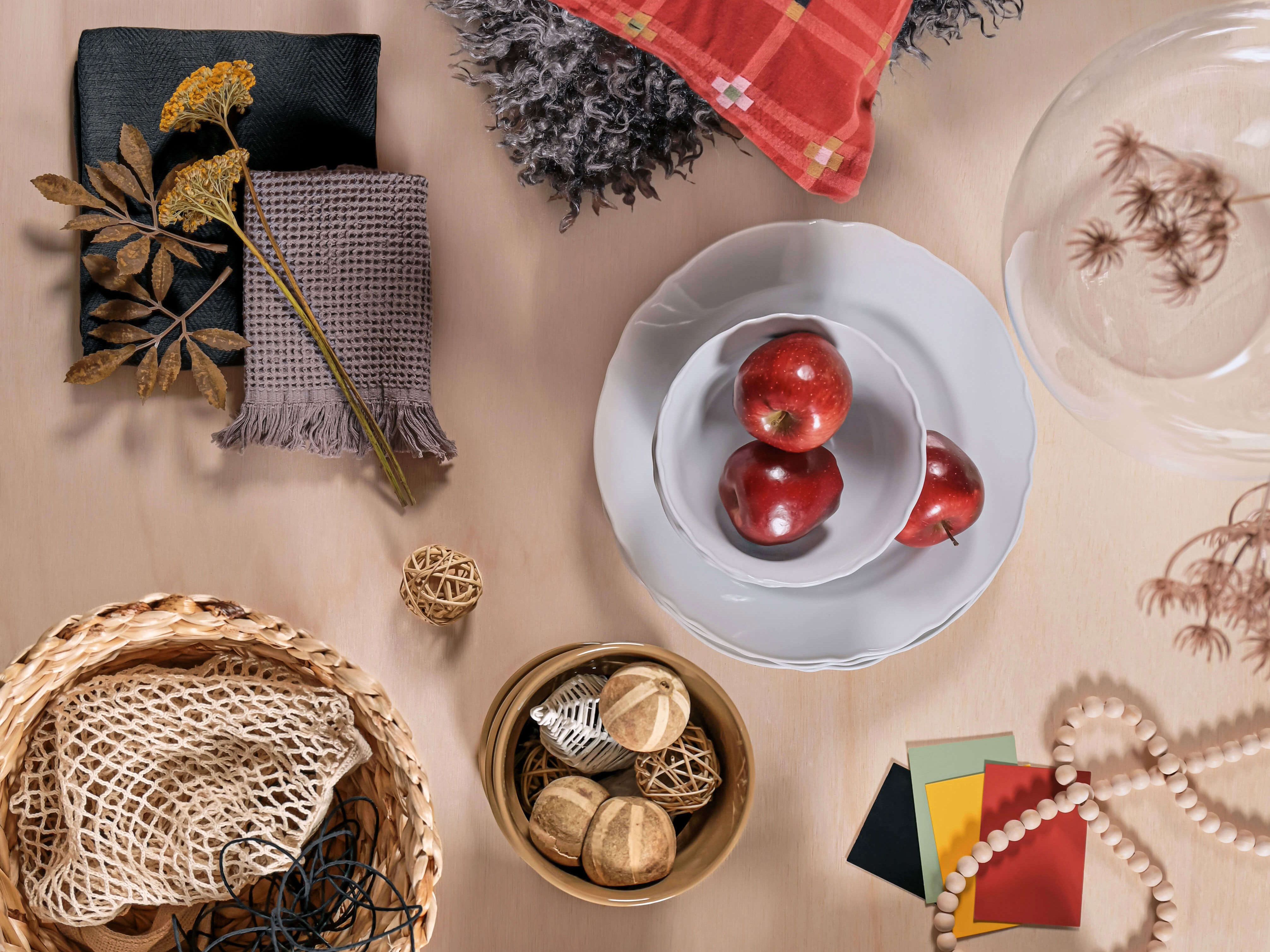
Scandinavian folklore is where rustic charm, nature, tradition, and a little storytelling all sit down together. Inspired by rural Nordic life, this movement draws on simple furniture, natural materials, saturated but earthy colors, handmade details, and a cozy sense of heritage.
It feels warmer and more romantic than classic Scandinavian minimalism. You might see embroidered textiles, painted wood, baskets, floral or folk-inspired patterns, leafy greens, mustard yellows, deep reds, and furniture that looks like it has been around long enough to know a few secrets. The mood is humble, welcoming, and rooted in place.
Part of the appeal here is emotional. People are craving interiors with memory and meaning. Scandinavian folklore answers that by making room for craft, tradition, and nature. It does not need everything to be sleek or new. In fact, it is better when a room feels a little collected over time.
How to get the look
Mix practical wood pieces with softer handcrafted accents. Add botanical prints, woven textures, ceramic vessels, old-fashioned lighting, and textiles that feel homespun rather than polished to perfection. Plants help, toonot in a jungle-took-over-the-kitchen way, but in a grounded, bring-the-outside-in way.
The best Scandinavian folklore spaces feel like they were built slowly, with affection. They invite you to sit, read, bake something unnecessary but comforting, and possibly start using the word “cozy” more than your friends can tolerate.
What These Four Movements Say About Where Design Is Going
The smartest thing about IKEA’s guide is that it does not really predict four isolated trends. It maps four emotional directions in design. Together, they suggest that people want homes that are calmer, softer, more flexible, more expressive, and more connected to nature.
That means cold minimalism is giving way to warmer restraint. Perfectly matched furniture sets are being replaced by layered mixes. Sharp austerity is losing ground to tactility. And overly generic rooms are being challenged by spaces with humor, nostalgia, and personal quirks.
In plain English, homeowners want rooms that look good on a screen but feel even better in real life. They want beauty that can survive a Tuesday. IKEA’s four design movements capture that shift with surprising accuracy.
How to Blend the Four Movements in One Home
You do not need one room for each trend unless you live in a mansion and have a dedicated “Scandinavian folklore turret,” in which case, congratulations. Most homes work better when these movements mix.
A living room might use warm minimalism as its base, then borrow modern playfulness through a bold lamp and patterned pillows. A kitchen could lean Swedish roots with light wood and practical storage, then gain a folklore touch through ceramics, greenery, and a woven runner. A bedroom might stay simple and warm, but add one playful color or one nostalgic textile for character.
The easiest way to blend them is to choose a dominant mood and one supporting note. Keep the larger pieces calm and functional. Let smaller items carry the personality. That balance makes a home feel intentional instead of confused.
Real-Life Experiences: What These IKEA Design Movements Actually Feel Like at Home
Here is the part trend reports do not always say out loud: design movements are only useful if they improve daily life. The real test is not whether a room photographs well. It is whether the room makes mornings smoother, evenings calmer, and ordinary routines a little more enjoyable.
Warm minimalism tends to have the fastest payoff. People often notice that a room feels quieter almost immediately. Not silent, exactly, but less demanding. Fewer visual distractions can make a small apartment feel more breathable. A warm lamp, a textured throw, and better-hidden storage can make even a modest room feel more intentional. The experience is subtle but powerful. You walk in and think, “Ah, yes, my blood pressure and my coffee now have a healthier relationship.”
Swedish roots usually shines in shared spaces. Dining areas feel more welcoming. Living rooms become easier to use because the furniture is practical instead of precious. Families gravitate toward these spaces because they feel ready for real life. Kids can color at the table. Friends can drop by. Someone can curl up with a blanket without worrying that they are ruining the “look.” That lived-in ease is part of the charm. It feels designed, but not uptight.
Modern playfulness creates a different kind of experience: energy. Even one or two bolder pieces can shift the mood of an entire room. A colorful chair, funky lamp, or graphic rug makes the space feel more awake. People often respond to these details emotionally before they can explain them. They smile more. They linger longer. The room feels less like a background and more like a participant in daily life. Done well, playful design can make a home feel creative instead of cautious.
Scandinavian folklore tends to connect people to memory. That may sound dramatic for a basket and a floral cushion, but it is true. Rustic textures, earthy tones, handmade-looking pieces, and old-world touches often create a sense of familiarity. The space feels comforting in a deeper way, as if it remembers slower rituals: reading by a lamp, baking on weekends, watering plants in the morning, setting the table even when no guests are coming. It encourages homemaking, not just decorating.
What is especially interesting is how these movements can change behavior. Better storage often means less friction. More natural materials can make a room feel grounded. Warmer palettes soften the emotional tone of a space. Playful details can break the habit of making every room look “safe.” People who experiment with these styles often discover that good design is less about impressing visitors and more about supporting everyday rituals.
That may be the most useful lesson in IKEA’s first style guide. Trends come and go, but the experience of a home matters more than the label attached to it. If a room helps you breathe easier, gather more often, smile more quickly, or feel more like yourself, then the design is doing its job. And if it also happens to look great? Even better. That is what we call a very stylish bonus.
Conclusion
IKEA’s first-ever style guide is more than a list of pretty rooms and catchy labels. It is a snapshot of what people want from home right now: comfort without boredom, order without sterility, nostalgia without stuffiness, and personality without chaos. Warm minimalism, Swedish roots, modern playfulness, and Scandinavian folklore each offer a different route to that goal, but they all point in the same directiona home that feels more human.
That is why these four design movements matter. They are not just trend forecasts. They are decorating permission slips. Permission to soften a minimalist room. Permission to add color. Permission to embrace wood, texture, craft, pattern, and memory. Permission to make your home feel like it belongs to you instead of to an algorithm.
And honestly, that may be the chicest design movement of all.
SEO Tags

