
Skincare
I Turned A 3 Year Old Into An Old Hag!
Jul
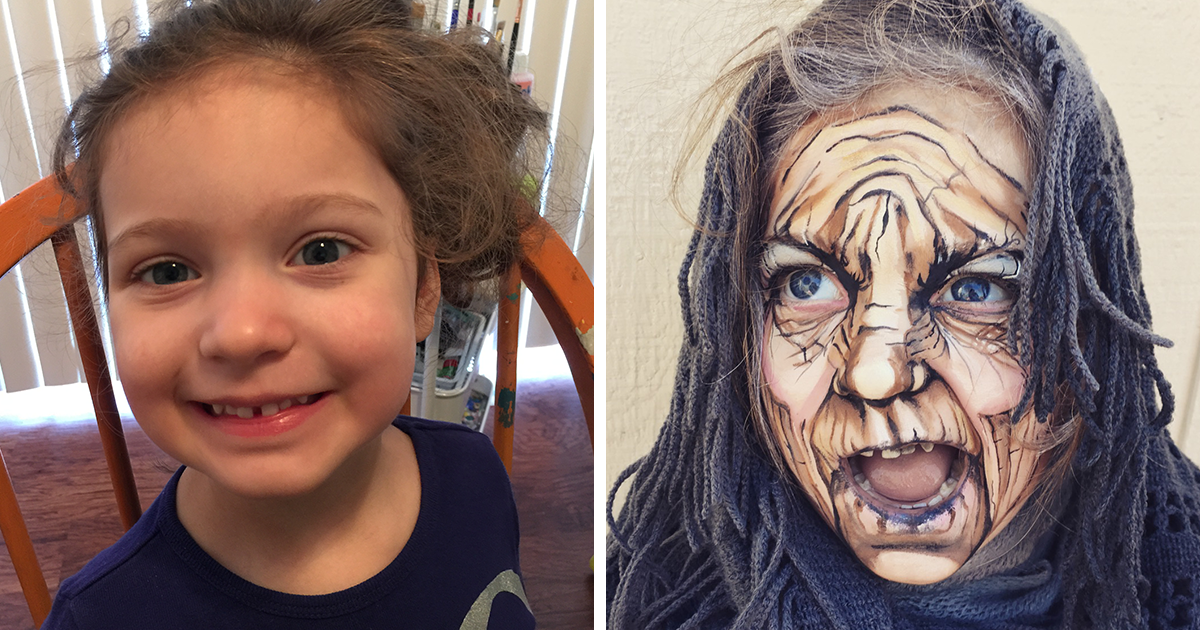
It started, as most questionable modern decisions do, with a phone, a bored adult, and a photo-editing app promising “instant aging magic.” One minute, there was a sweet 3-year-old with snack crumbs on her shirt and the confidence of a tiny CEO. The next minute, thanks to an AI aging filter, she had silver hair, dramatic wrinkles, and the facial expression of someone who has been disappointed by every restaurant bread basket since 1974.
“I turned a 3 year old into an old hag!” sounds like the opening line of a fairy tale written by a sleep-deprived aunt with Wi-Fi. But in the age of viral filters, face-swap tools, and AI photo editing, it also raises surprisingly real questions. Is it harmless family fun? Is it okay to post edited pictures of kids online? What happens when a silly image becomes part of a child’s digital footprint? And can we laugh at a goofy transformation without making aging itself the punchline?
This article takes a playful look at the trend while keeping one foot planted firmly in common sense. We will explore why aging filters are so addictive, how to make kid-related content safer, why consent matters even when the child is too young to understand the internet, and how to keep humor kind. Because yes, the tiny grandma filter may be funny. But the internet has a memory longer than a toddler’s negotiation over bedtime.
What Does “I Turned A 3 Year Old Into An Old Hag!” Really Mean?
Let’s clear the fog machine first: nobody is literally turning a child into an elderly woman. The phrase is internet-style exaggeration, usually describing a photo, video, costume, or AI filter that makes a young child look comically old. Think gray wig, fake glasses, a shawl, a serious stare, and maybe a purse full of imaginary butterscotch candies.
The phrase works because of contrast. A 3-year-old is associated with chubby cheeks, big emotions, sticky hands, and wild optimism. An “old hag” character, in classic folklore or comedy, is exaggerated as cranky, mysterious, wrinkled, and dramatic. Put those ideas together and the visual surprise creates instant humor. The joke is not that older people are bad; the joke is that a toddler suddenly looks like she has strong opinions about property taxes.
Still, words matter. “Old hag” can sound rude or ageist if used carelessly. A better framing for a family-friendly post might be “tiny grandma makeover,” “toddler aging filter,” or “my 3-year-old as a retired neighborhood legend.” You can keep the joke without treating aging like a horror movie. That is the secret sauce: funny, not mean.
Why AI Aging Filters Became So Addictive
AI aging filters are popular because they compress time into one tap. Humans are naturally curious about the future, especially when the future has crow’s feet and suspiciously excellent cheekbones. These apps analyze a face, detect features, and generate a version that appears older by adding skin texture, facial lines, gray hair, and changes in facial structure.
For adults, aging filters can feel nostalgic, funny, or even emotional. For kids, the effect is usually pure comedy because the mismatch is so extreme. A toddler with a “grandma face” looks like a person who still needs help tying shoes but also somehow knows the best day to buy produce.
The Viral Formula: Surprise + Cuteness + Relatability
The reason these posts spread quickly is simple. They have three viral ingredients: surprise, cuteness, and relatability. People stop scrolling because the image is unexpected. They laugh because the child is adorable. Then they share it because nearly everyone has wondered what someone might look like decades from now.
Add a witty caption, and the post practically grows legs. “She said she remembers when apples were a nickel.” “He asked for his pension and a juice box.” “She has lived through three recessions and one missed nap.” The internet loves a tiny elder with toddler energy.
The Fun Part: Creative Ways People Make the Transformation
The AI aging filter is only one version of the trend. Some families go full costume mode, which often creates a more charming and less privacy-sensitive result than uploading a child’s face into an unknown app. A soft cardigan, toy glasses, a gray yarn wig, and a serious pose can create a hilarious “old soul” look without relying on biometric-style editing.
1. The Classic Tiny Grandma Look
This version usually includes a floral dress, cardigan, pearls, oversized glasses, and a handbag that looks like it contains tissues, coupons, and emergency crackers. The child does not need to understand the full joke; the charm comes from the adult styling and the toddler’s naturally chaotic seriousness.
2. The Little Retiree Character
Another funny approach is turning the child into a “retired legend.” Add a sun hat, slippers, a newspaper, and a cup of pretend tea. The caption can do the heavy lifting: “She retired after 42 years in the snack industry.” This keeps the humor playful while avoiding insulting language.
3. The Before-and-After AI Aging Filter
The most common digital version shows the original child photo beside the aged version. This can be hilarious, but it is also where privacy concerns begin. Before uploading a child’s face to any editing platform, parents and caregivers should think carefully about where the image goes, how long it is stored, and whether the platform can use it for other purposes.
The Serious Side: Kids, Photos, and Digital Footprints
A funny picture may feel temporary, but online content can travel farther than expected. Screenshots, shares, reposts, and platform archives can keep an image alive long after the original poster forgets about it. That is especially important when the subject is a child.
Children cannot fully understand or consent to the long-term consequences of having their images posted online. A 3-year-old may happily pose today, then feel embarrassed years later when classmates discover a goofy edited photo. Parents often share from a place of love, pride, and humor, but the child is still the person who may inherit the digital footprint.
Ask Before You PostEven When They Are Small
With very young children, consent is not the same as adult consent. A toddler cannot evaluate privacy policies or future social consequences. Still, caregivers can practice respect by asking simple questions: “Can I take your picture?” “Do you like this photo?” “Should we keep it just for family?” These small habits teach children that their image and comfort matter.
As children grow older, they should have more say. A family rule can help: no embarrassing, bathroom, tantrum, medical, or private-location photos online. If the image could make the child feel exposed later, keep it off public platforms. The joke should never be more important than the child.
Privacy Tips Before Using an AI Face Filter on a Child
Before turning a toddler into a tiny elderly legend, take a minute to check the basics. Many photo apps process images through servers, collect data, or store uploads. Some may use facial data to improve algorithms. Not every app is dangerous, but not every app deserves automatic trust either.
Read the App’s Privacy Policy
Yes, privacy policies are about as exciting as watching oatmeal dry. But look for key details: Does the app store uploaded images? Does it use data for training AI systems? Can you delete your images? Does it share information with third parties? If the answers are vague, that is a red flag wearing tap shoes.
Avoid Publicly Posting Identifiable Details
Do not pair a child’s face with full name, birthday, school name, home location, or daily routine. A funny edited picture becomes riskier when it includes too much personal information. Keep captions silly but vague. “Grandma mode activated” is safer than “Emma from Lincoln Preschool turns 3 today at our house on Maple Street.”
Use Private Sharing When Possible
Family group chats, private albums, or printed keepsakes can be better than public posts. The goal is to enjoy the laugh without giving the entire internet a permanent invitation to the family scrapbook.
How to Keep the Joke Funny Without Being Ageist
Here is where the phrase “old hag” needs a tiny timeout in the manners chair. Aging is not a failure, a punishment, or a monster costume. Wrinkles, gray hair, and age lines are normal parts of being human. If the entire joke is “old people look bad,” the joke needs a rewrite.
A kinder joke focuses on personality, contrast, and imagination. Instead of “She looks terrible,” try “She looks like she knows which grocery store has the best tomatoes.” Instead of mocking wrinkles, joke about wisdom, dramatic opinions, early bedtimes, or the sudden appearance of retirement energy.
Better Caption Ideas
Try captions like:
- “She has seen things. Mostly Paw Patrol, but still.”
- “Three years old, but emotionally ready to complain about interest rates.”
- “She asked for a cookie and a senior discount.”
- “Grandma mode: activated. Nap schedule: non-negotiable.”
- “She remembers when screen time was just staring out a window.”
These captions keep the humor light. They do not shame aging; they play with character. That distinction matters.
What Parents Can Learn From One Silly Photo
The “I turned a 3 year old into an old hag” moment may be silly, but it opens the door to bigger conversations about technology, family boundaries, and respect. We live in a world where editing tools are easy, fast, and increasingly realistic. That means the grown-ups need to slow down and think before sharing.
The best approach is not fear. It is thoughtful fun. Enjoy the filter. Laugh at the tiny grandma energy. Send the picture to a few trusted relatives. But before posting publicly, ask: Would I want this image of myself online forever? Could this embarrass my child later? Am I sharing for connection or for clicks? Is the platform trustworthy? Does this joke punch down at kids or older adults?
If the answers feel uncomfortable, keep the image private. Not every great family moment needs to become content. Some jokes are better when they stay in the living room, where the only algorithm is Grandma deciding who gets the last cookie.
Turning the Trend Into a Positive Family Memory
Instead of treating the image as a disposable viral post, turn it into a keepsake. Print the photo and put it in a family album. Make a private “future me” scrapbook page. Ask older family members to share stories about what they were like as children. Suddenly, the joke becomes a bridge between generations.
A toddler dressed as a tiny elder can spark conversations about grandparents, family history, aging, and kindness. Children can learn that older people are not punchlines; they are people with stories, skills, memories, and sometimes extremely strong opinions about soup. That is a much richer takeaway than a quick laugh.
My Experience With the “3-Year-Old Old Hag” Moment
The first time I saw the transformation, I laughed harder than I expected. Not because the child looked “bad,” but because the image had a full personality. The little face suddenly seemed to belong to someone who would ask why the lights were on in an empty room, carry peppermints in a purse, and call every tablet an “iPad” regardless of brand.
What made it funny was not the wrinkles or the gray hair. It was the contrast between toddler behavior and elderly seriousness. This tiny person still needed help opening a yogurt pouch, yet the filter made her look like she was two seconds away from giving financial advice. She had the face of someone who had survived long checkout lines, rising grocery prices, and at least one neighborhood committee meeting.
The funniest part came when the child saw the edited picture and did not react with shock. She simply pointed and said something like, “That’s me?” Then she went back to playing as if becoming a miniature senior citizen was just another Tuesday. Adults were crying with laughter; the toddler had already moved on to more important business, such as putting a toy dinosaur inside a shoe.
That moment taught me something important about family humor. Kids often enjoy silliness when it feels safe, warm, and shared. They like funny hats, pretend voices, costumes, and seeing adults act ridiculous. But they should never feel like they are the target of the joke. The difference is huge. Laughing with a child builds connection. Laughing at a child can create embarrassment, even if the adult does not mean harm.
It also made me think twice about posting. The image was hilarious, absolutely worthy of a family group chat explosion. But public posting felt different. A private laugh with relatives is one thing. A public post that strangers can screenshot, comment on, or remix is another. The child did not ask to become content. She just existed near a phone while being adorable, which, to be fair, is basically a toddler’s full-time job.
So the best version of the experience was simple: enjoy the joke, keep the child’s dignity intact, and treat the photo like a family memory rather than internet bait. We made captions, laughed, compared the tiny-grandma look to relatives, and then left it there. No chasing likes. No tagging locations. No full name. No turning a 3-year-old’s face into a public meme.
The experience also changed how I think about aging jokes. It is easy to use words like “old hag” because they sound dramatic and clickable. But the more thoughtful version is funnier anyway. “Tiny grandma with snack authority” has more charm. “Retired toddler with strong opinions” is better. “Three years old but ready to run the homeowners association” is a masterpiece. Humor gets stronger when it becomes more specific and less cruel.
In the end, turning a 3-year-old into an “old hag” is not really about aging someone. It is about imagination. It is about seeing a child in a ridiculous new character and laughing at the absurdity of time, technology, and facial expressions. Done thoughtfully, it can be a sweet, funny memory. Done carelessly, it can become another example of adults forgetting that children deserve privacy, respect, and future dignity.
My final takeaway? Use the filter if you want. Add the cardigan. Make the joke. But keep your common sense in the room. The internet does not need every family giggle, and childhood should not be treated like an endless content factory. Sometimes the best post is the one you do not publishthe one that stays safely in the family archive, where tiny grandma can reign forever with her juice box and imaginary senior discount.
Conclusion
“I Turned A 3 Year Old Into An Old Hag!” is a funny, dramatic title for a very modern kind of family moment. AI aging filters and costume transformations can be hilarious, especially when a toddler suddenly looks like a wise neighborhood elder with a strict bedtime policy. But the best version of the trend is thoughtful, private when needed, and kind to both children and older adults.
Before posting a child’s edited photo online, consider privacy, consent, dignity, and context. Keep personal details out of captions. Choose trusted apps carefully. Avoid mean-spirited age jokes. Most importantly, remember that kids are people, not props for engagement. When humor is warm and respectful, a silly tiny-grandma makeover can become a memory worth keepingnot a digital footprint worth regretting.

