
Beauty Unlocked
How to Use Eucalyptus Oil Safely & Effectively
Jul
Eucalyptus oil is the overachiever of the essential oil shelf. It smells crisp, cool, and “I just cleaned my entire house even though I only opened a bottle.” People use it for stuffy noses, shower steam, massage blends, home fragrance, cleaning routines, and even bug-repellent conversations that can get surprisingly dramatic at backyard barbecues. But eucalyptus oil is also powerful. Used correctly, it can be refreshing and useful. Used carelessly, it can irritate skin, trigger breathing trouble, harm children or pets, and become dangerous if swallowed.
This guide explains how to use eucalyptus oil safely and effectively without turning your bathroom into a botanical science experiment. You will learn what eucalyptus oil is, what it may help with, what it cannot do, how to dilute it, how to diffuse it, who should avoid it, and how to make it part of a sensible wellness routine.
What Is Eucalyptus Oil?
Eucalyptus oil is an essential oil distilled from the leaves of eucalyptus trees, especially species such as Eucalyptus globulus. Its best-known natural compound is 1,8-cineole, also called eucalyptol, which gives eucalyptus oil its sharp, cooling aroma. That “open-airway” feeling many people notice is one reason eucalyptus appears in chest rubs, cough drops, steam products, bath blends, and aromatherapy formulas.
However, eucalyptus oil is not the same as eucalyptus tea, eucalyptus leaves, or oil of lemon eucalyptus insect repellent. Those names sound like cousins who show up wearing the same sweater, but they are not interchangeable. Pure eucalyptus essential oil is concentrated and should not be swallowed. Oil of lemon eucalyptus, often abbreviated OLE, is a specific insect-repellent ingredient used in registered repellent products. Lemon eucalyptus essential oil is another product again, and it should not be treated as a tested mosquito repellent unless the label specifically says so.
Potential Benefits of Eucalyptus Oil
1. It May Support Easier Breathing During Seasonal Congestion
Eucalyptus oil is often used in steam inhalation, diffusers, and vapor products because its scent feels clearing when your nose is clogged. It does not “cure” a cold, flu, sinus infection, allergies, or bronchitis. Still, many people find the aroma comforting when they are congested. Think of it as a refreshing sidekick, not a medical superhero in a tiny bottle.
For a stuffy room or steamy shower, eucalyptus oil can create a spa-like effect. The key is moderation. More drops do not equal more benefit. More drops usually equal “why are my eyes watering?”
2. It Can Be Used in Diluted Massage Blends
When properly diluted, eucalyptus oil is sometimes used in massage oils for tired muscles, neck tension, or post-workout stiffness. Its cooling scent pairs well with carrier oils such as jojoba, coconut, almond, grapeseed, or olive oil. It may help create a soothing massage experience, especially when combined with gentle stretching, rest, hydration, and realistic expectations.
Never apply eucalyptus oil directly from the bottle to your skin. Essential oils are concentrated. Your skin is not a cutting board, and it does not need to be “seasoned” with full-strength oil.
3. It Makes Home Spaces Smell Fresh
Eucalyptus oil is popular in diffusers, homemade cleaning sprays, laundry scent boosters, and bathroom routines because it smells clean and bright. It can make a room feel refreshed, especially after cooking, gym laundry, or the mysterious “closed-up house” smell that appears when windows have not been opened for three days.
But fragrance is still exposure. Use eucalyptus oil in well-ventilated spaces, avoid over-diffusing, and be careful around people with asthma, migraines, fragrance sensitivity, infants, young children, older adults, and pets.
Safety First: The Rules You Should Not Ignore
Never Swallow Eucalyptus Oil
The most important safety rule is simple: do not ingest eucalyptus essential oil. Swallowing eucalyptus oil can be toxic, even in small amounts. Serious symptoms may include nausea, vomiting, drowsiness, dizziness, confusion, breathing problems, seizures, or worse. “Natural” does not mean “safe to drink.” Poison ivy is natural too, and nobody is adding that to tea.
Do not add eucalyptus essential oil to water, coffee, smoothies, homemade cough syrup, or “detox” drinks. If a child or adult swallows eucalyptus oil, contact Poison Control or seek emergency help right away, especially if symptoms appear.
Always Dilute Before Skin Use
For adults, a gentle starting dilution is usually about 1% to 2%. A 1% dilution is roughly 6 drops of essential oil per 1 ounce of carrier oil. A 2% dilution is about 12 drops per 1 ounce of carrier oil. For sensitive skin, older adults, or occasional use near the chest or neck, start lower.
| Use | Suggested Dilution | Example |
|---|---|---|
| Sensitive skin | 0.5% to 1% | 3 to 6 drops per 1 oz carrier oil |
| General adult massage | 1% to 2% | 6 to 12 drops per 1 oz carrier oil |
| Short-term targeted use | Up to 3% | 18 drops per 1 oz carrier oil |
Before using a new blend, do a patch test. Apply a small amount to the inside of your forearm and wait 24 hours. If you notice redness, itching, burning, swelling, rash, or irritation, wash it off and skip that blend.
Be Extra Careful Around Children
Eucalyptus oil is not a casual choice for babies and young children. Concentrated eucalyptus oil can cause breathing and nervous system problems in young kids. Avoid using it on or near the face of infants and children. Do not place it in a child’s nose, on the upper lip, on pillows, or in steam bowls where they may inhale a concentrated burst.
If you want to use any essential oil around children, ask a pediatrician first. For babies, toddlers, and children with asthma, allergies, seizures, or chronic medical conditions, professional guidance is especially important.
Use Caution During Pregnancy and Breastfeeding
There is not enough high-quality safety evidence to recommend casual eucalyptus oil use during pregnancy or breastfeeding for everyone. If you are pregnant, trying to become pregnant, or nursing, talk with a healthcare provider before using eucalyptus oil, especially on the skin or in frequent aromatherapy sessions.
Keep It Away From Pets
Eucalyptus oil can be risky for pets, especially cats and dogs. Animals metabolize compounds differently than humans, and diffused oils can affect them even when you think the scent is mild. Do not apply eucalyptus oil to your pet’s skin or fur. Do not use it as a flea treatment. Do not diffuse it in small rooms where pets cannot leave.
If you diffuse any essential oil in a home with pets, use excellent ventilation, short sessions, and open doors. If your pet drools, vomits, coughs, trembles, acts weak, hides, or seems disoriented, stop exposure and contact a veterinarian.
How to Use Eucalyptus Oil Effectively
1. Diffuser Method
Add 2 to 4 drops of eucalyptus oil to a water-based diffuser, depending on the device size and room size. Run it for 15 to 30 minutes in a ventilated room. Avoid all-day diffusion. Your living room should smell fresh, not like a koala moved in and opened a wellness clinic.
Best for: freshening a room, creating a spa-like atmosphere, supporting relaxation during stuffy seasons.
Avoid if: someone nearby has asthma, fragrance-triggered headaches, respiratory sensitivity, a seizure disorder, or if pets or young children are present and cannot leave the area.
2. Shower Steam Method
Place 1 to 2 drops of eucalyptus oil on the shower floor away from direct foot contact, or add it to a shower steamer made for essential oils. Hot water will release the scent into the steam. Do not place oil directly under your feet because it can make the floor slippery. Slipping in a eucalyptus-scented shower is not the refreshing wellness moment anyone ordered.
Best for: a refreshing morning shower, seasonal stuffiness, or a spa-style reset after a long day.
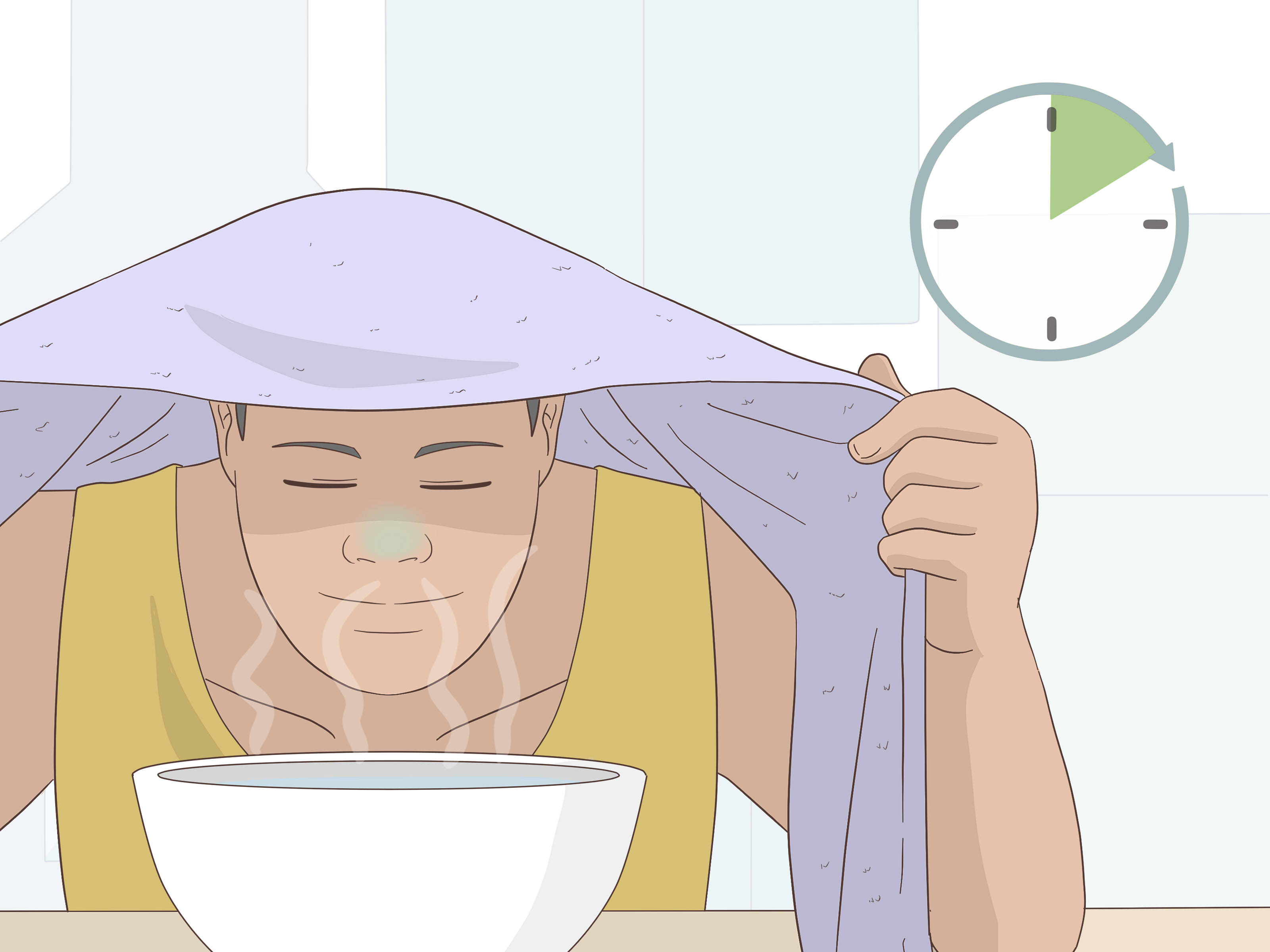
3. Steam Bowl Method
Add hot water to a bowl and place just 1 drop of eucalyptus oil into the water. Keep your face comfortably away from the bowl and breathe gently for a few minutes. Do not cover your head with a towel if the scent feels too strong. Keep your eyes closed if the vapor irritates them.
This method is not recommended for children. Adults with asthma, COPD, reactive airways, or respiratory conditions should ask a healthcare provider before trying steam inhalation with essential oils.
4. Diluted Chest or Neck Rub
Mix 3 to 6 drops of eucalyptus oil into 1 ounce of carrier oil for a mild adult blend. Massage a small amount onto the upper chest, shoulders, or back of the neck. Keep it away from the nostrils, eyes, lips, broken skin, and mucous membranes.
Use this blend for short periods rather than making it an hourly ritual. If your skin feels hot, itchy, or irritated, wash the area with soap and water.
5. Muscle Massage Blend
For post-workout tension, combine 6 to 12 drops of eucalyptus oil with 1 ounce of carrier oil. Massage into large muscle areas such as calves, shoulders, or thighs. Avoid sensitive areas and wash your hands afterward.
For a balanced aroma, eucalyptus pairs nicely with lavender, rosemary, frankincense, or sweet orange. Keep the total number of essential oil drops within the dilution range. Adding five different oils does not make the blend five times better; it just makes math more important.
6. Home Cleaning Spray
Eucalyptus oil can add a fresh scent to homemade cleaning sprays. Add a few drops to a spray bottle with water and white vinegar, then shake before each use. Spray on nonporous surfaces and wipe clean. Do not use essential oils on natural stone, unfinished wood, or delicate surfaces unless you know the material can handle it.
Important: eucalyptus oil is not a substitute for EPA-registered disinfectants when you need to kill specific germs. For food prep areas, illness cleanup, or bathroom disinfection, use products according to their labels.
7. Laundry Freshener
Add a few drops of eucalyptus oil to wool dryer balls, then let the oil absorb before tossing them into the dryer. Use lightly, especially if you have sensitive skin. Avoid adding essential oil directly to clothing, washer drums, or dryer interiors, because oils can stain fabrics and may create a fire risk if overused.
Common Mistakes to Avoid
Using Too Much Oil
Eucalyptus oil is potent. Start with fewer drops than you think you need. If the scent disappears after a while, that may be your nose adapting, not a sign that the room needs ten more drops.
Applying It Undiluted
Undiluted eucalyptus oil can cause burning, redness, rashes, and irritation. Always mix it with a carrier oil before applying it to skin.
Using It Near Eyes or Mucous Membranes
Keep eucalyptus oil away from eyes, nostrils, lips, genitals, and broken skin. If it gets in your eyes, rinse with clean water and seek medical advice if irritation continues.
Assuming “Natural” Means Risk-Free
Essential oils are concentrated plant chemicals. They can interact with health conditions, medications, and sensitive bodies. Respect the bottle. It may be small, but it has main-character energy.
Who Should Avoid Eucalyptus Oil?
Eucalyptus oil may not be appropriate for everyone. Avoid it or ask a healthcare professional first if you:
- Are pregnant or breastfeeding
- Have asthma, COPD, or reactive airways
- Have a seizure disorder or history of seizures
- Have sensitive skin, eczema, or allergies
- Take medications for blood sugar, blood pressure, or chronic conditions
- Are preparing for surgery
- Are using it around infants, children, older adults, or pets
How to Choose a Quality Eucalyptus Oil
Choose eucalyptus oil from a brand that lists the botanical name, country of origin, extraction method, batch number, and ingredient purity. Look for dark glass bottles, clear labels, and third-party testing when available. Avoid vague labels like “therapeutic grade” if they are not backed by real testing information. That phrase can sound fancy, but it is not a magic safety certificate.
Store eucalyptus oil in a cool, dark place with the cap tightly closed. Keep it away from children and pets. Essential oils can oxidize over time, especially when exposed to heat, light, and air. Old or oxidized oils are more likely to irritate skin, so when in doubt, replace the bottle.
What to Do If Something Goes Wrong
If eucalyptus oil irritates your skin, wash the area with soap and cool water. Do not try to “neutralize” it with another essential oil. If irritation continues, contact a healthcare provider.
If eucalyptus oil is swallowed, do not induce vomiting unless a medical professional tells you to. Contact Poison Control or emergency services immediately. If someone has trouble breathing, collapses, has a seizure, or cannot be awakened, call 911.
Real-Life Experience: Using Eucalyptus Oil Without Overdoing It
The best way to use eucalyptus oil is to treat it like a helpful guest, not a roommate with unlimited access to every room in your house. In everyday life, eucalyptus oil works best in small, intentional moments. For example, many people enjoy adding one or two drops to a shower steamer on mornings when they wake up feeling stuffy or sluggish. The warm steam lifts the scent, the bathroom smells like a fancy spa, and suddenly brushing your teeth feels like a wellness retreat instead of a negotiation with the alarm clock.
Another practical experience is using eucalyptus oil after cleaning. A light cleaning spray with a few drops of eucalyptus oil can make countertops, sinks, and trash-can areas smell fresher. The trick is to wipe surfaces well and avoid using the spray like perfume for your entire kitchen. One or two sprays are enough. If the room smells like a eucalyptus forest got into a wrestling match with a vinegar bottle, you have gone too far.
For muscle comfort, a diluted massage blend can be useful after gardening, workouts, long drives, or hours spent hunched over a laptop like a shrimp with Wi-Fi. A simple blend of carrier oil and a small amount of eucalyptus oil can make a shoulder or calf massage feel cooling and refreshing. The experience is better when paired with actual recovery habits: drinking water, stretching gently, sleeping enough, and not pretending that one massage can erase six months of poor posture.
Diffusing eucalyptus oil can also be pleasant, especially during seasonal congestion or stale indoor air. The most successful approach is short and light: a few drops, good ventilation, and a limited session. People often learn the hard way that running a diffuser for hours can become overwhelming. Your nose may stop noticing the scent, but guests, pets, and sensitive family members may notice it loudly. A good rule is to diffuse, pause, and observe. If anyone coughs, gets a headache, feels dizzy, or complains that the house smells like a medicinal tree, stop.
The biggest lesson from real-world use is that eucalyptus oil is not better when used more aggressively. It is better when used thoughtfully. Keep it out of reach of children. Do not use it around pets without caution. Do not drink it. Do not rub it under your nose. Do not use it as a replacement for medical treatment. When used respectfully, eucalyptus oil can be a crisp, clean, refreshing addition to your home and self-care routine. When used recklessly, it can create problems that no amount of calming spa music will fix.
Conclusion
Eucalyptus oil can be a useful and enjoyable essential oil when handled with care. It may freshen a room, support a relaxing shower routine, enhance a diluted massage blend, and create a clean, cooling aroma during stuffy seasons. But safe use matters. Never swallow eucalyptus oil, always dilute it before applying it to skin, use only small amounts in diffusers or steam, and be cautious around children, pregnant or breastfeeding people, people with respiratory conditions, those with seizure disorders, and pets.
The safest eucalyptus oil routine is simple: choose a quality product, use fewer drops, dilute properly, ventilate well, and stop if irritation or breathing discomfort occurs. Eucalyptus oil is not a cure-all, but it can be a refreshing tool when you use it wisely. In other words, let eucalyptus oil be the helpful sidekick in your wellness routinenot the bossy little bottle running the whole show.
Note: This article is for educational purposes only and does not replace medical advice. For poisoning, accidental swallowing, severe skin reactions, breathing problems, seizures, or symptoms in children or pets, seek professional help immediately.

