
Beauty Tools & Accessories
How to Treat Coccidiosis in Cats: Treatment, Medications & More
Jul
If your cat has diarrhea and your veterinarian mentions coccidiosis, congratulations: you have just been drafted into the glamorous world of stool samples, litter box patrol, and reading medicine labels like they are cliffhangers in a mystery novel. It is not exactly the kind of cat parenting moment people post about with heart emojis, but it is common, treatable, and usually very manageable when you catch it early.
Coccidiosis in cats is an intestinal infection caused by microscopic protozoan parasites, most commonly Cystoisospora species, which older resources may still call Isospora. Adult cats often carry these organisms with few or no symptoms, but kittens, stressed cats, and cats with weaker immune systems can get quite sick. The good news is that treatment is usually straightforward. The less fun news is that medication alone is only half the job. The other half is cleaning like you mean it.
In this guide, we will break down how coccidiosis is diagnosed, what medications veterinarians commonly use, how supportive care helps, what to clean, what to watch for, and how to keep the infection from boomeranging right back into your cat’s life. In other words: treatment, medications, and all the practical stuff you actually need.
What Is Coccidiosis in Cats?
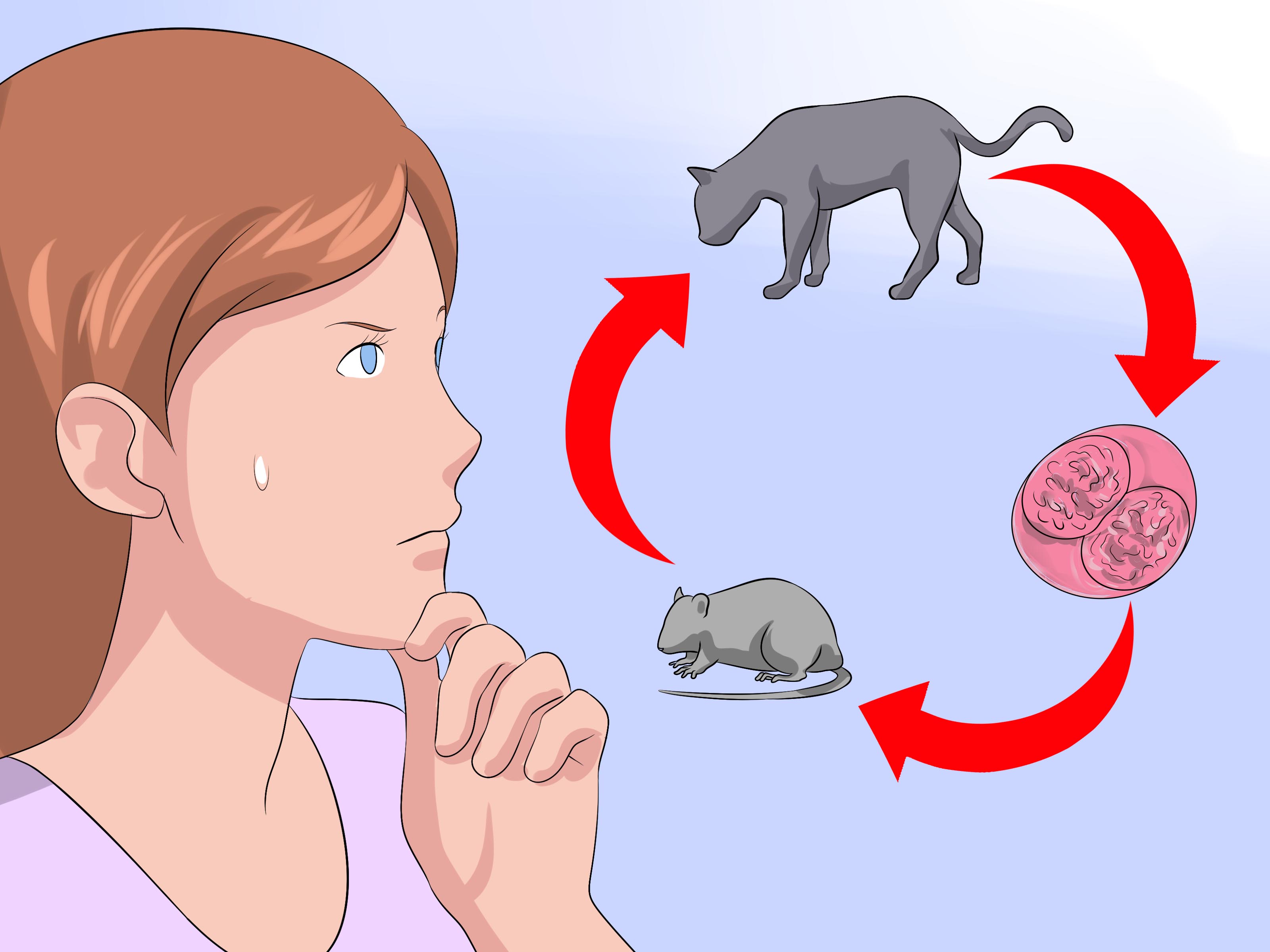
Coccidiosis is a parasitic infection that affects the intestinal tract. Cats become infected when they swallow infective oocysts from contaminated feces, soil, litter, food, water, or transport hosts such as rodents, insects, or cockroaches. Once inside the intestines, the parasites invade the intestinal lining, where they can irritate or damage the tissue and trigger diarrhea, appetite loss, and dehydration.
Here is the tricky part: many cats with coccidia look completely normal. A healthy adult cat may test positive and never act sick. Kittens are a different story. Because their immune systems are still developing, they are much more likely to develop symptoms and more likely to get dehydrated quickly. That is why coccidiosis tends to be a bigger deal in shelters, catteries, foster situations, multi-cat homes, and households with very young kittens.
How Cats Usually Catch It
- Using a contaminated litter box
- Contact with infected feces in crowded environments
- Grooming contaminated paws or fur
- Eating an infected rodent or insect
- Exposure to the mother’s feces during kittenhood
This is why coccidiosis treatment is never just about giving medicine. If the environment stays contaminated, your cat can be treated and then promptly reinfected, which is about as satisfying as mopping the floor during a rainstorm.
Symptoms of Coccidiosis in Cats
The classic sign is diarrhea. In mild cases, the stool may simply be soft. In more noticeable cases, it may be watery, frequent, or coated with mucus. Some cats also vomit, eat less, lose weight, or seem tired and uncomfortable. Kittens may dehydrate quickly and can decline faster than many owners expect.
Common symptoms include:
- Watery diarrhea
- Mucousy stool
- Loss of appetite
- Vomiting
- Abdominal discomfort
- Weight loss or poor growth in kittens
- Dehydration
- Lethargy
Severe cases can become dangerous, especially in tiny kittens or debilitated adult cats. If your cat has persistent diarrhea, seems weak, will not eat, or appears dehydrated, treatment should not wait around for a more convenient day on the calendar.
How Veterinarians Diagnose Coccidiosis
The standard way to diagnose coccidiosis is a fecal exam, usually a fecal flotation test. Your veterinarian mixes a stool sample with a special solution that allows parasite eggs or oocysts to float so they can be identified under a microscope. In plain English, your cat’s poop becomes a lab project.
Diagnosis sounds simple, but it is not always one-and-done. Parasites are not shed consistently, and false negatives can happen. That means a cat with ongoing diarrhea may need repeat stool tests, especially if symptoms strongly suggest parasites but the first sample comes back clean. In some cases, your veterinarian may also test for other causes of diarrhea, such as Giardia, worms, bacterial infection, food issues, or viral disease.
Tips Before the Vet Visit
- Bring a fresh stool sample if your clinic requests one
- Use a clean container or sealed bag
- Try to collect the sample within 24 hours of the appointment
- Keep it cool, but do not freeze it unless your clinic tells you to
- Tell your vet whether your cat is a kitten, goes outdoors, hunts, or lives with other cats
How to Treat Coccidiosis in Cats
The best treatment plan depends on the cat’s age, symptoms, hydration status, and whether there are coinfections or reinfection risks in the environment. Mild cases may need less support. More serious cases, particularly in kittens, may require a combination of antiprotozoal medication, fluids, dietary adjustments, and close monitoring.
1. Prescription Medication
The medication most commonly used for feline coccidiosis is sulfadimethoxine, often known by the brand name Albon. It is widely considered the standard first-line treatment and is the only drug specifically label-approved in the United States for enteritis associated with coccidiosis. Depending on the case, treatment may last anywhere from several days to a few weeks.
If sulfadimethoxine is not effective enough, not appropriate, or the infection is particularly stubborn, veterinarians may consider other options. Off-label medications such as ponazuril or toltrazuril are commonly discussed in veterinary practice and shelter medicine because they may shorten treatment in some cases. Some veterinarians may also use other sulfa combinations or alternative antiprotozoal approaches when clinically appropriate.
One important note for pet parents: do not guess the dose, duration, or drug choice at home. Coccidiosis medications are not one-size-fits-all, and cats can have different needs depending on age, weight, hydration, pregnancy status, other illnesses, and what else may be causing the diarrhea.
2. Supportive Care
Medication treats the parasite, but supportive care treats the cat. And frankly, the cat is the one glaring at you from the towel-covered carrier, so that matters.
Supportive care may include:
- Fluid therapy for dehydration
- Anti-nausea medication if vomiting is part of the problem
- Low-residue or easily digestible diets to reduce intestinal irritation
- Probiotics in some cases
- Nutritional support for kittens or cats who are not eating well
Some cats can be treated entirely at home. Others, especially very young kittens with dehydration, weakness, or relentless diarrhea, may need hospitalization for fluids and monitoring. That is not overreacting. That is smart medicine.
3. Environmental Cleanup
This part is easy to underestimate and hard to skip. Coccidia oocysts can survive in the environment for a long time, and once they become infective, they are resistant to many common disinfectants. In other words, the average lazy wipe-down does not impress them.
Good cleanup habits include:
- Scooping feces promptly, ideally daily or more often
- Washing litter boxes regularly
- Disinfecting hard surfaces when possible
- Using appropriately diluted bleach on suitable surfaces
- Steam cleaning when practical
- Washing bedding, bowls, and nearby items
- Keeping food and water away from contaminated areas
If you have multiple cats, ask your veterinarian whether all exposed cats should be tested or treated. In homes with kittens or shelter-style environments, that question matters a lot.
Common Medications for Coccidiosis in Cats
Sulfadimethoxine
This is the classic first-choice medication. It is generally given by mouth and is often used for 5 to 20 days, though the exact course varies by the case. Many cats tolerate the liquid form fairly well, which is a small miracle by cat standards.
Ponazuril
Ponazuril is commonly used off-label by veterinarians for coccidiosis in cats and kittens, especially in rescue and shelter medicine. It is not FDA-approved specifically for this use in cats, but it is widely discussed because of its effectiveness in real-world practice.
Toltrazuril
Toltrazuril is another off-label antiprotozoal option that some veterinarians may prescribe. It is not the default in every practice, but it shows up often enough in veterinary guidance that cat owners may hear it mentioned.
Other Sulfa-Based Options
In some cases, veterinarians may use other sulfonamide combinations or a different antiprotozoal plan based on the cat’s response, the severity of the symptoms, or other health issues. The headline here is simple: medication selection is a veterinarian decision, not a DIY chemistry experiment.
What to Feed a Cat Recovering From Coccidiosis
There is no magical anti-coccidia gourmet menu, but diet can help a recovering intestine settle down. Many veterinarians recommend a bland, easy-to-digest diet or a prescription gastrointestinal diet while the cat recovers. The goal is not to win a culinary award. The goal is to reduce stress on the gut.
Helpful feeding strategies may include:
- Small, frequent meals instead of one large feast
- Encouraging water intake
- Using a veterinarian-recommended GI diet
- Avoiding sudden food changes unless your veterinarian advises one
- Monitoring appetite closely in kittens
If your cat refuses food, seems nauseated, or has ongoing vomiting, call your veterinarian. Cats are not built for long hunger strikes, no matter how dramatic their personal values may be.
How Long Does Recovery Take?
Many cats improve noticeably within a few days of starting treatment, but the full course still matters. Stool may not normalize overnight, and environmental contamination can drag out recovery if cleanup is inconsistent. Your veterinarian may recommend a recheck fecal test after treatment, particularly in kittens, multi-cat households, or cats whose symptoms do not fully resolve.
In general, the prognosis is good when coccidiosis is recognized early and treated properly. Most cats recover well. The cats who tend to struggle are the ones who are very young, already dehydrated, or living in environments where reinfection is easy.
When to Call the Vet Right Away
Do not wait and “see how tomorrow goes” if your cat has any of the following:
- Severe or nonstop diarrhea
- Repeated vomiting
- Refusing food
- Weakness or collapse
- Signs of dehydration, such as dry gums or marked lethargy
- A very young kitten with diarrhea
- Weight loss or failure to gain weight in a kitten
- Persistent symptoms despite medication
Also call your vet if you finish the medication and the symptoms return. That may mean reinfection, a second parasite, or a completely different cause of diarrhea that just happened to arrive wearing coccidia’s name tag.
Can Humans Catch Coccidiosis From Cats?
For the most common feline coccidia, the answer is usually no. The typical Cystoisospora species that infect cats are considered species-specific and do not usually cause disease in people. That said, good hygiene still matters because other organisms can be confused with or accompany coccidia, and some less common protozoal infections can raise public health concerns.
Wash your hands after cleaning the litter box, keep the litter area sanitary, and be especially careful around kittens or diarrheic cats if anyone in the home is pregnant or immunocompromised. Basic hygiene is boring advice, but it is annoyingly effective.
How to Prevent Coccidiosis From Coming Back
- Clean litter boxes daily
- Disinfect or steam-clean contaminated areas
- Keep kittens in clean, low-stress housing
- Avoid overcrowding in foster or rescue setups
- Prevent hunting of rodents and insects
- Do not feed raw meat
- Schedule fecal testing as recommended by your veterinarian
- Monitor all cats in the home if one tests positive
If your cat has outdoor access, likes to hunt, or lives with multiple cats, prevention becomes even more important. The cleaner the environment, the lower the odds that your cat will circle back into the same problem again.
Owner Experiences: What Recovery Often Looks Like at Home
For many cat owners, the first sign that something is wrong is not a dramatic emergency. It is a litter box that suddenly seems off. Maybe the stool is softer than usual. Maybe a kitten has diarrhea that looks slimy or smells especially foul. Maybe a usually enthusiastic eater is suddenly picking at food like a food critic who just got tenure. Coccidiosis often begins with small warning signs that become obvious only in hindsight.
Once treatment starts, the home experience is usually a mix of relief, routine, and a little bit of detective work. Relief comes from finally having an answer. Routine comes from giving medication, cleaning the litter box more often, wiping down surfaces, washing bedding, and checking every bowel movement like it contains the secrets of the universe. Detective work comes from figuring out whether the cat is truly improving or just having one better day between rough ones.
Many owners describe the first two or three days of treatment as the “watch and worry” stage. The cat may still have diarrhea, and appetite may not bounce back immediately. That lag can be stressful, especially when the patient is a tiny kitten who seems to run on vibes and half a spoonful of canned food. It helps to know that improvement can be gradual. Softer stool becoming more formed, better energy, improved appetite, and less frequent vomiting are all meaningful wins.
Medication itself can be a whole subplot. Some cats accept flavored liquid medications with surprising dignity. Others transform into furry escape artists the second the syringe appears. Owners often end up developing a full strategy involving towels, treats, timing, and calm persistence. Nobody plans to become a tiny-cat pharmacist, but here we are.
Cleanup is the part owners mention most often because it is repetitive and genuinely important. During recovery, people often find themselves scooping more frequently than usual, washing litter pans more thoroughly, and separating sick kittens from healthy cats when possible. In multi-cat households, this can feel like managing a very small, very judgmental hospital ward. It is not glamorous, but it can make a major difference in preventing reinfection.
Another common experience is discovering that “my cat seems better” and “the infection is fully handled” are not always the same thing. Owners sometimes stop being as careful once the stool improves, only to see symptoms return because the environment was still contaminated or because another exposed cat was quietly shedding oocysts. That is why finishing the medication and following the veterinarian’s cleanup advice matter so much.
The encouraging part is that most owners who go through this say the same thing afterward: once the right diagnosis was made and the treatment plan was followed consistently, their cat recovered well. Energy returned. Appetite improved. The litter box stopped looking like a science experiment. Life felt normal again. Coccidiosis can be messy, frustrating, and mildly offensive to everyone’s sense of peace, but with proper treatment and sanitation, it is usually a problem you can get through and leave behind.
Final Thoughts
If you are wondering how to treat coccidiosis in cats, the short version is this: get a confirmed diagnosis, use the medication your veterinarian prescribes, support hydration and nutrition, and clean the environment aggressively enough to prevent reinfection. Sulfadimethoxine remains the standard first-line medication in many cases, while ponazuril or toltrazuril may be considered by veterinarians in certain situations. Supportive care matters. Sanitation matters. Follow-up matters.
The good news is that most cats do very well with proper care. The better news is that once you have survived the litter box phase of this adventure, you will never again underestimate the strategic importance of a disinfected scoop.

