
Hair Care
How to Travel Between Terminals A and F at Philadelphia International Airport (PHL)
May
Philadelphia International Airport can feel like a small city with boarding passes, rolling bags, cheesesteak temptations, and the occasional traveler sprinting like they just heard “final call” in surround sound. If your trip requires moving between Terminal A and Terminal F at PHL, do not panic. The airport is designed so connecting passengers can move between terminals after security, and there is a free airside shuttle that makes the long A-to-F journey much easier.
The main thing to know is this: Terminal A and Terminal F sit on opposite ends of the airport layout. Terminal A is split into A-West and A-East, while Terminal F is the compact concourse often used for regional flights. You can walk between them inside the secure area, but the walk can be long, especially if you are starting from the far end of A-West. For most travelers, the shuttle is the smarter, faster, and more ankle-friendly option.
This guide explains exactly how to travel between Terminals A and F at Philadelphia International Airport, when to walk, when to ride the shuttle, how much time to allow, what to do with tight connections, and how to avoid becoming the main character in an airport cardio documentary.
Quick Answer: The Best Way to Travel Between Terminals A and F at PHL
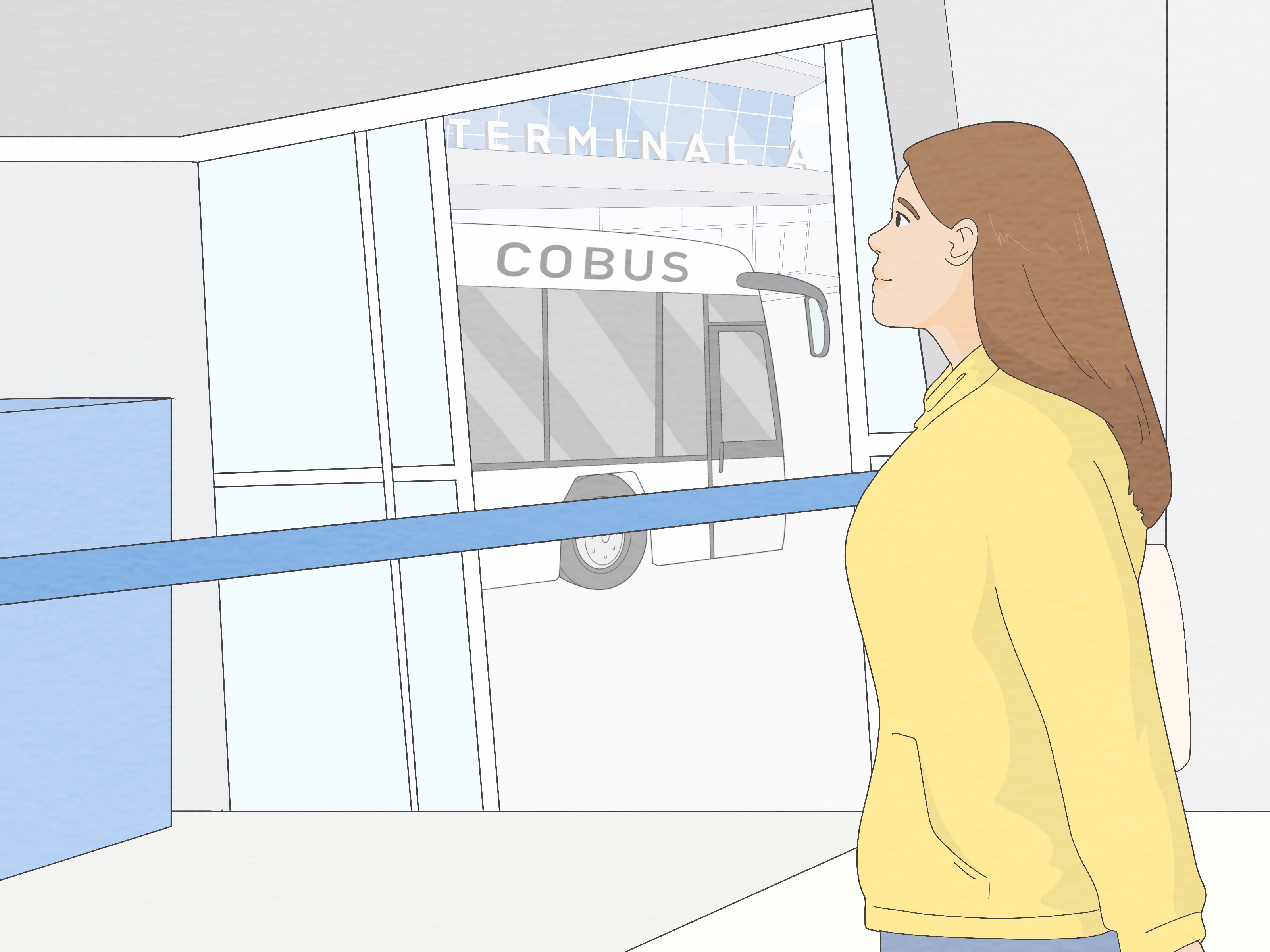
The best way to travel between Terminal A and Terminal F at Philadelphia International Airport is to use the free airside shuttle bus. The shuttle operates inside the secure area, so passengers connecting between flights usually do not need to exit security or go through TSA again.
The shuttle connects Terminal F with the Terminal A/B area. Current PHL traveler guidance lists shuttle service between Gate F10 in Terminal F and Gate A1 near the Terminal A-East and Terminal B connector. From A1, passengers can walk to A-East or continue farther to A-West, depending on their departure gate.
In normal conditions, the shuttle ride takes only a few minutes. Walking from A-West to Terminal F, however, can take around 45 minutes, depending on your pace, your gate location, crowd levels, and how attached you are to stopping for coffee along the way.
Understanding the PHL Airport Layout
Philadelphia International Airport, commonly known as PHL, has seven terminal areas: A-West, A-East, B, C, D, E, and F. The terminals are arranged in a long connected line, which is helpful because passengers can move between them after clearing security. But “connected” does not always mean “close.” That distinction matters when your next flight is boarding in 20 minutes and your gate is approximately in another zip code.
Terminal A: A-West and A-East
Terminal A is divided into two sections. Terminal A-West is generally associated with many international and long-haul flights, while Terminal A-East handles a mix of domestic and international operations. If your boarding pass says A14 through A26, you are likely in A-West. If your gate is closer to A1 through A13, you are in or near A-East.
This difference matters because Terminal A-East is closer to the shuttle stop at A1, while A-West is farther away. If you arrive at Gate A25 and need to reach Terminal F, your journey begins with a walk through Terminal A-West toward A-East before you can reach the shuttle stop. Add a few extra minutes for that.
Terminal F: Compact but Separate
Terminal F is smaller and more compact than the main central terminals. It is often used for regional flights, particularly American Eagle operations. The good news is that once you are inside Terminal F, most gates are relatively close together. The not-so-good news is that Terminal F sits at the far end of the airport, so walking from Terminal A to F can feel longer than expected.
Terminal F has its own food hub and shuttle connection point. If you are transferring from F to A, follow signs for the shuttle bus inside the secure area. The shuttle stop is in the Terminal F food hub area, currently listed around Gate F10.
Option 1: Take the Free Airside Shuttle Between Terminal A and Terminal F
For most passengers, the shuttle is the best choice. It is free, it runs inside security, and it saves a significant amount of walking. This is especially useful if you have a tight connection, kids, older travelers, mobility concerns, or a carry-on bag that suddenly feels like it contains bowling balls.
How to Take the Shuttle from Terminal A to Terminal F
If you are starting in Terminal A, walk toward Gate A1. The A1 shuttle stop is located near the connector between Terminal A-East and Terminal B. Follow airport signs that say “Shuttle Bus” or ask an airport employee if you are unsure. Once at the stop, board the shuttle to Terminal F.
The shuttle will take you to Terminal F, currently listed at Gate F10 in the Terminal F food hub area. From there, check your boarding pass and walk to your F gate. Most Terminal F gates are close enough that you should be able to reach them quickly after getting off the shuttle.
How to Take the Shuttle from Terminal F to Terminal A
If you arrive in Terminal F and your next flight departs from Terminal A, head toward the Terminal F food hub and follow signs for the shuttle bus. Board the shuttle to Gate A1. After arriving near A1, walk to your Terminal A gate. If your flight departs from A-East, you may only have a short walk. If it departs from A-West, allow extra time to continue through the A-East area into A-West.
This is a common route for passengers connecting from a regional flight in Terminal F to a larger domestic or international flight in Terminal A. The shuttle is designed for exactly this kind of connection, which is why it is usually the most practical transfer method.
How Often Does the Shuttle Run?
PHL guidance generally describes shuttle buses as running frequently, with service commonly operating about every 10 minutes and the ride itself taking roughly 5 to 7 minutes. A separate current airport traveler help page lists shuttle hours from 6:30 a.m. to 10:30 p.m. Because airport operations can change, always follow posted signs and current instructions on your travel day.
If your connection is early in the morning or late at night, verify whether the shuttle is operating. If it is outside shuttle hours, you may need to walk between terminals or ask airport staff for the best current route.
Option 2: Walk Between Terminals A and F
Yes, you can walk between Terminal A and Terminal F at PHL after security. The terminals are connected airside, which means you generally do not have to exit and re-enter TSA when moving between gates on a single connection. Walking may be a reasonable choice if you have a long layover, want to stretch your legs, or simply enjoy collecting airport steps like they are loyalty points.
However, walking from Terminal A to Terminal F is not always the best option. The distance from the far end of A-West to Terminal F is more than a mile, and the airport itself estimates that walking from A-West to F can take about 45 minutes. That is a real walk, not a casual “I’ll just pop over there” stroll.
When Walking Makes Sense
Walking can make sense if you have at least an hour or more before boarding, your bags are light, you are physically comfortable walking a long distance, and you want to stay inside the secure area. It can also be a good backup if the shuttle is not operating or if the line for the shuttle looks unusually long.
Walking also gives you access to more dining and shopping options along the way. Between Terminal A and Terminal F, you will pass through or near multiple terminal areas, including B, C, D, and E depending on your route. If you have a long layover, this can be a decent way to explore PHL without leaving security.
When Walking Is a Bad Idea
Walking is not ideal if your connection is tight, your arriving flight is delayed, your gate is at the far end of A-West, your departing flight is deep inside Terminal F, or you are traveling with children, older adults, strollers, or heavy bags. In those situations, take the shuttle unless airport staff advise otherwise.
It is also worth remembering that boarding usually begins before the scheduled departure time. If your flight departs at 2:00 p.m., you should not plan to reach the gate at 1:59 p.m. unless your hobby is stress. Give yourself a buffer.
Do You Need to Go Through Security Again?
For standard domestic connections booked on the same itinerary, passengers usually do not need to go through TSA again when traveling between Terminal A and Terminal F. The terminals are connected after security, and the shuttle operates inside the secure area.
There are important exceptions. If you booked separate tickets and checked a bag, you may need to leave security, collect your bag, check it with the next airline, and go through TSA again. Also, if you arrive on an international flight, you may need to clear U.S. Customs and Border Protection, collect and recheck luggage if required, and then re-enter security before continuing to your next flight.
In short, if you are connecting on one itinerary and your bags are checked through to your final destination, the transfer is usually straightforward. If your travel plans involve separate airlines, separate tickets, or international arrival procedures, build in more time.
How Much Time Should You Allow Between Terminals A and F?
If you use the shuttle and everything goes smoothly, the physical transfer from Terminal A to Terminal F can be quick. But the real connection time depends on several factors: your arrival gate, your departure gate, whether your flight arrives early or late, how quickly you can deplane, shuttle wait time, and when boarding closes.
For Comfortable Connections
A connection of 60 to 90 minutes is usually more comfortable for traveling between Terminal A and Terminal F, especially if you are not familiar with PHL. This gives you time to deplane, find the shuttle, ride to the other terminal, walk to your gate, and maybe even breathe like a normal person.
For Tight Connections
If your layover is under 45 minutes, move with purpose. Check your arrival and departure gates before landing if Wi-Fi or mobile service is available. When you exit the aircraft, do not stop for food, coffee, or a souvenir Liberty Bell magnet. Go directly to the shuttle stop or follow signs to your next gate.
If your connection is extremely tight, ask the gate agent or a nearby airport employee for the fastest current route. Airport staff may know if shuttle timing, construction, gate changes, or crowding make one route better than another at that moment.
Step-by-Step: Terminal F to Terminal A
- Exit your arriving aircraft in Terminal F.
- Check your next gate on the airline app or airport monitors.
- Follow signs toward the Terminal F shuttle bus stop near the food hub.
- Board the shuttle to Gate A1.
- Exit at A1 near the A-East/B connector.
- Walk to your A-East gate or continue farther to A-West if needed.
- Confirm your gate again before relaxing, because gate changes love dramatic timing.
Step-by-Step: Terminal A to Terminal F
- Start by checking whether your gate is in A-West or A-East.
- If you are in A-West, walk toward A-East and the A/B connector.
- Follow signs to Gate A1 and the shuttle bus stop.
- Board the shuttle to Terminal F.
- Exit near the Terminal F food hub around Gate F10.
- Walk to your assigned F gate.
- Keep your boarding pass handy in case airline staff need to check your connection.
Shuttle vs. Walking: Which One Should You Choose?
| Situation | Best Choice | Why |
|---|---|---|
| Tight connection | Shuttle | Usually faster and less tiring than walking the full route. |
| Long layover | Walk or shuttle | Walking lets you explore; shuttle saves energy. |
| Heavy carry-on bags | Shuttle | Dragging luggage across the airport is not a personality test. |
| Traveling with kids | Shuttle | Shorter, easier, and less likely to involve snack negotiations. |
| Shuttle not operating | Walk | The terminals are connected airside, so walking is the backup route. |
Tips for a Smooth Terminal A to Terminal F Transfer
Check Your Gates Before Landing
Use your airline app to check your arrival and departure gates before you land. Gates can change, especially at hub airports. Knowing whether you are headed to A-West, A-East, or Terminal F gives you a head start.
Follow “Shuttle Bus” Signs
PHL uses signs to direct passengers to shuttle stops. Look for “Shuttle Bus” signage near Gate A1, Gate C16, and the Terminal F food hub area. If you are unsure, ask an airport employee before wandering too far in the wrong direction.
Do Not Exit Security Unless You Must
If you are connecting between flights, stay airside unless your itinerary requires baggage claim, customs, or recheck. Leaving security can add significant time because you may need to pass through TSA again.
Build in Extra Time for A-West
A-West is farther from the A1 shuttle stop than A-East. If your gate is deep in A-West, add extra walking time before or after the shuttle ride. This is especially important for international departures, where boarding may close earlier than expected.
Use Airport Monitors
Even if your airline app is updated, check airport monitors. They are useful for confirming gate changes, delays, and boarding status. In airports, trust but verify. Then verify again, because Gate A17 can become A23 when you least expect it.
What If You Have Separate Tickets?
Separate tickets make terminal transfers more complicated. If your bags are not checked through to your final destination, you may need to exit the secure area, collect your luggage at baggage claim, check in again, and go back through TSA. In that case, the airside shuttle will not solve the whole problem because you are no longer simply moving between gates.
If you are booking separate tickets through PHL, allow a much larger buffer. Two hours may still feel tight if your first flight is delayed or baggage takes time. Three hours is safer, especially if you are connecting to an international flight or traveling during busy periods.
What If You Are Arriving Internationally?
International arrivals at PHL may require customs processing before passengers can continue onward. If you arrive from abroad, you generally need to clear U.S. Customs and Border Protection. Depending on your itinerary, you may also need to collect checked luggage, recheck it, and clear TSA security again.
After completing international arrival procedures, follow airport signs for connecting flights. If your next flight departs from Terminal F, you may be able to use the airside connection once you are back through security. Allow plenty of time because customs, baggage, and TSA wait times can vary.
Accessibility and Mobility Considerations
If you or someone in your group needs mobility assistance, contact the airline before travel. Airlines can arrange wheelchair assistance and help with gate-to-gate transfers. This is especially useful at PHL because Terminal A to Terminal F can involve long distances even when using the shuttle.
Travelers with mobility concerns should not rely on walking the full distance unless they are comfortable doing so. The shuttle is easier, but getting to and from the shuttle stop still requires some movement through the terminal. Ask airline or airport staff for help if needed.
Food, Restrooms, and Real-Life Transfer Timing
One advantage of PHL is that you will find restrooms, food, coffee, and shops throughout the airport. One disadvantage is that these things are very good at stealing time. If your connection is short, skip the snack stop until you reach your departure terminal. Once you are near your gate, you can decide whether there is time for food.
If you have a longer layover, the central terminals offer more options. The B/C connector is especially busy and has many dining choices. Terminal A also has restaurants and lounges, while Terminal F has a more compact selection. For a relaxed connection, get to your departure terminal first, then explore nearby.
Common Mistakes to Avoid
Mistake 1: Assuming Terminal A and Terminal F Are Close
They are connected, but they are not neighbors. If you are going from A-West to F, treat it as a real transfer.
Mistake 2: Walking During a Tight Layover
Unless the shuttle is unavailable, walking the full route during a tight connection is risky. The shuttle exists for a reason. Use it.
Mistake 3: Ignoring Gate Changes
PHL is a busy airport, and gates can change. Check your gate when you land, after you reach the shuttle, and again when you arrive in the next terminal.
Mistake 4: Exiting Security by Accident
Stay inside the secure area for gate-to-gate connections. If you accidentally exit, you may need to clear TSA again, which can turn a comfortable layover into an Olympic event.
Traveler Experience: What It Feels Like to Transfer Between Terminal A and Terminal F
Imagine landing in Terminal F on a regional flight. The plane is small, the aisle is narrow, and everyone seems to have decided that overhead bin physics are optional. You step into Terminal F, check your phone, and see that your next flight is leaving from Terminal A-West. This is the moment when knowing the shuttle exists feels like discovering a secret level in a video game.
The first experience tip is simple: do not judge the transfer by the airport map alone. On a map, Terminal A and Terminal F may look like two labels on the same diagram. In real life, they are separated by several terminal zones, crowds, moving walkways, and enough snack stands to test your focus. If you are not in a rush, the walk is manageable. If you are in a rush, it feels much longer.
For passengers arriving in Terminal F, the food hub area is a helpful landmark. It gives you a central point to aim for instead of wandering gate by gate. Once you find the shuttle signage, the process is usually straightforward: wait, board, ride, exit near A1, and continue toward your A gate. The shuttle ride itself is short, and the biggest variable is often how long you wait for the next bus.
Going the other direction, from Terminal A to Terminal F, can feel different depending on where you start. From A-East, it is usually simple to reach A1. From A-West, it takes more effort. You may pass lounges, restaurants, duty-free shops, and travelers who appear much calmer than you. Keep moving until you reach the A/B connector area and the shuttle stop. Once you are on the shuttle, the hard part is mostly over.
One practical experience-based rule: always get to your departure terminal before buying food. It is tempting to stop in the first good-looking restaurant you see, especially if your stomach is giving a dramatic speech. But if your gate is far away, that sandwich can become a very expensive mistake. Reach Terminal F or Terminal A first, confirm your gate, then decide whether you have time.
Another helpful habit is to keep your boarding pass open on your phone while transferring. You do not want to stop in the middle of a busy walkway to unlock your screen, find the airline app, wait for it to load, and discover that your gate changed six minutes ago. Screenshots can help, but live gate information is better when available.
Travelers with rolling bags should also pay attention to escalators, elevators, and crowded connector areas. PHL is navigable, but like many older hub airports, it can become congested at peak times. If you are traveling with children, set expectations early: “We are going straight to the shuttle first, snacks after.” This sentence may not prevent all snack-related negotiations, but it gives you a fighting chance.
If you have a long layover, the A-to-F journey can actually be pleasant. You can walk part of the airport, look at art displays, compare food options, and stretch after a cramped flight. But if your layover is short, treat the transfer like a mission. Follow signs, use the shuttle, avoid unnecessary stops, and check your gate repeatedly.
The biggest lesson is that PHL is not especially hard to navigate once you understand its shape. Terminal A and Terminal F are far apart, but the airport gives you two workable choices: walk through the connected secure area or take the shuttle. For most people, the shuttle is the winner. It is faster, easier, and much kinder to your carry-on wheels.
Conclusion
Traveling between Terminals A and F at Philadelphia International Airport is straightforward when you know the layout. The terminals are connected after security, but they sit far apart, so the free airside shuttle is usually the best option. Use the shuttle between the Terminal F food hub area and Gate A1 near the Terminal A-East/B connector, then walk to your specific gate.
If you have a long layover, walking is possible and can be a good way to stretch your legs. If your connection is tight, take the shuttle and move directly to your departure gate. Avoid exiting security unless your itinerary requires baggage claim, customs, or recheck. With a little planning, a Terminal A to Terminal F transfer at PHL can be smooth, efficient, and far less dramatic than the airport sprint your imagination was preparing for.
Note: Airport shuttle locations, hours, gate assignments, TSA checkpoint hours, and airline operations can change. Always confirm your route with posted PHL signage, airport monitors, your airline app, or airport staff on the day you travel.

